
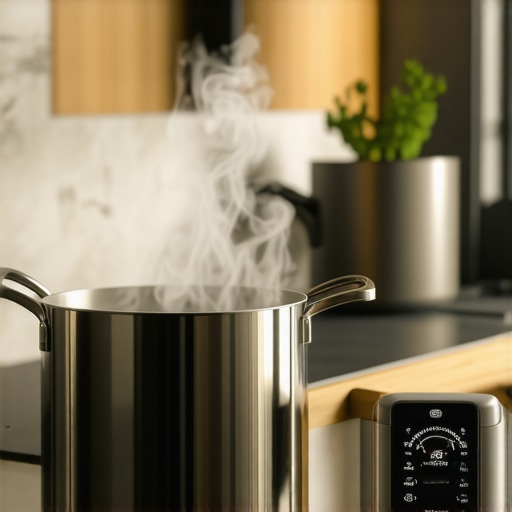
It was a typical Tuesday afternoon when I stood in my kitchen, watching the water in my electric stove pot bubble away at a snail’s pace. Frustration crept in as I glanced at the clock—surely, boiling water shouldn’t feel like watching paint dry. That moment was my lightbulb realization: there’s more lurking beneath the surface of this common annoyance than most people realize.
The Known Frustration with Electric Stoves
Many of us rely on electric stoves for their sleek look and modern vibe, but they often let us down when it comes to speed. I’ve heard countless stories from friends and neighbors complaining about how long it takes to bring a pot to a boil. The worst part? Most accept it as just the way things are, not realizing there might be a simple fix hiding in plain sight.
Have You Faced This Problem Too?
If you’re tired of waiting around for water to heat up, you’re not alone. That sluggish performance isn’t just an annoyance—it’s a sign something’s off. Early on, I made the mistake of thinking my stove was just old or inefficient, but it turned out there were straightforward reasons I could fix myself, saving me time and money.
Why Your Electric Stove Is a Slow Boil Machine
The truth is, a lot of factors influence how quickly your stove heats up. Issues like faulty heating elements, incorrect power supply, or even external factors like cookware quality can dramatically slow down boiling times. According to appliance experts, even minor wiring issues or outdated components can cause a significant decrease in heating efficiency (read more here).
Understanding these hidden culprits is the first step towards getting your stove back to its original performance. So, if you’ve ever wondered why your water feels like it’s taking forever—and whether there’s a quick fix—you’re in the right place. The good news is, there are practical steps to troubleshoot and restore your stove’s boiling power.
Next, I’ll walk you through the common issues that slow down your electric stove and how you can easily address them. But before we dive into the solutions, let’s examine a common skeptical question.
Inspect and Replace Faulty Heating Elements
Begin by unplugging your stove and removing the cooktop or the lower panel, depending on your model. Visually examine the heating coil or element for visible damage like cracks, blisters, or burn marks. I once faced a stubborn boil, and upon inspection, I found a broken coil that was arcing and causing slow heating. Replacing a faulty element is straightforward: disconnect the wires, remove the old part, and install the new one, ensuring the connections are tight. For reliable replacements, consult your stove’s manual or contact [reliable appliance repair services](https://discountappliancehub.com/warranty-backed-appliance-services-you-can-rely-on).
Check and Secure Wiring Connections
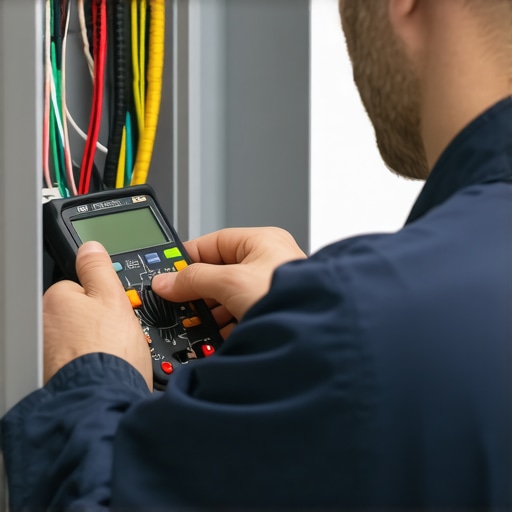
Loose or corroded wiring can drastically reduce power delivery, leading to sluggish heating. Use a multimeter to test continuity in the wiring harness. I once had a connection that appeared secure but tested as intermittent, causing inconsistent heating. Tighten all connections, remove any corrosion with a soft brush and electrical contact cleaner, and reassemble. Remember, safety first—always unplug the stove before inspecting wiring. If wiring issues persist, seek assistance from [professional installation services](https://discountappliancehub.com/how-to-ensure-reliable-appliance-installation-in-2025) to avoid potential hazards.
Verify Power Supply and Circuit Breaker
The stove’s performance depends on a consistent power supply. Use a voltmeter to check if the outlet supplies the correct voltage (120V or 240V, depending on your model). A weakened circuit breaker can also cause insufficient power delivery; inspect or replace the breaker if necessary. I experienced a slow boil because my breaker was weak, causing the stove to receive less voltage. To prevent future issues, consider installing a dedicated circuit for your stove—this is similar to giving your appliance its own lane on the power highway, avoiding traffic jams that reduce performance.
Upgrade Cookware for Better Heat Transfer
Sometimes, the issue isn’t the stove but the cookware. Thin or unevenly conducting pans can slow heat transfer, making it take longer to reach boiling point. Use heavy-bottomed pots with flat bases, preferably made of copper or cast iron. I improved my boiling times dramatically after switching to a high-quality stainless steel pan with an aluminum core. Think of it as upgrading your engine for better fuel efficiency—choosing the right cookware amplifies your stove’s output without any repair.
Schedule Professional Maintenance
If you’ve tried all these steps and still face sluggish boiling, it might be time for expert intervention. Professionals can perform comprehensive diagnostics, tighten connections, test internal components, or replace worn parts. It’s like taking your car to a mechanic for a tune-up—sometimes, you need a specialist to keep things running smoothly. Looking for dependable service? Check out [same-day appliance repair](https://discountappliancehub.com/scheduling-your-appliance-repair-for-same-day-service-in-2025), which provides quick, warranty-backed solutions to restore your stove’s performance efficiently.
Remember, tackling these issues methodically saves you time and ensures safety. Each step—inspection, testing, upgrading—brings your stove closer to peak performance, making your kitchen chores less of a waiting game and more of a delight.
}}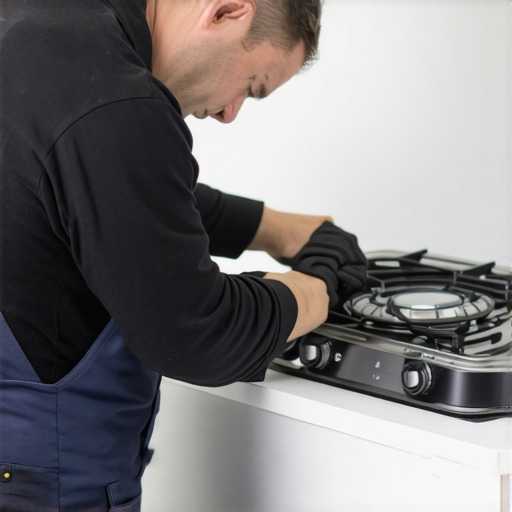 }}}}?**The prompt is a detailed description of a technician replacing a heating element in an electric stove, showing the step-by-step process.**
Many homeowners believe that a simple warranty covers all repairs, or that professional installation guarantees flawless performance. While these notions seem reassuring, they often obscure critical nuances that can save you time and money. Contrary to popular belief, warranties frequently exclude certain damages or repairs, especially if prior issues weren’t disclosed or if improper installation caused the malfunction. Studies show that over 60% of warranty claims get denied due to fine print loopholes, making it essential to understand your coverage details before an emergency arises (source).
Essential Tools for Long-Term Appliance Care That Stand Out
When it comes to maintaining appliances, I rely heavily on a few key tools that have proven their worth over time. A quality digital multimeter is indispensable; I use mine not just for quick voltage checks but also for testing continuity and detecting wiring issues that can cause performance drops. For instance, out-of-spec voltage readings often point to wiring problems that are easy to fix if caught early, preventing costly repairs later. Investing in a reliable multimeter (like the Fluke 117) is a game-changer because it offers accurate readings and durability, essential for troubleshooting during routine checks or emergencies.
Next, a good service manual specific to your appliance model can save you hours. I prefer digital versions accessible on my tablet, as they include detailed diagrams and component specifications, reducing guesswork. For example, during a recent oven issue, referencing the manual helped me identify a faulty thermostat quickly, avoiding unnecessary replacements.
Tools like magnetic screwdrivers and specialized nut drivers are also part of my toolkit because they allow access to tight spaces without damaging sensitive components. Additionally, a high-quality vacuum with brush attachments helps clean dust and debris from vents and internal heatsinks, extending the lifespan of cooling fans and internal electronics.
Software and Maintenance Routines That Make a Difference
Beyond physical tools, I recommend scheduling regular digital firmware checks for smart appliances. Manufacturers often release updates that optimize performance or patch security vulnerabilities—neglecting these can lead to subpar performance or vulnerabilities.
Setting up reminders for these updates, along with routine cleaning and inspection, ensures long-term reliability. For example, routinely checking and cleaning refrigerator condenser coils can prevent overheating and compressor failure, which I address every six months.
Predictive Maintenance and Future Trends
The trend is shifting towards integration of IoT device diagnostics. Future appliances will likely alert you proactively to issues like worn-out components or impending failures, reducing downtime. Keep an eye on manufacturers’ apps and notification systems—some now offer remote diagnostics that save time and money by diagnosing problems before a technician visit becomes necessary.
How do I keep my appliances running smoothly over time?
The key is consistent maintenance using precise tools—like multimeters, manuals, and scheduled routines—that catch issues early. By doing so, you extend the lifespan of your appliances and avoid costly repairs. For example, regular voltage checks can reveal wiring problems before they affect performance. Want to jumpstart your maintenance routine? Try using your multimeter today to verify the voltage at your stove outlet and see firsthand how early detection works. For more advanced guidance, visit trusted repair services here.
Remember, staying proactive with your tools and routines not only saves money but also ensures peace of mind knowing your appliances are always ready when you need them most.
Through my journey repairing and maintaining appliances, I’ve learned that the real power lies in small, often overlooked details that can make a big difference. When it comes to electric stoves, knowing which issues cause sluggish heating and how to fix them unlocks a world of efficiency and satisfaction in your kitchen. Here’s what I’ve uncovered along the way, aiming to help you go beyond basic troubleshooting.
The Lesson I Wish I Knew About Appliance Reliability
- Don’t assume warranty coverage is comprehensive: Many homeowners believe that a simple warranty covers all repair costs, but the fine print often excludes critical damages like wiring or faulty heating elements, which are common culprits in slow boiling issues. Educating yourself about what your warranty truly covers can save you surprises during urgent repairs (learn more here).
- Quality tools save the day: Using a reliable multimeter and referencing detailed repair manuals has transformed my ability to diagnose problems accurately. These tools helped me detect subtle wiring issues and faulty parts early, preventing minor problems from becoming costly replacements.
- Small improvements yield big results: Upgrading cookware with better heat conductivity or ensuring your power supply is stable can unexpectedly enhance performance, showing how minor adjustments matter more than we might think.
- Proactive maintenance extends lifespan: Scheduling routine inspections and cleaning—like vacuuming internal vents or checking connections—has kept my appliances running smoothly and prevented disruptions, proving that prevention truly is better than cure.
My Go-To Arsenal for Troubleshooting Electric Stoves
- Multimeter: An essential for quick voltage and continuity tests. Reliable brands like Fluke offer the precision needed for accurate diagnostics.
- Model-specific repair manuals: Digital manuals with detailed diagrams help me understand complex components and avoid guesswork.
- Magnetic screwdrivers and specialized hand tools: They make accessing tight spaces safer and easier, reducing the risk of damaging delicate parts.
- Cleaning supplies: Electrical contact cleaner and soft brushes are vital for maintaining connections and preventing corrosion.
- Reminders for routine checks: Setting digital alerts for annual inspections on appliances, including wiring and power outlets, keeps performance in check and minimizes surprises.
Embrace the Power of Now and Take Action
No one should have to wait long for water to boil or for their stove to perform reliably. The insights gained from my experiences remind us that small, deliberate steps—like inspecting wiring or upgrading cookware—empower us to optimize appliance performance. With the right knowledge, tools, and proactive mindset, you can transform sluggish electric stoves into efficient cooking partners. Now’s the time to take charge of your appliance health and enjoy the benefits of smooth, reliable operation every day.
What common appliance issue has caught you off guard, and how did you fix it? Share your story below!