
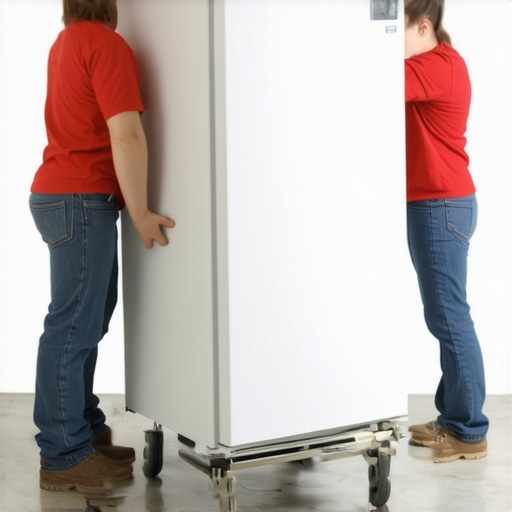
I’ll never forget the day I tried to shuffle my bulky refrigerator across the kitchen floor without a plan. The moment I tugged on it, I felt that sickening scrape against the hardwood—my heart sank. It was a rookie mistake, and honestly, I wasn’t alone. Many of us have faced that lightbulb moment where we realize, too late, how damaging an ill-prepared move can be. Have you ever struggled with relocating a heavy appliance, only to worry about scratching or ruining your floors?
Why Moving Appliances Safely Matters So Much
Refrigerators are hefty, unwieldy beasts. Moving them isn’t just about muscle—it’s about technique. A mishandled move can lead to costly repairs, damaged floors, or even broken appliances. According to the HGTV, improper moving techniques are among the top causes of appliance damage during relocations. That’s why mastering the right method isn’t just a tip—it’s a necessity.
Is It Really Worth the Extra Effort?
At first glance, the idea of taking extra steps might seem inconvenient. But trust me, a simple preparation can save you from hours of repair work or replacement costs later. My early attempts involved sliding an unprotected fridge directly over my floors—an easy mistake I won’t make again. Starting with the right tools and techniques is like investing in a little insurance for your floors and wallet. Curious about how to do it right? Stay tuned, because I’ll walk you through the proven steps to move your fridge safely and effortlessly.
Need professional help? If you’re unsure or short on time, consider reaching out to experts at trusted local appliance installers. They’ll ensure your appliance is moved with care, safeguarding your floors and peace of mind.
Prepare Your Equipment and Space
Before lifting that bulky fridge, clear a path in your kitchen to prevent accidents. Gather essential tools: furniture dollies, moving straps, protective blankets, and gloves. As I experienced firsthand, using a sturdy furniture dolly (not a makeshift skateboard) prevented slips and scratches. Wrap your appliance with blankets to cushion it during transport and prevent floor damage. Remember, a little preparation saves you hours of cleanup and repairs later.
Disconnect and Empty the Appliance
Unplug the refrigerator and remove all items inside, including shelves if possible. This step is crucial to prevent breakage and reduce weight. During my move, I carefully disconnected water lines for models with ice makers, ensuring no water leakage. Use appropriate wrenches and keep a towel nearby to manage residual water. Label water inlet valves to reconnect swiftly afterward, minimizing downtime.
Secure and Protect the Appliance During Transit
Use Moving Straps Effectively
Secure the appliance onto the dolly with strong straps, wrapping tightly around it to prevent shifting. When I did this, I avoided tilting the fridge excessively, which could harm internal components. Ensure the weight is balanced to avoid tipping over—a common mistake that can cause damage or injury. Think of moving straps as your appliance’s seatbelt, keeping it safe during the bumpiest ride.
Protect Floors and Doorways
Deploy furniture sliders or thick blankets under the dolly wheels to glide smoothly over hardwood or tile floors. Measure doorways beforehand to confirm the fridge fits without scraping or forcing. During my attempt, I removed door handles temporarily to ease passage, preventing scratches and hardware damage. Small adjustments like these can make the process smoother and avoid costly repairs.
Execute the Move with Precision
Maintain a firm grip and work with a partner to lift and maneuver. Communicate clearly—While many believe that appliance warranties cover all repair costs, the reality is often more complex. A frequent myth is that warranties automatically activate during any failure; however, detailed terms and specific conditions frequently limit coverage, leading to unexpected out-of-pocket expenses. For example, some warranties exclude certain parts or repair scenarios, particularly if the installation wasn’t performed correctly or if the appliance wasn’t maintained as specified. To truly maximize your warranty benefits, it’s essential to understand these nuances and keep detailed service records. According to expert sources, failing to read the fine print can result in denial of claims, even when a fault seems straightforward. When scheduling same-day repairs, many assume that service providers will handle everything seamlessly, but rapid responses can sometimes overlook preliminary steps that prevent future issues. Cutting corners during installation, such as improper leveling or incorrect wiring, might save time initially but can cause significant damage or safety hazards down the line. An advanced mistake I often see is neglecting the compatibility of replacement parts or components, especially with high-tech appliances. Installing incompatible units can void warranties or lead to recurrent failures, counteracting the purpose of quick fixes.
What Critical Steps Are Overlooked During Emergency Repairs That Could Void Your Warranty?
Experts advise that verifying proper installation procedures and adhering to manufacturer guidelines are paramount. Skipping these steps might not only jeopardize appliance functionality but also invalidate warranty claims, making repairs more costly in the long run. For instance, some manufacturers stipulate that only certified professionals can perform certain repairs or installation; neglecting this can result in warranty denial. To avoid these pitfalls, always consult with seasoned technicians who are familiar with manufacturer specifications and local codes. Additionally, maintaining detailed logs and receipts can serve as vital evidence when contesting warranty denials—click here to learn more about maximizing your warranty during emergency repairs. Remember, rushing repairs or ignoring precise steps may lead to more expense and frustration down the line. So, next time you consider a quick fix, ask yourself: Have I covered all bases? For professional, reliable service, consider trusted local experts at [trusted appliance installation](https://discountappliancehub.com/fast-trustworthy-appliance-installation-near-you). They adhere to all safety and procedural standards, ensuring both compliance and peace of mind. Don’t underestimate the importance of thoroughness—your appliances deserve expert attention. Have you ever fallen into this trap? Let me know in the comments.
Tools That Make a Difference in Appliance Care
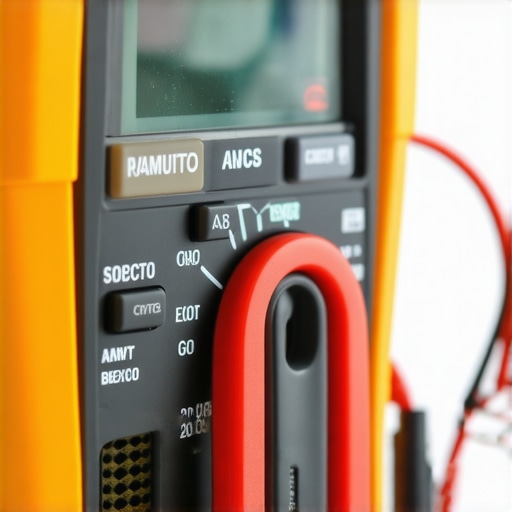
Keeping your appliances in top shape requires more than just basic know-how. Over the years, I’ve identified a handful of tools that have truly transformed my maintenance routines, saving time and preventing costly repairs. One standout is the digital multimeter, which I use every time I suspect electrical issues. Its precision helps me diagnose problems accurately, especially with complex components like control boards, avoiding unnecessary replacements. For instance, periodically testing your refrigerator’s thermistor with a multimeter can prevent temperature inconsistencies that might jeopardize food safety.
Another invaluable tool is a high-quality moisture meter designed specifically for appliances with water lines or leaks. I rely on it to pinpoint hidden leaks early, avoiding water damage and mold growth. Checking your washing machine’s hoses with such a meter can identify early signs of deterioration—think of it as a health check-up for your appliances.
For physical components, I favor a set of precision screwdrivers and a torque wrench. The screwdrivers allow me to handle delicate electronics without slipping, and the torque wrench ensures I tighten bolts to the manufacturer’s specifications, preventing over-tightening that can damage units. These tools are especially helpful when reinstalling panels or securing water lines, ensuring long-term durability.
Future Trends: Smarter Tools for Smarter Maintenance
Looking ahead, the integration of IoT (Internet of Things) technology into appliance maintenance is promising. Imagine tools that connect wirelessly to apps, providing diagnostic data in real-time and guiding even novice users through repairs. Companies are already introducing smart diagnostics that sync with your smartphone, game-changing for DIY enthusiasts and professionals alike. As these technologies evolve, expect maintenance to become more proactive—detecting issues before they turn into expensive breakdowns.
How Do I Maintain Appliance Efficiency Over Time?
Consistent maintenance is key. Regularly cleaning filters, vents, and coils improves energy efficiency and extends appliance life. Using specialized cleaning brushes for condenser coils, for instance, prevents overheating and saves on energy bills. Moreover, scheduling periodic professional inspections can catch problems early—many experts recommend annual check-ups to prevent small issues from escalating. For a comprehensive approach, consider consulting trusted service providers who adhere to manufacturer guidelines, like those found at this resource.
If you’re eager to take your appliance maintenance to the next level, I highly recommend investing in a digital multimeter and a set of precision screwdrivers. These tools have served me well and can be found at most hardware stores. Remember, proactive care and quality tools are your best allies in avoiding unexpected breakdowns and ensuring your appliances operate efficiently for years to come. For more expert insights or to schedule professional maintenance, visit trusted local service providers.
Learning from My Biggest Fridge Fumble
One of my toughest lessons was trying to slide a heavy refrigerator without proper tools or planning. That scratch on my hardwood was a costly wake-up call about the importance of preparation—something I now never skip. Patience and the right equipment are your best allies in appliance relocation, and rushing can lead to mistakes that haunt you long after the move.
The Hidden Cost of Cutting Corners During Repairs
I’ve realized that quick fixes and skipping proper procedures during emergency repairs can void your warranty without you even realizing it. Reading manufacturer instructions thoroughly, verifying connections, and documenting each step have saved me from denied claims and unexpected expenses. Trusting certified professionals who follow manufacturer guidelines can prevent future headaches and ensure your appliance warranty remains intact.
Gearing Up for Long-Term Appliance Health
Investing in quality tools like digital multimeters and moisture meters has transformed my maintenance routine. These tools help catch potential issues early, saving money and extending appliance lifespan. As technology evolves, smarter diagnostic tools will make proactive care easier—think wireless sensors and app diagnostics that alert you before problems escalate.
The Hardest Lessons I Learned About Appliance, Warranty, and Installation Secrets
- Never underestimate the power of proper disconnection: Always unplug and empty appliances fully before moving or servicing. Missing this step can cause internal damage or safety hazards.
- Check your warranty terms carefully: Rushing or neglecting proper installation procedures can inadvertently void your warranty, making repairs more costly.
- Use the right tools and techniques: Employ furniture dollies, straps, and protective blankets to prevent floor damage and ensure safe, smooth moves.
- Document every repair or move: Keeping records can be a lifesaver when navigating warranty claims or potential disputes in the future.
- Don’t rush emergencies: Quick fixes might seem attractive, but following all manufacturer steps during repairs preserves your warranty and safety.
Tools That Became My Must-Haves in Appliance Care
My essential toolkit includes a digital multimeter for diagnosing electrical issues, moisture meters for leak detection, and precision screwdrivers to handle sensitive components. These tools have saved me from costly replacements and unforeseen breakdowns. Looking ahead, smart diagnostics connected via IoT promise even more proactive appliance maintenance, making early detection simpler than ever.
To keep appliances efficient, regular cleaning of coils, filters, and vents is vital. Professional inspections, ideally scheduled annually, can catch issues before they become emergencies. Trusted service providers who respect manufacturer specifications, like those at trusted local installers, have been invaluable in maintaining my appliance health.
Learning from All My Appliance, Warranty, and Installation Adventures
- Preparation prevents mishaps: Clearing a path and gathering tools before moving appliances saves time and prevents damage.
- Proper disconnection is crucial: Removing water lines, shelves, and securing moving straps protect your investment and safety.
- Invest in quality tools: They make all the difference in avoiding accidental damage and ensuring precise work.
- Follow manufacturer guidelines meticulously: This preserves your warranty and keeps your appliances running smoothly.
- Choose professionals when unsure: Certified experts at trusted local services ensure safe, warranty-compliant installation and repair.
Stay ahead with tools and tips—your appliances will thank you
Regular maintenance, proper handling, and knowing when to call in experts are the keys to long-lasting appliances and warranties. Embrace these lessons, and appliance mishaps will become fewer and far less stressful. You have the power to protect your investments and keep your home running smoothly—start today!
What appliance repair or installation challenge have you faced that taught you a valuable lesson? Share below—I’d love to hear your story!