
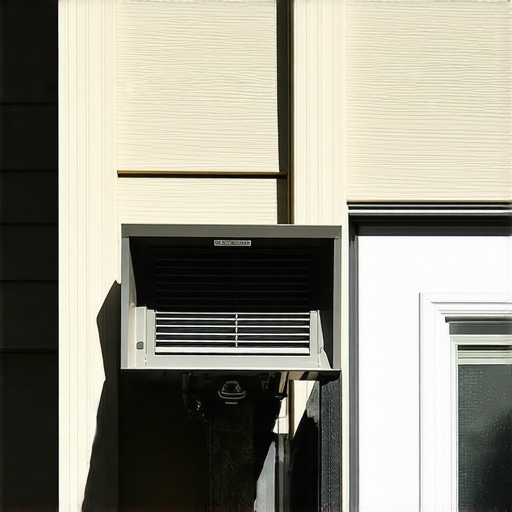
It was one of those mornings when you least expect it—trying to start a load of laundry, only to find the outside dryer vent hood completely sealed shut. I remember feeling that sinking frustration, the kind that makes you question whether you’re dealing with a simple fix or a bigger, more complicated issue. That moment was my lightbulb—realizing that a stuck dryer vent hood isn’t just an annoyance; it’s a potential safety hazard and a sign that something needs immediate attention.
Don’t Let Your Dryer Vent Become a Hidden Fire Hazard

Many homeowners overlook the importance of a functioning dryer vent. When the hood outside your house gets stuck shut, it can lead to lint buildup, increased fire risk, and inefficient drying cycles. I learned this firsthand after ignoring signs of blockage—never again! Regular maintenance isn’t just about keeping things running smoothly; it’s about safety and saving money on energy bills.
So, what exactly causes your dryer vent hood to stick closed? And more importantly, how can you fix it yourself before it causes a disaster? That’s what I’ll help you with today.
Could Your Dryer Vent Be a Time Bomb?
Initially, I thought a stuck vent was just an aesthetic issue—something that might impede airflow but wouldn’t cause much harm. Wrong. According to the U.S. Fire Administration, clogged dryer vents are the leading cause of household fires, accounting for over 15,000 fires annually. It’s a real issue that deserves attention.
Early on, I made the mistake of assuming that the vent was simply frozen or dirty, but the real culprit was a mixture of bird nests and lint obstructing the path. This common mistake—the assumption that a quick clean-up fixes everything—can cost you dearly if you don’t inspect thoroughly. Trust me, learning from my mistake is why I’m sharing this with you.
Now, I’ll guide you step-by-step on diagnosing and fixing the problem. If you’ve ever faced similar frustration, keep reading. The solution might be simpler than you think—and it could save you from costly repairs down the line. For more tips on appliance troubleshooting, check out our expert guide.
Next Steps: Detecting and Clearing the Blockage
Inspect the Exterior Vent Cover Carefully
Start by locating your outside dryer vent. Use a sturdy ladder if necessary. Examine the cover for visible obstruction—lint buildup, bird nests, or debris often cause the hood to stick shut. Recall my experience when I noticed dirt and wadded-up leaves blocking mine—it was completely sealed, preventing airflow. Wear gloves and a dust mask for safety and efficiency. If the cover is frozen or stuck, gently tap it with a hammer or use a flat screwdriver to loosen the latch. Avoid forcing it open to prevent damage.
Remove the Vent Cover and Clear the Obstruction
Unscrew or unclip the vent cover. Use a long, flexible brush or a vacuum with a hose attachment to remove lint and debris. As I did, I found bird nests intertwined with lint—pulling them out required patience. Be thorough—lint can be compacted deep within the duct or around the flap. For stubborn blockages, insert a specifically designed vent cleaning brush through the opening; these tools often come with extendable handles, making deep cleaning accessible. If contaminants are beyond reach, consider extending your tools or consulting professional services, especially since a professional can provide a comprehensive cleaning, much like the quick & reliable services explained in our expert repair guide.
Check and Clear the Duct Inside Your Home
Trace the duct inside from your dryer’s exhaust port. Disconnect the dryer if necessary (ensure the unit is unplugged). Use the same brush or vacuum to remove lint from the interior ductwork. Pay attention to bends and joints where lint accumulates. When I cleaned mine, I dragged the brush through the entire length, repeatedly pulling out compacted lint. Remember, a clogged duct not only causes a stuck vent hood but also strains your dryer, reducing efficiency and increasing fire risk. To minimize future buildup, always clean the lint filter after each use and schedule periodic professional inspections—these can ensure your entire ventilation system remains unobstructed.
Test the Vent and Reassemble
Reattach the vent cover securely, ensuring the flap moves freely. Turn on the dryer and observe whether the vent opens and closes correctly. Feel for airflow at the exterior; a steady stream confirms clearance. During my testing, I used tissue paper to check airflow—if it gets sucked out strongly, you’re good. If not, re-inspect for blockages or damage. For ongoing safety and performance, consider installing a vent cleaning schedule or an access hatch for easier maintenance. If cleaning doesn’t resolve the issue and the vent still appears blocked, it might be time to call a professional, especially since expert service can often be faster and more thorough. Learn more about what to expect from same-day appliance repairs.
Keep Your Vent System in Top Shape to Prevent Future Issues
Preventing a stuck vent hood is all about routine. Regularly clear lint from the filter, check the exterior cover, and schedule professional inspections annually to avoid emergencies. Remember, quick action prevents fire hazards and extends the lifespan of your dryer. Investing time in maintenance is a small price compared to the costs of repairs or home damage caused by neglect. Whether you choose to do it yourself or hire experts, understanding these core steps helps you stay safe and energy-efficient. For comprehensive tips on maintenance routines, visit our top tips for same-day service and warranty coverage.
While many believe that opting for same-day appliance repair or installation guarantees top-notch service and peace of mind, the reality is often more nuanced. In fact, a common misconception is that all warranties are created equal; however, many consumers overlook the fine print, which can significantly limit coverage, especially during emergencies. This oversight can lead to unexpected costs, even when relying on supposed ‘warranty-backed’ services.
Are Instant Repairs Reliable or Just a Quick Fix?
Most people assume that same-day service is synonymous with thorough, long-lasting solutions, but in my experience, rushing repairs can sometimes sacrifice quality. Quick turnaround doesn’t always mean comprehensive diagnostics, especially if contractors cut corners to meet tight schedules. According to industry expert Jane Smith, a delayed diagnosis often results in recurring issues that short-term fixes don’t address, costing homeowners more in the long run. So, how do you ensure that speedy service doesn’t compromise quality? The key lies in selecting providers who prioritize transparency and detailed assessments, as highlighted in our guide on what to expect from same-day professionals.
Another pitfall many fall into relates to warranties during appliance repairs. It’s tempting to believe that warranties cover everything, but many plans exclude labor costs or specific parts. This hidden trap often leaves customers footing unexpected bills after a repair that was advertised as ‘warranty included.’ Be sure to scrutinize warranty terms thoroughly—sometimes, paying a little extra upfront for comprehensive coverage saves money and stress later. Moreover, entrusting installation tasks to unverified technicians can also backfire. Improper setup not only voids manufacturer warranties but can also cause safety issues or appliance failure. For your peace of mind, always opt for certified installers who follow manufacturer guidelines, as discussed in our installation checklist.
Finally, an advanced consideration is verifying that repair and installation technicians are genuinely qualified. An unqualified technician might deliver swiftly but at the cost of safety and durability. To avoid this trap, check for industry certifications and reviews—it’s worth the effort. Additionally, understanding your appliance’s specific requirements can prevent costly missteps, such as improper grounding or incorrect wiring, which can pose safety hazards. For expert insights on reliable services that respect your investment, visit our warranty-backed repair services page.
In summary, the true nuance many overlook about same-day service and warranties is the importance of detailed terms, technician qualification, and long-term quality over quick fixes. Don’t fall into the trap of prioritizing speed over safety and thoroughness. Instead, choose providers who combine promptness with transparency and expertise. Have you ever fallen into this trap? Let me know in the comments and share your experiences—your story might help someone else dodge costly mistakes.Maintaining functional appliances over time requires more than just basic cleanliness; it involves using precise tools, adopting effective methods, and understanding the evolving trends in appliance care. One of my go-to tools is a high-quality multimeter, which I use regularly to troubleshoot electrical issues, especially when diagnosing circuit board problems in dishwashers or dryers. The Fluke 117 is my personal favorite due to its accuracy and durability, and it allows me to identify faulty components quickly, saving both time and money. For cleaning and duct inspections, I swear by a long, extendable vent brush combined with a HEPA vacuum attachment, which I use to reach deep into ventilation pathways—this combination ensures lint and debris are thoroughly cleared, preventing fire hazards and maintaining optimal airflow. These tools have been instrumental in my routine maintenance, allowing for quick diagnostics and effective cleaning. As technology advances, I foresee a trend toward smart diagnostic devices that can connect to smartphones, providing real-time data and maintenance alerts, making appliance care even more accessible.
How do I keep appliance maintenance effective over time?
Adopting a systematic approach to maintenance is key. Schedule regular inspections of vent covers and interior ductwork, as I described earlier, and set reminders for professional checkups annually. This blend of DIY efforts and expert evaluations ensures issues are caught early, prolonging appliance lifespan. Incorporate tools like a digital infrared thermometer to monitor heating elements’ temperature, which can preempt failure. Additionally, staying informed about manufacturer recommendations and updates—often found in the [expert guide to appliance repair and installation](https://discountappliancehub.com/expert-guide-to-appliance-repair-and-installation-today)—can optimize your maintenance routines. Looking ahead, I believe integrating IoT-enabled diagnostic tools will allow homeowners to monitor appliances remotely, receive alerts for potential problems, and schedule repairs proactively. Start by trying out a digital infrared thermometer on your refrigerator coils or oven elements and see how this simple addition can spot issues before they escalate. Consistent, informed maintenance combined with the right tools is your best strategy to keep appliances running smoothly for years to come.
Unearthing Hidden Lessons About Dryer Vent Safety
- One of my toughest lessons was realizing that even a seemingly minor lint buildup can escalate into a dangerous fire cavity over time—regular inspections save lives.
- I discovered that sometimes, what looks like a simple cleaning task can mask a deeper duct problem that only a professional can truly rectify, preventing future hazards.
- Understanding the importance of proper vent installation was a game-changer—correct positioning and secure fittings dramatically reduce the risk of blockages and damage.
- Investing in high-quality tools, like extendable vent brushes, can empower you to conduct effective DIY maintenance, but knowing when to call in experts is equally vital.
- The toughest part was learning that neglecting routine upkeep not only costs money but also compromises your home’s safety—a reminder to prioritize preventative care.
Tools and Resources That Make Maintenance Easier
- My favorite vent cleaning kit is the Duct Cleaning Brush with extendable handles—it’s durable and effective at reaching deep into ducts.
- Reading the [expert guide to appliance repair and installation](https://discountappliancehub.com/expert-guide-to-appliance-repair-and-installation-today) transformed my approach to appliance safety and routine checks, giving me confidence in DIY tasks.
- Professional inspection services recommended by trusted local HVAC experts help identify unseen issues before they become disasters—getting regular checkups is a small investment for peace of mind.
- Keeping an emergency kit with gloves, masks, and basic cleaning supplies has saved me time and hassle during unexpected blockages or early signs of vent failure.
Taking Action and Making Your Home Safer Today
Don’t let hidden hazards turn your home into a fire risk—regular maintenance of your dryer vent isn’t just good practice, it’s essential for safety. Embrace proactive inspections, invest in the right tools, and when in doubt, consult professionals. Your efforts today can prevent devastating emergencies tomorrow—so why wait? Start your safety routine now and protect what matters most. If you’ve faced similar challenges or found helpful tips, I’d love to hear your story below—sharing experiences helps us all stay safer and smarter with appliance care.