
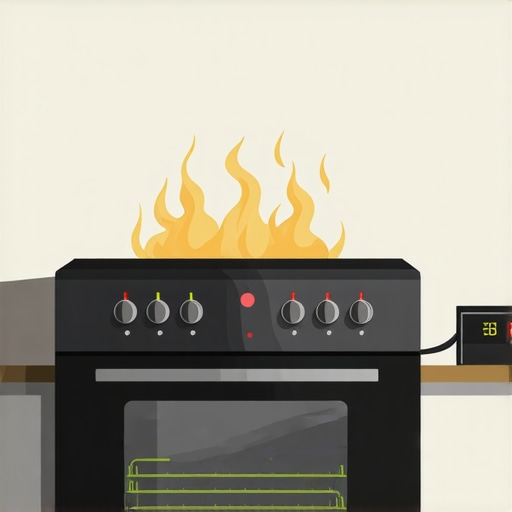
Ever had that sinking feeling when your oven starts acting up, and you realize it might not be just a glitch? A few months ago, my own oven unexpectedly shut down right before hosting a dinner party. It was a nerve-wracking moment, scrambling to find last-minute solutions. That experience was a real eye-opener, making me dig into what signs to look for before an appliance fails completely.
Why Catching the Signs Early Can Save Your Kitchen and Wallet
Falls in the trap of ignoring minor oven quirks? Believe me, I’ve been there. Skipping out on early warning signs can lead to costly repairs or even dangerous electrical issues. I learned that, when my oven started making weird buzzing sounds, it was a sign something was amiss. Ignoring such signals could also pose fire hazards—something nobody wants in their home. According to the Electrical Safety Foundation International, faulty appliances are responsible for hundreds of home fires annually. Recognizing these warning signs early isn’t just about avoiding repairs; it’s about keeping your family safe.
Is Your Oven’s Behavior Just a Quirk or a Crisis Waiting to Happen?
One mistake I made early on was dismissing small irregularities. I thought, “Oh, it’s just aging wiring,” but turns out, that can be a dangerous misjudgment. If your oven is overheating, making unusual noises, or displaying error codes, it’s time to act. Waiting until it completely shorts out means risking electrical fires or total appliance failure. For reliable guidance, check out this expert guide. I’ll walk you through the key warning signs that indicate your oven might be on its last legs—and what to do about them.
In the following sections, I’ll share practical tips to identify these warning signs early, so you can prevent a costly catastrophe and ensure your kitchen stays safe and functional. Ready to become your own appliance watchdog? Let’s dive into those signs you shouldn’t ignore, and how to get ahead of the problem before it gets out of control.
Perform a Visual Inspection of Your Oven
Start by unplugging your oven to ensure safety, then carefully examine the wiring and control panels for visible damage or loose connections. Look for burnt wires, frayed cords, or scorch marks. This step is akin to checking a car’s fluid levels and tire pressure after noticing strange noises—it helps catch problems early. I once spotted a frayed wire in my oven during such an inspection, which was blocking the oven from heating properly. Replacing the damaged wire restored full function without the need for a costly repair.
Test the Heating Elements and Sensors
Use a multimeter to check the continuity of your oven’s heating elements. If there’s no continuity, the element is broken and needs replacement. Similarly, test temperature sensors; if they read infinite resistance or inconsistent values, they’re faulty. Removing and testing these components is straightforward but crucial. In my experience, a simple sensor replacement fixed inconsistent oven temperatures and saved me from calling in a technician. For detailed testing procedures, see this installation guide.
Calibrate or Reset Your Oven Controls
If your oven’s display shows error codes or inconsistent performance, resetting the control board often resolves these issues. To do this, turn off the power supply, wait a few minutes to discharge residual electricity, and then restore power. For more complex issues, like persistent error codes, consulting the trusted repair experts can save you time. I faced a confusing error code once, and a quick reset cleared it, bringing my oven back to normal operation.
Replace Faulty Components and Seal Leaks
Identify any defective parts, such as door seals or thermostats, and replace them promptly. Use manufacturer-approved parts to avoid voiding warranties. When replacing the door gasket, ensure a proper seal to prevent heat loss, similar to ensuring a tight lid on a pressure cooker—that’s vital for proper pressure and safety. I replaced a worn gasket myself, which improved cooking efficiency and reduced energy consumption. Always follow the instructions specific to your model, and consider consulting this same-day repair guide to facilitate quick fixes.
Verify Power Supply and Circuit Breakers
Sometimes, the root cause isn’t the oven but the electrical supply. Check your home’s circuit breakers for tripped switches, especially if your oven isn’t getting power. Reset any tripped breakers and test the outlet with a multimeter or appliance to confirm voltage. Think of this step like checking your home’s main water valve if a leak occurs—it’s fundamental. In my case, a tripped breaker caused my oven’s clock to reset, hinting at a bigger electrical issue that a simple reset fixed temporarily but required further investigation. For detailed troubleshooting, visit this installation resource.
Consult Professionals When Troubles Persist
If after these checks your oven still malfunctions or displays persistent error codes, it’s time to seek expert help. Professional technicians have diagnostic tools and training to identify issues like faulty control boards, burned-out transformers, or defective heating relays—things hard to track with a basic multimeter. Remember, attempting complex repairs without proper knowledge can be dangerous. As I learned from a past experience, calling a trusted same-day service provider helped me avoid electrical shocks and ensured a safe, lasting fix, saving me money and stress. For quick access to reputable technicians, explore this repair service.
Many homeowners operate under misconceptions about appliance repair, installation, warranties, and same-day services, which can lead to costly mistakes. Let’s dig deeper into some widespread myths and reveal the hidden nuances that even experienced DIYers often overlook.
Think All Repairs Are the Same: The Truth About Technician Skill Levels
A common misconception is that any appliance technician can handle every problem equally well. In reality, specialists trained in specific brands or appliance types often provide more reliable solutions. For example, a technician certified in LG refrigerators might diagnose issues faster and more accurately than a general handyman. According to industry experts, selecting an appropriately certified professional increases repair success rates and can even extend your appliance’s lifespan. Don’t assume all repair services are equal; doing a bit of research can save you money and frustration.
The Hidden Cost of Ignoring Small Signs: Bigger Problems Ahead
Many homeowners dismiss minor quirks, thinking they’re inconsequential—such as slight leaks or unusual noises. But in appliance repair, small issues often escalate into major, expensive problems if left unaddressed. For instance, a tiny refrigerant leak might seem minor but can lead to compressor failure if neglected. Recognizing early warning signs often requires a keen eye and understanding of detailed nuances. This is why regular inspections and prompt questions when something seems off are essential. Want to improve your DIY detection skills? Check out this expert guide.
What Really Matters When It Comes to Warranties and Service Coverage?
Many believe warranties fully cover all repairs or installations, but the fine print often reveals exceptions. Extended warranties might exclude certain components or issues caused by user error. Moreover, some warranties only activate if the repair is performed by authorized technicians, emphasizing the importance of choosing reputable service providers. An often-overlooked nuance is that maintainable parts, such as door seals or filters, may need regular replacement to keep warranty coverage valid, as outlined in industry standards. To maximize your warranty benefits, consult with this comprehensive resource.
Why Quick Fixes Can Turn Into Costly Repairs
Opting for the fastest, cheapest repair option often backfires. For example, a quick patch without proper diagnostic testing might temporarily fix a symptom but leave core issues unresolved. This can result in repeat visits and higher cumulative costs. Professional service providers who perform thorough diagnostic assessments not only save money but also prevent safety hazards, especially with electrical appliances. For instance, understanding the nuances of circuit boards and sensors can prevent misdiagnoses that lead to fire risks. Curious about how to evaluate repair quality? Read this guide.
Remember, appliance repair is a nuanced field where superficial fixes often lead to bigger headaches down the line. Recognizing the myth that all repairs are alike and understanding the hidden complexities—like warranty fine print and diagnostic importance—can make a significant difference. Have you ever fallen into this trap? Let me know in the comments.
Why Regular Maintenance Matters for Long-Term Appliance Health
Maintaining your appliances isn’t just about troubleshooting when things go wrong; it’s about proactive care that extends their lifespan and ensures consistent performance. From annual filter replacements to periodic system checks, investing time in routine maintenance can save you a significant amount of money in repairs and energy costs.
Tools I Trust for Effective Appliance Upkeep
Over years of hands-on repair and installation, I’ve narrowed down a set of tools that make maintenance tasks straightforward and reliable. The first is a high-quality multimeter, such as the Fluke 117. It’s invaluable for diagnosing electrical issues, testing continuity, and verifying sensor outputs. I personally prefer the Fluke for its durability and precise readings, which are critical when dealing with complex components. Additionally, a digital infrared thermometer helps me quickly identify temperature inconsistencies in heating elements or motors. Infrared temp guns, like the Klein Tools IR5, give instant readings without contact — saving time and reducing risk.
For cleaning and preventative upkeep, a good vacuum cleaner with narrow attachments is essential. I keep a handheld vacuum with a crevice tool handy to clear dust from vents, filters, and coils regularly. Keeping dust and debris away from sensitive components prevents overheating and mechanical wear. As a professional, I also rely on a set of quality screwdrivers and service wrenches. Having the right size and type reduces the risk of damaging delicate parts, especially when replacing filters or seals.
The Future of Appliance Maintenance Instruments
Looking ahead, I predict that smart diagnostic tools will become the norm. Devices capable of interfacing with appliances via Wi-Fi or Bluetooth can diagnose issues remotely, sometimes even providing troubleshooting steps automatically. Already, some refrigerator models come with integrated apps that monitor performance and flag potential problems before they escalate. Combining these with AI-driven diagnostics could further streamline preventive maintenance, saving time and money.
How do I keep appliances running smoothly over time?
Establishing a regular maintenance schedule tailored to each appliance’s needs is key. This includes cleaning filters, checking connections, and testing critical components with trusted tools like multimeters and infrared thermometers. Staying ahead of issues means not only reacting to warning signs but also performing routine checks that catch minor problems early. For example, testing heating elements with a multimeter periodically can prevent total failures, much like inspecting your car’s fluid levels. To ensure your upkeep routines are thorough, I recommend reviewing detailed guides like this expert resource. Additionally, investing in smart diagnostics, such as connected sensors and apps, will likely become standard practice, making maintenance even more efficient.
Best Practices for Scaling Your Maintenance Efforts
If you own multiple appliances or a larger household, automation and structured schedules become essential. Setting reminders, utilizing condition monitoring devices, and keeping a log of maintenance activities help prevent unexpected failures. When scaling, consider professional tune-ups combined with your routine checks to optimize performance. For complex issues or when in doubt, trusted same-day service providers can assist in keeping all your appliances in prime condition. This proactive approach ensures your investment lasts longer and performs efficiently, reducing long-term costs.
Remember, the proper maintenance tools and routines are the backbone of appliance longevity. Try integrating infrared thermometers into your regular checks or use multimeters for quick diagnostics — these small steps can prevent big headaches. For example, periodically testing heating elements can catch issues before they cause a complete breakdown, saving you time and money. To further enhance your maintenance game, explore detailed procedures and tips in resources like this guide. Are you ready to take your appliance care to the next level? Start with one tool today, like a reliable multimeter, and see how much smoother your appliance maintenance becomes.
Lessons That Changed How I Approach Appliance Maintenance
- One of the most profound realizations was that small irregularities in an appliance are not nuisances but early warning signs. Ignoring them might seem convenient now but can lead to costly heartbreak later.
- Understanding that warranties often have fine print nuances transformed my approach to repairs. Knowing what’s covered and what’s not can save you from surprises when your appliance finally needs help.
- Investing in quality diagnostic tools like a multimeter and infrared thermometer was a game-changer. They empowered me to perform meaningful checks before calling in pros, saving both time and money.
- Quick fixes are tempting, but rushing into repairs without proper diagnostics can cost more in the long run. Proper diagnosis is the foundation for effective, lasting solutions.
- Regular maintenance, such as cleaning coils and replacing filters, keeps appliances running smoothly and prevents small issues from snowballing into disasters.
My Go-To Resources for Confident Appliance Care
- Expert repair guides have been invaluable. They provide step-by-step instructions tailored to specific models, helping me troubleshoot with confidence.
- Trusted service providers listed at this link ensure I get reliable repairs when the DIY approach hits its limit.
- Staying updated with latest warranty info helps me maximize coverage and avoid unexpected expenses during emergencies.
- Additionally, I follow industry blogs and forums to stay ahead of common pitfalls and innovative maintenance tips. Continuous learning is key to appliance longevity.
Embrace a Future of Confident Maintenance
Taking control of your appliance health isn’t just about fixing problems; it’s about nurturing a culture of proactive care. Regular checkups, investing in the right tools, and staying informed create a safety net that protects your household and your wallet. Remember, you don’t have to face appliance issues alone—expert guidance and the right routines turn maintenance from a chore into a rewarding habit. Have you ever caught a small issue early that saved you from a big repair bill? Share your story below and let’s learn together to keep our appliances—and our homes—running smoothly for years to come.