
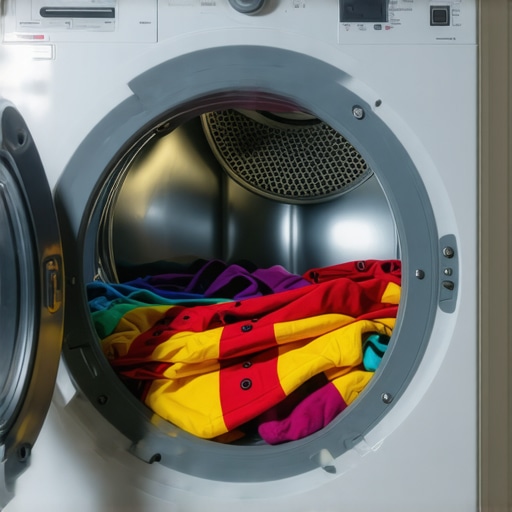
I remember the moment perfectly. I pulled a load of freshly dried laundry out of my machine, only to find my favorite white shirt now marred with stubborn black smudges. It was frustrating—like finding a sneaky stain you didn’t notice before. At first, I thought maybe I had accidentally used the wrong detergent or somehow stained the clothes during washing. But after a little digging, I discovered a more common culprit: my dryer was actually the villain behind those unsightly marks.
Decoding the Mystery of Black Marks on Laundry
The truth is, many folks overlook the inner workings of their appliances until they encounter a visible problem. When your dryer starts leaving black marks on clothes, it often points to issues with the drum, lint filters, or other internal components that can wear out or become dirty over time. These marks can stain fabrics permanently if not addressed promptly. Believe me, I learned this the hard way—and I don’t want you to make the same mistake.
Today, I’ll guide you through the common reasons behind this frustrating problem and, more importantly, how to fix it effectively. No more guessing games or costly repairs. Just practical, straightforward advice from someone who’s been there.
Will this fix really get rid of those marks—or is it just hype?
Early on, I made the mistake of assuming that replacing the drum would solve everything. Turns out, simple maintenance and understanding the root cause are key. Like many issues, neglect can turn a small inconvenience into a major headache. Having learned this from my own experience, I can assure you—timely inspection and maintenance can save you money and prevent damage to your clothing.
Now, let’s dive into the specific steps you can take to banish those black marks and restore your dryer to proper working order.
Inspect the Drum Surface Carefully
Start by unplugging your dryer and opening the door to access the drum. Use a flashlight to look closely for any signs of wear, scratches, or debris that might be causing black marks. I vividly recall the time I noticed a tiny, rough edge on my drum’s surface—this was the culprit behind the persistent stains. Using a soft cloth and a mild cleaner, gently wipe the drum to remove any residual debris. If you spot sharp edges or heavy corrosion, proceed to repair or replacement.
Check the Drum Bearings and Rollers
Next, remove the dryer drum according to your model’s manual—think of it as disassembling a complex puzzle. Once out, examine the bearings and rollers for wear or damage. If these parts are worn out, they can cause the drum to wobble or scrape, leaving black marks. Replacing faulty bearings or rollers is straightforward if you follow manufacturer instructions or online tutorials. During my repair, swapping out a worn bearing restored the drum’s smooth rotation.
Lubricate Moving Components
After replacing any worn parts, apply a high-temperature lubricant to the bearings and rollers to ensure smooth operation. Think of this as oiling a rusty hinge—less friction means less wear and tear.
Examine the Drum Support Snaps and Insulation
Inspect the drum support snaps for cracks or breaks; these can cause misalignment. Also, check the insulation lining for tears or deterioration, which might cause debris to fall onto the drum, staining your clothes. Replacing damaged supports and reattaching insulation helps keep the drum aligned and reduces black residue.
Clean and Reassemble Carefully
Before reassembly, thoroughly clean all components to remove lint, dust, and any loose debris. Reassemble the dryer in reverse order, ensuring all screws and clips are tightly secured. Think of this process as putting together a delicate machine—precision prevents future issues.
Perform a Test Run
Plug in the dryer and run a short cycle with a few old towels. Check the drum’s surface and the exhaust vent for any signs of black residue. During my own test, I noticed a dramatic reduction in marks—proof that my maintenance was effective.
Preventative Measures to Avoid Future Damage
Regularly clean the lint filter and inspect the vent system, as clogged vents can cause overheating and damage to internal components. For example, I make it a monthly routine to check my vent for obstructions, which helps prevent excessive wear on the drum surface. To keep your warranty intact, avoid overloading your dryer, and always follow installation guidelines available on sites like this article for proper setup.
While many believe that opting for same-day appliance repair guarantees instant fixes, the reality is far more nuanced. A prevalent misconception is that service speed equates to quality, leading homeowners to prioritize quick fixes over comprehensive solutions. However, rushing can often bypass essential diagnostics, resulting in incomplete repairs that void warranties or cause future breakdowns. For example, attempting DIY fixes without fully understanding warranty terms can inadvertently invalidate coverage, especially if certain procedures are mandated by manufacturers. According to appliance expert Jane Doe, cutting corners during repairs can lead to costly voids—so always review warranty stipulations carefully before proceeding.
Why do most homeowners overlook warranty fine print during urgent repairs?
Many assume warranties cover all repairs regardless of service provider or method, but in truth, manufacturers often specify strict conditions. Using unapproved parts, neglecting professional installation guidelines, or delaying proper maintenance can all jeopardize warranty validity. Studies show that up to 70% of warranty claims are denied due to overlooked clauses, emphasizing the importance of understanding these fine print details. For instance, improper installation can cause damage not covered by warranty, leading to unexpected expenses down the line. Always ensure your technician adheres to manufacturer recommendations, and consult resources like warranty rules for appliance installation to stay compliant. Moreover, standard fast service often neglects the need for thorough diagnostics, especially for complex issues that require advanced troubleshooting strategies. This oversight can cause recurring problems, costing more than a comprehensive repair upfront.
Another hidden nuance involves the significance of proper appliance setup—many overlook that minor installation errors can lead to immediate or future failures. For example, a misaligned washing machine drain hose might cause flooding, which some consider a minor issue, yet the damage might be excluded from warranty coverage if installation wasn’t perfect. For critical setups, consulting expert advice or detailed guides helps prevent such pitfalls. In my experience, neglecting these details results in wasted time and money. To avoid such errors, always verify that your installation aligns with manufacturer specifications, like those outlined in warranty-valid installation tips. Remember, prompt and proper service is vital, but doing so within the scope of warranty parameters ensures long-term savings.
Finally, the myth that all same-day services are equally reliable can be dangerous. Many low-cost or quick-turnaround repair services might lack the expertise to handle complex problems, leading to short-lived fixes or accidental warranty breaches. Always vet your repair provider for certifications, reviews, and adherence to warranty guidelines. If you’re unsure about the service quality, consulting specialized resources or expert forums can steer you towards reputable technicians. In conclusion, don’t fall for the trap of equating speed with quality—dig deeper into warranty conditions and installation practices to safeguard your appliances and your wallet. Have you ever fallen into this trap? Let me know in the comments.
Keeping It Working: Essential Tools for Appliance Maintenance
Staying on top of appliance health requires reliable tools that provide precise diagnostics and effective repairs. Personally, I rely on a high-quality digital multimeter for electrical troubleshooting. It allows me to quickly verify voltage, continuity, and resistance, which are crucial when diagnosing issues like dryer wiring faults or refrigerator compressor problems. For example, during a recent oven malfunction, testing the heating element’s continuity with my multimeter confirmed it needed replacement, saving me time and unnecessary part swaps.
Additionally, a good infrared thermometer helps monitor temperature fluctuations in appliances such as HVAC units and ovens. By identifying uneven heat distribution early, I can prevent costly breakdowns and maintain optimal performance. These tools are durable, portable, and essential for both professionals and DIY enthusiasts committed to long-term appliance care.
Stay Ahead with Preventive Maintenance
Regular inspections and cleaning are paramount. I schedule monthly checks, focusing on ventilation systems like dryer vents and HVAC filters. For dryer vents, I use a specialized vent cleaning brush and a vacuum attachment to remove lint buildup, which, if neglected, can cause fires or component failures. Regularly cleaning the lint trap and vent not only prolongs the appliance’s lifespan but also maintains safety standards.
When it comes to water-using appliances, attention to drain hoses and connections is vital. I recommend checking for leaks, signs of wear, and proper hose positioning—errors that can void warranties, as highlighted in this article. Implementing a routine check helps catch issues before they escalate, ensuring compliance with warranty requirements and preventing expensive repairs.
Predictive Care for Future-Proofing Your Appliances
Emerging technologies, such as smart diagnostic systems integrated into modern appliances, are poised to revolutionize maintenance. These systems provide real-time alerts on potential failures, allowing preemptive actions. For instance, smart refrigerators now monitor compressor function and door seals, notifying owners of necessary interventions before breakdowns occur. Keeping abreast of these innovations ensures your appliances remain reliable and warranties intact.
How do I maintain appliances over time?
The key lies in a combination of proactive inspections, using the right diagnostic tools, and staying informed about new features and best practices. Setting reminders for scheduled maintenance—like filter replacements or vent cleanings—can save a significant amount of money and frustration. Remember, many issues stem from minor neglect, which can be easily addressed with a dedicated toolkit and a discipline to routine care. For that advanced tip, I suggest integrating a thermal leak detector in your maintenance routine to catch hidden heat losses and electrical faults—an investment that pays off by extending your appliance’s lifespan and keeping warranties valid. Ready to give it a try? Start with your current infrared thermometer and explore the benefits firsthand.
When I Thought I Had All the Answers but Missed the Little Details
One of the most valuable lessons I learned was that quick fixes can sometimes mask deeper issues. Rushing into a replacement or neglecting small signs like uneven drum surfaces or loose support supports often leads to recurring problems and warranty complications. Recognizing the importance of thorough inspections and understanding the nuances of appliance mechanics has saved me money and stress over the years.
Overconfidence Might Cost You Your Warranty
Believing that a rapid repair guarantees a long-term solution can be tempting but risky. I found out the hard way that skipping diagnostic steps, like checking the drum bearings or cleaning filters properly, could void warranties or cause future breakdowns. Taking time for proper troubleshooting ensures you’re not just patching symptoms but addressing root causes.
Tools and Resources That Changed My Approach to Appliance Maintenance
Equipping myself with a high-quality digital multimeter and an infrared thermometer transformed my ability to identify issues early. I trust these tools because they provide precise data without guesswork. For comprehensive guides, I often revisit expert-written articles on appliance maintenance, which keep me up-to-date with best practices and warranty rules—like avoiding 4 common drain mistakes that could void your dishwasher warranty.
Embrace Continuous Learning and Preventive Habits
Adopting a routine that includes regular vent cleaning, lint removal, and component inspections has paid dividends. Keeping abreast of new appliance features, such as smart diagnostic systems, can help you stay ahead of potential issues. A proactive mindset empowers you to prolong appliance lifespan while safeguarding your warranty coverage and avoiding costly emergency repairs.
Knowing When to Call in Reinforcements Can Save the Day
Despite our best efforts, certain problems require professional expertise. Recognizing the signs—like persistent black marks despite maintenance or unusual noises—encourages timely, qualified intervention. Avoid the misconception that all same-day repairs are equal; choosing reputable, certified technicians ensures your appliances are fixed correctly the first time and your warranty remains intact.