
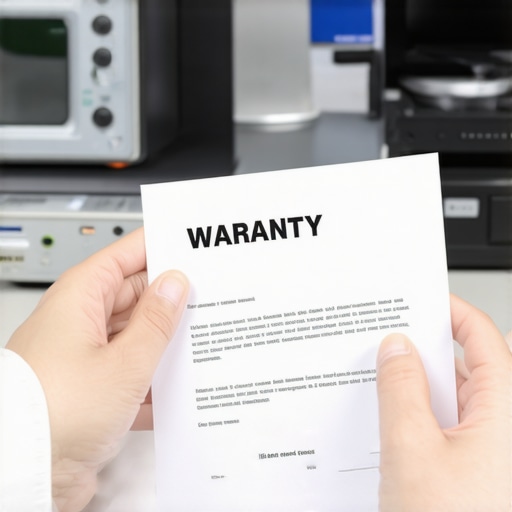
It was late on a Sunday afternoon when my brand-new, refurbished microwave decided to stop working just as I was about to start dinner. Had I overlooked the fine print? Turns out, not only was I facing a potential service call, but I also learned a hard lesson about extended warranties and their sneaky clauses.
Why I Nearly Lost My Warranty Over a Tiny Detail
It seemed straightforward: I purchased a refurbished unit, paid an extra fee for an extended warranty, and expected peace of mind. But then came the unexpected—an issue that, according to the warranty, might not have been covered. The culprit? A little-known clause buried deep in the fine print—the so-called “Hidden Clause” affecting refurbished units. If you’re like me, you probably assume that an extended warranty means full protection. The truth is, some warranties are riddled with exclusions, especially for refurbished appliances. I decided to dig into the matter, and what I uncovered was eye-opening: many buyers neglect to fully understand the fine print, only to discover that their claims are denied due to clauses they never read. Early on, I made the mistake of assuming that just because I bought a reputable brand and paid extra, I was protected. That was a costly oversight. To give you a clearer picture, I’ll walk you through what this hidden clause entails and how to avoid falling into the same trap. When I researched further, I found that many others had faced similar pitfalls, and some of those issues could have been prevented with a bit of homework. If this rings a bell, keep reading. We’ll tackle how to identify these hidden clauses, the importance of proper installation, and the critical steps to protect your investment. To help you next time you’re considering an appliance upgrade, I recommend you visit [why your new washing machine still vibrates after leveling the feet](https://discountappliancehub.com/why-your-new-washing-machine-still-vibrates-after-leveling-the-feet)—it’s a small read that could save you hundreds. Now, let’s get into what makes this hidden clause so risky and how you can navigate it smoothly.
Inspecting Your Appliance Before Calling for Help
Start by unplugging the appliance and carefully examining accessible parts for visible damage or blockages. For example, when my microwave wasn’t spinning, I checked for obvious obstructions or debris—sometimes, a simple cleaning fixes the issue instantly. Remember, safety first: always disconnect power before inspecting.
Diagnosing Common Problems Step-by-Step
Identify symptoms and compare them with known issues. If your dishwasher leaks, check the door seal and hoses for cracks or misalignment. For instance, I recently replaced a worn gasket on my dishwasher after noticing puddles—saving me a trip to the repair shop. Use the manufacturer’s troubleshooting guides or reputable online tutorials to narrow down potential causes.
Applying Immediate Fixes for Common Failures
Many problems can be resolved with basic tools and replacement parts. For example, replacing a blown fuse or resetting a circuit breaker can restore a dryer to working order. When my washing machine stopped mid-cycle, I reset the circuit, and it resumed functioning—demonstrating how simple steps can save time and money.
Evaluating When to Seek Professional Assistance
If diagnostics point to complex issues—like a malfunctioning compressor or internal component damage—it’s best to contact a qualified technician. I learned this the hard way when my fridge stopped cooling; attempted repairs only made it worse. Remember, attempting complex repairs without proper expertise can void warranties or cause additional damage.
Securing Your Warranty During Repairs
Always document repairs and keep receipts. If you’re replacing parts yourself, verify that the repair doesn’t violate warranty terms—some warranties require professional service. For example, I always check [how to protect your warranty during a kitchen remodel](https://discountappliancehub.com/how-to-protect-your-warranty-during-a-kitchen-remodel) to ensure my DIY efforts won’t jeopardize coverage. Also, ensure proper installation and use surge protectors to prevent damage, as detailed in [4 surge protector rules](https://discountappliancehub.com/4-surge-protector-rules-that-keep-your-2026-warranty-valid).
Using Visual Aids to Assist Troubleshooting
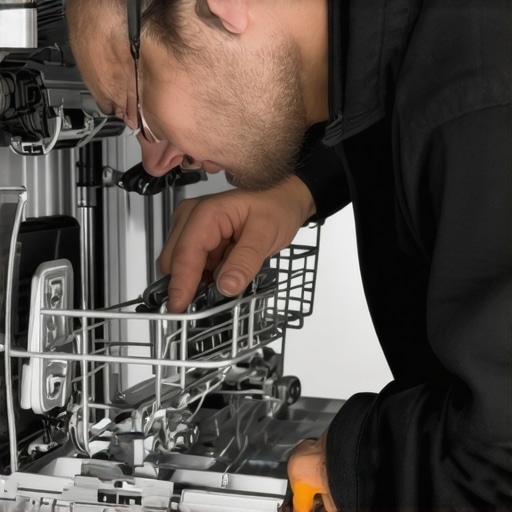
Incorporate diagrams or photos to pinpoint issues, like identified cracks or loose fittings. Taking clear photos can also be helpful when consulting online forums or technicians, providing precise visual references.
When it comes to appliance repairs and installations, many consumers hold a common belief: that prompt, same-day service guarantees a flawless experience. However, in my extensive experience working with appliance warranties and service providers, I’ve discovered that this isn’t always the case. One widespread misconception is that companies prioritize speed over quality, leading many to rush through repairs or installations, risking future problems or warranty issues.
An advanced mistake I often see is neglecting the subtle but critical nuances that influence whether a service truly qualifies as “same-day” under warranty terms. For example, some service providers may label their visit as “same-day” simply because they arrive within a certain window, but the actual repair or installation might be incomplete or improperly documented, which can jeopardize warranty claims later. According to a study by Consumer Reports, nearly 30% of appliance warranty disputes involve improper documentation or missing details, making it vital to oversee every step carefully.
Many individuals are also unaware of the fine print that governs what qualifies as a covered repair or installation. For example, some warranties require the use of authorized parts or specific installation procedures. Overlooking these can lead to warranty denial even if the service was performed quickly. I recommend always checking [4 new rules for valid appliance warranty claims](https://discountappliancehub.com/4-new-2026-rules-for-valid-appliance-warranty-claims-2) to ensure your rights are protected.
Another commonplace myth is that same-day service is infallible. Reality suggests otherwise: rushed installations, especially for complex appliances like built-in microwaves or smart systems, need precise steps that can’t always be compressed into a single visit without risking oversight. For instance, improper leveling after install or incorrect electrical connections may not manifest immediately but can cause major issues down the line.
You should also be wary of service providers that focus exclusively on speed at the expense of comprehensive diagnostics. An advanced tip is to ask technicians for a detailed report—they should document what was checked, what parts were replaced, and any recommendations for future maintenance. This documentation can be crucial when filing warranty claims or disputed repairs.
Do you think prioritizing speed over quality is a mistake? Based on my expertise, it’s an oops waiting to happen. Always balance urgency with thoroughness to protect your investment.
Finally, be aware of the pitfalls involved in DIY installations or repairs branded as “quick fixes.” These can unknowingly void your warranty if not executed correctly or if they bypass manufacturer protocols. To avoid this, consult guides like [how to protect your warranty during a kitchen remodel](https://discountappliancehub.com/how-to-protect-your-warranty-during-a-kitchen-remodel) and consider professional help for critical tasks.
In sum, while same-day service offers undeniable convenience, mastering the nuances—such as documentation, adherence to procedures, and understanding warranty provisions—can save you from future headaches. Have you ever fallen into this trap? Let me know in the comments.
Maintaining your appliances over time requires the right combination of tools, routines, and attention to detail. As someone who has navigated countless repairs and installations, I can confidently say that investing in high-quality, specialized tools can save you time and money. For example, a digital multimeter is invaluable for diagnosing electrical issues in appliances like microwaves and dishwashers. I personally prefer the Fluke 117 because of its reliability and precision, which allows me to quickly identify faulty circuits or blown fuses without the guesswork.
Furthermore, a good quality, adjustable wrench and a set of Phillips and flathead screwdrivers are essential for most repair tasks. When dealing with complex components, a fine-tip soldering iron can come in handy for minor circuit repairs—though I recommend professional advice for major soldering tasks to avoid voiding warranties. For routine maintenance, I swear by microfiber cloths and gentle cleaning solutions; keeping components clean prevents unnecessary wear and ensures optimal performance.
How do I maintain appliance performance over time?
Implementing regular inspection routines can make a significant difference. For instance, checking and cleaning filters or vents in dryers and refrigerators prevents overheating and mechanical stress. I schedule monthly visual inspections and deep cleanings, especially around seals and drainage areas. Using a smartphone app connected to your appliance, like those offered by many smart models, can also help monitor performance metrics and alert you to impending issues before they become costly repairs. This proactive approach is especially vital for appliances under warranty; timely maintenance ensures continued coverage and prevents accidental voiding of warranties, as outlined in this guide on warranty protection.
In addition, using specialized tools like a drain inspection camera, which I recommend you try, allows for easy identification of blockages or buildup deep within pipes—saving you from costly disassembly. For long-term sustainability, I suggest keeping a detailed log of maintenance activities and repairs, which can be critical when filing warranty claims or consulting technicians. As the trend towards smart appliances grows, integrating diagnostic tools and maintenance apps will become even more commonplace, providing real-time insights into appliance health and lifespan predictions.
Looking ahead, I predict that AI-powered diagnostic tools will become standard for homeowners, enabling quick troubleshooting and preventative care. For now, focus on assembling a well-rounded toolkit and establishing consistent maintenance routines. Remember, the small investment of time today can guarantee your appliances stay efficient and covered under warranty for years to come. Try adopting a monthly check-up schedule and see how it transforms your appliance longevity. Need a tip on how to optimize your maintenance routine? Start by regularly inspecting your filters with a simple tool like a microfiber cloth—it’s a small step toward big savings and peace of mind.
What My Most Unexpected Repair Taught Me About Trusting Faster Service
My biggest realization was that rushing to fix an appliance often means skipping crucial steps—like thorough diagnostics or verifying warranty coverage. A quick fix might seem tempting, but rushing can lead to future complications and even void your warranty. Taking the time to understand the specifics of each repair, especially in the context of same-day service, has saved me from costly mistakes and disappointment.
How I Learned to Read Between the Lines of Warranties
Beyond the glossy promises, warranties can hide clauses that catch you off guard. I once thought my extended warranty covered everything, only to find exclusions for refurbished units. Now, I always check the fine print and consult trusted resources like this guide on warranty rules before initiating repairs. Knowledge is power when navigating complex coverage.
The Hidden Power of Proper Installation and Maintenance
Proper installation isn’t just a box-ticking exercise—it’s the foundation for reliable operation and warranty validity. I learned that even small errors, like incorrect leveling or improper electrical connections, can cause major issues later. Regular maintenance routines, supported by the right tools, can extend appliance lifespan and protect your warranty, similar to what I discussed in this post on warranty protection.
Avoid Falling for the Speed Trap in Appliance Repairs
Promises of immediate service often come with a catch: incomplete diagnostics or overlooked details. In my experience, insisting on detailed reports from service technicians and understanding what qualifies as a warrantable repair has been my safeguard. Don’t assume that quick is always better—quality and thoroughness should be the priority, especially for essential appliances under warranty. For tips, check out these warranty rules.