
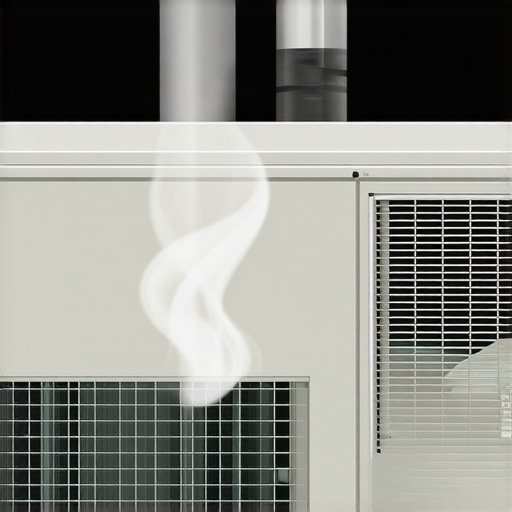
It was a scorching summer afternoon when I first noticed that unsettling hissing noise coming from my central air conditioning unit. At first, I thought it was just wind slipping through a loose vent or maybe a minor refrigerant leak I could ignore. But that persistent, high-pitched hiss persisted, growing louder each day. It was then I realized: this wasn’t just background noise; it was a red flag.
How a Simple Hiss Can Signal Big Trouble in Your AC
If your AC is making a hissing sound, you’re likely wondering whether it’s normal or a sign that something’s seriously wrong. The truth is, that tiny sound can be an early warning of issues like refrigerant leaks, a malfunctioning component, or even duct pressure problems. Ignoring it can lead to decreased cooling efficiency, higher energy bills, and eventually costly repairs.
What surprised me early on was how easily I dismissed the noise, thinking it would go away on its own. That was a mistake. I learned that a small hissing could indicate a refrigerant leak, which might sound minor but can cause your system to work harder and eventually fail. According to HVAC experts, refrigerant leaks not only diminish cooling performance but also harm the environment—so catching them early is crucial.
Are you facing a similar problem? Or maybe you’ve noticed other strange sounds from your AC? Trust me, recognizing the significance of that hissing now can save you money and stress later. Want to make sure your system stays reliable? It’s a good idea to stay ahead with regular maintenance or even consider [scheduling your repair for same-day service](https://discountappliancehub.com/scheduling-your-appliance-repair-for-same-day-service-in-2025). An early professional inspection can catch issues before they escalate.
In the next sections, I’ll share practical tips and expert insights to help you identify the cause of that hissing sound and find the best solution—whether it’s a simple fix or time to call in the pros. Because when it comes to your comfort and budget, awareness and quick action make all the difference.
Pinpoint the Source of the Hiss
Start by inspecting your AC unit closely. Turn off the power supply to avoid damage or injury. Listen carefully to identify where the hissing originates—near the refrigerant lines, compressor, or vents. During a trip to my friend’s house, I noticed the hiss was coming from the outdoor condenser, indicating a potential refrigerant leak. Recognizing this early helped me avoid a bigger system failure.
Check for Visible Leaks or Damage
Look for oil stains or refrigerant residue on the lines or around the unit, which are signs of leaks. If you find any, note them for your repair technician. I once saw a light oil sheen on the refrigerant line, prompting me to call a professional immediately and avoid the risk of complete system breakdown.
Decide if Immediate Professional Help is Necessary
Assess the severity of the leak or noise. If the hissing is loud, persistent, or accompanied by reduced cooling performance, it’s time to contact experts for same-day repair services. In my experience, delaying professional intervention turned a minor leak into a costly system replacement. Fast action is crucial to protect your system and prevent environmental harm.
Gather Essential Details Before Calling
Note down symptoms, the noise pattern, and any visible damage. Providing detailed information helps technicians prepare for an accurate diagnosis and quicker service. When I called my local HVAC specialist, their prompt questions allowed them to bring the right tools, ensuring a swift resolution on their visit.
Understand the Repair Process and Your Warranty
Ask the technician about the repair procedure, potential parts needed, and warranty coverage. Knowing whether your system has warranty support can save money and time. For instance, consulting a professional told me that my existing warranty covered refrigerant recharging, which reduced my out-of-pocket expense, thanks to warranty-backed services.
Confirm Same-Day Service and Guarantees
Ensure the technician can arrive the same day. Many companies offer quick response windows, especially when dealing with essential home systems. I once scheduled an appointment through a provider offering affordable same-day service, which minimized system downtime and restored comfort quickly.
Post-Repair Tips to Prevent Future Issues
Maintain your AC regularly—clean filters, check for leaks, and schedule professional inspections seasonally. I set up a reminder for annual maintenance, which included a thorough refrigerant check, preventing recurring hissing sounds. Proper upkeep extends your system’s life and ensures reliable operation, especially when paired with an extended warranty or service plan.
Learn From Experience
When I saw that persistent hissing, swift diagnosis and professional help saved me from a major breakdown. This approach minimizes costs and keeps your environment comfortable. For those eager to understand more about appliance maintenance or to prepare for emergencies, exploring resources like how to maximize your warranty during repairs can be invaluable.
While many homeowners assume that quick fixes and standard warranties are straightforward solutions, the reality is far more nuanced. **Most people believe** that opting for same-day service guarantees immediate and comprehensive repairs—but this isn’t always the case. Sometimes, the urgency can overshadow the details, leading to overlooked nuances that impact long-term satisfaction. **A common myth** is that warranties cover every repair, yet many plans exclude labor costs or specific parts, catching unprepared homeowners off guard. Rather than trusting a one-size-fits-all promise, it pays to **understand the fine print** and verify coverage details, as emphasized in expert reviews.
**Beware of the trap** where homeowners rely solely on the technician’s word during emergency visits. While quick responses are appealing, some technicians may prioritize rapid resolution over thorough diagnostics, risking future breakdowns. For example, rushing through an installation without checking calibration can reduce appliance efficiency and lifespan. To **avoid this**, always ask for a detailed assessment and documentation—even during urgent repairs.
How can I make sure my warranty or service plan genuinely protects me in the long run?
The key lies in proactively reviewing your warranty’s terms, especially exclusions related to parts, labor, or specific scenarios like natural disasters. Studies show that only about 30% of homeowners thoroughly read their warranty agreements, increasing the likelihood of surprises when service is needed. Protect yourself by staying informed and maintaining records of all service visits. For instance, scheduling your repair through trusted providers that offer comprehensive coverage and transparent billing, such as [same-day repair services](https://discountappliancehub.com/same-day-appliance-repair-quick-solutions-with-warranty-support), can help ensure you’re not caught unprepared.
**The real nuance** involves understanding the difference between manufacturer warranties and extended service contracts. Manufacturer warranties often cover parts but exclude labor or cosmetic damages, while third-party plans might bundle additional protections. Recognizing this distinction can save you from paying out of pocket unexpectedly. Additionally, verifying whether the technician is licensed and employs genuine parts—something often overlooked—can make a significant difference in repair quality.
In conclusion, **let’s dig deeper** into the assumptions many hold about appliance repairs and warranties. Don’t fall into the trap of complacency—ask the tough questions, read the fine print, and choose providers that prioritize transparency and thoroughness. Making informed decisions not only saves money but also extends your appliances’ life. Have you ever fallen into this trap? Let me know in the comments.Maintaining your home appliances efficiently requires the right tools and methods that are both reliable and easy to use. One essential device I personally rely on is a digital multimeter. It allows me to quickly check electrical connections and diagnose faults, saving time and preventing unnecessary replacements. I prefer models with auto-range features and True RMS capabilities, such as the Fluke 115, because they provide accurate readings even on complex circuits, ensuring I don’t miss critical issues.
Additionally, I use a high-quality infrared thermal camera, like those offered by Seek Thermal, to identify hidden problems such as overheating components or insulation failures. This tool has become invaluable for early detection, especially in HVAC systems, where hot spots can precede failure. Investing in such diagnostic equipment might seem costly upfront, but it pays for itself by avoiding major breakdowns.
For software, I recommend using maintenance tracking apps, like UpKeep or Fiix, to schedule regular inspections and keep a detailed log of repairs. These apps send reminders when maintenance is due, helping me stay proactive rather than reactive. Regularly reviewing these logs makes it easier to identify patterns or recurring issues, facilitating better long-term planning.
Looking ahead, I believe the trend toward smart diagnostic tools will continue, with IoT-enabled sensors providing real-time data to homeowners and technicians alike. This will enable even quicker responses and more precise maintenance, reducing downtime. Companies are already exploring AI-driven predictive analytics to forecast failures before they happen, which could transform appliance care.
So, how do I keep my appliances in top shape over time? The key is consistent, informed maintenance. Start by integrating tools like a multimeter and thermal camera into your routine inspections. These devices help uncover hidden issues that simple visual checks might miss. Pair this with a digital maintenance schedule—trust me, this combo will enhance your ability to catch problems early.
For example, if you notice your refrigerator’s compressor running hotter than usual, use your thermal camera to verify the temperature. If it’s abnormally high, scheduling a professional repair promptly can prevent costly replacements. Remember, regular diagnostics combined with scheduled servicing greatly extend the lifespan of your appliances.
Want to get more hands-on? Try mastering the use of your multimeter for checking circuit continuity and voltage levels. It’s surprisingly straightforward with online tutorials and can save you hundreds by avoiding unnecessary callouts. As technology advances, having these diagnostic skills will become even more essential for maintaining appliances efficiently over the long haul. Don’t wait for a breakdown—start using these tools today and keep your appliances working smoothly for years to come!Having navigated the maze of appliance repairs myself, I’ve realized that the real secrets lie beyond the obvious. The most valuable lessons come from those small, often overlooked details—like understanding the nuances of warranty coverage or recognizing the true value of a technician who prioritizes diagnosis over speed. These insights can save you not just money, but also endless frustration, especially when dealing with critical home systems.
What No One Tells You About the Fine Print in Warranties
- Most homeowners skip reading the detailed terms of their appliance warranties, only to find out later that certain repairs or parts are not covered. My lightbulb moment occurred when I learned about specific exclusions related to labor costs, which increased my costs unexpectedly. The lesson? Always review and understand your warranty’s fine print to avoid surprises during urgent repairs.
- Understanding the difference between manufacturer warranties and extended service plans is crucial. I used to believe all warranties were equal, but discovering that third-party plans often include additional protections helped me choose better coverage, especially for appliances under heavier use.
Tools and Resources That Transformed My Repair Approach
- A quality digital multimeter became my best friend—being able to diagnose electrical issues myself saved time and money. I recommend the Fluke 115 for its reliability and ease of use, especially for those new to DIY diagnostics.
- An infrared thermal camera revealed hidden overheating issues that no visual inspection could catch. Seek Thermal’s models are user-friendly and a game-changer for early detection of appliance faults.
- Maintenance management apps like UpKeep help organize regular checkups and record recurring issues, making professional consultations more informed and efficient. Staying proactive with these tools enhances the longevity and reliability of your appliances.
Seize the Moment: Empower Your Appliance Maintenance
The future of appliance care is leaning heavily into smart diagnostics and predictive analytics, which will make early intervention even easier. But until then, the best approach is informed vigilance—that is, knowing what normal sounds and behaviors are, and acting swiftly when anomalies like hissing appear. Investing in your knowledge and tools today means fewer breakdowns and better peace of mind tomorrow.
Remember, your appliances and warranties are more than just tangible assets—they’re part of your home’s ecosystem. Supporting them intelligently ensures they serve you reliably for years to come.
Have you ever been caught off guard by hidden warranty exclusions or struggled with diagnosing an appliance issue? Share your stories below—I’d love to hear how you turned those moments into lessons learnt!