
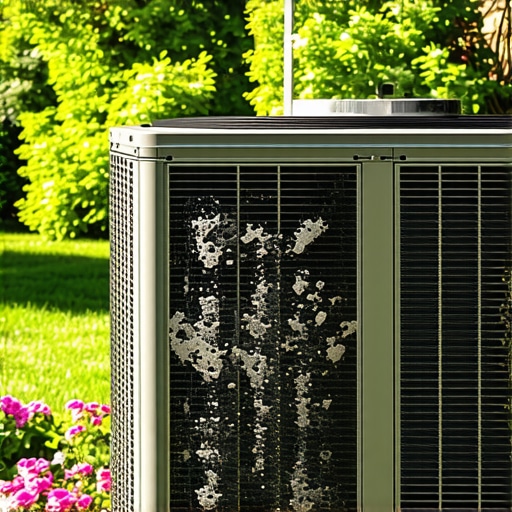
One scorching summer day, I was sweating in my living room when I suddenly heard that unsettling cracking sound from the vent. Turns out, my AC was frozen solid—mid-heatwave! That moment was a real eye-opener for me. How could something designed to cool my home end up freezing over like a popsicle in July? It was frustrating, confusing, and made me realize I wasn’t alone. Since then, I’ve become quite the expert on why AC units do this bizarre thing, and I want to share what I’ve learned so you can avoid the headache I had.
Understanding Why Your AC Freezes in the Summer
Here’s the thing—MY stubborn AC decided to turn into an ice sculpture at the worst possible time. It’s a common problem that many homeowners face, especially during those hot months when we rely on our units the most. But why does this happen? It’s not because your AC suddenly developed a cold heart, but because of a combination of factors that disrupt the normal airflow or refrigerant levels. A frozen AC reduces its cooling capacity and can lead to costly repairs if ignored. The worst part? Many people, myself included early on, tend to ignore the early signs, leading to bigger issues.
According to industry experts, inadequate airflow is a leading cause of frozen coils. When your system’s air filters are dirty or blocked, or when the fan isn’t working properly, it’s like putting a hat on a racehorse—it just can’t perform optimally. Similarly, low refrigerant levels can cause the coil to freeze because the pressure imbalance makes the coolant too cold, creating ice instead of cool air. And believe it or not, even a sluggish fan motor can set the stage for ice formation. I made the mistake early on of neglecting routine maintenance, which only worsened the problem. If you want to keep your cool this summer and avoid the frustration, understanding these causes is the first step.
Are you tired of your AC stubbornly freezing over during the hottest days? If so, you’re not alone. Many homeowners face this dilemma, and the good news is that most issues are fixable with some simple checks and care. In the upcoming sections, I’ll guide you through the practical steps to diagnose and resolve the common reasons behind a freezing air conditioner—so you can stay cool and worry-free all summer long.
Is It Really Worth Fixing? The Fear of Wasting Money
Now, I get it—sometimes it feels easier just to call a repair service and hope for the best. But early on, I made the mistake of delaying maintenance, thinking I could handle it myself or that the problem would go away. Trust me, ignoring signs like ice formation only leads to bigger, more expensive repairs later on. Prioritizing regular maintenance and quick troubleshooting can save you money and prevent a total system breakdown. To keep your AC in tip-top shape, check out how to properly clean your unit’s filters and coils—these simple steps can make all the difference. Curious about other common mistakes homeowners make? You might find this article on dryer tips helpful, too. Stay tuned, because I’ll be walking you through exactly how to prevent your AC from turning into an ice block, and keep the summer months comfortable for you and your family.
Start with a Proper Inspection of Your AC
First, turn off your AC to avoid causing more damage. Check the air filters; if they’re covered in dust and debris, replace or clean them immediately. Dirty filters restrict airflow, causing the coils to freeze. Remember, a manageable DIY step is cleaning the filters regularly to keep airflow unblocked. I once ignored a clogged filter, and the next day, my unit was completely frozen—an easy fix, but a costly oversight.
Clear Blockages and Enhance Airflow
Ensure nothing is blocking the vents or registers. Use a vacuum or brush to remove dust from vents that might be hiding debris. When airflow is unimpeded, warm air circulates properly, preventing the coils from freezing. I once found a pile of pet hair clogging a vent after a quick inspection, which I cleaned in minutes, restoring normal function.
Check Refrigerant Levels and Look for Leaks
If filter cleaning doesn’t resolve the issue, low refrigerant might be to blame. Unlike simple filter cleaning, checking refrigerant requires a professional, but you can look for signs of leaks such as oily spots on refrigerant lines. Low refrigerant causes pressure imbalances, making coils freeze. Remember, refrigerant recharge is a delicate process—seek a licensed technician for this step to avoid voiding warranties.
Inspect and Test the Fan Motor
A sluggish or faulty fan motor can cause insufficient air circulation, leading to freezing coils. Turn on your system and observe the fan; it should spin smoothly and consistently. If it’s slow or making unusual noises, it probably needs replacement. I once replaced my fan motor myself after watching a detailed tutorial—saving money and ensuring I knew exactly what was happening in my unit.
Confirm Proper Installation and Maintenance
Incorrect installation or improper maintenance can lead to recurring freezing issues. Make sure your AC’s cooling and airflow components are properly installed, including the correct gap between your range and the back wall, or it might affect performance. Routine maintenance includes professional inspections—generally recommended once a year—to catch any emerging problems early. I schedule a yearly checkup, and it has kept my system running smoothly, avoiding costly repairs.
Prevent Future Freezes with Routine Care
Regularly cleaning filters, removing debris from vents, and scheduling professional checkups are key. Also, consider installing a drain line trap cleaner to prevent water backups, which can cause coils to freeze. For example, I added a reminder to my calendar for annual maintenance, which has significantly reduced my chances of facing an unexpected freeze. Remember, quick action at the first sign of icing can save you from major headaches later. Stay proactive and keep your AC running efficiently all summer long.When homeowners seek quick fixes for appliance issues, many fall prey to misconceptions that can cost them time and money. A common belief is that same-day service guarantees a thorough repair, but in reality, rush jobs often compromise quality, leading to recurring problems. Experts warn that prioritizing speed over proper diagnosis can mask underlying issues and void warranties if proper procedures aren’t followed (see here).
One nuanced point often overlooked is that warranties frequently require documented maintenance to remain valid. Homeowners might assume that a warranty covers any repair performed by authorized technicians, but neglecting the fine print can result in denied claims if service protocols weren’t strictly adhered to. For example, installing appliances incorrectly can void warranties altogether, even if the issue appears routine. Make sure to understand these nuances before scheduling any service.
Moreover, many believe that appliance installation is straightforward—simply plopping in a new unit. However, improper installation can lead to inefficiencies and damage. For instance, an ill-fitted dishwasher or misaligned range can cause leaks or trigger safety features, which often get mistaken for hardware failure and lead to unnecessary replacements. The correct installation process, including proper leveling and securing, is crucial (read more), and professional installers are recommended to avoid these pitfalls.
Now, let’s address a question that many advanced homeowners might ask: “How can I ensure that my warranty remains valid when using third-party repair services?” The key lies in verifying whether the service provider follows manufacturer guidelines and uses genuine parts. Cutting corners by opting for cheap, aftermarket components or neglecting proper documentation can void your warranty, even if the repair seems successful. According to industry standards, maintaining detailed records of all repairs and parts used can safeguard your warranty rights (see here).
Being aware of these nuanced aspects ensures you don’t fall into common traps that homeowners often overlook. Remember, not all quick fixes are created equal. Do your homework, read the fine print, and rely on knowledgeable professionals who prioritize quality over haste. By doing so, you’ll enjoy lasting appliance performance and peace of mind.
Have you ever fallen into this trap? Let me know in the comments.
Investing in Essential Equipment for Maintenance Success
Over the years, I’ve learned that maintaining appliances effectively requires the right tools. One of my most trusted investments is a high-quality digital multimeter. I use it not only to check electrical continuity but also to diagnose power issues in devices like dryers and washing machines. Its precision helps me identify faulty components without guesswork, saving time and money. Additionally, a magnetic screwdriver set tailored for small appliance screws has been invaluable, especially when dealing with delicate assemblies or HVAC panels. I recommend choosing screwdrivers with ergonomic grips and magnetic tips—they make disassembly and reassembly much smoother.
Efficiency with Smart Monitoring Software
Beyond physical tools, I rely on smart-monitoring applications that sync with certain appliances. For instance, smart thermostats provide real-time feedback on AC performance and alert me to irregularities before noticeable problems occur. This proactive approach minimizes breakdowns, prolongs appliance lifespan, and can even optimize energy consumption. As technology advances, I predict that integration between diagnostics apps and appliances will become mainstream, empowering homeowners to perform minor repairs with greater confidence and precision.
The Value of Routine Maintenance Checks
Regular inspections are fundamental to keeping appliances long-lasting. I schedule biannual deep cleanings for filters, coils, and vents, which I believe are my biggest allies against unexpected failures. For example, cleaning the induction glass surface without scratching is crucial—if you need a guide, I suggest visiting this detailed article. During these inspections, I also verify the integrity of drain lines and other components, replacing parts when necessary. This attention to detail helps catch small issues before they escalate into costly repairs.
Scaling Up with Professional Support
While DIY maintenance is admirable, some tasks demand professional expertise. I have a trusted technician who conducts annual HVAC checkups, including refrigerant levels and system calibration —see this guide for more details. Professionals can also ensure proper installation following manufacturer specifications, which is vital for warranty protection. When considering appliance upgrades or installations, I always opt for licensed technicians who adhere to industry standards like those outlined by the ASHRAE guidelines. Investing in expert maintenance prevents future headaches and extends appliance life significantly.
How do I maintain appliance longevity over time?
Consistent care begins with scheduled inspections and the right tools. For example, regularly cleaning filters and coils, monitoring system performance via smart apps, and seeking professional tune-ups are key strategies. To combat common issues like freezing AC coils or funky refrigerator smells, I recommend adopting a maintenance routine that integrates these best practices. By doing so, you prevent minor glitches from turning into major failures, ensuring your home appliances stay reliable and efficient for years to come.
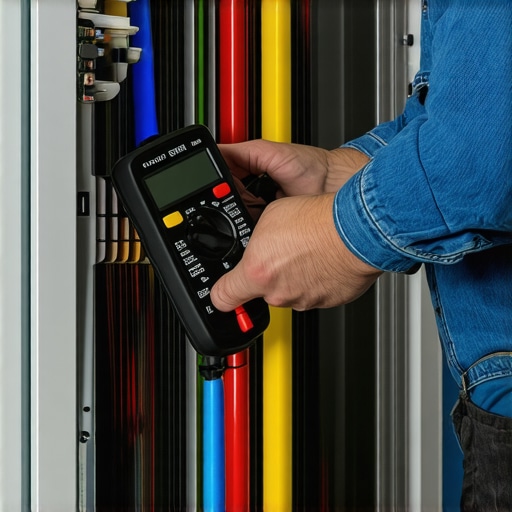
Image prompt: A homeowner using a digital multimeter and cleaning refrigerator coils, demonstrating maintenance tools in action. Alt: Homeowner maintaining appliances with multimeter and brushes. Title: Essential Tools for Long-Term Appliance Care.
Lessons That Changed My Approach to Home Repairs
- I’ve realized that rushing to find quick fixes often prevents me from addressing the root cause. Skipping proper inspections or ignoring signs like ice buildup only leads to bigger expenses down the line, reinforcing the importance of patience and thorough troubleshooting.
- Understanding the nuances of warranty requirements taught me to keep detailed maintenance records, including contractors’ notes and receipts. This small step has saved me from costly disputes and ensured my appliances remain protected when I need repairs most.
- I’ve learned that a proactive mindset—like scheduling regular professional checkups—can significantly extend the lifespan of my appliances. Investing in routine care before issues manifest is a game-changer that I wish I’d embraced earlier.
- It’s become clear that proper installation is the foundation of appliance longevity. Even the most reliable units can underperform or fail prematurely if not installed correctly, which is why trusting licensed technicians is a decision I now never regret.
- Lastly, I discovered that the small tools and smart monitoring apps I use daily empower me to spot potential problems early. Staying informed about my system’s health allows me to act swiftly and maintain a comfortable home year-round.
Tools and Resources That Make a Difference
- My go-to toolkit includes a high-quality digital multimeter, which helps me accurately diagnose electrical issues—something I highly recommend for DIY enthusiasts wanting to avoid unnecessary repairs. You can find detailed guides on how to use one effectively on trusted sites.
- For deep cleaning my appliances, I rely on trusted products and expert advice from comprehensive resources like the article on cleaning induction glass without scratches. This knowledge keeps my surfaces pristine and functional.
- Staying ahead of appliance issues is easier with apps that monitor device performance. I personally use smart thermostats and diagnostic tools that alert me to unusual activity, giving me peace of mind and saving money.
- Finally, reading industry-standard manuals and warranty guidelines—such as those from ASHRAE—has deepened my understanding of proper maintenance routines. Knowledge truly is power, especially when it comes to safeguarding your home investments.
Take Charge of Your Home’s Comfort Today
Recognizing the subtle signs of a struggling AC and knowing how to act makes all the difference, particularly during those intense summer days. By applying the insights I’ve shared—proper inspections, routine maintenance, and trusting qualified professionals—you can ensure your appliances serve you reliably for years to come. Don’t wait for a complete breakdown; start implementing these practices now and enjoy a cooler, worry-free home. Have you ever caught an issue early because of a hint I mentioned? Share your experience below—your story might inspire someone else to take action!