
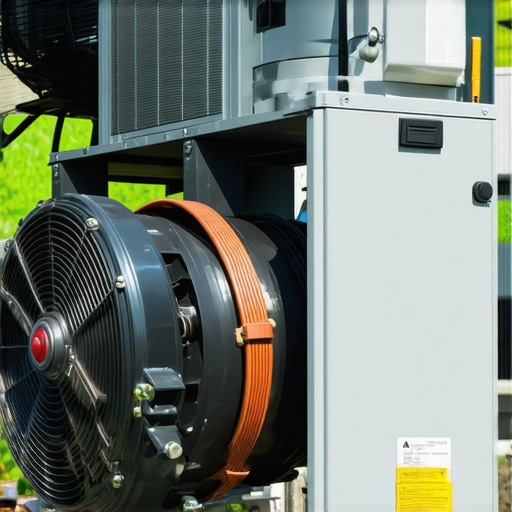
I remember the moment clearly—the blazing summer heat was relentless, and I eagerly pressed the thermostat for cool relief. Instead, I was greeted with an annoying clicking noise coming from my air conditioning unit. That sound, sharp and repetitive, made me nervous. Was my compressor failing? Was I facing a costly repair?
It’s a moment many homeowners fear. Your AC system is supposed to bring comfort, not add to your stress. That rhythmic clicking isn’t just noise—it’s often a sign that something isn’t right. I learned the hard way that ignoring these warning signs can lead to broken compressors and expensive replacements.
Today, I want to share what I discovered about this common problem. If your AC compressor is making a clicking sound, don’t panic. We’ll explore the causes, what you can do about it, and when it’s best to call in the pros. Trust me, understanding these issues can save you money and keep your cool during those sweltering days.
What Makes Your AC Click and Why It Matters
Is Your Faulty Compressor Actually Worth the Hype?
Early on, I made the mistake of assuming that a clicking sound was just a minor glitch or a sign my system was cycling on and off normally. Turns out, that wasn’t always the case. The truth is, a persistent clicking could indicate a variety of issues—ranging from electrical problems to mechanical failures. According to HVAC experts, ignoring these sounds can cause your compressor to overheat or fail prematurely, leading to costly repairs (source: [HVAC Repair Tips](https://www.energy.gov/ energysaver/maintaining-your-air-conditioner)).
One of the biggest mistakes I made was delays. I thought I could troubleshoot it myself without proper knowledge, which sometimes made things worse. If you’re like me, you’ll want to get to the root of the problem quickly before your system breaks down completely.
In the following sections, I’ll walk you through practical steps to diagnose the clicking, potential causes to be aware of, and how to decide whether to attempt DIY fixes or call professional help. And yes, I’ll share how to handle repairs confidently and safely, so you’re not left in the dark. Ready to regain control of your comfort? Let’s dive in.
Disconnect Power and Access the Compressor
First, ensure safety by switching off the main power supply to your AC unit. Use a non-contact voltage tester to double-check that the system is de-energized. Next, locate the external access panel that covers your compressor, typically found in the outdoor unit. Remove the panel carefully with a screwdriver, exposing the electrical components and the compressor. This step is like opening the hood of your car to check the engine—necessary for inspection and repair.
Inspect Electrical Connections and Components
Thoroughly examine wiring terminals, capacitors, and relays connected to the compressor for signs of damage, corrosion, or loose connections. Tighten any loose wires using insulated pliers. Look for burnt or swollen capacitors, which might be causing the clicking due to failed start or run functions. If you notice any damaged parts, take a photo for reference before proceeding to replace or consult a professional. Think of this as checking the battery terminals on your car—corrosion or loose connections can cause misfires and strange noises.
Test the Capacitors and Relays
Use a multimeter with capacitance testing capabilities to measure the capacitor’s health. Discharge the capacitor safely with a resistor before testing. If the readings fall outside the manufacturer’s specifications, replace the capacitor. Similarly, test relays by swapping them with identical units from the system, if possible. Faulty capacitors or relays are common culprits behind clicking sounds, much like a faulty starter relay in a vehicle prevents the engine from turning over smoothly.
Check for Mechanical Obstructions or Damage
Visually inspect the compressor for signs of physical damage, leaks, or debris obstructing the fan blades. Gently spin the fan blades to verify they move freely; resistance indicates bearing issues or internal damage. Use a flashlight to look for oil leaks or discoloration, which suggest internal failures. Imagine this as spinning a bicycle wheel to see if it turns smoothly—any resistance flags a problem needing attention.
Perform a System Reset and Test
After reassembling the panel and ensuring all connections are secure, turn the power back on. Set your thermostat to cool and observe the compressor’s operation. Listen for consistent starting behavior—if the clicking persists, further diagnosis is needed. Sometimes, a simple reset can resolve minor electronic glitches, akin to restarting a computer to fix temporary errors. If the problem continues, it’s advisable to consult an expert familiar with HVAC repair standards, or visit [same-day appliance repair](https://discountappliancehub.com/same-day-appliance-repair-quick-solutions-with-warranty-support) services to avoid further damage and ensure warranty support.
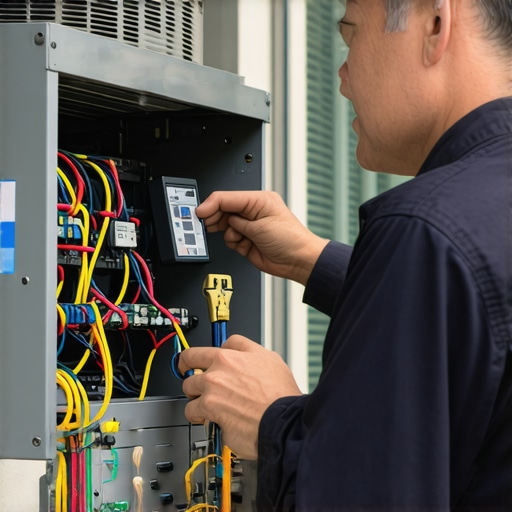
Close-up of a technician inspecting electrical components on an AC compressor, with tools and multimeter in hand.
Many homeowners believe that tackling appliance repairs on their own saves money and time, but this is often a misconception. One pervasive myth is that all repairs are straightforward and don’t require professional expertise; in reality, misdiagnosing issues can lead to more damage and higher costs. For example, attempting to fix complex systems like HVAC units without specialized knowledge can result in safety hazards and voided warranties, as highlighted in a recent study by the National Institute of Standards and Technology.
Another misconception is that warranty coverage always simplifies repairs. While warranties are designed to protect your investment, many are limited and exclude certain damages or labor costs, leading to unexpected expenses. It’s crucial to read the fine print and understand what is covered, especially when scheduling same-day services which might have exclusions. You can learn more about maximizing your warranty when emergency repairs arise by visiting [this guide](https://discountappliancehub.com/maximize-your-appliance-warranty-during-emergency-repairs).
A common oversight is believing that all repair services are equal in quality. Some consumers rely solely on the lowest price, but choosing a provider without verifying credentials can jeopardize the repair’s longevity and your warranty. Trustworthy companies often include warranty-backed services, ensuring that if the problem recurs, it will be fixed promptly and at no extra cost. For reliable, immediate assistance, consider professional same-day repair options available [here](https://discountappliancehub.com/same-day-appliance-repair-quick-solutions-with-warranty-support).
Furthermore, many underestimate the importance of correct installation. An improperly installed appliance can lead to performance issues and early failure, costing more over time. For expert installation that ensures your unit works efficiently and maintains warranty validity, consult specialists through [this trusted service](https://discountappliancehub.com/fast-trustworthy-appliance-installation-near-you).
Lastly, beware of the allure of generic parts or DIY fixes promoted in forums. These often lack the quality and precision needed for long-term repair, potentially voiding manufacturer warranties and risking safety. Always opt for certified parts and professional repairs to avoid these pitfalls.
By debunking these myths and understanding the nuances of appliance repair, you can make smarter decisions, save money, and extend your appliances’ lifespan. Have you ever fallen into this trap? Let me know in the comments.Keeping your appliances running smoothly over the long term hinges on more than just routine checks; it requires the right tools and techniques. Personally, I rely on a few specific pieces of equipment that have proven invaluable in diagnosing and maintaining appliances efficiently. One such tool is a high-quality digital multimeter, like the Fluke 117, which I use daily to test electrical connections, capacitors, and relays. Its precision helps me quickly identify faulty components before they lead to costly failures, especially in complex systems like HVAC units or refrigerators. Additionally, I swear by a digital infrared thermometer for quick temperature scans of components such as compressors or heating elements, ensuring they’re operating within safe and optimal ranges.
How do I maintain appliances over time?
Regular preventative maintenance is crucial. I recommend setting a schedule for inspecting critical areas—cleaning condenser coils, checking for corrosion in electrical terminals, and replacing filters or worn belts proactively. Having the right tools makes all the difference; for example, a silicone spray lubricant helps prevent friction-induced failures in moving parts, while a cordless cordless cordless impact driver simplifies tightening or removing stubborn fasteners during installations or repairs. For more complex diagnosis, I utilize software like diagnostic apps linked via Bluetooth to smart appliances, which can streamline troubleshooting and provide real-time alerts for issues before they become major problems. Looking ahead, the trend points towards smarter, interconnected appliances that communicate failures automatically, reducing downtime and repair costs. Investing in a quality set of diagnostic tools today sets the foundation for long-term appliance health and safety. Remember, if your equipment signals that it’s time for professional intervention, professional repair services with warranty-backed guarantees are just a click away—check out [here](https://discountappliancehub.com/same-day-appliance-repair-quick-solutions-with-warranty-support) for quick, reliable service with comprehensive warranty coverage. Don’t forget: mastering advanced tools like a multimeter or infrared thermometer will empower you to troubleshoot minor issues yourself, saving time and money. Try calibrating your system with a digital multimeter this week; it’s a game-changer for diagnosing electrical issues accurately and efficiently for all your appliances.
What I Wish I Knew About AC Clicks Before It Was Too Late
One of the most eye-opening lessons I learned was how often a simple clicking sound masks a bigger problem that, if ignored, leads to costly repairs. I used to dismiss minor noises, not realizing that they could be early warning signs of imminent compressor failure. Now, I understand that paying attention to these signals and knowing when to act can save both money and peace of mind.
My Go-To Resources That Keep Me Ahead in Appliance Troubleshooting
Over time, I found that staying informed through trusted sources like expert guides on appliance repair and professional forums has been invaluable. Additionally, tools like quality multimeters and specific diagnostic apps help me accurately identify issues without guesswork. These resources ensure I approach repairs confidently and efficiently.
Embracing the Unknown Without Fear: A Personal Challenge
The biggest hurdle was overcoming the fear of making things worse. Initially, I hesitated to attempt repairs myself, worried about causing further damage. But gradually, I realized that with proper safety precautions and the right tools—like those found on reliable same-day repair services with warranty support—I could handle many issues, reducing reliance on costly professionals. This shift empowered me to tackle problems head-on, turning frustration into confidence.
Take Charge of Your Appliance Health Today
Understanding and diagnosing AC clicking sounds is more accessible than you might think. By trusting your instincts, leveraging quality tools, and consulting trusted resources, you can maintain your appliances better and prevent emergencies before they strike. Remember, proactive care makes all the difference, and expert support is just a click away if needed. Ready to get started? Dive into your next repair with newfound confidence and keep your home running smoothly.