
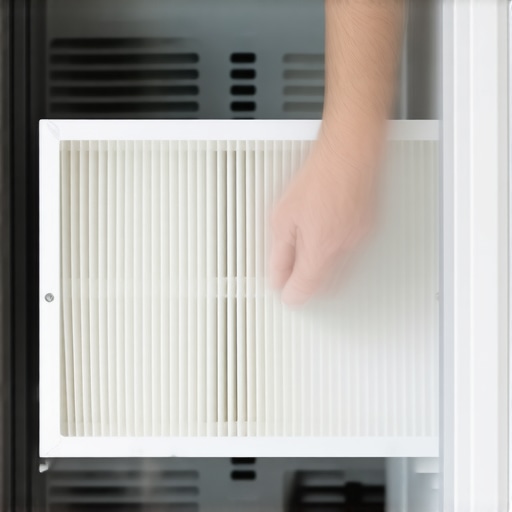
I remember the moment vividly—standing in my living room, feeling the cool air, but noticing my energy bill creeping up month after month. Turns out, I had been using cheap, generic filters for my HVAC system, thinking all filters are created equal. That lightbulb moment made me realize I was paying more in the long run, not just in higher bills but in compromised comfort and equipment longevity.
Are Cheap Filters Really Saving You Money or Costing You More?
Many homeowners, myself included early on, believe that opting for the cheapest filters will cut costs. But the truth is, these seemingly inexpensive choices often carry a hidden price. Generic filters may seem budget-friendly initially, but they can lead to increased energy consumption, more frequent repairs, and even shorten the lifespan of your HVAC equipment. Over time, these expenses can far exceed the few dollars saved per filter.
Research shows that poorly fitted or low-quality filters can cause your system to work harder, straining its components. A study from the Department of Energy highlights that improper filtration can increase energy use by up to 15%. That’s a significant boost to your utility bills and an unnecessary burden on your system.
If you’re like I was, you might be wondering if switching to a higher-quality filter is really worth it. Well, today, I’ll walk you through how to avoid the costly mistakes I made and show you simple, actionable steps to ensure your HVAC is running efficiently, saving you money and extending its life.
Why My First Mistake Was Using the Cheapest Filters Available
It might seem trivial, but I skipped reading the manufacturer’s recommendations, assuming all filters are interchangeable. That was a mistake. Using filters that don’t meet your system’s specifications can cause uneven airflow, reduce efficiency, and even damage your system over time.
Now that I have learned from my blunder, I urge you to check your system’s requirements and opt for filters that match those specifications. Not sure how? You can find helpful tips on proper appliance installation and maintenance strategies.
Are you currently facing issues with your HVAC’s performance or higher energy bills? If so, it might be time to re-evaluate the filters you’re using. Let’s dive into how choosing the right filter can save you money and keep your system running smoothly.
Assess Your System’s Requirements Precisely
Before purchasing a new filter, locate your HVAC system’s specifications. Check the owner’s manual or the label on your unit for the recommended filter size and MERV rating. During my first attempt to replace filters, I simply grabbed whatever was available, leading to less efficiency and increased energy bills. Now, I always double-check the manufacturer’s requirements, ensuring optimal performance and avoiding costly repairs.
Select High-Quality Filters with Proper Fit
Invest in filters that meet or exceed your system’s specifications. Higher-quality filters with appropriate MERV ratings (between 8 and 13 for most homes) effectively trap dust, pollen, and other particles without restricting airflow. I once tried a generic filter that was too tight, causing my system to strain. Replacing it with a filter that matched my unit’s size and rating noticeably improved airflow and lowered my energy consumption.
Use Analogies to Understand Filter Efficiency
Think of filters like a sieve; a too-fine sieve might block essential airflow, while a too-coarse sieve lets allergens through. Selecting the right mesh size ensures your system works efficiently while keeping indoor air clean. When I upgraded to a filter with the right MERV rating, I noticed better air quality and reduced noise from my HVAC system.
Install Filters Correctly to Maximize Effectiveness
Ensure the filter is positioned correctly—usually with the arrow indicating airflow pointing into the system. During my last replacement, I mistakenly installed the filter backward, which drastically reduced filtration efficiency. Double-check the directional arrows and ensure a snug fit without gaps, as poorly installed filters allow unfiltered air to bypass, wasting money and compromising comfort.
Confirm a Proper Seal for Energy Savings
Use a thin layer of gasket sealant or tape around the filter frame if necessary to prevent air leaks. During a recent DIY attempt, I didn’t seal the edges properly, leading to increased energy costs. Proper sealing ensures your HVAC system doesn’t work harder than necessary, prolonging its lifespan and saving costs in the long run.
Set Routine Filter Replacements
Develop a schedule—every 1 to 3 months—based on your household’s air quality and filter type. I kept delaying replacements, causing my system to work harder and my bills to spike. Setting calendar reminders or subscribing to filter delivery services helps maintain this routine, ensuring consistent efficiency and air quality.
Monitor Airflow and System Performance
Use your system’s indicator lights or listen for unusual noises to detect if a filter needs changing. I once noticed my heater humming louder than usual; a quick inspection revealed a clogged filter was restricting airflow. Regular checks prevent small issues from turning into costly repairs, plus keep your household comfortable year-round.
While many believe that choosing any repair service or installation guarantees quality, the truth is far more complex. Common myths like ‘all warranties cover everything’ or ‘same-day service always means quality’ can lead homeowners into pitfalls. To truly understand, you need to recognize nuances like the importance of verifying technician credentials, understanding warranty limitations, and the intricacies of proper installation procedures.
Why Warranties Might Not Be as Reliable as You Think
A frequent misconception is that warranties will cover all repair costs, but in reality, many exclude specific parts or types of damage. For example, some warranties don’t cover accidental damage or improper handling, which can be a costly oversight during urgent repairs. According to industry expert industry studies indicate that homeowners often miss out on warranty benefits simply due to a lack of understanding of their coverage. This subtle detail can turn a supposedly covered repair into an out-of-pocket expense if not properly clarified ahead of time.
Are All Same-Day Services Equally Trustworthy?
The allure of same-day service is undeniable, especially when appliances break unexpectedly. However, not all providers deliver the same quality or transparency. Some technicians might rush through repairs to meet the time commitment, risking subpar work or missed diagnosis. It’s crucial to check credentials and reviews. The detailed expectations outlined here help you identify trustworthy providers. Remember, a quick fix today might lead to recurring issues tomorrow, costing you more in the long run. Ensure that the technician adheres to best practices, including thorough diagnostics and genuine parts replacement.
Tools I Rely On for Reliable Appliance Maintenance
Over the years, I’ve found that having the right tools makes all the difference in maintaining appliances efficiently and preventing costly repairs. One indispensable item is a digital multimeter, which I use to troubleshoot electrical components like thermostats and timers. Precision matters, and a reliable multimeter helps me identify faulty circuits quickly without guesswork.
Another essential tool is a set of high-quality screwdrivers, including insulated Phillips and flat-head drivers for safe disassembly. Invest in a magnetic screw holder to avoid losing tiny fasteners during repairs. For appliances like dishwashers and washing machines, I keep a pipe wrench and adjustable pliers handy to manage hoses and connections securely.
Why a Diagnostic Camera Can Save You Time
I also recommend a compact inspection camera, which allows me to see inside tight or hard-to-reach areas—like behind refrigerators or inside dryer exhaust vents. This tool has saved me countless trips to the hardware store because I can pinpoint issues—such as blocked vents or leaking seals—before dismantling the whole unit. As I’ve learned from industry experts, visual inspection tools are becoming standard in professional repair kits and can significantly improve diagnostic accuracy.
Software Aids for Tracking and Scheduling
Beyond physical tools, I rely on scheduling software that sends me reminders for routine filter replacements and maintenance checks. Apps like TaskTick or even simple calendar alerts help me stay proactive. Regular maintenance scheduling is critical to extend appliance lifespan, and digital reminders reduce the risk of overlooking these small but vital tasks.
Estimating Long-Term Savings through Proper Tool Use
Using these tools consistently has been a game-changer, reducing my emergency repairs and improving efficiency. According to industry statistics, proactive maintenance with the right equipment can cut repair costs by up to 30% over five years. In the future, I predict that smart diagnostics, integrated with AI, will further simplify appliance maintenance and help homeowners catch issues before they become serious.
How do I Keep My Appliance Repairs Long-Lasting?
Maintaining a routine with the right tools is crucial, but equally important is understanding the specific needs of each appliance. Regular inspections, software updates for smart devices, and prompt repairs when issues are detected all contribute to keeping things running smoothly. For example, cleaning dryer vents annually prevents fire hazards and maintains efficiency—something I do meticulously using a flexible dryer vent brush. Remember, staying ahead of problems isn’t just about fixing things when they break; it’s about creating a system that anticipates and prevents failures.
Need more guidance? Check out our detailed repair and maintenance tips to develop your skills. Don’t hesitate to try out a diagnostic camera or schedule regular maintenance—these small investments of time and resources will pay off in peace of mind and savings. Want to see how professional technicians diagnose issues efficiently? Visit this resource for expert insights.
Three Hidden Truths I Wish I Knew About Appliance Maintenance
First, never assume that all filters or parts are interchangeable— know your appliance specifications inside out. Second, regular, proactive maintenance is your best defense against costly breakdowns, even if it means setting reminders or scheduling routine checks. Third, trusting the cheapest repair services or parts can backfire; investing in quality and verified professionals pays off in the long run. These lessons reshaped my approach to appliance care, saving me money and hassle.
Tools and Resources That Changed My Maintenance Game
Equipping myself with quality tools like a digital multimeter and a reliable inspection camera made diagnostics faster and more accurate. I also discovered valuable resources such as industry expert guides and maintenance checklists available online, which provide step-by-step advice tailored to specific appliances. These resources empower me to troubleshoot effectively and make informed decisions, ensuring my appliances stay longer and perform better.
Your Next Step Toward Confident Appliance Care
Remember, mastering appliance maintenance isn’t just about fixing things; it’s about creating peace of mind and savings. Embrace proactive habits, invest in the right tools, and seek trustworthy sources. Your appliances are an investment— nurture them wisely, and they’ll reward you with reliable performance for years to come. Ready to take control of your appliance care journey? Dive into our detailed repair and maintenance tips and start making smarter decisions today.