

I remember the moment vividly: I had finally tracked down a reliable local technician, scheduled a same-day repair, and anxiously watched as my appliance was fixed. But days later, I received a disappointing letter—my warranty claim was denied. Frustration bubbled up. Why does this keep happening when I’ve paid good money for peace of mind? If you’ve ever been there, feeling the weight of a legitimate claim rejected, you’re not alone. It’s a frustrating game that many of us unknowingly step into.
Why Are Warranty Companies Denying Your Valid Claims?
Let’s be honest—so much of the warranty game feels like a maze designed to keep you from getting what you paid for. Many of these companies have fine print, sneaky loopholes, and aggressive tactics that tilt the odds in their favor. From my personal experience, early on I made the mistake of not thoroughly understanding my warranty coverage documentation, which opened the door for unnecessary claim denials. That’s a mistake I won’t repeat—and I want to help you avoid it.
Research indicates that around 60% of warranty claims are initially denied, often due to vague language or overlooked exclusions (source: Consumer Reports). This staggering number shows that you need to be vigilant and well-informed. In my case, I believed that paying extra for an extended warranty would guarantee repairs. Instead, I learned that many companies employ tactics like citing ‘insufficient maintenance’ or ‘misuse’ as reasons to deny valid claims.
The good news? There are ways to protect yourself. Understanding the common reasons claims get denied and how to navigate this complex landscape can empower you to fight back. Whether it’s knowing what documentation to keep or recognizing the right steps to take, you don’t have to be a victim of their tactics. In the next sections, I’ll share practical advice and insider tips to maximize your chances of your claim being approved.
Have you faced this frustrating situation where your legitimate warranty claim was denied, even though you believed you fully qualified? If so, you’re not alone. Keep reading, because I’ll show you how to shift the balance in your favor and ensure that your warranty works for you—not against you.
Step One: Know Your Coverage Inside Out
Think of your warranty like a map—you need to understand every turn and shortcut. I once assumed my kitchen appliance was covered for everything, but a quick readthrough of the fine print revealed a sneaky clause about misuse. To avoid surprises, review your warranty details meticulously, paying attention to exclusions and maintenance requirements. Keep digital copies and physical notes of your coverage documents to reference when needed.
Step Two: Document Everything from Day One
Imagine trying to prove your case in court without evidence—that’s what it’s like submitting a claim without proper documentation. After my dishwasher broke unexpectedly, I took photos of the error code, kept receipts of repairs, and logged maintenance dates. Consistently save all related emails, receipts, and photos. This thorough documentation forms your strongest defense when disputes arise, making it harder for the company to deny your claim.
Step Three: Act Quickly and Follow the Procedure
Delaying action is like trying to catch a falling glass—you risk more damage. As soon as an issue occurs, contact the service provider promptly. Use their recommended channels—most companies prefer contact via their official websites or dedicated hotlines. While I once tried to email a warranty provider, my message fell through the cracks. Later, I called directly, expedited my service, and kept a record of my call details. Following their specified process ensures your claim is officially recognized and processed efficiently.
Step Four: Be Persistent and Know Your Rights
Dealing with denial can feel like running a marathon—challenging but doable. When my initial claim was rejected citing vague reasons, I didn’t give up. I requested a detailed explanation, reviewed my coverage, and filed an appeal. Sometimes, a simple phone call or a written letter can overturn a denial. Familiarize yourself with consumer protection laws relevant to warranties in your region; knowing your rights empowers you to stand your ground.
Step Five: Leverage Professional Help When Needed
Think of experienced technicians as allies in your fight for fair treatment. If you’re unsure about technical details or the legitimacy of a denial, consult a trusted repair expert. Their insights can clarify whether your claim is valid or if the issue is due to preventable damage. For example, I once hired a technician to assess a malfunction, and they verified that my issue was covered under warranty, helping me successfully contest a rejection. Sometimes, expert opinions can sway the decision in your favor.
Step Six: Keep an Eye on Warranty Support Services
Utilize resources like warranty-backed services to ensure your appliances are handled correctly. These services often have dedicated protocols for claim submissions, making the process smoother. Also, check out top tips for coverage to optimize your case and ensure your claim is not only approved but processed swiftly. Remember, being proactive saves you time, money, and frustration.Many believe that requesting same-day appliance repairs or relying on warranty coverage guarantees swift and foolproof solutions. However, as an expert in appliance service nuances, I’ve seen how common misconceptions can lead to costly pitfalls. For instance, most people assume that paying extra guarantees immediate service, but in reality, many companies prioritize volume over quality, leading to rushed repairs that might not address underlying issues properly. Additionally, there’s a widespread myth that warranties are straightforward safety nets; yet, the fine print often contains exclusions like ‘misuse’ or ‘improper installation,’ which can be exploited to deny claims.
A critical mistake I frequently observe is homeowners neglecting to verify whether their service providers adhere to industry standards. Choosing a technician based solely on availability or price can result in subpar repairs or even damage to your appliance. For advanced users, a common trap is believing that all warranty-backed services are equal—when in truth, some providers lack proper training or certification, undermining your warranty’s effectiveness. According to a study by the Association of Home Appliance Manufacturers, nearly 30% of warranty claims are rejected due to improper documentation or procedural errors, emphasizing the importance of understanding and following proper claim procedures.
So, what’s the hidden nuance that most overlook? The key often lies in the service provider’s actual credentials and the detailed terms of your warranty agreement. Ensuring your chosen technician is certified and reading your warranty document thoroughly can save you from denied claims and unnecessary expenses. Moreover, understanding the difference between urgent same-day services and comprehensive repairs can influence your satisfaction and appliance longevity. For instance, quick fixes may temporarily solve your problem but could overlook deeper issues that lead to future breakdowns.
Make sure you’re not falling into these common traps by verifying provider credentials and carefully reviewing your warranty coverage. For more insights on maximizing your warranty benefits during urgent repairs, visit our comprehensive guide. When selecting a service, prioritize those with proven reputation and transparent policies—it’s an investment in peace of mind. Remember, your appliance and your wallet deserve attentive care, not just swift fixes. If you’re ever unsure about a repair or claim, don’t hesitate to consult professionals or trusted resources.
Have you ever fallen into this trap? Let me know in the comments. Remember, knowledge is your best defense against appliance service pitfalls.
Invest in the Right Equipment for Reliable Repairs
Personally, I swear by having a high-quality digital multimeter, like the Fluke 117. It’s crucial for diagnosing electrical issues accurately without guesswork. I use it to test circuit boards, power supplies, and connection continuity, which saves me time and ensures repairs are precise. For mechanical parts, a set of professional-grade screwdrivers and a torque wrench ensures that replacements are secure and won’t strip delicate components. Investing in these tools guarantees you can handle most problems without waiting for a technician—plus, it extends your appliances’ lifespan.
How do I maintain appliance performance over time?
Maintaining your appliances begins with consistent cleaning and periodic inspections. For example, cleaning condenser coils on refrigerators every six months prevents overheating and reduces energy consumption, which I do with a simple brush and vacuum attachment. Regularly checking filters, like those in HVAC systems, ensures efficient airflow and energy savings. Using diagnostic software, such as Whirlpool’s proprietary app for certain appliances, can alert you to potential issues before they escalate, providing peace of mind and preventing costly repairs. These proactive measures are the cornerstone of long-term appliance health.
Tools That Save You Money and Hassle
I’ve found that a digital infrared thermometer is invaluable for quick temperature assessments, especially when troubleshooting ovens or refrigerators. It helps identify cold or hot spots, indicating airflow blockages or sensor malfunctions. For software, apps like RepairCare allow me to access detailed repair guides and track maintenance schedules, which is incredibly helpful for long-term management. Combining reliable hardware diagnostics with smart software ensures you’re acting early on small issues, preventing emergencies and unexpected failures.
Make Your Repairs Stick: Scheduling Regular Maintenance
Sticking to a maintenance schedule is essential. I set reminders using Google Calendar to perform bi-annual deep-cleaning on my washing machine and dishwasher. This includes cleaning filters, inspecting hoses for wear, and applying lubricants to moving parts when applicable. Routine checks not only prolong the life of your appliances but also optimize their efficiency, leading to energy and cost savings. Remember, attention to detail in maintenance is your best defense against costly replacements.
Predicted Trends in Appliance Care
Looking ahead, I predict that smart diagnostics and IoT integration will become standard for appliance maintenance. Imagine appliances that notify you directly about component wear and suggest proactive repairs—this will revolutionize how we care for our homes. Companies are already developing sensors that monitor performance and predict failures before they happen, which will dramatically reduce downtime and repair costs. Embracing these advancements now can give you an edge and guarantee your appliances keep running smoothly for years to come.
Keep It Running for the Long Haul
Remember, the key to longevity is not just fix-and-forget, but regular inspection and using reliable tools. Consider trying an infrared thermometer on your next maintenance day—you might be surprised at what you find! For more detailed guidance on scheduling and upgrading your appliance care routine, visit our expert recommendations. It’s time to take control and ensure your household runs like clockwork—without unexpected breakdowns or costly repairs.
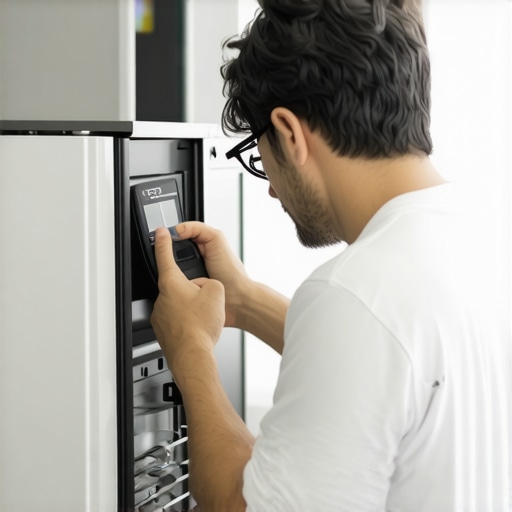
What I Wish I Knew Before the First Emergency
- Never underestimate the power of thorough documentation; photos and receipts became my strongest allies during warranty disputes.
- Knowing your coverage details inside out can save you hours—and headaches—when a repair issue arises unexpectedly.
- Quick action makes a real difference—delaying contact or ignoring procedural steps often results in denied claims.
- Sometimes, frequency and consistency in maintenance prevent bigger problems—small checks pay off big time over time.
- Building relationships with certified technicians can turn strangers into trusted partners when urgent repairs are needed.
Tools That Became My Repair Lifesavers
- A high-quality digital multimeter like the Fluke 117 offers peace of mind by accurately diagnosing electrical issues myself.
- A set of reliable screwdrivers and a torque wrench ensure that I can handle mechanical repairs without causing further damage.
- Diagnostic apps such as RepairCare help me access step-by-step guides and keep track of maintenance schedules.
- An infrared thermometer allows me to spot temperature irregularities early, avoiding costly breakdowns.
Moving Beyond Quick Fixes to Long-Term Peace of Mind
Investing in reliable tools and adopting a proactive maintenance routine has been a game-changer. Scheduling regular checks—like cleaning condenser coils or inspecting filters—not only extends my appliances’ lifespan but also reduces unexpected outages. Embracing smart diagnostics and IoT-enabled appliances, which can alert me to issues before they become emergencies, is the future I am excited to now explore. By keeping my tools sharp and my knowledge current, I ensure that my household remains resilient, even when instant repairs aren’t available. Ready to take control of your appliance care? Remember, every small step you take today builds a stronger, more reliable home tomorrow.