
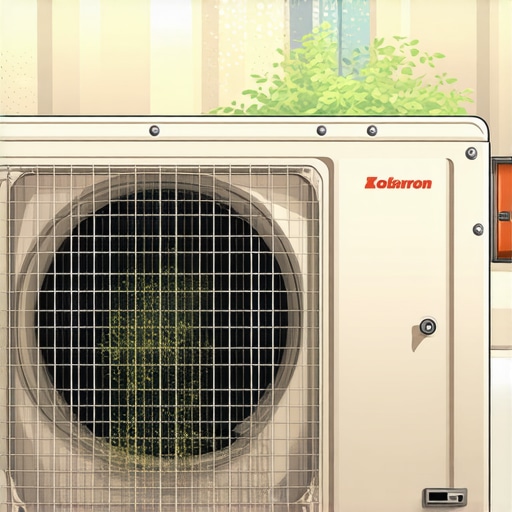
Nothing is worse than settling in on a hot summer day, flipping on your AC, and instead of a cool breeze, you’re hit with a foul, stinky odor reminiscent of dirty socks. I remember the first time this happened to me—imagine my surprise when I realized that my seemingly harmless cooling unit was emitting a smell that could clear a room. It was a lightbulb moment, revealing that something was seriously amiss with my air conditioning system.
Uncovering the Secret Behind That Stinky AC
<3>This problem might seem trivial, but the reality is that a smell like old socks isn’t just unpleasant—it’s often a sign of underlying issues that could impact your home’s air quality and your system’s longevity. In this post, I’ll share how I identified the cause, the common reasons behind this foul odor, and most importantly, how you can fix it yourself or know when to call in the professionals. If you’ve ever faced this issue, you’re not alone! Many homeowners underestimate the problem’s severity, delaying crucial repairs. Start by understanding what’s causing that smell, so we can work together to restore your home’s comfort and your peace of mind.
Will a Deodorizer Cover Up a Serious Problem?
Early on, I made a costly mistake—trying to mask the smell with air fresheners instead of addressing the root cause. Spoiler: it didn’t work, and the underlying issue worsened. Trust me, it’s far better to identify the real problem and fix it from the source than to keep covering up the scent. According to HVAC experts, the primary reason for that rotten smell is mold or bacteria buildup in the ducts or drip pans, especially if moisture accumulates unnoticed. Proper maintenance is key, and knowing the exact cause can save you money and prevent health issues.
If you’re curious how to diagnose or prevent this problem, I recommend reviewing tips from reliable sources, like this guide on same-day service and warranty coverage. Now, let’s look at practical steps to eliminate that sock smell for good, so your AC can keep you cool—and fresh.
Deep Clean the Ducts and Components
Start by turning off your AC and removing the access panels to the indoor and outdoor units. Use a vacuum with a hose attachment to carefully extract dust, debris, and mold from the vents, filters, and coils. Personally, I once spent an afternoon cleaning my unit’s evaporator coil and discovered a buildup of grime that was feeding mold growth. Once cleaned, the foul odor diminished significantly, and my system ran more efficiently.
Disinfect with Appropriate Solutions
Next, spray a mixture of 70% isopropyl alcohol and white vinegar onto the coils, drip pans, and duct walls. These solutions kill bacteria and mold effectively. Remember to wear gloves and safety goggles. I recommend this step because, during my last DIY effort, I saw visible mold spores die off, which prevented future odors and improved air quality.
Replace or Clean Air Filters
Remove the current filters and inspect them. If they’re reusable, wash them with warm soapy water, then dry completely. If disposable, replace with high-quality filters. This step prevents recirculation of dust and mold spores, which are common offenders behind musty smells. I learned this the hard way when I kept reusing old filters, which worsened the odor over time.
Clear the Drip Pan and Drain Line
Locate the condensate drip pan beneath the evaporator coil. Remove any standing water, clean it with a damp cloth, and check the drain line for clogs. Use a mixture of vinegar and hot water to flush the line, preventing mold and algae growth. Last summer, I unclogged my drain line with a simple vinegar flush, which immediately eliminated the musty smell and prevented water from backing up into the house.
Ensure Proper Ventilation and Dehumidification
Proper airflow and humidity control stop mold from thriving. Use a dehumidifier in the summer months to keep humidity below 50%. Also, keep vents open and avoid closing too many windows or doors. I installed a small portable dehumidifier, which made a noticeable difference in preventing mold and odors, especially in humid seasons.
Schedule Regular Maintenance Checks
Set a reminder to replace filters every 1-3 months and have a professional inspect your system annually. This proactive approach keeps mold and bacteria at bay and ensures you catch issues early. When my HVAC technician recently serviced my system, they applied an antimicrobial coil treatment, which significantly reduced future odor problems. For comprehensive help, consider reviewing tips from this guide on same-day service.
When it comes to same-day service and appliance repairs, many homeowners operate under misconceptions that can cost them time and money. Contrary to popular belief, seeking the fastest available appointment doesn’t always guarantee quality or reliability. In fact, rushing into quick fixes without understanding the nuances can lead to recurring problems or voided warranties. For example, some assume that all technicians offering same-day service are equally skilled, but many might lack the specialized training needed for complex issues, potentially compromising your appliance’s longevity. A common myth is that warranties cover everything if a problem recurs within the period; however, many warranties exclude specific parts or conditions, especially if initial maintenance wasn’t properly performed, as highlighted in expert reviews on warranty coverage.
A critical mistake homeowners often make is failing to verify if the service provider adheres to manufacturer standards, which can impact warranty claims later. Selecting a technician based solely on availability may seem convenient, but it risks missing out on qualified professionals who ensure your appliance is installed or repaired correctly, thus protecting your warranty rights. According to industry studies, improper installation or inadequate repairs are among the leading causes of warranty refusals, emphasizing the importance of choosing reputable, experienced technicians. For deeper insights, consult resources like this guide on warranty-backed services.
Furthermore, many overlook the importance of documented maintenance records. If you need to claim warranty support, having a detailed repair history is invaluable—something that less scrupulous providers might neglect to update. This oversight can turn into a costly mistake when claims are scrutinized, and coverage is denied due to inadequate documentation.
Keep in mind that understanding the fine print is vital. Manufacturers often include clauses that limit coverage if the appliance wasn’t maintained according to specific guidelines. Therefore, it’s wise to review your warranty terms thoroughly and ensure your service provider follows proper protocols. For instance, scheduling regular maintenance and choosing technicians familiar with warranty stipulations can make a significant difference, as detailed in this expert guide.
To sum up, the real nuance in same-day service and warranties lies in the details—knowing who is qualified, verifying service quality, maintaining proper documentation, and understanding warranty exclusions. Don’t fall into the trap of assuming that quick fixes are always the best route; instead, prioritize reputable providers who respect warranty policies and adhere to industry standards. Have you ever fallen into this trap? Let me know in the comments.
Invest in Quality Maintenance Equipment
Personally, I rely on a reliable digital multimeter to troubleshoot electrical issues in appliances. It allows me to quickly identify faulty components like thermal fuses or broken thermostats without guessing. For example, when my washing machine displayed inconsistent cycles, a quick voltage test with my multimeter revealed a failing motor control module, saving me from costly repairs. I also use a high-precision gasket scraper for cleaning and maintaining seals during appliance service, which ensures optimal airtightness and prevents leaks. These tools have become essential in my maintenance routine, helping me catch small issues before they escalate.
Utilize Diagnostic Software for Smart Appliances
For modern, connected appliances, I recommend using manufacturer-specific diagnostic applications. They provide real-time error codes and system health reports that are more detailed than what’s displayed on the appliance itself. For instance, my smart fridge uploads diagnostic data to an app, which helps me proactively schedule repairs or maintenance with trusted technicians. This approach not only minimizes downtime but also extends the lifespan of your units by catching issues early. As smart appliances become more prevalent, integrating diagnostic tools into your maintenance arsenal will be increasingly valuable.
Implement Regular Maintenance Schedules
Developing a routine checklist and sticking to it has greatly improved my appliance longevity. I set reminders to replace filters, clean coils, and inspect wiring every few months. Using a digital calendar or maintenance app ensures I don’t overlook critical steps. Additionally, documenting each service session—what tools I used and what parts were replaced—helps when warranty claims arise or when I need to compare appliance performance over time. This disciplined approach results in fewer emergency repairs and consistently reliable operation.
Predictive Maintenance with Sensor Data
The future is leaning toward predictive maintenance powered by IoT sensors. Some advanced appliances now come with built-in sensors that monitor operational parameters and alert you before failures happen. I foresee a trend where homeowners will use these insights to schedule repairs proactively, reducing unexpected breakdowns. Integrating third-party sensor data with home automation systems could further enhance this strategy, creating a seamlessly maintained environment. Staying ahead of appliance deterioration will be crucial in managing long-term costs and warranties.
How do I maintain appliance systems over time?
The best way to ensure your appliances keep running smoothly is by combining quality tools with routine checks and leveraging technology. Always use high-grade diagnostic equipment like multimeters and download manufacturer apps for smart units. Regularly inspecting components and cleaning critical parts can prevent costly repairs and warranty issues. Remember, consistent maintenance not only reduces breakdowns but also ensures that warranties stay valid and your appliances perform efficiently. For comprehensive tips, check out this guide on same-day service and warranty coverage. Don’t forget to try using a multimeter to test a suspect component this week—sometimes, a simple tool can save you hundreds.
What No One Tells You About Instant Service Success
One of the most eye-opening lessons I learned is that rushing for same-day service might sometimes compromise quality. I once scheduled the earliest available technician without checking their credentials, leading to a quick fix that didn’t last. This experience taught me that prioritizing reputable, experienced professionals—even if slightly delayed—can save money and headaches in the long run. Also, I realized that understanding your warranty terms deeply impacts how you handle repairs; many overlook small print that could save or cost them hundreds. The second lightbulb moment was discovering that investing in proper diagnostic tools for simple appliances can prevent unnecessary service calls, saving time and ensuring repairs are reliable. Lastly, I found that consistent, proactive maintenance often outperforms reactive fixes, preserving your appliance’s lifespan and warranty coverage, especially when combined with trusted guides like this resource.
My Arsenal of Tools and Guides for Appliance Peace of Mind
Over time, I’ve collected a set of reliable tools that make DIY fixes smarter and safer—like a high-quality multimeter, which helps me quickly trace electrical issues without guesswork. I also trust comprehensive manuals such as this expert guide that demystifies complex repairs, giving me confidence to tackle minor issues myself. For managing warranty claims, I rely on well-organized maintenance records and digital apps that remind me when to service or replace parts, ensuring I stay within warranty stipulations. Additionally, for smart appliances, I use manufacturer apps that provide in-depth diagnostics, helping me catch problems early, like a refrigerator’s cooling glitch before it becomes a costly repair. These tools, coupled with trustworthy advice, keep my home running smoothly and save thousands over the years.
Pressure to Act Fast Can Hold You Back: Trust Your Gut
It’s tempting to think that the quickest fix is always the best, but experience has shown me that patience and research pay off here. For example, opting for a widely available technician without verifying their expertise has sometimes resulted in recurring problems, costing more than a delayed but precise repair. I’ve learned to ask questions about warranty coverage, technician training, and parts quality before agreeing to repairs, especially for critical appliances. Developing an informed mindset helps prevent being pressured into unnecessary or inferior repairs, ultimately protecting my investments. Remember, your appliances are part of your home’s ecosystem—treat them with care by making decisions based on quality, not just speed. This approach aligns with insights from trusted service providers, who emphasize that lasting solutions matter more than quick fixes.
Your Next Step Toward Smarter Appliance Care
Choosing patience, quality tools, and trustworthy guidance can transform appliance repairs from a dreaded chore into an empowering process. By understanding your warranty, investing in proper maintenance equipment, and trusting reputable specialists, you safeguard your home’s comfort and your peace of mind. Remember, every repair is an opportunity to learn more about your appliances and how to care for them effectively. Don’t see troubleshooting as a burden but as a chance to become more confident in your home maintenance skills. Ready to start applying these insights today? Feel free to share your experiences or ask questions below—let’s build a community that keeps appliances running smoothly and worry-free!