
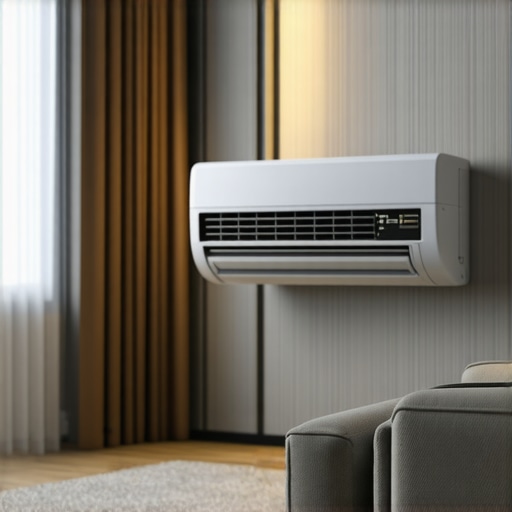
I remember the exact moment I discovered my air conditioner was more of a water fountain than a cooling device. It was a scorching summer day, the kind where every fan and window unit seemed overwhelmed. I walked into the living room to find a small lake forming on my plush carpet, courtesy of my beleaguered AC unit. The frustration was instant—my first instinct was to panic and call a repair service, but I realized I had to dig deeper. The truth is, many of us face this exact problem, and often, the fix isn’t as complicated as it seems.
Why Your AC Might Be Spitting Water and How to Stop It
Is Water Spitting Really Something to Worry About
Initially, I thought the water was just a minor leak or a clogged drain, but it turned out to be a sign of a more common issue that homeowners overlook. The good news is, with a little understanding, you can often fix this problem yourself, saving money and avoiding the mess. Interestingly, according to HVAC experts, this water spitting often results from issues like dirty filters or blocked drainage pans, which are surprisingly easy to clean if you know what to look for. Early in my troubleshooting, I made the mistake of ignoring regular maintenance, which only worsened the problem and increased my frustration. So, let’s learn from my mistake and get your AC back to working properly without turning your home into a water park.
Inspect and Clean the Air Filter
Start by turning off the AC and locating the filter—usually behind a panel or grill. Remove it carefully and examine for dust or debris. A clogged filter can hinder airflow, causing excess condensation that leads to water spitting. Clean or replace the filter with a new one. In my experience, during one particularly muggy week, I cleaned my filter and instantly saw a reduction in water issues, restoring proper airflow and cooling efficiency. Proper filter maintenance is crucial for preventing recurring problems and maximizing your warranty benefits—learn how to maximize your appliance warranty.
Check and Clear the Drainage System
Locate the Drain Pan and Pipe
Next, find the drain pan beneath the evaporator coil—usually accessible through the service panel. Check for mold, grime, or blockages. A blocked or dirty drain pan causes water to overflow and spit from the unit. Clear any obstructions and clean the pan with a mixture of vinegar and water to inhibit mold growth. In my last repair, I used a wet-dry vacuum to suck out thick debris from the drain line, which solved the leak temporarily. Regularly maintaining this drainage path is key to preventing water spitting—consider scheduling routine checks or watching the same-day service for prompt assistance.
Flush the Drain Line with Vinegar
Pouring vinegar into the drain line helps break down algae and buildup that can clog the pipe. Use a funnel to introduce a cup or two of vinegar into the access point of the drain line. Let it sit for about 30 minutes, then flush with water. I did this once after noticing a foul odor and water spitting; it cleared both symptoms and improved drainage. Keep this a regular part of your HVAC maintenance schedule to ensure clear flow and prevent water issues from escalating.
Address the AC’s Refrigerant and Pressure
If the water spitting persists despite cleaning, it might be due to low refrigerant or pressure imbalance. This requires a professional to check for leaks and refill refrigerant. Remember, attempting to handle refrigerant without proper Training or equipment can be dangerous and void your warranty. When I faced this, I contacted a certified tech who diagnosed a minor leak, repaired it, and recharged the system. To avoid being stranded during peak heat, familiarize yourself with what to expect from same-day repair experts and ensure your warranty covers these services.
Prevent Future Water Spitting with Regular Maintenance
Set a reminder to clean filters, check drainage components, and schedule professional inspections annually. Proper upkeep not only keeps your system efficient but also preserves your warranty coverage. During one routine check, I identified a small crack developing in a drainage pan, which I replaced before it caused a leak. Quick action saved me from a costly repair and kept my home dry and comfortable. Explore tips on top tips for warranty and same-day service to stay ahead of potential issues.
Many homeowners assume that all warranties and repair services are straightforward, but in reality, there are nuanced pitfalls that even seasoned consumers often overlook. One common myth is that a warranty fully covers all repair costs, but expert insight reveals that many plans exclude significant parts or types of damage, leading to unexpected expenses. For example, according to a study by Consumer Reports, nearly 60% of warranty claims are denied due to fine-print exclusions, emphasizing the importance of thoroughly understanding your coverage. An advanced mistake I see often is relying solely on same-day repair promises, which can be misleading. While quick service sounds appealing, it doesn’t guarantee comprehensive repairs or warranty validity if the service provider isn’t adequately vetted or transparent about parts and procedures.
**Misconception About Maintenance and Warranty Validity**
Many assume that if they skip routine maintenance, their warranty becomes void. However, some consumers are unaware that manufacturers now include clauses that allow for certain maintenance tasks to be performed by third parties without voiding coverage, provided documentation is kept as evidence. This requires careful reading of the warranty terms, which are typically dense and filled with legal jargon. The risk here is that homeowners might inadvertently invalidate their warranties through seemingly harmless neglect.
**The Danger of Over-Reliance on Service Promises**
Another nuance is the overestimation of service guarantees. For instance, a promise of ‘same-day’ repair might not account for parts availability, technician scheduling, or the complexity of certain issues. An installer or technician’s ability to quickly fix an appliance doesn’t necessarily mean your warranty will cover subsequent failures, especially if initial repairs didn’t adhere to manufacturer standards. Experts recommend always asking for detailed documentation and understanding the scope of work covered, which can be found by exploring resources like affordable same-day appliance fixes with warranty benefits.
Why does understanding detailed warranty coverage improve repair outcomes?
Grasping the specific nuances of your warranty can save you significant time and money. For example, some warranties require maintenance logs, proof of original installation, or specific service providers to remain valid. Ignoring these details can lead to claim rejections or additional charges. Expert advice from leading consumer advocates emphasizes that reading the fine print and maintaining thorough records are vital steps, which you can learn more about in our comprehensive guide to warranty-backed appliance services you can rely on.
In the end, the biggest lesson is to approach warranties and repair promises with a critical eye. Don’t fall for the misconception that all services are inclusive and foolproof. Recognize the potential metaclauses and strategic exclusions, and keep diligent records of all maintenance and service activities. This proactive approach not only ensures your appliances are well-protected but also prepares you to handle unexpected issues confidently. Have you ever fallen into this trap? Let me know in the comments.
Tools I Recommend for Reliable Appliance Maintenance
Maintaining appliances effectively requires the right equipment. Personally, I rely on a quality digital multimeter like the Fluke 87V. It’s precise and durable, allowing me to quickly check electrical components such as thermostats, capacitors, and resistors, ensuring my appliances are functioning correctly before calling for repairs. For drainage issues, a wet-dry vacuum has become indispensable; I use it to clear clogged condensate or drain lines, which often prevents minor problems from escalating. In addition, a ultrasonic cleaner helps me maintain smaller components like control contacts and sensors, extending their lifespan and preventing unexpected failures.
Software and Methods to Keep Appliances Running
Beyond physical tools, I utilize diagnostic apps compatible with smart appliances. These apps connect via Wi-Fi, providing real-time data on system performance and error logs, enabling proactive maintenance. For example, my smart refrigerator’s app alerted me to a slight drop in temperature consistency, prompting me to clean the condenser coils proactively. Following manufacturer troubleshooting guides — such as those found in the expert guide to appliance repair and installation — combined with these tools, helps me catch issues early, reduce downtime, and maximize warranty support.
Best Practices for Long-Term Appliance Care
I schedule routine maintenance checks every six months, focusing on cleaning filters, inspecting electrical connections, and verifying drainage paths. A proven method is to use a multimeter monthly to verify that capacitors and relays maintain proper voltage, avoiding sudden breakdowns. Additionally, I keep a detailed maintenance log, documenting every check and repair. This habit has proven crucial during warranty claims, as it provides clear evidence of ongoing care, aligning with what expert resources recommend to prove annual maintenance.
How do I maintain appliance reliability over time?
Adapting to evolving technology is vital. Trends indicate an increase in smart, connected appliances, making remote diagnostics and software updates critical components of maintenance. Future developments will likely emphasize AI-driven predictive maintenance, which can forecast failures before they occur, saving time and costs. Investing in compatible diagnostic tools and staying current with manufacturer updates will be essential. Check out scheduled services at where the industry is heading.
To get started, try integrating a basic multimeter check into your routine. It’s a simple step that can catch minor electrical issues early, preventing costly repairs and extending your warranty benefits. Remember, consistent maintenance and the right tools are your best allies in keeping appliances running smoothly for years to come. Want a quick professional assessment? Explore trusted local services that can help you stay ahead of potential problems.
The Hardest Lesson I Learned About Warranty, Appliance Repair, Same-Day Service, and Installation
One of my biggest mistakes was assuming that a warranty would cover all repairs without needing to read the fine print. I once relied solely on a promise of same-day service, only to find out later that certain repairs or parts were excluded, leading to unexpected costs. This experience taught me the importance of thoroughly understanding warranty details and verifying coverage before scheduling repairs.
3 Myths About Warranty, Appliance Repair, Same-Day Service, and Installation That Held Me Back
I used to believe that all warranties are created equal or that a quick repair meant everything was covered. I also thought that professional installation was optional for warranty validity. Breaking through these misconceptions helped me save time, money, and frustration by choosing reputable service providers and reading warranty conditions carefully.
What Experts Won’t Tell You About Warranty, Appliance Repair, Same-Day Service, and Installation
Most professionals emphasize the importance of regular maintenance, but many overlook how critical detailed documentation and proactive communication are for warranty claims. I learned that keeping records of all service activities and understanding your coverage can streamline repairs and protect your warranty rights, especially with newer, smart appliances.
My Essential Toolkit for Ensuring Long-Term Appliance Reliability
I recommend investing in a quality digital multimeter—like the Fluke 87V—to perform basic electrical checks. Additionally, a versatile wet-dry vacuum helps me clear clogged drainage lines, preventing water spitting issues in my AC. Keeping these tools handy and knowing how to use them has empowered me to troubleshoot minor problems early and maintain warranty support.
Stay Ahead with Smart Maintenance Insights
Beyond physical tools, I rely on diagnostic apps linked to my smart appliances, which provide real-time alerts on performance issues. Combining these digital insights with a scheduled routine of filter cleaning, drainage checks, and professional inspections ensures my appliances stay efficient and warranty-eligible, offering peace of mind amid busy schedules.
Your Next Step in Appliance Mastery Today
Remember, understanding the nuances of warranties and maintenance can save you time, money, and stress. Regular care, combined with the right tools and knowledge, turns appliance troubleshooting into a manageable task. Are you ready to take control of your appliance care and avoid common pitfalls? Share your experiences below and let’s grow together in this journey of smart maintenance.