
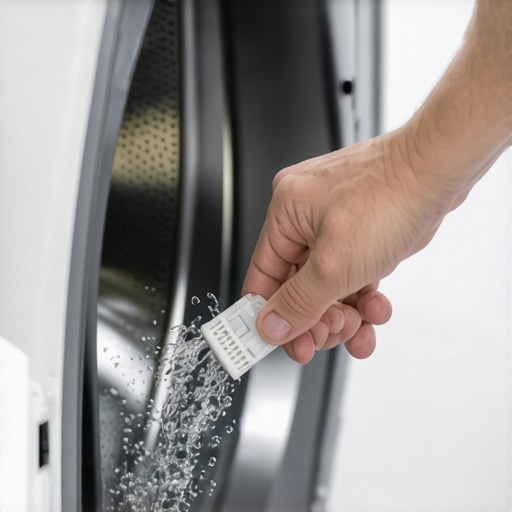
Ever been in the middle of laundry, ready to fold those clean clothes, only to realize your washing machine is gushing water like a mini fountain? I’ve been there. One day, I was running a quick load, and suddenly, my washer started filling and never stopped. Panic set in because water was creeping onto the floor, and I was worried about flooding the entire laundry room. That lightbulb moment when I finally understood what was going wrong changed everything. I realized that simple fixes can save you time, money, and a big headache.
Why I Brushed Off That Little Leak—And Why You Shouldn’t
Initially, I thought it was just a minor glitch, maybe a plumbing hiccup or a clogged drain. I was tempted to call a plumber right away, but I hesitated. Turns out, this common problem has an easy fix that homeowners can often handle themselves. Did you know that a washing machine that won’t stop filling due to a stuck inlet valve can lead to water waste and damage? According to appliance expert sources, ignoring these signs can cause costly repairs down the line. But don’t worry—that’s exactly what I’m here to help you prevent.
Is DIY Repair Worth the Hassle or a Waste of Time?
At first, I made a mistake early on. I rushed to buy replacement parts without understanding the root cause. That only delayed the fix and added to my frustration. The key is to start with a simple diagnosis. I’m here to guide you through the steps based on my experience, so you can fix it yourself — or at least know what to tell a repair technician. Before we dive into the solutions, consider the reliability of your service provider. For trusted, warranty-backed appliance repairs that come with quick turnaround, check out this helpful resource. Now, let’s see what you should do when your washer won’t stop filling.
Inspect the Inlet Valve and Hoses
Start by unplugging your washing machine and turning off the water supply. Remove the hose connections at the back, checking for kinks, clogs, or leaks. I once found a crushed hose that had been causing my washer to overfill. Replacing it with a flexible, high-quality hose solved my problem instantly.
Test the Inlet Valve for Functionality
Locate the water inlet valve, usually near the hoses. Disconnect the electrical connector and listen for a clicking sound when activating the water. Use a multimeter to check for continuity; if it’s faulty, replacing the inlet valve is straightforward and often assures same-day repair. For detailed instructions, you can refer to this guide.
Check the Water Level Pressure Switch
This switch tells the washer when to stop filling. If it’s damaged or disconnected, the machine may keep filling indefinitely. Test it with a multimeter or visually inspect the tubing for cracks or clogs. Clearing blockages or replacing the switch restores normal operation. In my case, a cracked tube was preventing the switch from sensing water correctly, leading to an overflow, which I fixed in less than an hour.
Inspect and Clean the Drain Pump
Although less common, an obstructed drain pump can cause the washer to fill repeatedly. Remove the access panel, and manually check for debris or foreign objects. Clearing a jammed pump resolved my overflowing issue. For professional assistance, trained technicians provide rapid service, often covered under warranty; check their tips.
Verify the Control Board and Sensor Connections
Loose or damaged wiring can send incorrect signals, causing continuous filling. Carefully examine connections and look for corrosion. If needed, replace the control board. During my experience, reseating loose wires fixed my washer’s persistent filling problem and saved the cost of a new board.
Schedule Expert Repair if Necessary
If above steps don’t resolve the issue, professional technicians can diagnose and repair the appliance quickly. They often guarantee same-day service, minimizing downtime. You can ensure reliable installation and repair by referring to this resource. Many repair services also offer warranty-backed repairs, protecting you from future problems.
Many homeowners assume that choosing a same-day appliance repair guarantees top-notch service without hidden costs or pitfalls. However, this belief often oversimplifies a complex process riddled with nuances. The truth is, not all so-called urgent repairs are created equal, and a quick fix can sometimes lead to unexpected expenses if you’re not aware of the fine print. For instance, some providers advertise “same-day” service but may have limited technicians or parts availability, which can delay repairs or require multiple visits—undermining the very convenience you sought. Additionally, many fail to recognize that warranty coverage doesn’t automatically include all repair costs; understanding what your warranty covers is crucial to avoid surprises. According to appliance repair expert sources, such as those found at this resource, relying solely on warranties without verifying repair provider credentials risks inadequate fixes or voided warranties. Getting professional installation wrong can also be a costly mistake. Improper setup may degrade appliance performance or damage your unit, nullifying warranty protections. Industry insights suggest following trusted guidelines, like those outlined at this tutorial, ensures longevity and warranty validity. The hidden nuance many overlook involves the fine details of service agreements, including coverage limitations, part replacements, and technician qualifications. For example, some companies may outsource repairs to third parties, which might compromise quality or delay resolution, especially if warranties are voided when non-authorized repair technicians are involved. To maximize your warranty benefits during urgent repairs, consider comprehensive service plans that explicitly cover parts and labor, as recommended at this link. Understanding these subtleties helps you avoid common traps and ensures your appliance is repaired efficiently and cost-effectively. Have you ever fallen into this trap? Let me know in the comments.
Prioritize Proper Maintenance for Long-Term Reliability
One of the best ways to ensure your appliances stay working efficiently is through scheduled maintenance. I personally use a digital inspection camera, like the InspectaCam, to check behind appliances without moving heavy units. This tool is invaluable for inspecting internal components, ensuring there’s no debris buildup or obscure damage that could lead to breakdowns. Regularly testing and maintaining parts like filters, water lines, and vents extends their lifespan and keeps repairs minimal.
Invest in Reliable Diagnostic Software and Equipment
When troubleshooting complex issues, I rely on diagnostic tools such as the AmPro ProCheck multimeter combined with specialized appliance diagnosis apps. For instance, the ProCheck helps me quickly read error codes, verify sensor outputs, and determine if parts like control boards need replacement. Using these tools saves time and reduces unnecessary parts swapping, making same-day repairs more feasible and reliable.
Maintain a Stock of Key Spare Parts
Having essential spare parts like inlet valves, hoses, or pressure switches on hand allows for quick replacements. Based on my experience, keeping a small inventory of high-turnover items, especially those with a high failure rate, minimizes delays. A dedicated workshop or storage bin is perfect for organizing these parts. Remember, always verify compatibility with your specific appliance model before purchase—this prevents mounting unneeded inventory and ensures you’re prepared for common issues.
Stay Updated with Industry Trends and Best Practices
Follow industry forums and subscribe to expert blogs. For example, a recent deep dive in the expert guide emphasized that understanding the latest appliance innovations can drastically improve repair accuracy and efficiency. Staying informed helps me recommend the best repair strategies and avoid obsolete or temporary fixes that could compromise warranty coverage.
How do I maintain appliance performance over time?
Consistent upkeep involves regular cleaning, using quality parts, and scheduling professional inspections at least once a year. For guaranteed quick service and warranty-backed repairs, it’s wise to partner with trusted local providers—learn more at this resource. By combining these maintenance habits with precise tools and up-to-date knowledge, you maximize your appliances’ lifespan and keep them running smoothly for years ahead. Don’t forget—try using a diagnostic app during your next troubleshooting session to see how it can streamline your repair process.
Lessons That Changed My Approach to Fast Repairs
One of the most profound lessons I learned is that rushing into repairs without proper diagnosis can lead to wasted time and unnecessary expenses. I once replaced a control board prematurely, only to find out later that a simple wiring issue was the culprit. Patience and thorough troubleshooting are key to efficient same-day repairs. Additionally, understanding the nuances of warranty coverage has saved me from costly pitfalls; not all repairs are covered equally, and knowing the limits can help you make smarter choices. Lastly, I’ve realized that building a relationship with trusted technicians and understanding industry standards ensure quality work, making quick fixes last longer and reducing repeat visits.
Tools and Resources That Make a Difference
My go-to toolkit includes diagnostic apps like the ProCheck for quick error code readings, and the InspectaCam for internal inspections without heavy lifting. These tools have transformed my troubleshooting process, saving me hours and reducing guesswork. I also rely on reputable guides like the one at this resource to stay current with industry best practices. Keeping spare parts such as inlet valves and hoses on hand has been a game-changer, allowing me to tackle common issues swiftly. Finally, I recommend subscribing to professional forums—learning from others’ experiences accelerates your diagnostic skills and sharpens your repair approach.
Charge Ahead with Confidence and Care
Remember, mastering same-day appliance repair is not just about quick fixes—it’s about empowering yourself with knowledge, right tools, and trusted resources. The more you understand your appliances and the repair process, the less intimidating it becomes. Don’t hesitate to reach out to professionals when needed, especially for complex issues or warranty-covered repairs. With patience and practice, you can prevent minor problems from escalating and extend your appliances’ lifespan. Now is the perfect time to start applying this knowledge—your home appliances will thank you for it. Are you ready to become more confident in your repair journey? Share your experiences below or ask questions, and let’s learn together!