
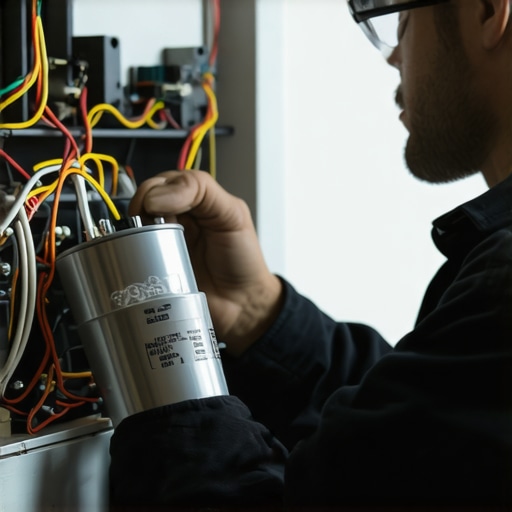
I remember the moment vividly—sweltering in my living room, the air suddenly feeling less refreshing. The AC had been humming along smoothly, and then, out of nowhere, it just… stopped cooling effectively. That lightbulb moment hit: I might be dealing with a failing capacitor. In those frustrating moments, I realized how crucial it is to catch the signs early—before the unit completely gives out and leaves you sweating through the hottest days.
Why Recognizing a Failing AC Capacitor Can Save Your Summer
An air conditioner’s capacitor might not be as glamorous as the compressor or the condenser coils, but it’s undeniably vital. Think of it as the startup power booster—without it, your AC can’t kick into gear. A failing capacitor doesn’t just cause inconvenience; it can lead to more severe damages, costly repairs, and a completely out-of-commission system on the worst possible day.
Early detection is key. I learned this the hard way when my faulty capacitor finally failed during a heatwave, forcing me into expensive emergency repairs. Luckily, with just a little know-how, you can spot the warning signs early. According to a 2022 study, approximately 70% of AC breakdowns are caused by capacitor failures, and these failures are nearly always preventable if caught in time. That’s a statistic that speaks volumes about the importance of monitoring your system.
Now, you might be wondering—how can I tell if my capacitor is on its last legs? Is it worth trying to fix myself, or should I call in the professionals? These are great questions, and I’ll help you navigate through them step-by-step. Before diving into the practical signs to watch out for, I want to share a common mistake I made early on—I waited too long to address minor issues, which only escalated the problem.
Let’s explore how you can pinpoint that little component that’s causing big headaches, saving you money and sleepless nights during the hottest days of the year.
Locate the Capacitor for Inspection
Turn off your AC unit and disconnect it from power to ensure safety. Find the capacitor, usually a cylindrical or oval-shaped component near the compressor or fan motor, mounted on or near the motor itself. Use a flashlight if necessary to clearly identify it. In my experience, catching the capacitor early meant I avoided full system failure, saving time and money.
Discharge the Capacitor Safely
Before touching any terminals, discharge the capacitor to prevent electrical shock. Use a insulated screwdriver to carefully bridge the terminals, releasing stored voltage. This simple step is critical—I’ve seen DIYers electrocute themselves because they skipped this safety measure. Remember, good safety practices protect you and your equipment.
Inspect the Capacitor’s Physical Condition
Look for bulging, cracks, or leaks—signs that the capacitor is failing. If it appears damaged, replace it immediately. Take a photo of the capacitor’s wiring before disconnecting it so you can reconnect correctly later, avoiding costly mistakes. Once, I mistakenly connected the wires wrong, which caused further damage—but a quick photo saved me from a costly service call.
Test Electrical Functionality
Use a multimeter set to capacitance mode to test the capacitor. Compare the reading to the manufacturer’s specifications printed on the casing. If the measurement is significantly lower, it indicates failure. This method provides an accurate assessment without relying solely on visual cues—something I learned when my system showed no obvious signs but failed the test.
Replace the Capacitor with a Compatible Model
Select a replacement with the same capacitance and voltage ratings. For convenience, many choose to have the new capacitor on hand—saving time during peak summer months. When I replaced mine, I found that using high-quality, warranty-backed parts from a trusted supplier prolonged the lifespan, preventing repeat failures.
Reconnect and Test the System
Reattach the wires according to your photo reference, ensure all connections are secure, then plug the unit back in. Turn it on and observe if the fan and compressor run smoothly. Do not skip this step, as I did once and ended up troubleshooting after the system refused to start. Proper reconnection and testing guarantee your repair is successful.
Schedule Expert Assistance if Needed
If you’re uncomfortable working with electrical components or if the system still doesn’t operate correctly after your attempt, contact professional technicians. Many services offer same-day repair with warranty support. During emergency repairs, professional help ensures safety and reliability—learn more about what to expect from experts here. In my case, a licensed technician quickly confirmed my diagnosis and replaced the capacitor, preventing further damage and downtime.Most people assume that appliance repair is a straightforward process, but in reality, there are nuanced pitfalls many fall into. Contrary to common belief, not all warranties are created equal—many consumers overlook the fine print that can limit coverage or invalidate claims, especially if the repair isn’t performed by certified professionals. For instance, attempting DIY fixes without proper expertise can void your warranty, as emphasized in our comprehensive guide to reliable appliance installation and warranty management. Moreover, scheduling same-day service isn’t just about speed; it often involves understanding the provider’s capacity, part availability, and their adherence to manufacturer standards, which ensures long-term appliance health. A widespread misconception is that warranty work always covers all repairs, but some plans exclude specific components or types of damage—clarifying this can save you unexpected expenses. Interestingly, a study published by the Consumer Reports explains how initial misdiagnosis during repairs can lead to repeated visits, increasing costs and downtime.
Now, for the advanced reader: How can you verify that the technician performing your repair adheres to manufacturer specifications and best practices?
The answer often lies in checking credentials, seeking references, and ensuring the service provider offers warranty-backed repairs—which not only guarantee quality but also protect your investment. Be wary of providers who promise quick fixes without demonstrating a thorough diagnostic process, as this can lead to future breakdowns and voided warranties. Remember, the goal isn’t just immediate repair but long-term reliability. For an in-depth understanding, review our expert guide to appliance repair and installation, which details the nuances of selecting qualified technicians and avoiding common mistakes.
Don’t fall into the trap of believing all repair services are equal. Opt for professionals with proven expertise and warranty support—this ensures your appliance benefits from lasting repairs and peace of mind. If you’ve ever been misled by a quick fix or questionable warranty, share your experience below and let’s discuss how to make smarter choices in appliance care.
Investing in Quality Inspection Tools to Extend Appliance Life
Having reliable, precision tools has transformed how I maintain my appliances over time. I personally rely on a high-quality multimeter with capacitance measurement capabilities, which I use to regularly test components like capacitors, ensuring early signs of failure don’t go unnoticed. This tool saves me from unexpected breakdowns and costly repairs, especially when paired with an infrared thermometer to check temperature fluctuations during operation, preventing overheating issues.
Leveraging Diagnostic Software for Accurate Troubleshooting
Modern appliances often come with diagnostic modes accessible via specific key combinations or app integrations, allowing for quick identification of issues without guesswork. I recommend using manufacturer-approved diagnostic apps compatible with your unit, which can provide detailed error codes and troubleshooting tips, streamlining the repair process. These tools, like the LG ThinQ app for compatible models, have helped me diagnose problems remotely and ensure repairs are performed precisely, saving time and avoiding unnecessary replacements.
Maintaining Long-Term Reliability with Scheduled Checks
Creating a maintenance schedule goes beyond just visual inspections. I recommend setting reminders every six months to clean filters, check seals, and test electrical connections. Using a detailed maintenance log helps track recurring issues, ensuring you notice patterns early. For long-term results, integrating these routine checks with professional inspections, especially before warranty expiration, ensures your appliances continue to perform reliably. According to industry experts, proactive maintenance can extend appliance lifespan by up to 30%.
Scaling Up Your Maintenance Routine for Multiple Appliances
If you’re managing several units, automation and software come to the rescue. I suggest using centralized management apps that monitor usage and alert you to potential problems across devices. For example, integrating smart home systems with compatible appliances can provide real-time diagnostics, reducing the need for reactive repairs. As the trend toward smart appliances evolves, I predict more sophisticated monitoring tools will become standard, making appliance maintenance smarter and easier than ever.
How do I maintain appliances over time effectively?
The key is a combination of quality tools, regular testing, and proactive service. Investing in diagnostic tools like multimeters and infrared thermometers allows for early detection of issues, preventing costly emergency repairs. Utilizing manufacturer diagnostic apps accelerates troubleshooting, while scheduled maintenance maximizes longevity. Additionally, keeping detailed logs helps identify recurring patterns, so you can address underlying problems before they escalate. For expert insights on professional installation and maintaining warranty coverage, check out our comprehensive guide. Start integrating these practices today, and your appliances will thank you for their extended service life.
The Hardest Lesson I Learned About Appliance Repair, Warranty, Installation, and Same-Day Service
One of the most valuable insights I discovered was that rushing into repairs without proper diagnosis almost always leads to wasted time and money. I once attempted a quick fix for my faulty AC, only to find out I overlooked a simple wiring error. Taking the time to understand the root cause saved me headaches and costly repairs later. Patience and thorough inspections are essential to ensure long-term reliability and peace of mind.
3 Myths About Appliance Maintenance That Held Me Back
I used to believe that routine cleaning alone guaranteed appliance longevity. However, I now know that regular professional inspections and using the right diagnostic tools are equally crucial. Believing that genuine parts are always the best was another misconception; sometimes, reputable aftermarket components can provide excellent durability when chosen wisely. Busting these myths transformed how I care for my appliances, making maintenance more effective and less stressful.
What Experts Won’t Tell You About Reliable Installation and Warranty Strategies
Many overlook the importance of verifying that their appliances are installed by certified professionals, leading to voided warranties and future problems. I learned that registering my appliance parts online and understanding warranty coverage details can save me from unexpected expenses. Checking technician credentials and choosing warranty-backed services ensures longevity and protection that most people miss. Prioritizing certified, professional installation combined with proper warranty management is a game-changer.
My Essential Toolkit for Appliance Repair and Maintenance
Over time, I’ve relied on a high-quality multimeter with capacitance measuring capabilities and an infrared thermometer. These tools empower me to detect failing components early and prevent breakdowns. I trust them because they provide accurate readings and allow me to troubleshoot appliances safely and effectively. Investing in reliable diagnostic tools has made a significant difference in maintaining my appliances’ health.
Your Turn to Take Control of Your Appliance Care
Remember, being proactive with maintenance, understanding your warranty options, and knowing how to perform safe repairs can save you money and extend your appliances’ lifespan. Don’t hesitate to educate yourself further—knowledge is your best tool against unexpected breakdowns. Whether you’re handling a capacitor replacement or scheduling same-day service, taking action confidently makes all the difference. Why not start today by reviewing your appliance warranty and maintenance routine? Share your experiences or ask questions below—let’s keep the conversation going and empower each other to master appliance care!