
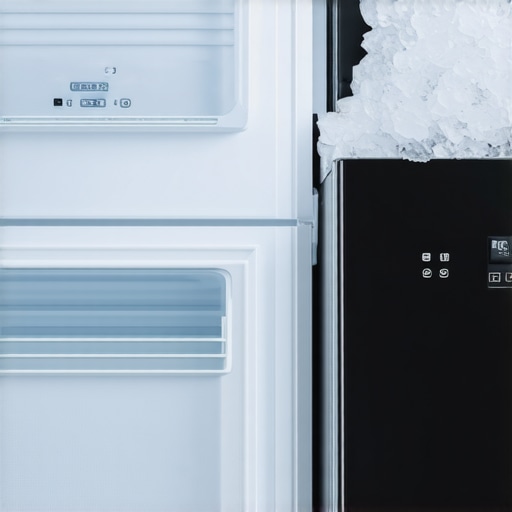
It was a typical Saturday afternoon when I first noticed the strange silence from my freezer’s ice maker. The fridge was humming along just fine—cold and reliable—but the ice maker hadn’t produced a single cube in weeks. Initially, I dismissed it as a minor glitch, but as days went by, the urge to get ice for my drinks turned into frustration. That’s when the lightbulb went off: why was my freezer still cold, yet the ice maker was dead?
Decoding the Freezer and Ice Maker Dilemma
You’ve probably experienced this too—a frozen freezer compartment, but no ice production. It’s a curious problem because, on the surface, everything seems normal. The fact that your freezer is maintaining its chill indicates that the main cooling system is working. However, the ice maker’s failure to produce can point to specific issues, often overlooked during routine maintenance.
As someone who’s been through this nightmare, I can tell you it’s not always a matter of replacing the entire unit. Often, the culprit is a simple fix—think clogged water filters or faulty water valves—that you can address without calling in professional help. But, a mistake I made early on was assuming that the problem would resolve itself or that it was a minor electrical glitch. Trust me, ignoring these signs can lead to more significant problems down the line.
Knowing which parts to inspect can save you time and money. For example, a dirty or clogged filter can restrict water flow, preventing the ice maker from filling properly. Similarly, a malfunctioning water inlet valve can cut off water supply altogether, leaving you with a fridge that stays cold but no ice.
Have you faced this exact issue—your freezer is cold, but the ice maker isn’t making ice? If yes, you’re not alone, and understanding the root causes can help reverse the situation quickly.
Beyond just fixing the problem, regular maintenance like cleaning the ice maker components and replacing filters can extend the lifespan of your appliance. For more on preventing minor issues from turning into major repairs, check out this insightful article on [the hidden costs of using generic parts for appliance repairs](https://discountappliancehub.com/the-hidden-cost-of-using-generic-parts-for-appliance-repairs).
As we move forward, I’ll walk you through practical steps to troubleshoot and fix this common issue, so you can get your ice maker back in action without unnecessary expenses or frustration.
Check the Water Supply Line for Blockages and Leaks
Start by locating the water inlet valve connected to your ice maker. Turn off your refrigerator and disconnect the water line using a wrench, then inspect it for kinks, cracks, or clogs. Once cleaned or replaced, reconnect the line and turn the water supply back on. I once replaced a kinked hose that was clogging the water flow, and suddenly the ice maker started producing ice again—an affordable fix that saved me a service call.
Replace or Clean the Water Filter
Over time, mineral deposits and debris clog the water filter, impeding water flow to the ice maker. Remove the filter following your refrigerator’s manual, and replace it if it’s over six months old, or give it a thorough cleaning if it’s reusable. This simple maintenance often restores proper water flow, as I learned when my ice maker suddenly resumed operations after replacing a worn filter.
Inspect and Replace the Water Inlet Valve
The water inlet valve controls water entering the ice maker. Test it by listening for a humming sound when the ice maker is supposed to fill with water. If silent or faulty, it needs replacing. Turn off the water supply, disconnect the valve, and use a multimeter to check continuity. After replacing my faulty valve, my ice maker was back online within an hour, proving how vital this step is.
Clean the Ice Maker Components
Dirt, mineral buildup, or ice blockages can hinder operation. Use a damp cloth to wipe down the ejector arm, bins, and other accessible parts. For stubborn buildup, a mixture of vinegar and water can dissolve deposits. I once cleaned my ice mold and was surprised by how much it improved production, plus it prevented future jams.
Test the Ice Maker Wiring and Sensors
Sometimes, electrical issues are behind the problem. Unplug the fridge, remove the ice maker assembly, and inspect the wiring harness for loose connections, broken wires, or corrosion. If wiring looks damaged, replace it or consult a technician. I found a frayed wire that was causing intermittent operation, and fixing it restored full functionality.
Replace the Ice Maker Assembly If Necessary
If all other components check out, the ice maker module itself might be faulty. Purchase a compatible replacement, following the manufacturer’s instructions for removal and installation. Be sure to disconnect power and water before starting. Replacing my faulty ice maker module was straightforward, and it salvaged my investment, avoiding the cost of a new refrigerator.
If you’re unsure or uncomfortable with handling electrical or plumbing parts, consider professional appliance repair services. They can diagnose and fix the problem quickly, often offering same-day service, and ensure your ice maker functions perfectly again.
Many homeowners assume that understanding how to fix appliances or navigate service options is straightforward. But there’s a pattern of misconceptions—particularly around installation, warranties, same-day service, and repair costs—that can lead to costly mistakes. Let’s dig deeper into these nuances and explore why common beliefs might be doing more harm than good.
Why does skipping professional installation often backfire?
Everyone tells you that DIY installation saves money, but in my experience, rushing through or neglecting proper setup can void warranties or cause long-term damage. For example, improper water-line connection for a new fridge can lead to leaks or water damage, and many overlook the importance of following manufacturer guidelines—that’s why consulting detailed manuals or professional services is a smart move. Incorrect installation can also affect appliance performance, making it seem like it’s faulty when, in fact, it was misconfigured from the start. For reliable setup, always consider professional help, especially for critical connections like water and electrical lines. Check out this guide to avoid installation pitfalls.
What myths surround warranty coverage that might cost you later?
A common misconception is that warranties cover all repairs for the full duration. In reality, many warranties exclude components like filters or consumables, and some have strict conditions for coverage, such as authorized service providers or proper maintenance. Ignoring this can lead to denied claims when issues arise. Also, many don’t realize that voiding the warranty through improper use or unauthorized repairs can eliminate their protection entirely. For example, using generic parts might seem cost-effective initially, but as highlighted in this article, it can lead to failures and invalidate warranty coverage. Always read the fine print and keep documentation to maximize your warranty benefits.
Same-day service promises: Are they always trustworthy?
Legends of lightning-fast repairs are widespread, but the truth is more nuanced. Many service providers advertise same-day or emergency repairs, yet actual availability depends on technician schedules, parts inventory, and service complexity. Some providers might prioritize high-margin jobs or only offer expedited service within a limited geographic area. Relying solely on the promise of quick fix can be risky—an unprepared technician might perform a superficial repair or suggest unnecessary parts replacements. An informed homeowner asks: “What qualifies as same-day service?” and verifies credentials before booking. For quick fixes and preventative maintenance, it pays to understand the scope of services and read customer reviews. Want to avoid disappointments? Learn how to identify trustworthy repair providers and plan for potential delays.
Are there advanced mistakes homeowners often overlook?
Absolutely. A subtle but significant mistake is ignoring regular maintenance that prevents larger issues. For instance, neglecting coil cleaning can drastically reduce your refrigerator’s efficiency and lifespan, yet many skip this step. Moreover, improper disposal of old parts or medications can lead to environmental hazards, and failure to disconnect power or water during repairs can pose safety risks. A particularly sneaky trap involves assuming that repairs are always straightforward—without considering the complexity of electrical or plumbing systems. This oversight can result in damage or injury. For expert advice, see the vital coil cleaning techniques and always prioritize safety protocols.
Have you ever fallen into this trap? Let me know in the comments.
Equip Yourself with Precision Tools for Long-Term Appliance Care
To ensure your appliances stay in top shape, investing in the right tools is crucial. I personally rely on a high-quality multimeter, which allows me to efficiently diagnose electrical issues, such as faulty wiring or blown thermal fuses. A digital thermal gun is invaluable for quickly measuring surface temperatures on components like door seals or heating elements, helping prevent potential malfunctions before they escalate. Additionally, a compact, versatile service wrench set simplifies plumbing and hardware adjustments, saving time during maintenance. Using these tools consistently enables me to perform accurate assessments and minor repairs without immediately resorting to professional help, which keeps my appliances functioning optimally over time.
Implement Effective Maintenance Rituals
Establishing a regular maintenance routine helps extend the lifespan of your appliances. For example, scheduling monthly coil cleaning using a soft brush and a vacuum attachment prevents dust buildup that can hinder cooling efficiency, reducing energy costs and avoiding breakdowns. Changing water filters every six months ensures consistent water flow, especially critical for ice makers and water dispensers. Moreover, inspecting door seals for cracks or gaps with a soapy water test can prevent cold air leaks, maintaining efficiency. These small but consistent actions cultivate a proactive approach, reducing the likelihood of emergency repairs and costly replacements over the years.
Leverage Technology for Maintenance Schedule and Diagnostics
Modern appliances often feature smart diagnostic systems that can alert you to specific issues remotely. I recommend utilizing manufacturer apps and software when available, as they provide insights into performance metrics and maintenance alerts. For instance, some smart fridges can notify you when the condenser coil needs cleaning or if the door gasket isn’t sealing properly. Incorporating these digital tools simplifies troubleshooting and helps plan maintenance around your schedule. As technology advances, integration of AI-powered diagnostics will become even more precise, guiding homeowners through the necessary steps and reducing service calls.
Predict Future Trends in Appliance Maintenance
The future points toward more AI-driven diagnostics, remote monitoring, and integrated repair solutions. Companies are investing in smart, self-maintaining appliances that detect issues early and either fix themselves or alert professional services automatically. Staying ahead of these advancements means adopting compatible tools and apps now to maximize their benefits when they become mainstream. For example, using an appliance-specific diagnostic app in tandem with traditional multimeters will prepare you for a seamless transition into the next generation of appliance care.
How do I maintain my appliances over time to avoid costly repairs?
Consistent, proactive maintenance is your best strategy. Regularly cleaning components, changing filters, inspecting seals, and utilizing diagnostic tools like digital thermal guns or multimeters helps detect issues early. Additionally, adopting smart monitoring apps can provide real-time alerts, enabling you to address problems before they escalate. This approach not only prolongs appliance life but also maintains optimal performance, saving you money and frustration in the long run. Want to see an immediate difference? Try recalibrating your temperature sensors using a reliable digital thermometer—it’s a simple step with big benefits. For in-depth guidance, consult this article on troubleshooting your washing machine’s movement issues, highlighting the importance of proper calibration and maintenance.
Found Out the Hard Way That Not All Repairs Are Created Equal
One of the most eye-opening lessons I learned is that DIY fixes often seem straightforward but can lead to bigger problems if you’re not cautious. For example, attempting to replace a water inlet valve without proper knowledge or tools can cause leaks or electrical issues, costing more in the long run. Trusting professionals when you’re unsure saves both time and money—and keeps your appliance running smoothly.
How Overconfidence Can Cost You More Than a Service Call
I once thought I could handle wiring my refrigerator’s water line, only to discover that a small mistake caused a minor flood. It taught me that understanding your limits is crucial. Investing in proper tools and knowing when to call the experts ensures repairs are done right the first time, avoiding the expense of rework or damage.
Why Rushing Through Installation Can Void Your Warranty And Cause Damage
Skipping detailed instructions might seem like a time-saver, but in my experience, improper installation—especially with water lines or electrical connections—can void warranties. Reading the manual or hiring a professional ensures compliance with warranty requirements, preventing costly repairs down the line. Check out this guide for proper installation techniques.
What I’ll Never Skip During Routine Maintenance
Regularly cleaning coils, replacing filters, and inspecting seals has been a game-changer. I used to neglect these steps until I faced higher energy bills and unexpected breakdowns. Routine upkeep not only prolongs appliance life but also improves efficiency, saving me money. For specific tips, see this article.
Smart Tools and Tech Are Changing the Repair Game
Equipping myself with a digital multimeter and thermal gun has empowered me to identify issues before they escalate. Smartphone apps that monitor appliance health are also becoming invaluable. These tools reduce dependence on guesswork and help me perform accurate diagnostics, making repairs more predictable and less stressful.