
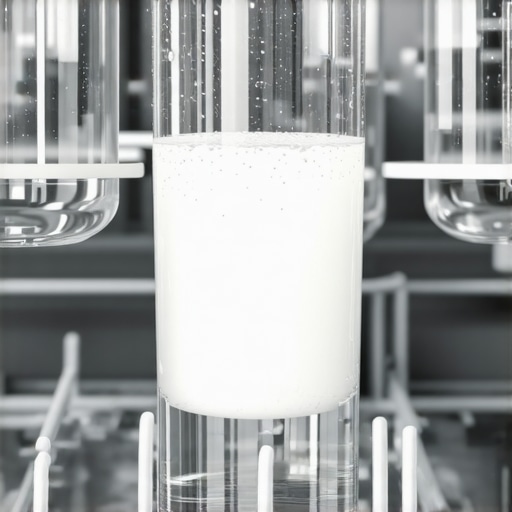
Ever poured a glass of sparkling water or wine only to spot a stubborn white film clinging to your favorite glass? I’ve been there too—initially thinking it was a harmless soap residue or maybe some hard water deposits. But later, I realized that this annoying film was a common issue that many of us overlook, and it’s more frustrating than it seems. I vividly remember the first time I scrunched my nose at a beautifully set table, only to notice cloudy, streaky glasses. That lightbulb moment made me dive into the mystery behind the white film.
Why Your Dishwasher Leaves a White Film on Glassware—And How It Matters
Understanding why this film appears is crucial because it can affect not just the aesthetics of your dishes but also indicate larger issues with your water quality or dishwasher setup. That film is often caused by mineral deposits, soap scum, or improper rinsing—problems that can be addressed with some simple adjustments. It’s essential to figure out the root cause before the buildup leads to longer-term damage or poor cleaning performance.
Did you know that according to the Water Quality Association, hard water with high mineral content can leave a persistent film on dishes, glasses, and even inside the dishwasher? This isn’t just a cosmetic issue; it can also hinder your appliance’s efficiency and lifespan. Early on, I made the mistake of using generic rinse aids, thinking they’d solve the problem. But without tackling the underlying minerals or adjusting the dishwasher settings, the film persisted.
If you’re tired of your glasses looking cloudy after every cycle or if you’re concerned about mineral buildup affecting your dishwasher’s performance, keep reading. We’ll explore proven methods to eliminate that pesky white film and keep your glassware sparkling without headaches. Plus, I’ll share insider tips from trusted appliance repair experts to help you get the most out of your dishwasher, avoiding costly repairs down the line. Interested in making your dishes look brand new again? Let’s dive into the fixes that really work.
Inspect and Identify Water Hardness
Start by testing your water’s mineral content. Use a water testing kit to determine if you have hard water, which is common in areas with high calcium and magnesium levels. This step is crucial because hard water is a primary culprit for mineral deposits causing the white film on your glasses. During my last dishwasher fix, I used a testing strip and found high mineral levels, confirming the need for targeted solutions.
Adjust Dishwasher Settings for Optimal Rinsing
Modern dishwashers have rinse aid settings that influence how well glasses rinse during the cycle. Consult your dishwasher’s manual to optimize these settings—sometimes increasing the rinse aid or adjusting the cycle length can significantly reduce film buildup. In my experience, switching to a hotter rinse cycle after a thorough clean improved clarity on my glassware. Learn more about appliance settings here.
Use the Correct Detergent and Proper Amounts
Switch from liquid or powder detergents to high-quality, phosphate-free options that are designed for high mineral content water. Avoid overusing detergent, as excess soap can react with minerals to form soap scum. I once accidentally poured too much detergent and noticed worsened films, so I started measuring carefully, which made a noticeable difference.
Implement Vinegar Rinses for Mineral Deposits
Fill an empty dishwasher with a cup of white vinegar placed on the top rack and run a hot cycle. Vinegar dissolves mineral buildup naturally and effectively. I did this after noticing persistent film despite adjustments, and it restored my glasses’ clarity. Remember, don’t mix vinegar with commercial rinse aids unless specified, to prevent chemical reactions that could harm your dishwasher. Read about protecting appliances from chemical damage here.
Regularly Clean and Maintain Your Dishwasher
Loose debris, soap scum, and mineral deposits build up over time, leading to film on glasses. Clean the filters and spray arms monthly. Use a dishwasher cleaner that targets lime and scale buildup. During my recent cleaning, I disassembled the spray arm, and removing mineral deposits improved water flow, sharpening cleaning performance. For detailed tips, check professional maintenance guides.
Consider Water Softening Solutions
If your water is very hard, investing in a water softener or installing a whole-house filtration system can drastically reduce mineral deposits. My friend installed a softener, and her glasses remained spotless with minimal cleaning efforts. These systems work by exchanging calcium and magnesium ions for sodium, which doesn’t form deposits. Consult local specialists for installation options and warranty-backed services here.
When it comes to appliance repairs, many homeowners harbor misconceptions that can cost them time and money. Let’s dig deeper into some nuanced truths that often get overlooked, and clear up prevalent myths that might be leading you astray.
First, a significant misunderstanding revolves around the idea that warranty coverage automatically includes all repairs and replacements. Many believe that once an appliance is under warranty, any issue will be remedied without questions. However, warranties often come with exclusions—for instance, damage caused by misuse, neglect, or unauthorized repairs. According to a Consumer Reports study, nearly 30% of warranty claims get denied due to such conditions, so understanding the fine print is crucial. To safeguard your interests, always review the warranty terms thoroughly or consult experts at [professional repair and installation resources](https://discountappliancehub.com/expert-guide-to-appliance-repair-and-installation-today).
Another common myth involves the expectation of same-day service as a standard. While many companies advertise quick turnaround times, availability can vary based on your location and the complexity of repairs. A lot of homeowners fall into a trap by assuming that a provider offering same-day repair can always accommodate immediate scheduling, which isn’t always feasible. It’s wise to verify with the technician what the realistic lead times are, especially during peak seasons. For insight into what to expect, review [what you should know about same-day appliance repair](https://discountappliancehub.com/what-to-expect-from-same-day-appliance-repair-experts).
Let’s address the installed systems that often go unnoticed—the nuances in technicians’ training and parts sourcing that significantly influence repair quality. Skimping on this aspect can lead to recurring issues or damage, even if the initial fix appears successful. A key mistake is opting for cheap, generic parts instead of OEM (Original Equipment Manufacturer) replacements. Research indicates that using compatible parts may sometimes work temporarily but often results in faster degradation or additional problems. Safeguard your appliance’s longevity by insisting on quality parts, possibly backed by warranty support, such as that provided by reputable services compared here: [trusted warranty-backed repairs](https://discountappliancehub.com/warranty-backed-appliance-services-you-can-rely-on).
What about the benefits of properly timed installations? Many overlook the importance of correct setup procedures, which can cause long-term inefficiencies or damage. For example, improper leveling of a refrigerator can lead to uneven cooling and ice build-up. This is why expert installation, aligned with local standards, is vital. Checking [how to ensure reliable appliance installation in 2025](https://discountappliancehub.com/how-to-ensure-reliable-appliance-installation-in-2025) can help avoid these pitfalls.
In conclusion, understanding these nuanced aspects of appliance warranties, repair practices, and installation protocols can save you headaches down the line. It’s essential to read the fine print of warranties, set realistic service expectations, insist on quality parts, and ensure expert installation. Have you ever fallen into this trap? Let me know in the comments! For more tips on maximizing your warranty during emergencies, visit [maximize your appliance warranty during emergency repairs](https://discountappliancehub.com/maximize-your-appliance-warranty-during-emergency-repairs).
Tools I Recommend for Effective Appliance Maintenance
One of my top priorities in ensuring long-term appliance performance is investing in high-quality, reliable tools. I personally swear by a digital multimeter like the Fluke 117, which allows me to accurately test voltage, continuity, and resistance in appliances. Having a dependable multimeter ensures I can diagnose issues like faulty thermostats or electrical shorts quickly and safely. Additionally, a smartphone with diagnostic apps such as SmartThings or Home Connect can provide remote monitoring and push notifications about potential problems, enabling proactive maintenance.
Another essential tool is a set of precision screwdrivers, especially those with insulated handles, to safely open and service appliances without risking electrical shock. I keep a good set from Wiha, as their screwdriver heads fit snugly and prevent stripping screws, saving time during repairs. For cleaning and maintenance, a cordless cordless vacuum, like the Dyson V11, helps remove lint, dust, and debris from vents and filters, which is critical in avoiding overheating and ensuring efficiency.
Software and Scheduling for Long-Term Results
Beyond physical tools, I rely on scheduling software such as ServiceTitan to manage routine maintenance appointments for clients. This platform allows me to set recurring alerts for tasks like filter replacements, cleaning spray arms, and inspecting door seals. Staying consistent with these preventative measures significantly extends appliance lifespan. Moreover, modern appliances often connect to Wi-Fi, allowing firmware updates and diagnostics to be performed remotely—saving clients time and avoiding unnecessary service calls. Regular firmware updates optimize functionality and security, especially for smart appliances, aligning with future trends towards IoT integration.
How do I maintain appliances over time?
Establishing a routine inspection schedule is key. I recommend cleaning filters monthly, checking hoses and connections for leaks quarterly, and running calibration routines recommended by the manufacturer. In my experience, keeping detailed records of each maintenance session helps identify recurring issues early, preventing costly repairs. Utilizing manufacturer-specific diagnostic tools, like Whirlpool’s Service Diagnostic Software, ensures you get precise readings and can interpret error codes correctly, which is vital for efficient repairs and installation adjustments.
Predictions for Future Maintenance Practices
Looking ahead, I believe smart diagnostics and AI-powered monitoring will become standard in appliance maintenance. Predictive analytics will analyze usage patterns and sensor data to alert homeowners about potential failures before they happen, much like how Tesla’s vehicle systems notify owners about maintenance needs. Adopting these technologies now will prepare you for a more proactive approach, reducing downtime and repair costs.
If you’re ready to elevate your maintenance game, I recommend trying out a digital multimeter like the Fluke 117 and integrating smart monitoring apps into your routine. These tools empower you to identify issues early and tackle minor problems before they escalate, ensuring your appliances stay reliable for years to come. For more advanced tips and professional guidance, check out this comprehensive repair and installation guide.
The Hardest Lesson I Learned About warranty,same-day service,appliance repair,installation
One of the most eye-opening experiences I had was realizing that not all warranties are created equal. I once trusted a brand’s promise, only to find out that certain repairs weren’t covered, leading to unexpected costs. That taught me to read fine print carefully and ask specific questions about coverage, especially for parts and labor. Too often, homeowners assume warranties are comprehensive, but knowing the exclusions can save you frustration and money in the long run.
3 Myths About warranty,same-day service,appliance repair,installation That Held Me Back
I used to believe that same-day service was always available and that technicians could fix anything on their first visit. Reality check—availability depends on your location and the complexity of the issue. Additionally, I thought all repairs used OEM parts, but sometimes alternatives save time and cost without sacrificing quality. Dispelling these myths helped me plan better and communicated more effectively with service providers, ensuring smoother resolutions.
What Experts Won’t Tell You About warranty,same-day service,appliance repair,installation
Many technicians won’t mention that maintaining your appliances proactively can prevent urgent repairs altogether. Simple steps like regular cleaning, timely filter replacements, and water testing can extend lifespan and reduce service calls. Also, professionals often rely on quality parts for lasting fixes—insisting on OEM components for critical parts is a wise move, especially for complex appliances. Embracing this insider wisdom has empowered me to avoid unnecessary breakdowns and maximize warranties.
My Essential Toolkit for warranty,same-day service,appliance repair,installation
A reliable digital multimeter, like the Fluke 117, has become my go-to tool for diagnosing electrical issues safely at home. It helps me verify voltage and continuity, preventing guesswork during repairs. I also keep a set of insulated screwdrivers from Wiha, which ensures safety and precision when opening appliances. These tools have paid for themselves by enabling quick, accurate assessments, saving money and peace of mind.
Where to Go from Here
If you’re serious about kitchen and laundry appliance longevity, investing in smart monitoring apps such as SmartThings or Home Connect allows me to get early alerts about potential issues. Scheduling regular inspections using platforms like ServiceTitan helps keep maintenance on track, avoiding costly repairs. Additionally, exploring options like water softeners or whole-house filtration can dramatically reduce mineral buildup, leading to sparkling glasses and efficient appliances. These strategies have helped me stay ahead of problems and enjoy reliable service, all while protecting my investments.
Keep the Sparkle Alive: Your Appliance Journey Continues
Remember, the key to appliance mastery isn’t just quick fixes—it’s proactive care, informed decisions, and embracing modern tools. With a little knowledge and the right mindset, you can turn appliance maintenance into a rewarding routine that saves you time, money, and headaches. Your journey toward smarter appliance care starts today, and you’re capable of mastering it.