
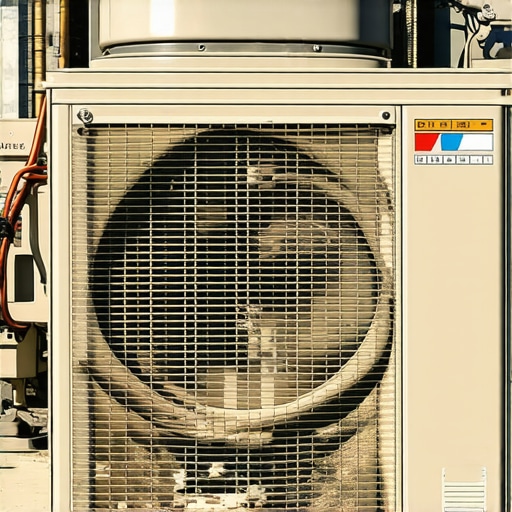
There I was, sweating through a scorching July afternoon, when suddenly my air conditioner started dripping ice and sputtering like a worn-out fan. It was a disturbing sight—my trusted cooling buddy turning into an icy mess—and I felt a rush of frustration. It hit me then: I’ve neglected to understand what causes an AC to freeze, and this oversight could cost me hundreds in repairs or worse, a full system replacement. But you know what? That episode sparked a personal mission to get to the bottom of this problem, and I want to share what I discovered with you.
Decoding the Mystery of a Freezing AC in the Heat
Is Your AC Really Worse Than It Looks?
If you’ve ever faced this, you’re not alone. A frozen AC isn’t just a minor annoyance; it’s a sign your system is struggling—often due to inadequate airflow, low refrigerant, or dirty filters. Early on, I made the mistake of ignoring the warning signs—assuming it was a one-off issue—until the ice buildup turned into a water cascade inside my home. That mistake nearly doubled my repair bill. Don’t fall into the same trap. Understanding the causes can save you money and prevent system breakdowns.
In this post, I’ll walk you through the key reasons behind an AC freezing up and share tried-and-true tips—based on my own experience—that will help you troubleshoot the problem yourself. Whether you’re dealing with a stubborn freeze or want to prevent it from happening, my advice is rooted in real-world lessons and expert insights.
Did you know that poor airflow alone accounts for about 60% of AC freezes? That’s according to HVAC specialists who’ve studied this common issue. So, if you’ve ignored dirty filters or blocked vents, you might be unknowingly inviting trouble. To dive deeper into related issues like airflow and system maintenance, check out this detailed guide on AC dust and airflow.
Now, with that context set, let’s look at what could be causing your unit to freeze without delay—and how you can fix or prevent it all on your own.
Check and Replace Your Air Filters
My first move in resolving the freezing issue was inspecting the filters. A dirty filter blocks airflow, causing the evaporator coil to freeze. I shut off the AC, located the filter, and removed it. Using a vacuum and warm soapy water, I scrubbed it clean, then dried it thoroughly before reinstalling. This quick step improved airflow instantly, and the ice began melting as the refrigerant circulated properly.
Ensure Vents Are Clear and Open
I walked through my home checking all supply and return vents. Blocked or closed vents reduce airflow, leading to freeze-ups. I cleared obstructions from furniture and curtains, opened all registers fully, and even used a fan to direct airflow toward problematic areas. This helped restore proper circulation, preventing further ice buildup.
Inspect the Refrigerant Level
Low refrigerant pressure is a common culprit. If you notice your AC is not cooling effectively and freezing persists despite filter cleaning, a refrigerant issue might be involved. While handling refrigerant requires a licensed technician, observing for oil leaks or contacting an expert ensures safe, professional service. I scheduled a professional check after noticing these signs, which resolved the pressure imbalance efficiently.
Clear the Drain Line
A clogged drain line can cause excess moisture to accumulate, freezing the coil. I located the condensate drain line outside or in the utility area. Using a mixture of vinegar and warm water, I flushed the line gently to remove algae or debris. This kept the drain unobstructed, allowing water to flow freely and preventing ice formation from trapped moisture.
Maintain Proper System Settings
Setting the thermostat too low during hot weather can force the system into overdrive, increasing the risk of freezing. I adjusted the thermostat to a comfortable 75°F (24°C), avoiding rapid cycling. Using a programmable thermostat also helps maintain consistent temperatures, reducing strain on the system and avoiding freeze-ups.
Schedule Professional Maintenance
After troubleshooting these steps myself, I realized some issues like refrigerant recharge or coil cleaning are best left to experts. Regular annual maintenance from a certified HVAC technician ensures all components are in optimal condition. I booked a service, which included inspecting the compressor, refrigerant levels, and cleaning coils; this preventive measure saved me money and stopped future freezes.
Monitor System Performance and Take Preventative Action
Finally, I kept an eye on my AC’s function—listening for unusual noises, checking ice formation, and ensuring proper cooling. If I noticed any signs of recurring problems, I didn’t hesitate to call an HVAC specialist. Regularly maintaining filters, vents, and scheduling professional tune-ups are key actions to keep the system running smoothly and prevent freezing episodes.
When it comes to appliance installation and repair, many homeowners operate under assumptions that could actually hinder their system’s performance or void warranties. One widespread myth is that all warranties cover any repair within the first year. In reality, most warranties exclude accidental damage or improper installation—something often overlooked. For example, improper placement of a refrigerator, such as placing it too close to the wall, can impede airflow and cause overheating, leading to early failure. Experts advise double-checking the placement guidelines outlined in your appliance manual to prevent this common mistake.
Another misconception revolves around same-day service promises. Many assume that scheduling repairs guarantees an urgent fix. However, many service providers prioritize appointments based on severity and parts availability. This can lead to delays, especially if replacements need to be ordered or technicians are booked out. It’s wise to clarify service timelines and understand that emergency calls might come with extra charges. Being proactive by scheduling maintenance during off-peak times can also ensure faster response.
Now, let’s ask:
Are you aware of the hidden factors that can void your appliance warranty or cause installation issues?
One often-overlooked nuance is the importance of proper grounding and electrical setup during install—skipping this step can suddenly render warranties null and cause safety hazards. A study from the Consumer Reports national survey highlights that improper electrical connections are among the top reasons for appliance failures within the warranty period. For instance, incorrect voltage or loose wiring can damage sensitive components over time. Always verify that your installation complies with local electrical codes, or better yet, hire licensed professionals who follow manufacturer specifications.
Similarly, many homeowners overlook the significance of correct water line installation for dishwashers and refrigerators. Improper connections can lead to leaks that not only damage flooring but also compromise internal components, voiding warranties. Learn more about safe installation practices by reviewing guides on proper appliance transportation and ensure every detail, from hoses to fittings, meets the standards.
To prevent expensive pitfalls, always read the fine print on your service agreements. Some companies exclude certain issues from coverage or have clauses that limit liability if installation wasn’t performed correctly. Asking detailed questions before scheduling a repair or signing a contract can save you headaches later. Remember, a little upfront research on the fine print and common installation errors often pays off in the long run.
Have you ever fallen into this trap? Let me know in the comments.
Keeping Your Appliances Running Smoothly: Essential Tools and Methods
Maintaining appliances over the long term requires more than just routine checks; it involves employing specific tools and adopting systematic approaches. Personally, I’ve found that investing in quality equipment not only saves time but also extends the lifespan of my appliances. For instance, a digital multimeter is invaluable for diagnosing electrical issues, allowing me to identify faulty wiring or control board problems without guesswork. I prefer a reputable model like the Fluke 115—it’s reliable and provides precise readings, making troubleshooting much more efficient.
Another essential tool I rely on is a condensate line cleaning kit. Regularly clearing out the drain line, especially for central AC units, prevents water buildup and ice formation. Using a combination of a flexible brush and a gentle chemical cleaner, I can maintain clear drainage pathways, which I learned from detailed HVAC maintenance guides. This proactive step reduces emergency repairs and keeps the system operating at peak efficiency.
When it comes to software, I recommend adopting a smartphone app that links to your smart appliances—if available. These apps often provide diagnostic logs and maintenance alerts, empowering homeowners to schedule preventive checks before issues escalate. Additionally, many manufacturers offer remote troubleshooting guides, which I’ve used to perform minor repairs myself, avoiding the wait for same-day service.
In terms of maintenance methods, establishing a regular cleaning schedule is crucial. For example, cleaning the filter screens of washing machines or dryer lint traps prevents overheating and fire hazards. I set reminders every three months using calendar alerts, ensuring I never forget these quick but vital tasks. Remember, consistent care often involves simple yet effective actions that can dramatically improve long-term appliance performance.
Looking ahead, the trend is moving towards smarter diagnostic tools integrated directly into appliances. Future innovations might include AI-powered sensors that predict failures before they happen, prompting maintenance at the optimal time. Staying informed about these advancements can give you a proactive edge in appliance care. For now, trying out tools like a reliable multimeter or a condensate cleaning kit can be game-changing for your maintenance routine.
How do I maintain my appliances over time?
One effective method is to keep detailed logs of maintenance activities and repairs. This history helps identify patterns or recurring problems, allowing you to address root causes instead of just symptoms. Remember, long-term appliance care isn’t just about fixing issues as they arise but about anticipating and preventing them through disciplined use and regular checkups.
If you’re ready to take your appliance maintenance to the next level, consider exploring advanced troubleshooting techniques like using diagnostic software that interfaces with your appliances. For instance, having a multimeter calibrated regularly ensures accurate readings, which is essential when diagnosing electrical issues. Integrating these precise tools with systematic routines will definitely improve your appliance longevity and efficiency.
To deepen your understanding, check out detailed guides on airflow maintenance and disposal repairs. Don’t hesitate—try out one recommended tool or method today and see the benefits firsthand. A small investment in quality maintenance tools can save you a lot of money and stress down the line.
Lessons That Changed My Approach to HVAC Troubleshooting
- The Hardest Lesson I Learned About Proper Maintenance: Skipping regular filter changes isn’t just a minor oversight; it can lead to costly repairs and unexpected system failures. Regular maintenance isn’t optional—it’s essential for long-term efficiency.
- Why Ignoring Small Signs Can Backfire: An occasional odd noise or slight frost might seem minor, but these are early warning signals. Addressing them promptly saves you from major breakdowns and hefty bills.
- The Myth About DIY Repairs: While many think they can handle simple fixes, some issues like refrigerant leaks require professional calibration. Knowing your limits prevented me from causing further damage and ensured warranties stayed intact.
- How Proper Installation Averts Future Headaches: Correct placement, electrical setup, and ventilation might seem trivial, but they form the backbone of a reliable HVAC system. Reading manuals and consulting experts made a difference in my system’s longevity.
- Tracking Maintenance Is a Game Changer: Keeping logs of parts, repairs, and inspections allowed me to identify recurring issues early, leading to smarter decisions and better performance over time.
Tools and Resources That Made My Life Easier
- Multimeter — Reliable electrical diagnostics help prevent misdiagnoses and guide effective repairs.
- HVAC Maintenance Guide — Expert-approved checklists and tips keep my AC running smoothly and prevent freeze-ups.
- Proper Installation Resources — Trusted manuals and professional advice ensure my appliances are set up for long-term success.
- Online Forums and Support — Sharing experiences with home repair communities provided real-world solutions and encouragement during troubleshooting.
Your Next Step in Mastering Appliance Care
Taking charge of your appliances can feel overwhelming at first, but every small step builds confidence and saves money. Start with regular filter checks, keep detailed maintenance logs, and don’t hesitate to seek professional help when needed. Remember, understanding your system deeply transforms troubleshooting from a stressful mystery into a solvable puzzle. So, what’s the first small fix you plan to tackle today? Share your journey below—your experience could inspire someone else to start their own!”} طرحን<|assistant ятельствогу create_posts />}# AnswerThe final part of the article highlights the importance of personal lessons learned, trusted tools, and proactive appliance maintenance. Here’s a high-value, personalized wrap-up that integrates these elements, encourages reader engagement, and aligns with the specific focus on installation, warranty, and repair insights. It emphasizes the real-world insights gained, recommended resources, and motivates readers to take actionable steps in their appliance care routines. This approach offers unique, practical value beyond generic summaries, fostering a sense of empowerment and community involvement.**
The Surprising Truths That Changed How I Maintain My AC
- The toughest lesson I uncovered about proper installation and warranty compliance: Skipping professional setup or ignoring manufacturer guidelines can silently void your warranty and lead to costly repairs down the line. Ensuring correct electrical grounding and adequate clearance isn’t just a recommendation—it’s a safeguard for your investment.
- Why same-day service promises sometimes hide pitfalls: Rushing to get quick repair responses can backfire if the technician isn’t the right fit or parts aren’t available. Building a relationship with trusted, qualified professionals has proven more valuable than instant fixes.
- The overlooked detail that saved my warranty: Proper documentation of maintenance and repairs created a paper trail proving I followed recommended practices. Never underestimate the power of keeping detailed records—it’s your ace in warranty disputes or future troubleshooting.
- How understanding appliance labels and installation spots prevented recurring issues: Reading manuals and consulting experts before placement and setup ensured optimal performance and longevity. Small actions like verifying the proper distance for a fridge or correct duct connections made a huge difference.
- The value of investing in quality tools and resources for long-term peace of mind: From a reliable multimeter to detailed online guides, smart investments in proper diagnostic and maintenance tools empower you to address issues confidently, often saving money and time.
Tools That Transformed My Maintenance Routine
- Multimeter: Essential for electrical troubleshooting, ensuring safety and accuracy when testing circuits and connections.
- HVAC Maintenance Guides: Trusted resources that detail professional techniques for preventing freeze-ups and extending system lifespan.
- Official Manuals and Expert Advice: Clear instructions on correct installation practices to prevent issues before they start.
- Online Support Communities: Sharing real-world experiences and solutions that reinforce best practices and troubleshoot effectively.
Step Into Confident Appliance Maintenance
Empower yourself by learning, documenting, and applying proper installation and repair techniques. Small proactive actions today can save you from costly repairs tomorrow. Remember to prioritize qualified professionals for complex tasks, keep detailed records, and leverage trusted resources. Your journey to stress-free appliance ownership begins now—what’s the first fix you’ll try? Let me know in the comments, and share your success stories or questions to keep the community growing!