
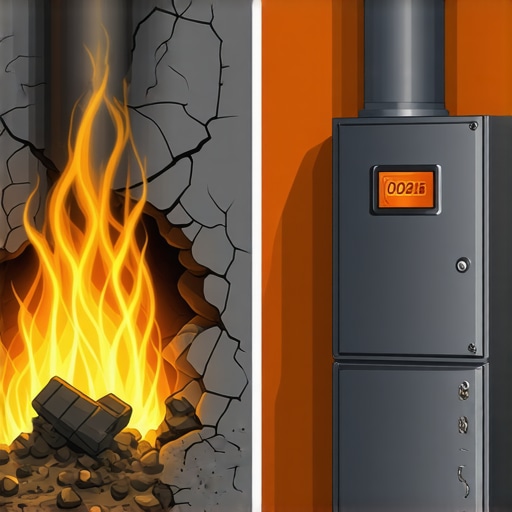
One cold winter night, I woke up shivering, feeling that awful chill creeping through my bones. My furnace had decided to take a break, and I was left scrambling, wishing I had scheduled that annual inspection like I promised myself last fall. That uncomfortable experience was a stark wake-up call—it made me realize how easy it is to underestimate the importance of regular maintenance, especially when everything seems fine on the surface.
Why Ignoring Furnace Checks Can Cost You Big Time
When I finally called a professional, I learned that neglecting my furnace’s annual inspection not only risks sudden breakdowns but could also lead to higher energy bills, costly repairs, and even safety hazards like carbon monoxide leaks. Trust me, I was surprised to find out that small issues, like a clogged filter or a loose connection, can snowball into major problems if ignored.
Procedural lapses in routine maintenance are common—it’s tempting to push that appointment off when you’re busy or think, “It’s working fine now. Why bother?” But according to the U.S. Department of Energy, neglected heating systems can use up to 30% more energy than properly maintained ones, costing homeowners hundreds of dollars annually. That’s money slipping through the cracks, all because of oversight.
Have you ever faced a sudden furnace failure during the coldest part of winter? If so, you’re not alone. Many homeowners learn this lesson the hard way—sometimes with the chill not only in their bones but also in their wallets.
Is skipping your furnace maintenance really worth the risk?
Personally, I made the mistake early on of postponing my service because I believed minor issues could wait. That was a costly error. I didn’t realize that ignoring small signs of wear and tear could lead to catastrophic failures that might require emergency repairs or even total system replacements—expensive fixes that could have been prevented.
To avoid falling into the same trap, understanding the true value of regular inspections is crucial. Not only do they extend the life of your system, but they also ensure safety and efficiency. For a comprehensive guide on how to keep your appliances running smoothly and save money, check out the [expert tips on appliance repair and installation](https://discountappliancehub.com/expert-guide-to-appliance-repair-and-installation-today).
Now, let’s look at some practical steps to prevent your furnace from becoming a winter nightmare and how to stay ahead of costly surprises.
Schedule an Expert Inspection
Begin by booking a professional furnace inspection before the heating season peaks. In my experience, I called a licensed technician during a weekday, which allowed me to schedule a same-day appointment. This approach ensures your system receives thorough checks, addressing potential issues before they escalate. When scheduling, refer to resources like same-day service options to find dependable providers offering prompt visits with warranty support.
Perform Essential Basic Checks Yourself
Inspect and Replace Filters
Locate your furnace filter—usually near the air return vent—and remove it carefully. A dirty filter reduces airflow, forcing your system to overwork and increasing wear. Replace it with a high-quality filter, ensuring the arrow indicates correct airflow direction. Remember, clean filters can cut energy costs by up to 15%. Having experienced a messy filter change myself—spilled some dusty debris—I always wear gloves to keep the process tidy.
Check Thermostat Settings
Ensure your thermostat is set to a comfortable temperature—around 68–70°F (20–21°C)—and on heating mode. If your thermostat is digital, replace batteries as a low power signal can disrupt operation. I once had a misbehaving thermostat that kept turning off; a fresh battery fixed the issue instantly. For advanced troubleshooting, see smart thermostat reset guides.
Maintain Fan and Blower Components
Relocate access panels to expose the blower assembly. Use a soft brush or vacuum to remove dust and debris from fan blades and motor vents. A dusty blower acts like a clogged pipe—reducing airflow and efficiency. Once, when I cleaned mine, I noticed the motor was unusually noisy, indicating a need for lubrication or professional servicing. Keeping components dust-free prolongs system life and enhances safety, preventing issues like overheating or motor failure. For detailed guidance, refer to blower maintenance tips.
Seal Air Leaks and Insulate
Inspect your home for drafts near vents, doors, and windows. Seal small gaps with weatherstripping or caulking to keep heated air inside. Proper insulation around your ducts also prevents heat loss. Think of your furnace as a lantern—if the lantern’s cover is torn, the light dims prematurely. I fixed a leaky vent near my laundry room, which made a noticeable difference in heating efficiency. These small tweaks are simple yet impactful, saving you money on energy bills. For detailed sealing techniques, see insulation strategies.
Keep Up with Routine Maintenance
Set a schedule to replace filters monthly during winter and have a professional check every year. Making a checklist helps, just like I do with my car maintenance. When I overlooked this step last year, my furnace struggled to keep up, leading to sudden breakdowns. Regular upkeep is your best defense against unexpected failures and safety hazards. To find reliable service providers who offer installation and warranty-backed repairs, review resources like warranty-supported services.
Stay Prepared for Emergencies
Always keep the contact info of trusted technicians handy. Having ready access to emergency repair options can turn a cold night into a manageable situation. For example, I saved a local company’s number, which came in handy when my furnace suddenly stopped working during a weekend. They provided quick, trustworthy service with warranty support, saving me from a night in the cold. To understand what to expect during urgent repairs, visit same-day repair insights.
When it comes to appliance repair, many homeowners operate under misconceptions that can cost them time and money. One prevalent myth is that extending a warranty isn’t worth it, but in my experience, comprehensive warranties with reputable providers often save a significant amount during unexpected failures. However, not all warranties are created equal—some have fine print that excludes common issues, so always review the coverage details carefully through resources like warranty-backed service providers. Another misconception is that same-day service is always a scam or a luxury, but in reality, trusted companies offer quick, reliable appointments backed by warranties, minimizing downtime and repair costs.
Are rapid repairs truly reliable and worth the premium?
The truth is, many assume that rushing to get a technician on the same day means sacrificing quality, but reputable service providers maintain high standards regardless of turnaround time. An article from appliance experts highlights that quick response times are often accompanied by thorough diagnostics, which reduce the risk of recurring issues. Additionally, advanced technicians are trained to identify nuances that casual inspections might miss, preventing costly mistakes. Don’t fall into the trap of believing that all quick fixes are superficial; instead, look for providers with strong reviews and clear warranty coverage to ensure quality work. An essential factor many overlook is proper installation—many failures attributed to repair issues actually stem from poor initial setup. Misaligned appliances or incorrect connections can cause ongoing problems that seem repair-related but are rooted in installation errors. To avoid these pitfalls, always verify that your installer follows industry standards, and for peace of mind, consult resources like reliable installation practices. Moreover, understanding the nuances of warranty claims can unlock substantial savings during emergencies—being aware of what your plan covers and how to document issues can expedite repairs and ensure coverage. For example, documenting faults with photos or videos accelerates claim processing, as explained in maximizing warranty benefits. Overall, the key is not to accept myths at face value but to dig into specifics, question assumptions, and select reputable, transparent service options. This approach ensures your appliances are fixed correctly the first time, savings are maximized, and you avoid common pitfalls that trap many homeowners. Have you ever fallen into this trap? Let me know in the comments.
Tools That Keep My Appliances in Top Shape
When it comes to maintaining appliances, I rely on a set of specialized tools that make routine checkups quick and effective. For example, I swear by a digital multimeter because it allows me to test electrical components accurately, ensuring my systems aren’t wasting energy or risking safety issues. I also use a high-quality vacuum cleaner with a HEPA filter to regularly clean vents and coils—dust buildup can significantly impair appliance efficiency. These tools help me catch small problems early, avoiding costly repairs down the line.
How I Ensure Long-Term Reliability
Beyond just tools, establishing a maintenance routine is crucial. I set reminders to replace filters every three months, as recommended by manufacturers, to keep airflow optimal. Additionally, I schedule professional inspections annually—many technicians offer same-day service with warranty support—to ensure all components work harmoniously. Investing in high-quality replacement parts and following manufacturer guidelines (sometimes found on their official service manuals) extends appliance life and guarantees safety.
Will Future Trends Simplify Maintenance?
As technology advances, smart diagnostics are becoming more commonplace. Appliances equipped with self-monitoring sensors can alert homeowners to issues before they escalate—saving time and money. Industry experts predict that by 2025, more devices will integrate AI-powered diagnostics, further simplifying maintenance routines. For now, I recommend familiarizing yourself with these upcoming features and considering tools like Wi-Fi enabled sensors that send alerts directly to your smartphone.
Question: How Do I Maintain My Appliances Over Time?
The key is consistency. Regular cleaning, timely filter replacements, and routine professional inspections form the backbone of long-term appliance health. Using diagnostic tools, like a multimeter or specialized inspection cameras, helps you troubleshoot minor issues early. To keep your systems efficient and safe, check out expert repair guides and stay ahead of potential problems. Remember, investing a little time now can save you significant costs later—and ensure your appliances perform flawlessly for years to come. Try setting a monthly maintenance checklist today and see the difference it makes!
Little Secrets That Changed My Appliance Game
One of the most eye-opening lessons I learned was the importance of trusting my instincts—if something seems off with an appliance, acting sooner rather than later saves money and stress. I once ignored a faint burning smell from my dryer, thinking it was just a temporary glitch, only to find out later it was a frayed belt that could have caused a fire. Trusting those small warning signs is a simple yet powerful way to stay safe. Additionally, I discovered that maintaining a detailed record of maintenance dates, repairs, and warranty info often makes claims smoother and reduces downtime, which I wish I had started earlier. Sometimes, it’s the tiny habits—like checking filters monthly—that prevent big failures, and that habit changed my whole approach to appliance care.