
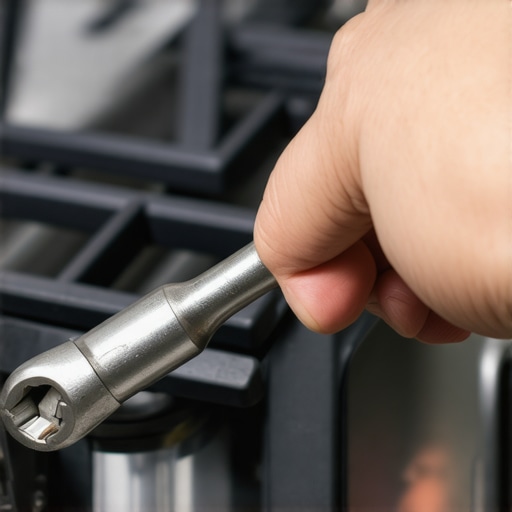
Ever had that frustrating moment when you’re cooking and suddenly the control knob on your cooktop slips or wobbles? I remember the first time it happened to me — I was in the middle of preparing dinner, and my knob just wouldn’t stay tight. After fiddling with it unsuccessfully, I felt that familiar mix of annoyance and helplessness. It was a lightbulb moment: how many of us just accept a loose knob as part of aging appliances, when in reality, it’s often an easy fix? Knowing the right tool can turn a frustrating repair into a quick, satisfying job.
Why a Loose Cooktop Knob Can Be More Than Just Annoying
Loose knobs aren’t merely cosmetic issues; they can impact safety and functionality. A wobbly control might mean your burners don’t heat precisely, leading to uneven cooking or even potential hazards if the knob falls off completely. Plus, ignoring it could cause further damage, like stripped threads or damaged switch mechanisms. That’s why addressing a loose cooktop knob promptly makes sense, not just for convenience but for safety and appliance longevity.
Will a Proper Tool Really Make the Difference?
Absolutely. Early in my experience, I made the mistake of ignoring the problem or just trying to tighten the knob by hand, which never lasted. It wasn’t until I invested in the right screwdriver and small parts that I finally found a lasting solution. Using the proper tool ensures a secure fit and prevents the issue from recurring. For in-depth tips on maintaining your appliances, you might want to check out my guide on expert appliance repair.
So today, we’re going to walk through the straightforward process to tighten that stubborn, loose knob and keep your cooktop safe and functional. If this sounds familiar, keep reading—you’ll be surprised how simple fixing this can be!
Remove the Knob Carefully
Start by gripping the knob firmly and pulling it straight off, similar to removing a lid from a jar—don’t twist or force it too hard. During my first attempt, I used pliers, which accidentally scratched the surface. Instead, using your hand or a soft cloth prevents damage.
Inspect the Components
Look behind the knob for the mounting screw or retaining clip. If the screw is missing or loose, tightening or replacing it is your next step. I once found a tiny screw lodged in the bottom of my drawer after my knob fell off—rapid observation saved me from a full replacement.
Secure the Mounting Screw or Clip
Use a Phillips screwdriver to tighten the screw snugly, but avoid overtightening—think of how you tighten a bicycle bolt, not as tight as a nut on a wheel. In my case, ensuring the screw was snug prevented future wobbles.
Replace the Knob and Test
Align the knob’s indentation with the screw or clip and push it straight back on, pressing firmly but gently. Turn on the burner to confirm the knob’s tightness and responsiveness. Once, I reattached the knob and found it was still loose; rechecking the screw’s tightness resolved the issue immediately.
Additional Tips to Prevent Future Looseness
If your control knobs frequently loosen, consider replacing worn parts or applying a small amount of thread-locking adhesive on the screw threads. Moreover, consult your appliance’s manual or professional repair guides for specific instructions. Remember, regular maintenance extends your appliance’s life and helps avoid unexpected breakdowns.
If you encounter persistent issues or prefer expert assistance, exploring options for reliable appliance installation and same-day service warranties can be beneficial. Quick, professional repairs also help maximize your warranty coverage during emergencies.
When it comes to appliance repair, many homeowners believe that choosing the fastest service guarantees quality or that warranties always cover all repair costs. However, these assumptions can lead to costly mistakes. One common myth is that same-day service providers are inherently more reliable than those offering scheduled appointments. In reality, quick response times can sometimes mean less thorough diagnostics, especially if the technician is rushing to meet a tight window. It’s crucial to verify the technician’s expertise and the company’s reputation before prioritizing speed over quality.
Another misconception centers around warranties. Traditionally, many think that warranties automatically cover all repairs and parts. But, many warranties have exclusions or require specific conditions to be met, like using authorized parts or approved service technicians. Relying solely on warranty promises without understanding the fine print can lead to unexpected expenses. For instance, some warranties won’t cover damage caused by improper installation or neglect, which underscores the importance of correct setup and maintenance.
Are All Emergency Repairs Equally Reliable, or Is There a Hidden Trap?
Many homeowners don’t realize that not all emergency appliance repair services are created equal. Some companies advertise 24/7 availability but lack the necessary certifications or experience, risking unnecessary part replacements or recurring issues. Studies have shown that unqualified repairs often result in repeat visits and increased costs over time. Moreover, quick fixes might only address immediate symptoms rather than root causes, leading to larger problems down the line. To avoid falling into this trap, it’s advisable to choose companies that offer transparent diagnostic processes and backed warranties. Refer to trusted sources like professional repair guides to understand what quality service entails.
Additionally, misjudging the scope of warranty coverage can be a costly mistake. For example, some repairs might seem covered but actually require additional parts or service fees due to exclusions. Familiarize yourself with the specific terms and conditions through expert resources and always ask for a written estimate before authorizing repairs. Regular maintenance and proper installation are also key factors that many overlook but can greatly reduce emergency repair needs. To ensure your appliances are installed correctly, review this comprehensive guide.
Have you ever fallen into this trap? Let me know in the comments.
Invest in Quality Tools for Reliable Repairs
One of the most effective ways to ensure your appliances stay functional is by using the right tools. I personally rely on a quality, corrosion-resistant Phillips screwdriver with a magnetic tip, which simplifies removing and tightening screws without slipping or damaging delicate parts. Additionally, a digital multimeter is invaluable for diagnosing electrical issues—I’ve found that checking voltage and continuity on suspect components helps avoid unnecessary replacements at the repair shop.
For more complex tasks like calibrating digital sensors or testing control boards, I recommend a portable oscilloscopes. They assist in visualizing electrical signals, ensuring your appliances operate within specifications. I prefer models with auto-ranging features and built-in data logging, which streamline troubleshooting and reduce diagnostic time.
Optimize Long-Term Maintenance
Scheduling regular maintenance checks is crucial. For example, I set reminders every six months to clean filters, inspect hoses, and verify connections—all straightforward tasks that prevent costly breakdowns. Maintaining a detailed log of these inspections helps track component wear and when to replace parts proactively.
Many appliance manufacturers now offer diagnostic apps that connect via Wi-Fi, allowing you to monitor your devices’ health remotely. I routinely use these tools to receive alerts about irregular performance, enabling early intervention.
How do I maintain appliance efficiency over time?
Maintaining efficiency involves not only using proper cleaning routines but also staying updated on firmware or software updates released by manufacturers. For appliances with smart features, checking for updates can fix bugs and improve performance. Additionally, sealing any gaps around the unit prevents dust ingress, which can impair sensors and circuits, leading to energy waste. Regular inspections and following manufacturer guidelines significantly extend your appliance’s lifespan.
Preparing for Future Trends in Appliance Care
Looking ahead, I believe the integration of AI-driven diagnostics will become standard, providing real-time alerts and predictive maintenance suggestions—saving homeowners time and money. Embracing these advancements now, by investing in compatible tools and software, positions you ahead in maintaining your appliances effectively.
If you want to stay ahead, consider exploring professional-grade diagnostic tools and subscribing to maintenance plans that include software updates and priority service. Remember, proactive care combined with the right equipment is your best defense against unexpected failures. Want to see how advanced diagnostics can transform your maintenance routine? Try implementing a smart monitoring app linked to your appliances today for a noticeable difference.
For more insights on reliable repair methods and tools, check out my comprehensive guide to appliance repair. Staying informed and prepared keeps your appliances running smoothly for years to come.
What I Wish I Knew Before Rushing into Repairs
One of the hardest lessons I learned was the danger of rushing into emergency repairs without proper diagnosis. In my early days, I often relied on quick fixes, only to find the problem recurring or worsening. Patience and thorough inspection always yield better long-term results, saving both time and money. Additionally, I underestimated the importance of regular maintenance; simple routines like cleaning filters or checking connections can prevent most issues.
Tools and Resources That Transformed My Approach
Over time, I discovered that investing in quality tools makes all the difference—especially a reliable digital multimeter and a precision screwdriver set. These tools help me identify electrical glitches early and tighten components securely. For literature, I swear by expert appliance repair guides which provide step-by-step instructions that boost confidence and competence. Lastly, online communities and forums offer real-world advice that often saves me from costly mistakes.
Taking Action: Your Next Step Toward Appliance Confidence
Empowered with these insights and tools, I urge you to start small—schedule regular checks, maintain a toolkit, and dive into DIY guides. Remember, modern appliances are smarter than ever; embracing proactive maintenance keeps your household running smoothly and extends the life of your investment. Don’t hesitate to reach out for professional assistance when needed, ensuring safety and quality in every repair. Ready to take charge of your appliance care? Share your experiences or pose questions below, and let’s learn together!