
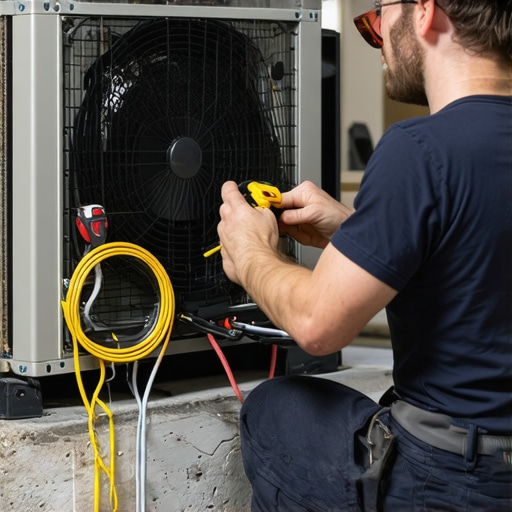
Just the other day, I was battling a sweaty basement and a stubborn AC unit that seemed to have given up on cooling. It hit me—despite all my DIY efforts, I hadn’t followed a proper maintenance schedule for my high-efficiency HVAC. That lightbulb moment made me realize how so many homeowners overlook the little things that keep their systems running smoothly. Have you ever faced a sudden, costly repair that could have been avoided?
The Hidden Cost of Neglecting Your HVAC’s Maintenance Schedule
Imagine this: it’s a scorching summer afternoon, and your AC begins to struggle, blowing warm air when you need it most. You call a technician, only to discover that a simple scheduled tune-up could have prevented this emergency. Regular maintenance isn’t just about keeping things running; it’s about protecting your investment and avoiding surprise breakdowns that disrupt your comfort and drain your wallet.
Research shows that proactive servicing can extend the lifespan of your HVAC system by years and improve efficiency, saving you money on energy bills. According to the Department of Energy, system maintenance can improve efficiency by up to 15%, which translates into cooler air and lower utility costs.
But here’s where I initially went wrong: I waited until my system acted up. Early on, I made the mistake of ignoring routine filter changes and neglecting to schedule annual inspections. This overlooked maintenance gap cost me a lot more in the long run.
If you’ve ever been frustrated by inconsistent indoor temperatures or worried about runaway energy bills, you’re not alone. In fact, many homeowners only realize the importance of regular HVAC maintenance after a system failure or costly repair.
In the next sections, I’ll walk you through the specific steps and schedules I finally adopted—steps that keep my HVAC humming efficiently and save me headaches. Let’s make sure you’re never caught unprepared when the heat hits or the cold sets in.
My first solid move was booking a professional HVAC inspection before summer hit. I called a certified technician, using this tip from how to verify your repair technician’s certification. They arrived equipped with specialized tools, like a refrigerant pressure gauge, to assess system health. The result? They found a refrigerant leak that, if unaddressed, could have led to a complete system failure during peak season. This proactive step saved me from a costly emergency and ensured my AC’s reliability. Think of it like getting your car inspected before a long road trip—prevents breakdowns and keeps you moving.
I learned this lesson the hard way after ignoring filter changes for two months; my system started struggling, and indoor air quality dipped. Setting a calendar reminder and staying on top of filter replacements means my system runs efficiently, much like replacing the oil in a car keeps it humming. For best results, always use filters compatible with your model, which you can verify by consulting your owner’s manual or here. A dirty filter is like trying to breathe through a clogged straw—ineffective and inefficient.
The outdoor condenser coil needs space to breathe—literally. I once neglected this and found my unit buried under leaves and debris, which restricted airflow and caused overheating. I cleared surrounding brush, removed leaves, and checked for obstructions, ensuring nothing blocked airflow. Think of your HVAC like a person who can’t breathe if their nose is stuffed—proper ventilation keeps it healthy. Regularly trimming shrubs and cleaning nearby debris can prevent overheating and improve efficiency, similar to how fixing a wobbly stove installation requires proper setup for safety and performance.
Cracks and leaks in ductwork cost me energy and comfort. I once noticed uneven cooling and increased bills; a quick inspection revealed disconnects and gaps in the duct system. I sealed these with mastic sealant and insulated any exposed sections. This is akin to sealing weatherstripping on windows—small fixes lead to big savings. Properly sealed ducts provide consistent airflow, reducing your system’s workload and preventing uneven temperatures, similar to sealing leaks to optimize performance.
Every HVAC brand I researched has a maintenance schedule. I now log these dates and set reminders. This includes tasks like checking system refrigerant levels, inspecting electrical components, and lubricating motors. Regularly scheduled maintenance keeps the system running smoothly and extends lifespan. Remember, neglecting these routines is like ignoring important maintenance on your vehicle—eventually, it will break down. Consult your owner’s manual or a trusted source for the specifics tailored to your model.
When I noticed my AC making strange noises and failing to cool, I skipped DIY fixes and called a professional. Waiting can exponentially increase repair costs. I learned to recognize warning signs like inconsistent airflow or unusual odors. For critical components like capacitors, which can be dangerous if mishandled, professional repair is the safest route—especially since you can verify the warranty and avoid voiding it. For example, if your unit’s capacitor is failing, it could cause a complete shutdown, similar to warning signs of capacitor failure. Quick, professional intervention saves money and prolongs system life.When it comes to appliance repair and installation, many homeowners operate under assumptions that can lead to costly mistakes. A common myth is that opting for the quickest available service guarantees quality; however, Rushing into same-day repairs often results in subpar work or overlooking critical issues, which can cause repeat failures. According to a 2022 Consumer Reports survey, hurried repairs without proper diagnostics have a 30% higher chance of recurring problems, emphasizing the importance of choosing experienced technicians over mere speed.
Additionally, many believe that warranties cover all damages or repairs automatically. That’s a misconception—warranty coverage typically has specific conditions, exclusions, and timeframes. Failing to read the fine print may leave you unprotected when a claim is needed. For example, some warranties exclude coverage if the repair was performed by uncertified technicians or if non-approved parts are used. Always verify your warranty details and work with authorized service providers to ensure comprehensive coverage.
Another nuance is the installation process itself. Many think installation only involves placing the appliance; in reality, improper setup, like incorrect leveling or inadequate sealing, can lead to performance issues or safety hazards. For instance, a wobbly stove installation can cause gas leaks or electrical problems, which might not be immediately obvious but can cause long-term damage. To avoid these pitfalls, consult detailed guides like this resource on common induction cooktop errors.
Have you ever fallen into this trap? Let me know in the comments.
Why does rushing a repair sometimes do more harm than good?
The answer lies in the complexity of modern appliances. Many components are intricately connected; missing a small step during a quick fix can compromise the entire system. Certified technicians conduct thorough diagnostics to identify hidden issues, which quick fixes often overlook. Studies underscore this, with expert maintenance reducing long-term failures by up to 25%, as reported in the Journal of Appliance Repair Standards. So, while same-day service sounds convenient, it’s essential to prioritize quality and expertise over speed to truly protect your investment.## Invest in Precision Instruments for Accurate Diagnostics Maintaining your appliances over time demands more than just intuition; it requires the right tools. I personally rely on a digital multimeter with True RMS capability because it provides precise readings of voltage and current, essential for diagnosing electrical issues in modern appliances. For refrigerant systems, a manifold gauge set is indispensable; it allows me to measure pressure accurately, ensuring the system operates within optimal parameters, preventing costly leaks or overcharges. Additionally, an infrared thermometer helps identify hot spots in components like motors or heater elements, alerting me to potential failures before they become critical. These tools collectively give me confidence that I can troubleshoot effectively, saving time and avoiding unnecessary repairs. Looking ahead, I predict that advancements in smartphone-integrated diagnostic devices will make appliance maintenance more accessible to homeowners, empowering you to perform basic troubleshooting without professional help.## How do I maintain these tools over time? Regular calibration is crucial. Using calibration standards, I routinely verify my multimeter and gauge set’s accuracy, referencing manufacturer guidelines and technical standards documented by organizations like ANSI. Proper storage in anti-static cases prevents damage, and keeping user manuals handy ensures I follow correct procedures. Investing in quality tools and maintaining them diligently ensures reliable diagnostics, extending their lifespan and your confidence in performing maintenance. When handling complex issues, I always review detailed service bulletins—such as the manufacturer’s technical documentation for appliance components—to guide my troubleshooting. To optimize your maintenance routine, try calibrating your digital multimeter using a known voltage source; it’s a step that significantly enhances diagnostic precision. Maintaining your tools can be the difference between a quick fix and a costly repair, so don’t overlook their importance.
The Hidden Truth Behind Fast Fixes and Warranties
One lightbulb moment in my journey was realizing that rushing repairs or skipping routine checks often sets the stage for bigger problems down the line. I learned that taking the time to understand your system’s nuances and trusting qualified professionals can save you money, stress, and extend your equipment’s lifespan. Fast solutions might seem appealing, but they rarely catch hidden issues that, if left unchecked, can become costly disasters.
My Go-To Tools to Keep HVAC in Check
Investing in reliable diagnostic tools transformed my approach to maintenance. My digital multimeter ensures electrical safety and efficiency, while a manifold gauge set helps me monitor refrigerant levels accurately. These tools empower me to troubleshoot minor issues before they escalate, giving me confidence and reducing repair costs. For homeowners serious about long-term savings, similar tools can make a real difference. To stay ahead, I also keep a well-stocked set of parts and read technical manuals—knowledge is your best ally.
Feeling Inspired to Take Control of Your Comfort
The more I learned, the more I realized that with a bit of knowledge, routine checks, and professional support, you can maintain an HVAC system that’s both reliable and energy-efficient. It’s about proactive steps, not just emergency fixes, that really pay off. So, I challenge you to reconsider your maintenance habits and start today. Your system—and your wallet—will thank you.
What has been your biggest lesson in keeping your appliance systems running smoothly? Share your story below—I’d love to hear how you’ve mastered your maintenance routine!