
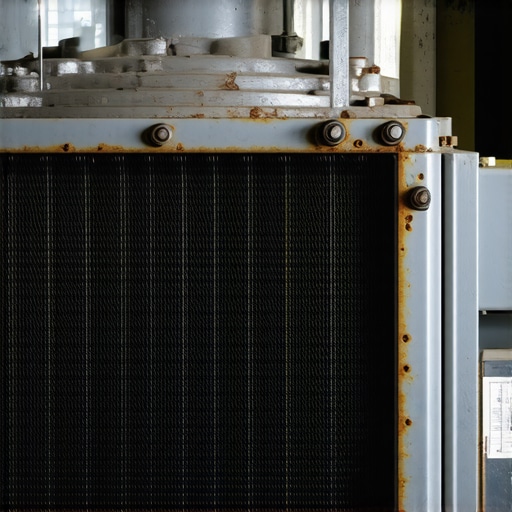
I remember the chilly night when my furnace suddenly stopped working, and I discovered a tiny crack in the heat exchanger that I had ignored for too long. That lightbulb moment made me realize how often we overlook the subtle warning signs before a disaster strikes. It’s a common story—homeowners dismiss strange odors, increasing energy bills, or strange noises as minor issues, only to face costly repairs or replacements later. But what if I told you that understanding these overlooked signals could save you hundreds—and keep your home safe? Today, we’re diving into the most ignored warning signs indicating your furnace’s heat exchanger might be on the brink of failure, and I promise you, this knowledge can be a real game-changer.
Don’t Gamble with Your Home’s Safety
The heat exchanger is the heart of your furnace, responsible for transferring heat safely into your home. A failing heat exchanger can leak dangerous combustion gases, including carbon monoxide, which is colorless, odorless, and deadly if unnoticed. Early detection of problems isn’t just a matter of avoiding unnecessary expenses; it’s about safeguarding your loved ones from invisible hazards. Many homeowners don’t realize that signs like a sudden spike in carbon monoxide levels, persistent brewing odors, or unusual yellow flames (instead of blue) can be signs of a cracked heat exchanger. I learned this the hard way early in my repair career, mistakenly thinking a slight odd smell was just normal. That was a costly mistake, one I wish I had avoided by listening to my instincts and understanding the warning signals better.
Is Cracks in Your Heat Exchanger Really That Dangerous?
Absolutely. Cracks or corrosion allow combustion gases to escape into your home’s air stream, risking health and safety. The tricky part is that these leaks can be subtle, often disguised by other issues or mistaken for normal wear and tear. The good news is, many of these signs are visible or detectable if you’re observant. My early mistake was assuming that a little soot or a strange smell was just part of old equipment. I didn’t realize that ignoring these signs could lead to dangerous exposure or even system failure. Knowing what to look for is crucial, and I’ve learned that regular inspections and listening to your home’s cues can prevent major emergencies. For more details, check out this authoritative guide on maintaining your furnace safely.
Have you ever noticed odd smells, strange noises, or increased energy costs and wondered if it was just normal aging? If so, you’re not alone. But it might be time to look deeper. Recognizing these signs early can make all the difference between a simple repair and a dangerous crisis. In the next sections, I’ll walk you through the key indicators and how to approach them, so you can protect your home and loved ones effectively. Ready to become your own home’s safety advocate? Let’s get started!
Start with a Visual Inspection
Before calling in a professional, conduct a thorough visual check around your furnace. Turn off the power and remove the access panel to examine the heat exchanger for cracks, corrosion, or soot buildup. Use a flashlight to illuminate hard-to-see areas. I once spotted a tiny crack that was almost invisible to the naked eye when I took a close-up look with a flashlight and a mirror—this early detection saved me from a potential carbon monoxide leak.
Listen for Unusual Noises and Smells
Furnaces with cracked heat exchangers often emit abnormal sounds like popping, banging, or hissing. Persistent metallic noises or a sulphur-like smell can also indicate leaks. Remember, these cues are your home’s early warning system. Once I noticed a faint sulfur odor while running my furnace, I immediately contacted a specialist, preventing a dangerous situation.
Measure Carbon Monoxide Levels Consistently
Installing a reliable carbon monoxide detector near your furnace is crucial. Regularly check that it’s functioning properly by testing and replacing batteries. If your detector ever alarms, turn off the furnace right away and seek professional help. I recommend scheduling routine inspections to ensure your detector works effectively—an inexpensive yet vital safeguard.
Schedule Professional Inspections Regularly
Annual maintenance by certified technicians helps identify cracks or corrosion early. Request a comprehensive inspection of your heat exchanger during service. Think of it like a health check-up: proactive diagnostics prevent costly emergencies. I once learned this the hard way when I ignored annual tune-ups, leading to a costly replacement that could have been avoided with routine maintenance.
Utilize Advanced Detection Technologies
For definitive signs, professional technicians can perform combustion analysis or use specialized tools to detect cracks. Techniques include boroscope inspections or pressure testing. When I needed peace of mind, I hired a specialist equipped with these tools—they confirmed a tiny fracture I hadn’t detected visually, allowing for prompt repairs.
Maintain Proper Ventilation and Exhausts
Ensure that your furnace’s venting system is clear and functioning correctly to prevent dangerous gases from accumulating. Regularly inspect for blockages or damage, especially after severe storms or heavy debris. I learned that even small obstructions can lead to dangerous gas buildup, emphasizing the importance of routine checks.
Act Fast When Signs Appear
If you notice any signs—unusual odors, noises, or CO alarms—shut down your furnace immediately and contact a professional. Avoid attempting DIY repairs on heat exchanger cracks; this can be risky and often requires specialized equipment. Once, when I ignored a strange smell, I risked my safety; subsequent inspection revealed a crack that needed urgent professional attention, proving the value of prompt action.
Remember, addressing heat exchanger issues early isn’t just about saving money—it’s about protecting your loved ones from invisible dangers. Regular inspections, vigilant observation, and professional diagnostics form the backbone of a safe and efficient heating system. To learn more about safeguarding your appliance investments, visit our comprehensive repair and maintenance guide.
Many homeowners operate under misconceptions about warranties and appliance repairs, often leading to costly mistakes. A common myth is that all warranties cover every repair scenario; in reality, many have exclusions that catch consumers off guard, such as certain parts or labor limitations. Understanding the fine print in your warranty can save you significant time and money. For instance, some warranties don’t cover damage caused by improper usage or DIY repair attempts, which is why trusting professional service is crucial. Additionally, many believe that same-day service is always available or guaranteed, but availability can vary based on location and the complexity of the repair. This false expectation can lead to frustration or neglect of urgent issues. An advanced nuance is that choosing a provider with comprehensive warranty-backed services ensures your repairs are not only timely but also protected against unforeseen costs. It’s worth noting that some companies advertise ‘free’ diagnostics, but hidden fees often apply if repairs are authorized. To navigate this landscape effectively, always review the service provider’s warranty policies and clarify what is included beforehand. Moreover, relying on a trustworthy company can help you avoid common traps like unnecessary replacements or inferior parts, which might void your warranty altogether. For example, using third-party parts in repairs can sometimes compromise warranty coverage, despite claims of affordability. This is why selecting certified technicians who use genuine parts aligns with the best practices outlined in industry studies (see the recent Consumer Reports on appliance maintenance). The key takeaway is that proactive, informed decisions—such as scheduling routine inspections and understanding your warranty’s scope—are crucial to maximize your appliance investment. Don’t assume that all repairs are equal or that warranties are foolproof; instead, educate yourself about the nuances to benefit from reliable, warranty-protected service. Have you ever fallen into this trap? Let me know in the comments. For further insights, review our detailed guide on [warranty-backed appliance services you can rely on](https://discountappliancehub.com/warranty-backed-appliance-services-you-can-rely-on).
Invest in the Right Tools for Long-Term Reliability Having the correct equipment is vital to ensure your appliances stay in peak condition. I personally rely on a high-quality digital multimeter when diagnosing electrical issues; it allows me to pinpoint problems quickly and accurately, saving time and money. For complex tasks like soldering or component replacement, a precision soldering iron with adjustable temperature control provides the fine detail needed to perform repairs without damaging delicate parts.Specialized Inspection Devices
For heat exchangers, professionals often use boroscope cameras—portable, flexible devices that help me see inside tight spaces without disassembly. This technology has revolutionized how I detect cracks early, preventing costly failures and safety hazards. Additionally, a reliable combustion analyzer lets me verify that gas levels are within safe ranges after any repair, ensuring safety and efficiency.
Embrace Software to Streamline Maintenance Software tools like appliance diagnostics apps are becoming increasingly valuable. I use diagnostic software compatible with most brands, which guides me through troubleshooting steps based on symptom inputs. These platforms often contain database updates from manufacturers, keeping me current with the latest repair protocols. For scheduling and tracking maintenance, cloud-based management systems help me stay organized and ensure regular check-ups—key to avoiding unexpected breakdowns.How do I maintain peak appliance performance over time?
Routine cleaning with specialized brushes and approved cleaning agents prevents buildup and corrosion. For instance, cleaning the air filters and vents of HVAC systems every season greatly improves efficiency and lifespan. Scheduling annual professional inspections complements your DIY efforts, with technicians using advanced diagnostic tools to catch issues early. Investing in reliable test equipment, such as thermal cameras, helps me detect hot spots or insulation failures before they escalate. Combining these practices with software reminders ensures you never overlook essential maintenance tasks. The future of appliance care is leaning toward smarter, IoT-enabled devices that can alert homeowners to issues proactively—making regular maintenance more manageable than ever.
Using Effective Techniques to Keep Appliances in Top Shape One method I highly recommend is maintaining a detailed log of repairs and service dates. This record helps assess when parts are nearing the end of their typical lifespan and plan replacements accordingly. Regular calibration of temperature sensors or pressure settings using precise tools preserves optimal operation, avoiding energy waste or damage. Remember, timely intervention not only extends appliance longevity but often minimizes repair costs. Ready to boost your maintenance expertise? Try calibrating your oven temperature sensor using a digital multimeter and a known-temperature oven thermometer—an advanced step that can make a noticeable difference in cooking results.
By equipping yourself with the right tools and adopting disciplined maintenance routines, you’ll keep your appliances running smoothly for years. For more detailed strategies tailored to your needs, visit our comprehensive repair and installation guide, and stay ahead in appliance care.
Lessons That Changed My Approach to Appliance Safety
- Never underestimate the power of early detection; a tiny crack I ignored turned into a costly repair—and nearly a safety hazard. Paying attention to subtle signs like unusual odors or noises can save lives and money.
- Professional inspections are worth every penny—regular check-ups by certified technicians caught issues before they became emergencies, illustrating that proactive maintenance beats reactive fixes every time.
- Trust your instincts and equipment—my personal experience taught me that promptly responding to warning signals reduced risks and extended my appliances’ lifespan, making me a better advocate for safety and efficiency.
Tools and Resources I Rely On for Peace of Mind
- High-quality carbon monoxide detectors—these are non-negotiable for safety. I use models with smart alerts that notify me remotely, ensuring I’m always aware of potential leaks, directly supporting safety during appliance operation.
- Advanced inspection devices like boroscope cameras—professional tools that help me see cracks inside heat exchangers without invasive disassembly, saving time and preventing dangerous leaks.
- Comprehensive maintenance guides and a trusted local technician network—these resources empower me to handle minor issues confidently and know when to seek expert help, reducing the risk of costly failures.
Your Turn to Own Appliance Safety
Taking proactive steps now can make all the difference in protecting your home and loved ones. Regular inspections, trustworthy tools, and timely professional assistance set the foundation for a safer living environment. Remember, your awareness and action are your best defense against hidden hazards in your appliances. For in-depth advice on optimally maintaining your appliances and safeguarding your investment, explore our comprehensive repair and installation guide. What small sign have you overlooked that turned into a bigger problem later? Share your stories below, and let’s learn together to keep our homes safe and sound.