
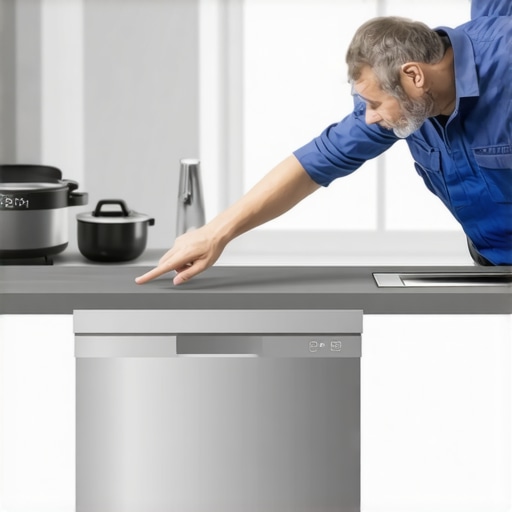
It started with a simple call from my neighbor, Lisa. She was excited about her new dishwasher and eager to show it off. But then, as she prepared for the local inspection, her face fell. The dishwasher wouldn’t pass. Turns out, she had overlooked a common mistake that traps many homeowners—one that can turn a shiny new appliance into a costly headache overnight. If you’ve recently installed a dishwasher and are hoping to avoid that sinking feeling, you’re not alone. I’ve been there too, and I want to share what I’ve learned.
Why Most New Dishwashers Fail Inspection Right After Installation
The most overlooked reason? Incorrect installation practices. Many of us think setting up an appliance is straightforward—plug it in, connect the hoses, and enjoy. But a closer look reveals that subtle missteps can cause serious problems when it comes to local inspections, voiding warranties and triggering future failures. From improper drainage setups to failing to adhere to manufacturer guidelines, these tiny errors have big consequences. In fact, one frequently missed step is the use of the correct drain loop height, which can make or break your appliance’s compliance and longevity. For a quick primer on this, take a look at this detailed guide.
Is Your Installation Setting You Up for Trouble?
Early on, I made the mistake of assuming a quick DIY setup was enough. I didn’t double-check the drain height or ensure the inlet valve was properly connected. That oversight cost me dearly—corrosion in the hose, early leaks, and a failed inspection that delayed my project. Trust me, it’s a common pitfall. The key to avoiding this is understanding the critical points during installation and following the manufacturer’s instructions closely. Otherwise, you risk triggering inspection failures or even voiding warranty coverage. Want to learn more about common installation faults that could be costing you? Check out this article.
Have you faced a similar problem with your new dishwasher? Share your experience—I’d love to hear your stories and help troubleshoot.
Start with Precise Measurements
During my first attempt, I rushed the setup without double-checking the drain height, which led to an immediate inspection failure. Measure the drain loop to be at least 20 inches above the floor, ensuring proper drainage and preventing sewage backup smells. Use a tape measure to confirm, then secure the hose at the correct height with clips or brackets to prevent sagging or kinking.
Connect Water Supply Correctly
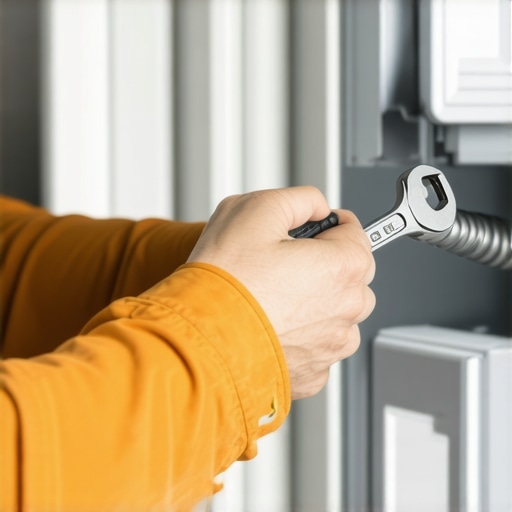
The second crucial step involves attaching the inlet hose securely to avoid leaks. Remove the old washer from the connection, then tighten the hose by hand and finish with a wrench—don’t overtighten, or you’ll damage the fittings. As I learned, a loose connection can cause water leaks, increasing inspection failures and risking water damage. Refer to this guide for detailed connection tips.
Use Proper Hoses and Materials
Modern appliances require specific types of hoses; using copper pipes or cheap plastic connectors can void warranties—an issue I encountered when I upgraded my dishwasher. Opt for manufacturer-approved hoses to ensure compliance and durability. If you’re unsure, consult the appliance manual or contact a professional to avoid voiding your warranty, as explained in this article.
Ensure the Drain and Inlet Valve Are Secure
After I screwed in the inlet valve and connected the drain hose, I tested for leaks before the inspection. Securing these fittings tightly prevents failure during inspection and prevents water damage later on. Tighten fittings by hand, then give them a quarter-turn with a wrench—never overtighten, which can crack fittings.
Test the System Before Finalizing Installation
Before calling the inspector, run a test cycle to check that water fills properly, drains without leaks, and there’s no unusual noise. I learned this lesson the hard way when a misaligned drain hose caused a clog mid-cycle. Early testing helps catch errors, saving time and money; it’s the step that can save you from a costly redo. For more on common installation pitfalls, see this resource.
 When it comes to appliance warranties and repairs, many homeowners believe that adhering to basic installation and maintenance practices is enough to ensure their appliances stay covered and perform optimally. However, the real nuance lies in understanding the often-overlooked details that can make or break your warranty claims and repair success. Let’s explore some of these advanced pitfalls and misconceptions that could be silently compromising your appliance longevity.
Many assume that as long as an appliance is installed correctly, warranties will cover all future issues. But in reality, subtle installation errors—like improper drainage hose positioning or the use of non-approved materials—can void warranties without obvious signs. For instance, using copper pipes in modern ice makers, which often require specialized connectors, not only risks damage but also voids standard warranty coverage. To avoid this, always consult manufacturer guidelines or trusted professionals, and verify that your installation adheres to specific requirements, such as the correct water hardness levels critical for many components.
Another common myth revolves around repair times. Customers often think that same-day service is a luxury, but in many cases, it’s a necessity to prevent further damage. Emergency repairs, such as a leaky washer or a malfunctioning fridge compressor, can escalate quickly into costly repairs if not addressed promptly. Knowing when to call for immediate service—like during a system freeze-up or a persistent leak—can be the difference between a minor fix and a total replacement. Find out exactly when to prioritize same-day repairs by reviewing this guide.
One often neglected aspect is the importance of proper power surge management. Power surges, especially during thunderstorms or grid fluctuations, can silently damage sensitive components, void warranties, and shorten appliance lifespan. Many homeowners overlook installing surge protectors or fail to be aware that manufacturer warranties rarely cover surge-related damages. Protect your investments by understanding the critical power surge rule for warranty coverage.
A frequently underestimated mistake is assuming that all repair parts are equal. Using non-OEM (Original Equipment Manufacturer) parts might seem cost-effective initially but can lead to higher repair costs down the line, as these parts often do not conform to the precise specifications needed for warranty validation. As I’ve seen firsthand, swapping out a tested component for an incompatible substitute can lead to system failures and warranty denial. Always confirm that replacement parts meet manufacturer standards.
For the savvy homeowner, understanding these finer details is essential. If you’re planning a repair, installation, or considering whether your warranty will cover potential issues, ask yourself: Have I checked the specific requirements for my appliance model? Am I using manufacturer-approved materials? Is my system protected against power surges? Being proactive and informed can save you countless headaches, money, and frustration.
Have you ever fallen into this trap? Let me know in the comments, and share your experiences or questions about appliance warranties, repairs, and installations—together, we can navigate these complexities more effectively.
Investing in Proven Maintenance Tools
Staying ahead of appliance issues requires not just knowledge, but the right equipment. My go-to tool is a digital multimeter, such as the Fluke 117, which I use extensively to check voltage, continuity, and troubleshoot faulty wiring connections. Accurate readings help me prevent unnecessary parts replacements and catch potential electrical problems early, especially in systems like HVAC units or refrigerators. Additionally, I swear by a quality pipe wrench and adjustable pliers for plumbing tasks—using professional-grade tools ensures secure fittings and minimizes the risk of leaks that could void warranties or cause damage. Don’t underestimate the importance of a sturdy, irreplaceable tool kit for quick, on-the-spot repairs.
Software and Apps for Diagnostics and Scheduling
Beyond hardware, modern troubleshooting benefits from software tools. I routinely use manufacturer-specific diagnostic apps for appliances, like Whirlpool’s Smart Diagnostic Tool, to quickly identify error codes and underlying issues without guesswork. For HVAC systems, I employ apps like HVAC Commander, which help me log maintenance schedules, receive alerts for system anomalies, and streamline service calls. For scheduling routine maintenance, platforms like ServiceTitan or Jobber help me manage appointments efficiently, ensuring I don’t miss critical service windows and maintaining my long-term warranties. Leveraging these digital tools allows for proactive maintenance, reducing costly emergency repairs and extending appliance lifespan.
Creating a Maintenance Routine That Works
The key to long-term appliance health isn’t just having tools—it’s knowing how to use them consistently. I recommend establishing a quarterly check-in schedule, where you troubleshoot critical components with your multimeter, clean condenser coils using a brush and vacuum, and inspect water connections for leaks. Regularly updating your diagnostic apps ensures you stay informed about manufacturer updates or recalls. Remember, the goal is to catch small issues before they escalate—saving you money and preserving your warranties. Over time, implementing these practices has proven to be invaluable, turning minor fixes into manageable DIY tasks instead of expensive repairs.
How do I maintain my systems over time?
Understanding the nuances of ongoing maintenance is essential. For example, my routine includes verifying water hardness levels to prevent damage to ice makers and dishwashers, according to expert advice. Maintaining optimal water softness can extend appliance lifespan significantly. Additionally, scheduling annual professional inspections for HVAC and refrigeration systems helps identify hidden issues early—think of it as a health check-up for your appliances. Using the right tools and proactive strategies can mean the difference between a reliable system and costly breakdowns. If you haven’t implemented a regular maintenance protocol yet, start with a basic diagnostic check with your multimeter and see how early issues get caught before they become major problems. Explore more about water hardness impacts at this resource.
Three Secrets I Wish I Knew About Appliance Warranties
First, I learned that proper installation is the foundation of all warranty coverage. Skipping manufacturer guidelines or using non-approved materials can silently void your warranty, leading to costly repairs later. Second, I realized that small overlooked details, like drainage height or water hardness, are often the real culprits behind warranty denials. Lastly, ongoing maintenance isn’t just a chore—it’s a safeguard that preserves your warranty protections and extends your appliance’s lifespan. These lessons transformed my approach from reactive repairs to proactive care, saving me money and stress in the long run.