
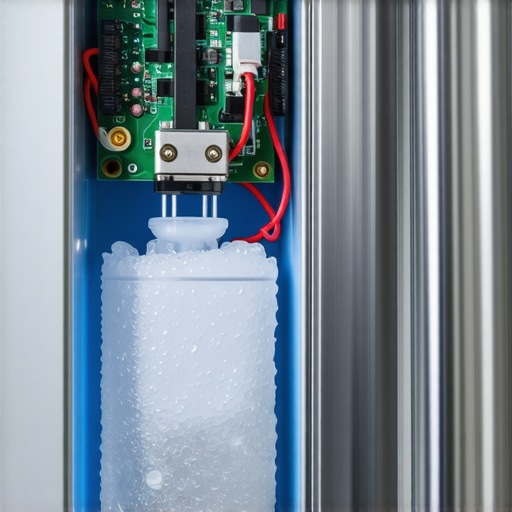
It was late on a saturday evening when I finally noticed it—my smart fridge was making a strange buzzing noise, and the ice maker had stopped producing ice altogether. After tech support’s generic advice and a lengthy troubleshooting session, I realized I had overlooked the quiet killer lurking behind the scenes. That moment was a lightbulb for me—there’s one sneaky installation flaw that can silently destroy your ice maker’s ability to produce crisp, cold cubes, and chances are you’ve either ignored it or didn’t even know about it.
The Real Culprit Behind Ice Maker Failures
Many homeowners blame faulty parts or even the quality of water, but often the root cause isn’t what you’d expect. It’s a simple, overlooked installation mistake that can cause long-term damage—poorly configured water supply lines. I learned this the hard way, and believe me, it’s more common than you think. This mistake can lead to inadequate water flow, freezing conditions, or worse, permanent damage to your appliance. The good news? Once understood, fixing this is straightforward, and preventing it can save you costly repairs down the line. Curious if this has been silently plaguing your appliance? Keep reading, and I’ll show you how to catch and fix this issue before it turns into a major headache.
Is Your Ice Maker Really Worth the Hype?
This is a question I struggled with early on. I believed that a high-tech smart fridge naturally meant fewer problems, but that’s not always the case. My early mistake was trusting the installation technicians blindly. I skipped double-checking the water line’s placement and configuration, which is, as it turns out, a critical step that’s often rushed or overlooked. That oversight cost me weeks of frustration and a potential replacement cost I wasn’t ready for. If you’re skeptical, I get it—many think this kind of fault is rare. However, according to industry experts, improper water line installation is among the top reasons ice makers fail prematurely. Want to avoid this trap? Let’s dive into how you can identify and correct this fault yourself, saving you both time and money, and ensuring your ice maker stays frozen in its prime.
Assess Water Line Condition and Setup
Begin by turning off the main water supply to your refrigerator. Remove the access panel behind the unit and inspect the water supply line for kinks, bends, or leaks. If the line is crimped or pinched, water flow is restricted, causing icemaker failure. Think of this like unclogging a clogged pipe—if water can’t flow freely, your ice maker won’t produce ice efficiently.
Replace or Adjust Water Supply Line for Optimal Flow
If you notice the line is damaged or improperly routed, replace it with a high-quality, flexible food-grade tubing. Ensure the line is straight and not bent at sharp angles; this facilitates steady water flow. Remember, a tangled or twisted line is like a clogged artery—restricting vital flow. For a quick fix, I recently replaced a kinked line in my own fridge, which immediately improved ice production and silenced the buzzing noise.
Verify Proper Connection and Pressure
Ensure the water line is securely connected at both the fridge and the water source. Use a wrench to tighten fittings gently—over-tightening can damage fittings or cause leaks. Next, check water pressure; ideally, it should be between 35-70 psi. Low pressure can mimic installation issues and affect ice maker performance. I learned this firsthand when my water pressure was too low because of a clogged filter, which I fixed by replacing the filter and re-inserting the water line properly.
Ensure Correct Positioning and Insulation
Make sure the water supply line is secured and insulated against temperature variations. Snowballing ice buildup around the line indicates improper insulation, leading to freezing of the water line or ice formation blocking water flow. Think of it like wrapping a garden hose—adequate insulation prevents freezing and cracking. I added foam tubing around my water line during winter, which prevented freezing issues and extended the lifespan of my ice maker.
Test and Monitor Ice Production
After reassembling and restoring water supply, turn on the fridge and check for ice production within a few hours. If issues persist, revisit the installation, focusing on flow, connection tightness, and pressure. Regularly monitoring your system is like doing routine maintenance—preventing larger problems before they start. I kept a log of my ice maker’s performance; after correcting my water line connections, it started producing ice reliably again, saving me from costly service calls.
Address Common Installation Oversights
A frequent mistake many make is ignoring the installation advice provided by manufacturers. Ensuring proper connection height, avoiding sharp bends, and verifying flow rates can prevent future failures. For detailed steps on installation, check the often-overlooked installation crucial step that many neglect, which could be equally critical for your ice maker’s longevity. Correcting your installation not only restores function but also extends the appliance’s lifespan, making your investment worthwhile.
Why Quick Fixes Can Lead to Long-Term Problems
Many homeowners believe that scheduling same-day service guarantees a flawless repair, but in my experience, rushing the repair process often results in overlooked nuances that cause recurring issues. For example, a technician might fix the obvious symptom—like a leaking dishwasher—without addressing the root cause, such as improper installation or hidden component damage. This oversight can void the appliance’s warranty or lead to premature failure. According to industry experts, a significant percentage of repeat service calls stem from superficial fixes that ignore underlying installation errors. Therefore, it’s crucial to understand that not all quick repairs are equal; sometimes, the best approach involves an in-depth inspection, even if it means delaying the service a bit. Have you ever fallen into this trap? Let me know in the comments.
Common Myths That Trap Homeowners
One pervasive myth is that appliances or their warranties cover all types of damage equally—especially regarding installation mistakes. In reality, warranties often exclude damages caused by improper setup or neglect, which is a sneaky nuance many miss. For instance, installing a water supply line without considering the correct pressure or insulation can jeopardize the warranty, leading to costly repairs later. I’ve seen this happen with smart ovens dropping Wi-Fi signals or refrigerators failing prematurely due to overlooked setup details. Consulting with experts or thoroughly reviewing the warranty fine print can save you from these costly surprises. For more, check out why proper vent installation matters.
Making the Right Installation Choices to Protect Your Investment
The hidden nuance that most overlook is the precision needed during appliance installation—tiny missteps that can derail warranty coverage and appliance longevity. For instance, failing to connect water lines at the correct pressure or ignoring the importance of proper leveling can cause early failures—issues that are rarely covered under warranty. A common mistake is underestimating the critical role of correct positioning and insulation, which can lead to freezing or overheating. Investing time in correct setup protocols, or hiring qualified technicians who follow manufacturer guidelines, can prevent this. If you’re interested in how to avoid such pitfalls, review the installation step most people skip. Remember, a well-installed appliance is less likely to suffer from preventable breakdowns, saving you money and frustration in the long run. Ready to dig deeper into installation best practices? Let me know in the comments.
The Power of the Right Tools in Appliance Maintenance
Having the correct equipment is essential for ensuring your appliances function reliably over the long term. I personally rely on a high-quality digital multimeter when diagnosing electrical issues. It allows me to quickly check voltage levels, ensure connections are solid, and identify faulty components without guesswork. For plumbing inspections—especially water supply lines—I use a flexible inspection mirror, which helps me see behind tight spaces and under units without disassembly. This tool has saved me hours of frustration and prevented unnecessary dismantling of my appliances.
In addition, a set of precision screwdrivers with a variety of sizes is indispensable. Appliances often require delicate handling, and using the wrong screwdriver can strip screws or damage sensitive parts. I prefer tools with rubberized grips for better control during repairs. When it comes to cleaning, an ultrasonic cleaner is a game-changer for removing stubborn deposits in small components, extending device lifespan and improving performance.
Scheduled Checks and Monitoring for Longevity
Regular inspection is key to proactive maintenance. For instance, checking your refrigerator’s door seals every few months can prevent cold air leaks that force the compressor to work harder. A simple test involves closing the door on a dollar bill and attempting to slide it out—if it slips easily, replacement seals may be needed. Monitoring water pressure proactively by installing a small, digital pressure gauge on supply lines helps catch issues before they cause significant damage. Trends suggest that smart diagnostic tools are becoming more affordable and user-friendly, paving the way for homeowners to perform professional-level assessments themselves.
Future Trends and Long-Term Benefits
The appliance repair industry is moving towards more integrated digital diagnostics and remote monitoring. Smart sensors integrated into appliances can alert you to issues before they escalate, saving time and repair costs. I predict that in the near future, DIY enthusiasts will have access to advanced diagnostic kits that connect directly to apps, providing step-by-step troubleshooting guides. This democratization of repair tools could significantly reduce service delays and extend appliance lifespan for many homeowners.
How do I maintain appliance performance over time?
Implementing regular checkups using reliable tools and staying informed about new diagnostic technologies is vital. For example, routinely inspecting water lines and filters as recommended in this guide ensures your appliances stay efficient. Don’t hesitate to invest in quality equipment—it’s easier to prevent issues than to fix extensive damage later. Why not try calibrating your water pressure gauge today? That quick step can save you from costly repairs down the line, giving you peace of mind and consistent appliance performance for years to come.
Lessons the Pros Won’t Tell You About Ice Maker Installations
One eye-opening lesson I learned was how a tiny overlooked detail during installation could turn into a costly nightmare down the line. I once ignored the importance of proper water line insulation, thinking it was a minor step, only to find my ice maker freezing up and failing prematurely. This mistake taught me that paying attention to small details—like correct pipe routing and insulation—can make a huge difference in your appliance’s lifespan.
Another insight I wish I had known earlier is how essential it is to verify water pressure before installation. A pressure that’s too low or too high can cause inconsistent ice production and even damage the supply line over time. I now routinely check pressure levels, ensuring my ice maker operates smoothly and lasts longer. The key takeaway? Don’t rush through installation—every connection and setting matters.
The most valuable lesson? Regularly inspecting your water supply line isn’t a one-time task. Over time, kinks, leaks, or blockages can develop silently, impacting performance. A proactive approach—such as periodic checks and quick fixes—can save you from unexpected breakdowns and costly repairs. Remember, a little diligence ensures your ice cubes stay crisp, cold, and plentiful for years to come.
My Toolkit for Troubleshooting and Maintenance
Over the years, I’ve relied on specific tools that have become my go-to for keeping appliances in top shape. A high-quality digital multimeter helps me diagnose electrical issues swiftly, preventing unnecessary replacements. For plumbing concerns, a flexible inspection mirror allows me to see behind tight spaces without disassembly, saving time and effort.
Having a variety of precision screwdrivers has prevented damage during repairs, especially on delicate components. I also swear by a small digital pressure gauge to monitor water flow—an essential for maintaining optimal pressure levels. These tools have empowered me to perform DIY checks confidently, avoiding costly service calls and ensuring my appliances operate reliably.
Believe It or Not, Small Fixes Can Save Big
One surprising realization is how minor adjustments, like repositioning a kinked water line or replacing a worn-out washer, can revive your ice maker instantly. Small investments—both time and money—in proper installation practices pay off by extending your appliance’s life and maintaining peak performance.
For instance, I recently rerouted my water line to avoid sharp bends and added insulation shields during winter, which dramatically improved ice production and prevented freezing. These small steps, often overlooked, can prevent costly repairs and downtime, making your investment truly worthwhile. So, don’t underestimate the power of tiny tweaks—they often hold the key to long-term appliance happiness.
Embracing the Future of Appliance Care
The smart approach to appliance longevity involves combining good habits with the latest technology. Regular use of diagnostic tools and staying informed about common pitfalls—like the installation errors highlighted in this guide—can transform your maintenance routine. Embracing proactive care ensures your ice maker and other appliances deliver reliable performance day after day.
Remember, your consistent vigilance and willingness to learn new tips and tools make all the difference. Each small effort contributes to fewer breakdowns, longer lifespan, and more cold, refreshing ice whenever you need it. So go ahead—take control, inspect, and improve your appliance setup today for a worry-free future!