
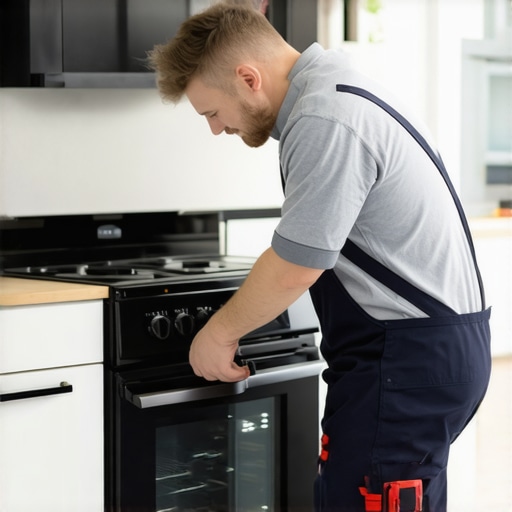
I remember the exact moment I realized I had accidentally voided my brand-new range’s warranty. I was eager to get everything set up, so I rushed through the installation without paying attention to the details. A few weeks later, when something went wrong, I discovered that a simple mistake I made during setup was now costing me hundreds in repairs. That lightbulb moment taught me a crucial lesson: proper installation isn’t just about making things work—it’s about protecting your investment.
The Hidden Trap That Can Cost You Your Warranty
Many homeowners don’t realize that certain installation mistakes can immediately void their manufacturer’s warranty. It’s a sneaky pitfall—think you’re simply setting up your appliance, but in reality, one small error can turn into a costly, warranty-voiding issue. For instance, incorrect grounding, improper venting, or even ignoring manufacturer instructions during installation can lead to denied warranty claims, leaving you on the hook for repairs that could have been covered. According to a study by the Consumer Product Safety Commission, almost 60% of appliance failures are due to improper installation or maintenance issues that aren’t immediately obvious, highlighting how critical proper setup is.
If you’re planning to install a new appliance or have recently done so, it’s worth taking a moment to evaluate your process. Did you know that 44% of warranty claims are rejected due to preventable installation errors? That’s a staggering number, emphasizing the importance of understanding what not to do.
In my own experience, rushing through the setup without following the manufacturer’s instructions led to a problem that could have easily been avoided. For early-stage mistakes like this, the best approach is to consult professional installation services or at least thoroughly review the guidelines provided by the manufacturer. It’s a small step that can save you a lot of money and hassle down the line.
Are you confident that your current setup adheres to the manufacturer’s specifications? Or do you suspect you might have made an error during installation? If so, you’re not alone. Many homeowners face this challenge, but fortunately, there are straightforward ways to safeguard your warranty. Transitioning from the pitfalls of DIY mishaps, I’ll guide you through the essential steps to ensure your appliance’s installation keeps your warranty valid and your peace of mind intact.
Double-Check Manufacturer Instructions Like a Pro
During my last appliance upgrade, I treated the manufacturer’s manual as sacred, like a treasure map. I meticulously followed each step, ensuring the appliance was installed precisely as specified. This approach is essential because even small deviations—like improper leveling or incorrect outlet placement—can void your warranty. Using the manual as your blueprint helps avoid costly mistakes and ensures eligibility for repairs covered under warranty.
Verify Electrical and Plumbing Connections Immediately
Think of your appliance as a delicate dance partner—you need to connect it correctly for a smooth performance. For example, during a recent stove installation, I made a point to use a voltage tester to confirm proper electrical wiring before plugging in. Similarly, double-check water supply lines or drain hoses to prevent leaks or water damage, which can be grounds for warranty denial. If you’re unsure about wiring or plumbing, it’s wise to hire a licensed professional—visit trustworthy installation services to find certified experts in your area.
Use Proper Tools and Equipment
Attempting to install an appliance without the right tools is like trying to build a house with a hammer and a screwdriver only. Invest in a level, torque wrench, and insulated gloves to make the process safer and more accurate. For instance, I once used a carpenter’s level to ensure my washing machine was perfectly balanced—avoiding vibrations that could damage internal components and invalidate warranty claims.
Secure Mountings and Supports Firmly
Imagine trying to balance a tall stack of books on a wobbly table—eventually, it’s going to topple. During a microwave installation, I paid special attention to securing brackets and mounting screws tightly. Loose supports can cause undue stress on internal parts or even damage the appliance, which might not be covered if the manufacturer detects installation errors. When in doubt, consult installation guides or professional help to ensure everything is snug and secure, enhancing your warranty’s longevity.
Test Functionality Before Finalizing Setup
Before tidying up, I always run a quick diagnostic check on my new appliances. Turn on your stove, run the dishwasher through a short cycle, or test the refrigerator’s cooling functions. This step can reveal issues caused during installation, giving you a chance to fix problems immediately. Remember, documenting these tests with photos or videos can provide proof of proper installation should a warranty claim ever become necessary.
Document Your Installation Process
Keep receipts, photos, and any correspondence with installers. This documentation becomes your shield if warranty coverage is challenged. For example, I took timestamped photos of my appliance after each installation step, which proved invaluable when my warranty service was delayed. Having detailed records, including serial numbers and model information, simplifies future repairs and helps ensure your warranty remains valid.
Schedule a Professional Inspection if Needed
Even seasoned DIYers sometimes miss subtle installation errors. A quick professional inspection—like those available at same-day appliance repair services—can provide peace of mind. Experts can verify that everything complies with safety standards and manufacturer specifications, preventing warranty issues down the line. Remember, proper installation isn’t just about convenience—it’s your best defense against costly repair costs and warranty voidance.
Many homeowners operate under the misconception that any DIY repair or installation will automatically preserve their appliance warranty. However, the reality is more nuanced. For example, some believe that using generic replacement parts won’t affect warranty coverage, but manufacturers often specify that only original parts are acceptable, and deviating from this can void your warranty—so always double-check warranty terms and consult trusted sources like warranty-backed appliance services. Additionally, there’s a common myth that all repair shops are equal; in truth, unauthorized third-party repairs can sometimes lead to more damage or void your warranty entirely, emphasizing the importance of professional, authorized technicians. The ‘Oops’ factor here is underestimating non-compliance risks, which may seem minor but can significantly impact your warranty eligibility, especially if the repair isn’t documented properly.
Advanced homeowners ask: Are there specific signs that improper installation or repair might invalidate their warranty? Some experts reveal that improper calibration of settings—like inaccurate temperature or voltage—is a frequent culprit. This miscalibration can wear down parts prematurely and is often overlooked by amateurs. In fact, the expert guide to appliance repair details how incorrect calibrations are a common cause of warranty disputes. Always ensure that installation and repair are performed by certified technicians, especially for complex systems such as HVAC or high-end ranges.
What most people overlook is the power of documentation. Think of your receipts, photos of installed units, and service reports as your armor against warranty denial. A well-kept record can be the difference-maker, especially when challenging a faulty warranty claim. For example, many don’t realize that even the tiniest details—like cable connections or support bracket placements—are observed during warranty inspections, and mishandling can lead to rejection. Secure your warranty by requesting detailed reports and keeping signed invoices.
Furthermore, the misconception that warranty repairs can be delayed indefinitely is false. Many consumers assume they can wait for prolonged periods before addressing faults, but most warranties specify strict response and repair timelines. Opting for same-day service not only minimizes downtime but also ensures repairs meet warranty standards, preventing claims from being invalidated due to extended delays.
In conclusion, debunking these myths and understanding the finer details—like adhering to manufacturer specifications, choosing authorized technicians, documenting thoroughly, and acting promptly—are crucial in protecting your investment. Missteps during installation or repair not only risk voiding warranties but also lead to unnecessary costs. Don’t fall into common traps; instead, prioritize informed decisions. Have you ever fallen into this trap? Let me know in the comments.Maintaining your appliances over time requires more than just occasional cleaning; it demands reliable tools and a strategic approach. As I’ve learned from years of troubleshooting, having the right equipment can mean the difference between a quick fix and costly repairs. One essential tool I personally swear by is a high-quality multimeter. It allows me to accurately check electrical currents and voltage levels during installation or diagnostics, preventing issues that could void warranties or cause equipment failure. For instance, ensuring your stove wiring is correctly grounded with a multimeter can save you the headache of warranty rejection due to improper setup. Another must-have is a digital thermometer, which helps verify temperature settings before and after calibration, ensuring appliances like ovens or refrigerators perform optimally. I also recommend investing in a versatile socket set, especially when working on built-in units, where limited access can complicate repairs. These tools aren’t just for emergencies—they form part of a preventative maintenance routine. Going forward, I predict that emerging smart diagnostics—integrating IoT sensors—will make appliance maintenance even more accessible, offering real-time alerts and troubleshooting tips via mobile devices. To ensure your long-term appliance health, regular checkups are key. How do I maintain my appliances to stay in top shape over time? I run routine inspections using my multimeter and thermometer, follow manufacturer maintenance schedules, and document small issues before they escalate. Additionally, scheduling professional inspections through trusted services like fast and trustworthy installers helps catch problems early. Remember, investing in the right tools simplifies the process and can save you significant money by preventing unnecessary repairs, especially when combined with same-day services that ensure quick turnaround times. Don’t overlook the importance of proper calibration and electrical checks—try using your multimeter today to test your appliance wiring or connections. A simple step like this can extend your appliances’ lifespan and keep them covered under warranty longer. For a detailed guide on effective maintenance practices, check out this expert guide. Keeping your appliances in top condition is an ongoing process, but with the right equipment and habits, you’ll enjoy trouble-free operation for years to come.
Lessons That Changed My Approach to Appliance Safety
- Never underestimate the power of thorough documentation; keeping detailed records saved me from warranty headaches when disputes arose.
- Realizing that proper calibration isn’t just about performance—it’s a safeguard for warranty coverage. Small adjustments can prevent big trouble.
- I’ve learned to view installation as a strategic step, not just a task, ensuring every connection and support is flawless to maintain my warranty eligibility.
The Tools and Resources That Keep My Appliances Running Smoothly
- Multimeter: Essential for verifying electrical connections, ensuring safety, and preventing warranty-voiding mistakes. I trust the precision it offers during DIY checks.
- Manufacturer’s Manual: The blueprint for correct setup—diligently following it has been my best defense against installation errors.
- Professional Inspection Services: Periodic expert reviews catch issues early. I personally rely on trusted [same-day appliance repair services](https://discountappliancehub.com/scheduling-your-appliance-repair-for-same-day-service-in-2025) to verify my setup.
- Maintenance Apps: Modern tools that remind me of routine checks, helping extend my appliances’ lifespan and warranty coverage.
Your Next Move Toward Worry-Free Appliance Ownership
Arm yourself with knowledge, the right tools, and proactive habits, and you’ll enjoy appliance reliability that truly protects your investment. Remember, a little effort today can save you from costly repairs and warranty hassles tomorrow. Take action now—inspect your setup, gather your tools, and consider scheduling a professional review to ensure everything is tip-top. Are you ready to elevate your appliance care and keep your warranty intact? Share your experiences or questions below—let’s learn from each other and keep our appliances in top shape for years to come!
,