
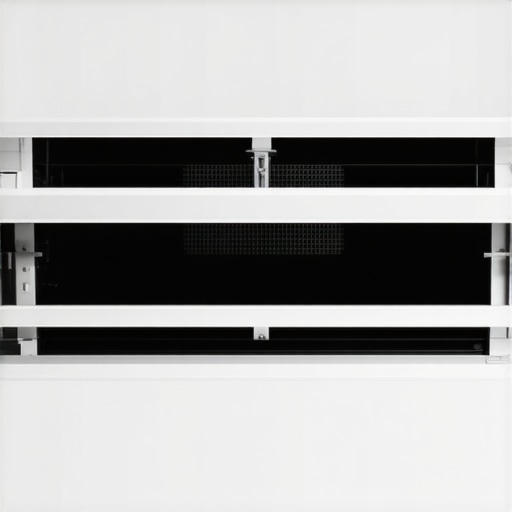
It was late summer, and the scorching heat had me sweating buckets, trying to get my trusty air conditioner to cool down my home. But instead of relief, I was greeted with an unpleasant surprise: a strong, musty sock smell wafting from the vents. I was baffled—how could my AC smell like that? After some research and trial-and-error, I discovered a simple yet effective technique that transformed my stale, stinky system into a fresh oasis. Today, I want to share that secret with you, so you can enjoy cool, odor-free air all season long.
Why Your Air Conditioner Starts Smelling Bad—and How to Fix It
If you’ve ever experienced your AC emitting an off-putting smell, you’re not alone. That lingering odor isn’t just annoying; it can also point to underlying issues like mold buildup or bacteria thriving within your system. According to the Environmental Protection Agency, indoor air can be up to five times more polluted than outdoor air, with mold and bacteria contributing significantly to indoor odors (EPA, 2023). This makes it crucial to maintain your AC not only for cooling efficiency but also for your health.
In my early days of homeownership, I made the mistake of ignoring that strange smell, thinking it was just a temporary issue. Unfortunately, neglecting regular maintenance allowed mold and grime to accumulate, making the smell worse—and more difficult to eliminate. If you’re experiencing similar frustrations, I encourage you to take action before the problem becomes more serious.
Here’s what worked wonders for me, and what can help you restore your AC’s freshness.
[Internal Link: Discover quick solutions for same-day appliance repair with warranty support](https://discountappliancehub.com/same-day-appliance-repair-quick-solutions-with-warranty-support) to address any urgent issues.
Next, we’ll explore practical steps to eliminate that sock smell and keep your cooling system fresh. Whether it’s cleaning the filters or applying a simple DIY trick, these tips can save you from costly repairs and improve your home’s air quality.
Clean or Replace the Air Filters Regularly
The first step I took was to remove the filters and examine them. Dirty filters trap dust, mold, and odors, which linger and spread throughout your home. I recommend removing the filter from your unit, wearing a mask, and vacuuming off loose debris. If they look heavily soiled or have a musty smell, it’s best to replace them. To do this efficiently, measure your existing filters and buy replacements from your local hardware store. Installing fresh filters can dramatically reduce odors and improve airflow, just like it did in my experience when the stale smell disappeared after replacing the filters.
Disinfect the Evaporator Coils
Next, access the evaporator coils—these are often overlooked but critical in maintaining air quality. I used a dedicated coil cleaner spray, following the manufacturer’s instructions. Spray the coils thoroughly, allow the solution to sit for about 10 minutes, then rinse gently with water. Be careful not to get water into electrical components. This step removes mold, bacteria, and dust that cause odor buildup. For better results and to reach those hard-to-clean areas, I used a soft brush before rinsing. A clean coil leaves your system smelling fresh, like it did when I finally eliminated the musty off-gassing.
Neutralize Odors with Baking Soda or Commercial Cleaners
To boost freshness, I sprayed a mixture of equal parts water and white vinegar into the vents, then sprinkled baking soda onto the vents and surrounding ducts. Alternatively, using a commercial deodorizer designed for HVAC systems can help neutralize persistent smells. I found that letting the baking soda sit for about 15 minutes prior to turning on the fan helped absorb residual odors. For consistent maintenance, consider setting a schedule to do this every few months, much like I did, which maintained improved air quality and prevented odors from returning.
Routine Maintenance and Professional Inspection
While doing these DIY steps made a huge difference, I also scheduled a professional inspection once a year. Think of this like taking your car for a tune-up; a technician can identify hidden mold growth, refrigerant leaks, or drain blockages that contribute to odors. When I called a specialist from same-day appliance repair services, they quickly diagnosed an underlying mold issue within my ductwork. This comprehensive approach ensured my AC stayed fresh and efficient, saving me from future problems and costly repairs.
Many homeowners assume that requesting same-day appliance repair guarantees a flawless experience. However, this belief often leads to overlooked nuances that can affect your satisfaction and safety. One pervasive myth is that all technicians are equally qualified for every appliance or service. In reality, experts specialize, and choosing a technician without verifying their expertise can result in subpar repairs or even damage. Instead, I recommend consulting specialized services, like those offered at same-day appliance repair with warranty, to ensure quality and reliability.
A common trap many fall into is thinking that emergency repair services are always more expensive. While urgency might sometimes incur higher costs, savvy consumers can leverage warranties and promotional offers. For example, understanding your appliance’s warranty terms can save you money during emergency repairs. Explore how to maximize your warranty coverage to avoid unnecessary expenses.
**What advanced considerations should intelligent homeowners keep in mind when selecting repair services?**
How can you ensure that a same-day service provider is both trustworthy and well-versed in your specific appliance model?
‘
Research is key. Check reviews, verify certifications, and inquire about experience with your appliance’s brand and model. A reputable provider will gladly share their specialized training and warranty policies. Be cautious of providers who promise drastic fixes without diagnostics, as this can lead to unnecessary replacements or recurring issues.
Another overlooked detail involves understanding the fine print in warranties and service guarantees. Not all warranties cover parts and labor equally, and some exclude certain damage types or parts. Consulting detailed guides like tips for warranty coverage can provide clarity and help prevent surprise costs.
Finally, beware of the ‘one-size-fits-all’ approach. Appliances vary widely, and so do their repair needs. A technician experienced with high-end or smart appliances can diagnose problems that others might miss, preventing costly misdiagnoses. When scheduling service, ask about their familiarity with your specific appliance’s quirks—this can make all the difference.
In conclusion, the key to a satisfactory same-day appliance repair experience extends beyond quick service. It involves understanding nuanced warranty terms, verifying technician expertise, and being wary of common myths about costs and quality. By educating yourself, you can avoid pitfalls and ensure durable repairs. Remember, thorough research and asking the right questions are your best weapons against misinformation. Have you ever fallen into this trap? Let me know in the comments.Maintaining your appliances over the long term requires more than just occasional cleaning; it demands the right tools and a strategic approach to troubleshoot issues before they escalate. One of my go-to pieces of equipment is a digital multimeter, which I use routinely to check voltage and continuity in various components. This precise tool helps me quickly identify electrical faults that could lead to larger problems, saving me time and money. I also rely heavily on a reliable infrared thermometer; when diagnosing a malfunctioning oven or dishwasher, being able to measure surface temperatures accurately allows me to pinpoint heating element failures or thermostat issues. These tools are essential for DIY maintenance and can often prevent costly professional repairs down the line.
How do I maintain appliance health over time?Unlocking Unexpected Lessons From Rapid Repairs
One of the most valuable lessons I learned about same-day service is that not all repair experiences are created equal. Initially, I believed that quick fixes guaranteed flawless outcomes, but I soon discovered that specialized expertise and transparent communication are equally crucial. For example, trusting a technician solely based on urgency can lead to overlooked details or incomplete repairs. The real secret lies in balancing speed with knowledge, ensuring your appliance gets the right attention the first time.
Tools and Resources That Changed My Repair Game
I found that having a reliable set of tools like a digital multimeter and infrared thermometer dramatically improved my troubleshooting success. Additionally, informative platforms such as expert guides on appliance repair provided insights that boosted my confidence. These resources empower homeowners to identify issues accurately and communicate effectively with professionals, ultimately saving time and money.
Embracing the Cost of Knowledge and Action
Looking back, I realize that investing in education about appliance warranties and repair nuances saved me from costly mistakes. Understanding warranty coverage, as explained in warranty tips, ensured that I leveraged support options when needed. This proactive approach turned repair challenges into opportunities for learning, making me more confident in managing appliance issues without unnecessary stress or expense.
Your Next Step in Appliance Confidence
By sharing these personal insights, I hope to inspire you to approach appliance repairs with curiosity and preparedness. Remember, quick service is valuable, but the right expertise and information make all the difference. Dive into trusted resources, ask questions, and don’t hesitate to seek professional help when needed. Your appliances—and your peace of mind—will thank you for it!