
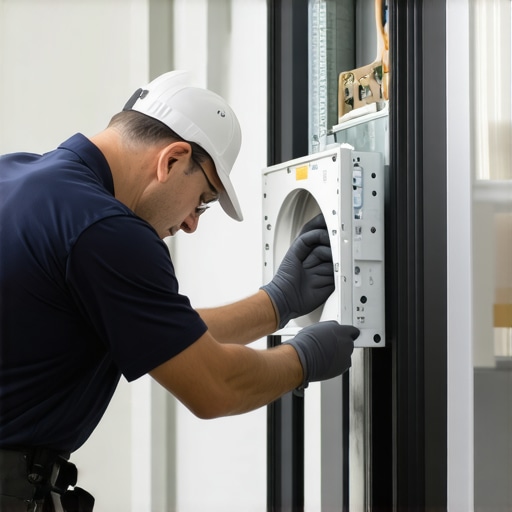
It was one of those sweltering summer days when I finally decided to get my HVAC ducts cleaned. I had read countless articles touting the importance of duct cleaning for better air quality and energy efficiency. But after some quick online research, I was overwhelmed by conflicting advice, flashy marketing claims, and fear-mongering tactics. The more I looked, the more I realized I might have been misled—just like many homeowners who believe that duct cleaning is the ultimate fix for their HVAC issues. That moment of confusion turned into a lightbulb realization: not everything you hear about duct cleaning is backed by science or real necessity.
Why You Should Question the Duct Cleaning Hype
As someone who values practical, fact-based advice, I started digging into what actually impacts my HVAC system’s performance and my home’s air quality. It turns out that many duct cleaning claims are exaggerated or downright false. For instance, the Environmental Protection Agency (EPA) states that duct cleaning has never been shown to prevent health problems or improve system efficiency significantly. Instead, a simple inspection and maintenance routine often suffice for most homeowners. The real issues requiring attention are often related to ventilation, insulation, or faulty filters—areas many overlook while obsessing over cleaner ducts. My early mistake was rushing to hire a duct cleaning service without understanding what my system truly needed. It cost me time and money that could have been better spent on reliable maintenance practices.
Now, I want to help you cut through the noise. We’ll explore why duct cleaning isn’t always the magic solution, how to identify genuine problems in your HVAC system, and the key steps to keep your home comfortable and energy-efficient without falling for costly myths. If you’ve ever wondered whether a duct cleaning is worth the expense or if your AC is just fine, you’re not alone. Let’s demystify this topic together.
Is Duct Cleaning Actually Worth the Hype?
This is a question I wrestled with early on, especially after realizing my initial approach was flawed. I learned that many homeowners make the mistake of assuming duct cleaning will solve their underlying issues, like poor airflow or dust buildup. In reality, sometimes simple filter changes or checking for leaks can make far more difference, saving you money and hassle. If you’re skeptical about all the marketing claims, you’re in good company. Remember, not every cleaning job needs to be a deep, costly overhaul—sometimes, routine maintenance is enough. Curious whether your own HVAC system needs a thorough inspection? Check out [how to ensure reliable appliance installation in 2025](https://discountappliancehub.com/how-to-ensure-reliable-appliance-installation-in-2025) for some guiding tips.
Are you facing persistent dust or high energy bills and wonder if duct cleaning could help? Let’s dive into what truly matters and how to focus your attention where it counts.
Prepare Your Tools and Environment
Before diving into any repair, gather your essential tools—screwdrivers, multimeter, replacement parts. Clear a spacious work area free of clutter, and ensure good lighting. I once tried fixing a leaking dishwasher in a cramped laundry room with poor lighting; it led to dropped screws and misplaced parts, turning a 15-minute task into an hour-long ordeal. A well-prepared space transforms chaos into efficiency.
Diagnose the Issue Accurately
Identify the problem by observing symptoms—strange noises, leaks, error codes. Use a multimeter to verify electrical components’ continuity. For example, when my washer stopped spinning, I checked the door latch sensor before replacing the motor, saving money and time. Proper diagnosis prevents unnecessary part replacements and prolonged downtime.
Consult Reliable Guides and Resources
Use trusted sources like the expert repair guides or manufacturer manuals to understand your appliance’s intricacies. I once attempted a complex oven thermostat repair without guidance; following a step-by-step tutorial saved me from costly errors and voided warranties, which I later maximized during warranty support.
Ensure Proper Power and Safety Measures
Before working internally, unplug the appliance completely. If working on a gas appliance, turn off the gas supply. Use a non-contact voltage tester to confirm no live current. I vividly remember forgetting to unplug my refrigerator—shockingly, this oversight could have been dangerous. Safety first prevents accidents and damages.
Implement the Repair with Precision
Follow step-by-step instructions, noting screw placements and connections. Use the correct tools to avoid stripping screws or damaging parts. When replacing a heating element, I carefully documented each step; this ensured correct reassembly and restored operation on the first try. Remember, patience and attention to detail are your allies.
Test and Verify the Fix
Power the appliance back on and test its features thoroughly. Check for leaks, proper cycling, and error codes. In my experience, testing multiple cycles after repair uncovered issues I hadn’t noticed earlier, saving future callouts. For complex repairs, consider scheduling same-day service to ensure everything operates flawlessly.
Document the Repair Process
Keep records of parts replaced, steps taken, and issues encountered. This documentation helps if warranty claims arise or future troubleshooting is needed. I once submitted detailed repair logs when my warranty provider questioned a repair, leading to quicker coverage. Proper documentation also supports maximizing warranty benefits.
Secure Proper Installation and Future Maintenance
After repair, double-check that all components are securely fastened. For appliances like dishwashers or ovens, confirm they are leveled and connected correctly, preventing issues down the line. I learned this the hard way when an unlevel dishwasher caused excessive noise; fixing the leveling improved performance immediately. To ensure your appliances are installed correctly from the start, consider professional services. Check out trusted installation options.
Leverage Warranty and Support When Needed
If problems persist or repairs become complex, don’t hesitate to consult professionals or warranty services. Properly documenting your repair processes helps in negotiating coverage or repairs under warranty. I once faced a recurring refrigerator fault; documenting each fix was instrumental in securing a warranty replacement, saving thousands in replacement costs. For urgent repairs with warranty support, explore reliable warranty-backed services.
When it comes to appliance repair and installation, many homeowners operate under assumptions that can actually hinder their experience or lead to unnecessary costs. Let’s explore some of these misconceptions, the nuanced truths behind them, and the pitfalls you should avoid to ensure you’re making informed decisions. One prevalent myth is that every repair or service requires the fastest possible response. While quick turnaround is appealing, rushing into same-day service without understanding whether it’s genuinely necessary can result in higher costs and less effective solutions. For example, some providers might push for urgent repairs even when a scheduled appointment would suffice, potentially leading to inflated prices and subpar workmanship. Learning how to distinguish between urgent and non-urgent issues is a crucial skill that can save you money.
Another common trap is believing that installation quality doesn’t matter as much as getting it done quickly. Many assume that as long as the appliance works afterward, the installation was successful. However, improper installation can lead to safety hazards, decreased efficiency, and even voided warranties. For instance, incorrectly grounded electric ranges or poorly sealed refrigerators can cause long-term problems and void your warranty coverage. It’s essential to verify that installations adhere to manufacturer specifications and safety standards. Check out [how to ensure reliable appliance installation in 2025](https://discountappliancehub.com/how-to-ensure-reliable-appliance-installation-in-2025) for detailed guidance.
Many overlook the fine print of warranties, assuming that repairs made during a service call automatically qualify for coverage. This is not always true. Some warranties have specific clauses about parts replaced, the timing of repairs, or the authorized service providers. A mistake homeowners often make is assuming their warranty covers all repairs regardless of who performs them or the parts used. Using third-party parts or unlicensed technicians can jeopardize warranty validity. To maximize your coverage during emergencies, check out [how to maximize your appliance warranty during emergency repairs](https://discountappliancehub.com/maximize-your-appliance-warranty-during-emergency-repairs).
Crucially, many miss the importance of documentation. Keep detailed records of repair dates, parts used, and service provider information. This documentation becomes invaluable if a repair is questioned under warranty or if you need to prove service history for resale. I’ve seen situations where a homeowner’s meticulous records helped secure warranty replacements or repairs faster, saving thousands.
**Are there hidden risks in ignoring these nuances? Absolutely.** A notable example is neglecting the proper installation of a gas appliance. Incorrect installation not only voids the warranty but can also pose serious safety hazards, including leaks or fires. Professional installation, following strict safety and manufacturer protocols, is non-negotiable. For reliable, code-compliant services, consider [trusted installation options](https://discountappliancehub.com/fast-trustworthy-appliance-installation-near-you).
Understanding these lesser-known aspects—such as the significance of certified technicians, precise installation procedures, warranty stipulations, and cost-effective timing—can dramatically impact your appliance maintenance experience. Don’t fall into the trap of superficial fixes or assumptions; instead, equip yourself with knowledge to navigate the repair process confidently. Have you ever fallen into this trap? Let me know in the comments.
Tools I Recommend for Reliable Appliance Maintenance
When it comes to keeping my appliances running smoothly over time, I rely on a set of specialized tools that aren’t just basic screwdrivers and multimeters. I personally use a digital infrared thermometer to monitor critical temperature points in my oven and refrigerator, allowing me to catch potential issues before they escalate. This non-contact device provides quick readings, vital for ensuring components like heating elements or compressor are functioning within optimal ranges. For instance, regular temperature checks helped me identify a failing defrost heater early, which prevented costly repairs and extended the appliance’s lifespan.
I also trust a high-quality vacuum nozzle attachment for cleaning condenser coils—an often-overlooked maintenance point. Regular coil cleaning with this tool improves heat exchange efficiency, leading to lower energy bills and less wear on components. Personally, I schedule coil cleaning every six months, using the nozzle to remove dust and debris effectively without risking damage. Incorporating this into my routine has noticeably extended the intervals between repairs.
On the software side, I utilize diagnostic apps recommended by appliance manufacturers. These apps can interface with smart appliances, providing real-time error codes and troubleshooting guidance. For example, my smart washer’s app alerted me to a minor sensor malfunction, allowing me to reset and recalibrate it myself, avoiding unnecessary callouts. As appliances become more connected, integrating these tools helps me troubleshoot issues swiftly and accurately.
The Future of Appliance Maintenance Tools
Looking ahead, I believe that IoT-enabled diagnostic devices will become even more integrated, offering proactive maintenance alerts and predictive failure analyses. Manufacturers are likely to develop smarter tools that can communicate directly with service providers or apps, reducing downtime significantly. Embracing these advancements now ensures you’re ahead of the curve, maximizing your appliance warranties and minimizing long-term repair costs. For instance, exploring warranty-backed support options allows you to leverage these smart tools effectively.
How can I maintain my appliances over time?
Consistent routine maintenance combined with the right tools goes a long way. I recommend scheduling regular inspections, cleaning critical parts like filters and coils, and monitoring performance with digital thermometers or diagnostic apps. This proactive approach not only extends your appliance’s lifespan but also ensures your home remains efficient and safe. In the future, adopting IoT-connected tools will make this even easier, bringing predictive maintenance directly to your fingertips.
Throughout my journey in appliance repair and installation, I’ve uncovered lessons that go far beyond technical manuals or quick fixes. One of the most eye-opening realizations was how easily homeowners fall prey to marketing myths that promise instant solutions, when in reality, a thoughtful, informed approach yields far better results. For example, I once rushed into a same-day repair because I believed delays would cause inconvenience, only to discover that waiting for the right part and proper diagnostics saved me from recurring issues and costly callbacks. This taught me that patience and understanding true problem signals are crucial, especially when it comes to warranty considerations and long-term reliability.
Another lesson was the importance of verifying certification and adhering strictly to installation standards. I used to think a quick setup was enough, but now I realize that substandard installation can compromise safety, void warranties, and lead to frequent breakdowns. Taking the time to consult reliable resources and experts—like those found at [trusted installation services](https://discountappliancehub.com/fast-trustworthy-appliance-installation-near-you)—makes all the difference in securing a job well done.
Lastly, I learned that documentation is my best ally. Keeping detailed records from repair receipts to installation notes can be a game-changer when dealing with warranty claims or future troubleshooting. This proactive step has, on more than one occasion, empowered me to get repairs authorized swiftly and confidently, avoiding unnecessary expenses.
These insights have transformed my perspective, turning appliance repair from a stressful guesswork into a strategic, efficient process. I encourage you to question common assumptions, take your time with diagnostics, and always prioritize safety and professionalism. Your appliances—and your wallet—will thank you.