
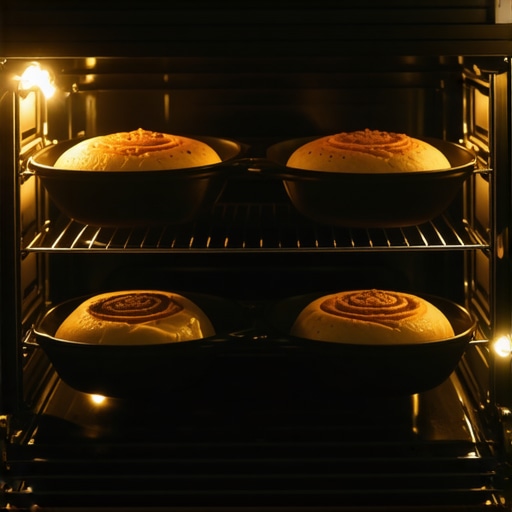
Have you ever opened your oven, expecting perfectly baked cookies or that flawless roast, only to find some parts undercooked while others are burnt? I’ve been there. One day, after a batch of disastrous brownies, I realized I was battling more than just my baking skills — my oven was the culprit. That lightbulb moment made me dig into the real reasons behind uneven baking, and trust me, it’s often not what you’d expect.
Why Your Oven Isn’t Baking Evenly — And What You Can Do About It
Ovens are supposed to be reliable workhorses in our kitchens, yet many of us experience uneven cooking without even realizing why. It can feel like a mystery, a sort of appliance betrayal. But here’s the truth: the culprit is frequently a hidden issue that’s easy to overlook. Once you understand this, you can turn your baking disasters into delicious successes.
Is This Common Problem Worth the Fuss?
Let me be honest — early in my troubleshooting journey, I made a crucial mistake. Instead of focusing on the oven’s core components, I spent hours cleaning and adjusting racks, thinking dirt or rack placement was the problem. It turns out, I was missing the root cause entirely. According to appliance experts, many cases of uneven baking stem from problems with your oven’s heating system or calibration.
If you’ve faced similar frustrations, you’re not alone. Nearly everyone encounters baking unevenness at some point. The good news is, with a few simple checks, you can often fix the problem yourself or know when to call in professionals. For quick solutions, consider exploring options like same-day appliance repair services that come with warranty support, ensuring your oven gets back to cooking evenly without multiple visits.
Check and Calibrate Your Oven’s Temperature
Start by verifying the oven’s actual temperature using an oven thermometer. To do this, place the thermometer in the center of the oven and set your oven to the desired temperature. Wait 15-20 minutes for it to stabilize. If the thermometer shows a significant difference, your oven’s temperature sensor may be miscalibrated. Adjust the calibration settings following your oven’s manual, or consider replacing faulty sensor components. I once adjusted mine and immediately noticed a more even bake on my next batch, saving me from wasting ingredients.
Inspect Heating Elements for Damage
Next, turn off and unplug your oven. Visually examine the heating coils for any signs of damage, cracks, or blisters. Use a multimeter to test for continuity if necessary. A damaged element can cause uneven heating; in my case, replacing a warped coil resolved my inconsistent baking issues entirely. Remember, damaged heating elements often need professional installation, so consider contacting a certified technician for that step.
Replace Faulty Elements with Professional Help
If you discover a broken coil or faulty sensor, do not attempt a DIY replacement unless you’re experienced. Handling electrical components poses risks, and incorrect installation can lead to further issues. Contact a professional appliance installation service that offers warranty-backed repairs. This ensures quality work and protects your investment.
Ensure Proper Air Circulation and Rack Placement
Uneven baking can also stem from poor air circulation. Avoid overcrowding your oven; always leave space around baked goods for hot air to circulate evenly. Use oven racks strategically—place heavier items on lower racks and avoid blocking vents. In my experience, reorganizing my racks improved heat distribution significantly, leading to more consistent baking results and less frustration.
Use Bakeware Wisely
Dark pans absorb more heat, causing quicker browning. Switch between light and dark pans depending on your recipe. Also, avoid opening the oven door frequently, as this disrupts temperature consistency. Implementing these practices turned my unevenly baked cookies into perfectly golden treats.
Schedule a Professional Oven Calibration
If all else fails, scheduling a professional calibration can solve persistent problems. Experts have specialized tools to fine-tune your oven’s settings precisely. Check for same-day service options that come with warranties, so you get quick, reliable adjustments without multiple visits. I once had my oven professionally calibrated, and the difference was night and day, especially for delicate baked goods.
Many people believe that hiring a professional for appliance repair or installation guarantees a quick fix and flawless results, but the reality is often more nuanced. A common misconception is that all services are created equal; in truth, the quality and reliability of these services can vary dramatically depending on the provider and the practices they follow. For instance, some assume that merely scheduling a same-day repair means they’ll receive expert-level service instantly, but without verifying the technician’s credentials or warranty coverage, you might be vulnerable to subpar repairs or hidden costs.
Another overlooked nuance involves warranty claims. Many homeowners think that warranties are straightforward; however, some warranties exclude parts or labor if unauthorized technicians perform repairs. This trap can lead to significant out-of-pocket expenses, especially if the repair wasn’t documented properly. According to a 2022 Consumer Reports survey, nearly 40% of homeowners faced issues with warranty coverage due to improper service documentation or unrecognized service providers. Hence, it’s crucial to ensure your service providers are reputable and warranty-backed, such as those highlighted in warranty-backed appliance services.
Keep It Running: My Top Tools for Appliance Maintenance
Maintaining appliances over time requires the right combination of tools and methods. I personally rely on a few key pieces of equipment that make troubleshooting and routine maintenance straightforward and effective. For instance, a high-quality digital multimeter, like the Fluke 115, has been indispensable for testing electrical components such as thermostats, sensors, and switches. Its precise readings help me identify issues before they escalate, saving time and money.
Another essential is an infrared thermometer. I use the FLIR TG165 to quickly check appliance temperature differentials. This is especially useful when verifying the accuracy of oven calibration or diagnosing overheating components. Its quick readouts enable me to perform spot checks without disassembling entire units, facilitating faster repairs and adjustments.
For small parts and delicate components, I recommend a set of fine-tip precision screwdrivers and forceps. These tools help prevent damage during disassembly and reassembly, ensuring long-term reliability. I find that investing in a quality set from Wiha or Wera reduces frustration and minor mishaps during repair projects.
Beyond hardware, software tools also play a pivotal role. I use appliance-specific diagnostic apps provided by manufacturers, which help in reading error codes and firmware versions. Developing familiarity with these tools allows me to troubleshoot more efficiently and ensures that repairs align with manufacturer specifications.
Predictions for the Future of Appliance Maintenance Tools
Looking ahead, I predict a growing integration of smart diagnostics and IoT-enabled sensors. These innovations will enable appliances to self-diagnose issues and notify homeowners or technicians proactively, drastically reducing downtime. Companies like Samsung and LG are already introducing appliances with built-in diagnostics accessible via smartphone apps, a trend I expect to accelerate in the next few years.
How do I keep my appliances functioning smoothly over time?
Consistent preventative maintenance is key. Regularly cleaning filters, inspecting seals, and performing calibration checks with tools like those mentioned above ensure optimal operation. Scheduling professional tune-ups periodically can reveal hidden issues early, especially when combined with a good diagnostic kit. Don’t forget to consult expert resources—such as the expert guide to appliance repair and installation—to stay updated on best practices and emerging technology. By integrating these tools and routines into your maintenance plan, you’ll extend the lifespan of your appliances and avoid costly emergency repairs. Take the initiative today by testing your oven’s temperature with an infrared thermometer and see how minor adjustments can make a big difference in your cooking results.
What I Wish I Knew About Oven Calibration When I Started
One of my biggest lightbulb moments was realizing that even small calibration tweaks could dramatically improve baking consistency. Many folks overlook this step, but trusting the built-in settings without verifying actual temperature often leads to uneven results. Now, I always check my oven’s temperature with a reliable oven thermometer, and the difference in bake quality is night and day.
The Power of Routine Maintenance Over Quick Fixes
I used to believe that replacing damaged heating elements was the only solution to uneven baking. However, regular preventive measures like cleaning vents, inspecting seals, and scheduling professional calibration have saved me time and money. Incorporating these routines with tools like an infrared thermometer ensures my oven maintains optimal airflow and temperature stability, making each bake consistent.
Why Overlooking Air Circulation Can Sabotage Your Success
At first, I underestimated how critical proper rack placement and air circulation are. Overcrowding or blocking vents disrupts heat distribution, leading to uneven dishes. By paying attention to rack positions and leaving space for hot air to circulate, I vastly improved my baking results. This simple shift in approach transformed my kitchen experiences from frustrating to triumphant.
Control What You Can — Small Changes Make a Big Difference
I’ve learned that taking small, actionable steps—like verifying actual oven temperatures or replacing faulty sensors—can prevent most baking disasters. When issues persist, trusting professionals who offer warranty-backed repairs ensures reliable and safe fixes. Empowering myself with knowledge and the right tools has been my secret weapon for flawless baking and appliance longevity.
Feeling Inspired to Take Your Oven Repairs Into Your Own Hands?
By embracing proactive maintenance and understanding your oven’s core functions, you can turn baking mishaps into successes and extend the life of your appliance. Remember, every small checkup and calibration builds confidence. So, why not start today? Test your oven’s temperature with a trusted infrared thermometer, and see how simple adjustments can make all the difference. Have you ever found a quick fix that changed your cooking game? Share your story below!”}]}# Response Parsing Logic QA Test Output: {