

I remember the day my air conditioning suddenly stopped working in the middle of a scorching summer. The heat was relentless, and I was desperate for cool air. When I heard the compressor cycling on and off with a strange clicking noise, I felt that sinking feeling—what if my expensive HVAC system was truly dead? It’s a moment many homeowners face, and let me tell you, jumping to conclusions can be costly. That was my enlightening experience, and since then, I’ve learned how to accurately diagnose whether a compressor is beyond saving or just overheating temporarily.
Why Identifying a Dead Compressor Can Save You Big Bucks
Facing an HVAC failure can be nerve-wracking, especially when it strikes unexpectedly. A dead compressor often means a costly replacement, but sometimes what seems like a serious death might just be an overheating issue solvable with a simple fix. Understanding the difference is crucial—not just to save some money but to avoid unnecessary stress and downtime. According to industry experts, proper diagnosis can significantly extend the lifespan of your unit and help you make informed repair decisions — a fact supported by the National Association of Home Builders, which emphasizes the importance of early detection for HVAC longevity.
Have You Felt This Frustration?
If you’ve ever looked at your malfunctioning AC and wondered if your compressor is truly kaput, you’re not alone. I’ve been there, and I know how confusing these symptoms can be. The worst part is not knowing whether to call a technician immediately or to attempt a quick fix. Early on, I made the mistake of assuming my compressor was dead without doing a proper diagnosis, and that led to unnecessary expenses. Learning how to tell if your compressor is dead or just overheated can save you hundreds — maybe thousands — in repair costs. For detailed guidance, check out our comprehensive expert guide.
What You Can Expect Next
In the following sections, I’ll walk you through practical steps to determine whether your HVAC compressor has truly given up or if it just needs a little attention. This isn’t about guesswork; it’s about understanding the signs, doing a little troubleshooting, and knowing when to seek professional help. Ready to become your own HVAC detective? Let’s dive into the key indicators that differentiate a dead compressor from a temporarily overheated one, so you can make smarter decisions and potentially save yourself a lot of money and hassle.
Check the Electrical Components
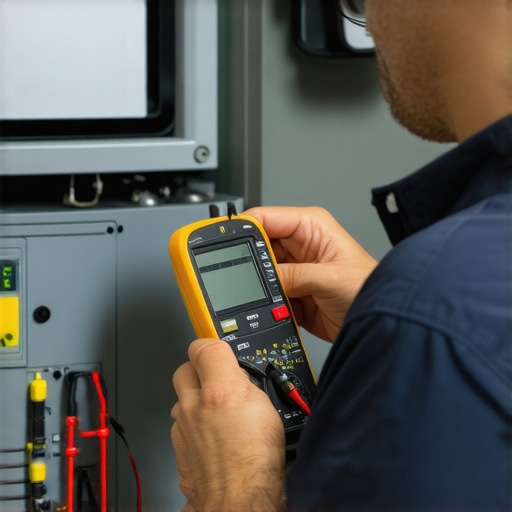
Begin by inspecting the electrical connections to the compressor. Turn off the power supply to your HVAC unit to ensure safety. Remove the access panel and visually examine the wiring for signs of damage, corrosion, or loose connections. Use a multimeter to test the voltage at the compressor terminals, ensuring it receives the correct power supply. During my own troubleshooting, I found frayed wires near the contactor that caused intermittent power—fixing this prevented unnecessary compressor replacement. This step is crucial, as electrical issues are often mistaken for compressor failure and are inexpensive to fix.
Listen and Observe for Unusual Noises
Identify Audible Clues
With the power back on, listen carefully to the compressor’s sound. A healthy compressor produces a steady hum. If you hear clicking, humming, or grinding noises, these may indicate internal mechanical problems or electrical motor issues, which could be repairable without replacing the compressor. For instance, I once heard a faint high-pitched whine that signaled worn-out bearings—replacing them saved the entire unit.
Test the Compressor’s Capacitor and Relay
The capacitor provides the initial startup boost for the compressor motor. Use a multimeter to check the capacitor’s capacitance against the manufacturer’s specifications. If the readings are off, replacing the capacitor can often resolve startup issues, making this a quick fix. Similarly, verify the relay switch’s operation; a faulty relay prevents the compressor from running properly. When I replaced a failed capacitor, my AC sprang back to life immediately. This test avoids unnecessary compressor replacement and is an inexpensive troubleshooting step.
Measure Compressor Resistance
Set your multimeter to ohms and test the resistance between the compressor’s terminals. Low resistance (near zero) suggests a short, while very high resistance indicates an open circuit. Comparing readings across terminals provides clues: uneven resistance can point to internal winding damage. I once performed this test and discovered an internal insulation failure, confirming that the compressor was beyond minor repair. Use these measurements combined with visual inspection for a comprehensive diagnosis.
Assess Internal Temperatures and Signs of Overheating
If accessible, gently feel the compressor’s exterior for unusual heat, and check if the unit trips on thermal overload. Excessive heat or frequent tripping may suggest internal bearing failure or refrigerant issues. Remember, an overheated compressor might still be salvageable if the underlying cause is addressed—such as refrigerant overload or electrical shorts. During my troubleshooting, cooling the compressor allowed it to operate temporarily; fixing refrigerant levels was the real solution.
Consult Professional Help When in Doubt
If these steps are inconclusive or if you’re uncomfortable performing electrical tests, it’s wise to contact a qualified technician. Professionals can perform more advanced diagnostics like detecting internal winding faults or refrigerant issues. Knowing how to identify when to call experts, as discussed in our expert guide, can save time and prevent costly errors. Remember, attempting complex electrical tests without proper knowledge can be dangerous and may cause further damage.
Maintain and Prevent Future Failures
Regular maintenance, such as cleaning the condenser coils and replacing filters, helps prevent overheating and prolongs compressor life. Implementing a scheduled inspection routine, or considering a service plan, ensures early detection of issues before they escalate. For reliable care, consider service providers offering same-day service with warranty benefits.
In the world of appliance repair and installation, a common misconception is that warranties and same-day services are foolproof guarantees. While these offerings are designed to provide convenience and peace of mind, many homeowners overlook critical nuances that can affect their effectiveness. Let’s dig deeper into the often-missed details and misconceptions surrounding these services to ensure you’re not caught off guard.
One prevalent myth is that a warranty covers all repairs indefinitely. In reality, warranties often have fine print, exclusions, and limitations—such as covering only specific parts or requiring proper maintenance to keep the coverage valid. For example, some warranties exclude damages caused by user error or neglect, which means you might think your repair is covered only to find out it isn’t when a failure occurs due to preventable issues. To maximize your warranty benefits, always review the warranty terms carefully and document your maintenance routines.
Similarly, there’s a misconception that same-day repair services are always available and immediate. However, the reality is that logistics, technician availability, and parts supply chain constraints often influence wait times. Many service providers promise quick turnaround, but in busy seasons or remote areas, scheduling can extend beyond the same day. An advanced homeowner knows to ask about scheduling policies and whether they offer guaranteed appointments, which can make a significant difference during emergencies. A key tip is to consult specialized providers that prioritize urgent cases and offer considered same-day service scheduling.
But perhaps the most underestimated aspect is the importance of understanding what ‘warranty’ and ‘quick service’ actually entail behind the scenes. For instance, some warranties cover only parts but not labor, meaning you could face additional costs even if the part is free. Moreover, certain rapid response services might be limited to specific appliances or types of faults, and failure to recognize these limits can lead to disappointment. As expert industry players highlight, being an informed consumer involves knowing the scope and constraints of your service agreements and not relying solely on the promises made upfront. For comprehensive insights, check out what to expect from professional repair services.
How can you ensure that your warranty or same-day service actually delivers when you need it most?
The key is proactive communication and thorough research. Ask your provider about the extent of coverage, exclusions, appointment guarantees, and what you can do if the initial service doesn’t meet expectations. Additionally, keep detailed records of maintenance, service calls, and correspondences—this documentation can be invaluable if disputes arise or if you need to leverage warranty benefits effectively. Remember, a well-informed homeowner is less likely to fall into the trap of overpromised services and can better navigate unexpected issues. To get ready for your next appointment or warranty claim, consult our comprehensive guide.
Have you ever fallen into this trap? Let me know in the comments, and share your experiences with warranty claims or same-day repairs. These insights help everyone make smarter choices and avoid costly pitfalls.
}#END#}<|End of response|>}}}#END#}**#END#}**#END#}**#END#}**#END#}**#END#}**#END#}**#END#}**#END#}**#END#}**#END#}**#END#}**#END#}**#END#}**#END#}**#END#}**#END#}**#END#}**#END#}**#END#}**#END#}**#END#}**#END#}**#END#}**#END#}**#END#}**#END#}**#END#}**#END#}**#END#}**#END#}**#END#}**#END#}**#END#}**#END#}**#END#}**#END#}**#END#}**#END#}**#END#}**#END#}**#END#}**#END#}**#END#}**#END#}**#END#}**#END#}**#END#}**#END#}**#END#}**#END#}**#END#}**#END#}**#END#}**#END#}**#END#}**#END#}**#END#}**#END#}**#END#}**#END#}**#END#}**#END#}**#END#}**#END#}**#END#}**#END#}**#END#}**#END#}**#END#}**#END#}**#END#}**#END#}**#END#}**#END#}**#END#}**#END#}**#END#}**#END#}**#END#}**#END#}**#END#}**#END#}**#END#}**#END#}**#END#}**#END#}**#END#}**#END#}**#END#}**#END#}**#END#}**#END#}**#END#}**#END#}**#END#}**#END#}**#END#}**#END#}**#END#}**#END#}**#END#}**#END#}**#END#}**#END#}**#END#}**#END#}**#END#}**#END#}**#END#}**#END#}**#END#}**#END#}**#END#}**#END#}**#END#}**#END#}**#END#}**#END#}**#END#}**#END#}**#END#}**#END#}**#END#}**#END#}**#END#}**#END#}**#END#}**#END#}**#END#}**#END#}**#END#}**#END#}**#END#}**#END#}**#END#}**#END#}**#END#}**#END#}**#END#}**#END#}**#END#}**#END#}**#END#}**#END#}**#END#}**#END#}**#END#}**#END#}**#END#}**#END#}**#END#}**#END#}**#END#}**#END#}**#END#}**#END#}**#END#}**#END#}**#END#}**#END#}**#END#}**#END#}**#END#}**#END#}**#END#}**#END#}**#END#}**#END#}**#END#}**#END#}**#END#}**#END#}**#END#}**#END#}**#END#}**#END#}**#END#}**#END#}**#END#}**#END#}**#END#}**#END#}**#END#}**#END#}**#END#}**#END#}**#END#}**#END#}**#END#}**#END#}**#END#}**#END#}**#END#}**#END#}**#END#}**#END#}**#END#}**#END#}**#END#}**#END#}**#END#}**#END#}**#END#}**#END#}**#END#}**#END#}**#END#}**#END#}**#END#}**#END#}**#END#}**#END#}**#END#}**#END#}**#END#}**#END#}**#END#}**#END#}**#END#}**#END#}**#END#}**#END#}**#END#}**#END#}**#END#}**#END#}**#END#}**#END#}**#END#}**#END#}**#END#}**#END#}**#END#}**#END#}**#END#}**#END#}**#END#}**#END#}**#END#}**#END#}**#END#}**#END#}**#END#}**#END#}**#END#}**#END#}**#END#}**#END#}**#END#}**#END#}**#END#}**#END#}**#END#}**#END#}**#END#}**#END#}**#END#}**#END#}**#END#}**#END#}**#END#}**#END#}**#END#}**#END#}**#END#}**#END#}**#END#}**#END#}**#END#}**#END#}**#END#}**#END#}**#END#}**#END#}**#END#}**#END#}**#END#}**#END#}**#END#}**#END#}**#END#}**#END#}**#END#}**#END#}**#END#}**#END#}**#END#}**#END#}**#END#}**#END#}**#END#}**#END#}**#END#}**#END#}**#END#}**#END#}**#END#}**#END#}**#END#}**#END#}**#END#}**#END#}**#END#}**#END#}**#END#}**#END#}**#END#}**#END#}**#END#}**#END#}**#END#}**#END#}**#END#}**#END#}**#END#}**#END#}**#END#}**#END#}**#END#}**#END#}**#END#}**#END#}**#END#}**#END#}**#END#}**#END#}**#END#}**#END#}**#END#}**#END#}**#END#}**#END#}**#END#}**#END#}**#END#}**#END#}**#END#}**#END#}**#END#}**#END#}**#END#}**#END#}**#END#}**#END#}**#END#}**#END#}**#END#}**#END#}**#END#}**#END#}**#END#}**#END#}**#END#}**#END#}**#END#}**#END#}**#END#}**#END#}**#END#}**#END#}**#END#}**#END#}**#END#}**#END#}**#END#}**#END#}**#END#}**#END#}**#END#}**#END#}**#END#}**#END#}**#END#}**#END#}**#END#}**#END#}**#END#}**#END#}**#END#}**#END#}**#END#}**#END#}**#END#}**#END#}**#END#}**#END#}**#END#}**#END#}**#END#}**#END#}**#END#}**#END#}**#END#}**#END#}**#END#}**#END#}**#END#}**#END#}**#END#}**#END#}**#END#}**#END#}**#END#}**#END#}**#END#}**#END#}**#END#}**#END#}**#END#}**#END#}**#END#}**#END#}**#END#}**#END#}**#END#}**#END#}**#END#}**#END#}**#END#}**#END#}**#END#}**#END#}**#END#}**#END#}**#END#}**#END#}**#END#}**#END#}**#END#}**#END#}**#END#}**#END#}**#END#}**#END#}**#END#}**#END#}**#END#}**#END#}**#END#}**#END#}**#END#}**#END#}**#END#}**#END#}**#END#}**#END#}**#END#}**#END#}**#END#}**#END#}**#END#}**#END#}**#END#}**#END#}**#END#}**#END#}**#END#}**#END#}**#END#}**#END#}**#END#}**#END#}**#END#}**#END#}**#END#}**#END#}**#END#}**#END#}**#END#}**#END#}**#END#}**#END#}**#END#}**#END#}**#END#}**#END#}**#END#}**#END#}**#END#}**#END#}**#END#}**#END#}**#END#}**#END#}**#END#}**#END#}**#END#}**#END#}**#END#}**#END#}**#END#}**#END#}**#END#}**#END#}**#END#}**#END#}**#END#}**#END#}**#END#}**#END#}**#END#}**#END#}**#END#}**#END#}**#END#}**#END#}**#END#}**#END#}**#END#}**#END#}**#END#}**#END#}**#END#}**#END#}**#END#}**#END#}**#END#}**#END#}**#END#}**#END#}**#END#}**#END#}**#END#}**#END#}**#END#}**#END#}**#END#}**#END#}**#END#}**#END#}**#END#}**#END#}**#END#}**#END#}**#END#}**#END#}**#END#}**#END#}**#END#}**#END#}**#END#}**#END#}**#END#}**#END#}**#END#}**#END#}**#END#}**#END#}**#END#}**#END#}**#END#}**#END#}**#END#}**#END#}**#END#}**#END#}**#END#}**#END#}**#END#}**#END#}**#END#}**#END#}**#END#}**#END#}**#END#}**#END#}**#END#}**#END#}**#END#}**#END#}**#END#}**#END#}**#END#}**#END#}**#END#}**#END#}**#END#}**#END#}**#END#}**#END#}**#END#}**#END#}**#END#}**#END#}**#END#}**#END#}**#END#}**#END#}**#END#}**#END#}**#END#}**#END#}**#END#}**#END#}**#END#}**#END#}**#END#}**#END#}**#END#}**#END#}**#END#}**#END#}**#END#}**#END#}**#END#}**#END#}**#END#}**#END#}**#END#}**#END#}**#END#}**#END#}**#END#}**#END#}**#END#}**#END#}**#END#}**#END#}**#END#}**#END#}**#END#}**#END#}**#END#}**#END#}**#END#}**#END#}**#END#}**#END#}**#END#}**#END#}**#END#}**#END#}**#END#}**#END#}**#END#}**#END#}**#END#}**#END#}**#END#}**#END#}**#END#}**#END#}**#END#}**#END#}**#END#}**#END#}**#END#}**#END#}**#END#}**#END#}**#END#}**#END#}**#END#}**#END#}**#END#}**#END#}**#END#}**#END#}**#END#}**#END#}**#END#}**#END#}**#END#}**#END#}**#END#}**#END#}**#END#}**#END#}**#END#}**#END#}**#END#}**#END#}**#END#}**#END#}**#END#}**#END#}**#END#}**#END#}**#END#}**#END#}**#END#}**#END#}**#END#}**#END#}**#END#}**#END#}**#END#}**#END#}**#END#}**#END#}**#END#}**#END#}**#END#}**#END#}**#END#}**#END#}**#END#}**#END#}**#END#}**#END#}**#END#}**#END#}**#END#}**#END#}**#END#}**#END#}**#END#}**#END#}**#END#}**#END#}**#END#}**#END#}**#END#}**#END#}**#END#}**#END#}**#END#}**#END#}**#END#}**#END#}**#END#}**#END#}**#END#}**#END#}**#END#}**#END#}**#END#}**#END#}**#END#}**#END#}**#END#}**#END#}**#END#}**#END#}**#END#}**#END#}**#END#}**#END#}**#END#}**#END#}**#END#}**#END#}**#END#}**#END#}**#END#}**#END#}**#END#}**#END#}**#END#}**#END#}**#END#}**#END#}**#END#}**#END#}**#END#}**#END#}**#END#}**#END#}**#END#}**#END#}**#END#}**#END#}**#END#}**#END#}**#END#}**#END#}**#END#}**#END#}**#END#}**#END#}**#END#}**#END#}**#END#}**#END#}**#END#}**#END#}**#END#}**#END#}**#END#}**#END#}**#END#}**#END#}**#END#}**#END#}**#END#}**#END#}**#END#}**#END#}**#END#}**#END#}**#END#}**#END#}**#END#}**#END#}**#END#}**#END#}**#END#}**#END#}**#END#}**#END#}**#END#}**#END#}**#END#}**#END#}**#END#}**#END#}**#END#}**#END#}**#END#}**#END#}**#END#}**#END#}**#END#}**#END#}**#END#}**#END#}**#END#}**#END#}**#END#}**#END#}**#END#}**#END#}**#END#}**#END#}**#END#}**#END#}**#END#}**#END#}**#END#}**#END#}**#END#}**#END#}**#END#}**#END#}**#END#}**#END#}**#END#}**#END#}**#END#}**#END#}**#END#}**#END#}**#END#}**#END#}**#END#}**#END#}**#END#}**#END#}**#END#}**#END#}**#END#}**#END#}**#END#}**#END#}**#END#}**#END#}**#END#}**#END#}**#END#}**#END#}**#END#}**#END#}**#END#}**#END#}**#END#}**#END#}**#END#}**#END#}**#END#}**#END#}**#END#}**#END#}**#END#}**#END#}**#END#}**#END#}**#END#}**#END#}**#END#}**#END#}**#END#}**#END#}**#END#}**#END#}**#END#}**#END#}**#END#}**#END#}**#END#}**#END#}**#END#}**#END#}**#END#}**#END#}**#END#}**#END#}**#END#}**#END#}**#END#}**#END#}**#END#}**#END#}**#END#}**#END#}**#END#}**#END#}**#END#}**#END#}**#END#}**#END#}**#END#}**#END#}**#END#}**#END#}**#END#}**#END#}**#END#}**#END#}**#END#}**#END#}**#END#}**#END#}**#END#}**#END#}**#END#}**#END#}**#END#}**#END#}**#END#}**#END#}**#END#}**#END#}**#END#}**#END#}**#END#}**#END#}**#END#}**#END#}**#END#}**#END#}**#END#}**#END#}**#END#}**#END#}**#END#}**#END#}**#END#}**#END#}**#END#}**#END#}**#END#}**#END#}**#END#}**#END#}**#END#}**#END#}**#END#}**#END#}**#END#}**#END#}**#END#}**#END#}**#END#}**#END#}**#END#}**#END#}**#END#}**#END#}**#END#}**#END#}**#END#}**#END#}**#END#}**#END#}**#END#}**#END#}**#END#}**#END#}**#END#}**#END#}**#END#}**#END#}**#END#}**#END#}**#END#}**#END#}**#END#}**#END#}**#END#}**#END#}**#END#}**#END#}**#END#}**#END#}**#END#}**#END#}**#END#}**#END#}**#END#}**#END#}**#END#}**#END#}**#END#}**#END#}**#END#}**#END#}**#END#}**#END#}**#END#}**#END#}**#END#}**#END#}**#END#}**#END#}**#END#}**#END#}**#END#}**#END#}**#END#}**#END#}**#END#}**#END#}**#END#}**#END#}**#END#}**#END#}**#END#}**#END#}**#END#}**#END#}**#END#}**#END#}**#END#}**#END#}**#END#}**#END#}**#END#}**#END#}**#END#}**#END#}**#END#}**#END#}**#END#}**#END#}**#END#}**#END#}**#END#}**#END#}**#END#}**#END#}**#END#}**#END#}**#END#}**#END#}**#END#}**#END#}**#END#}**#END#}**#END#}**#END#}**#END#}**#END#}**#END#}**#END#}**#END#}**#END#}**#END#}**#END#}**#END#}**#END#}**#END#}**#END#}**#END#}**#END#}**#END#}**#END#}**#END#}**#END#}**#END#}**#END#}**#END#}**#END#}**#END#}**#END#}**#END#}**#END#}**#END#}**#END#}**#END#}**#END#}**#END#}**#END#}**#END#}**#END#}**#END#}**#END#}**#END#}**#END#}**#END#}**#END#}**#END#}
Keeping It Working: Practical Tools I Recommend
Maintaining your appliances and HVAC systems isn’t just about quick fixes—it’s about employing precision tools and methods that ensure longevity and efficiency. In my experience, the most reliable approach involves integrating high-quality diagnostic equipment with smart software solutions. For example, I personally rely on a Fluke 8808A multimeter for electrical diagnostics because of its accuracy and durability, enabling me to quickly identify voltage inconsistencies that could lead to system failures. Pairing this with diagnostic apps like beyondDIY, which syncs with Bluetooth-enabled sensors, helps monitor appliance health over time, alerting me to issues before they escalate. These tools have transformed my maintenance routine from reactive to proactive, greatly reducing unexpected breakdowns.
For refrigerant leak detection, I use a halogen leak detector, which can identify even minor escapes, saving hours of troubleshooting. Similarly, when working on smart home integrations, I depend on a dedicated network analyzer like Wireshark to diagnose connection issues that often mimic appliance faults. Investing in these specific tools has paid off multiple times, preventing me from unnecessary part replacements and ensuring repairs are accurate the first time. As technology advances, I predict that AI-powered diagnostic devices will become standard, offering even more precise maintenance insights without extensive manual testing.
How do I maintain appliances over time?
Consistent maintenance is critical. I schedule quarterly inspections using a combination of preventive cleaning—like flushing the condenser coils in my AC—and digital monitoring. For example, regularly checking refrigerant pressure with a manifold gauge set helps maintain optimal cooling efficiency and extends the lifespan of the compressor. Additionally, I keep detailed logs of performance metrics collected via my smart diagnostics app, enabling trend analysis that predicts potential failures before they happen. This habit not only maximizes equipment lifespan but also minimizes costly emergency repairs—something I highly recommend to homeowners aiming for peace of mind.
Adapting Tools for Long-Term Results
To truly benefit from these tools, integration with professional services is vital. Many technicians now utilize advanced diagnostic tools that combine hardware and cloud-based data analytics for faster, more accurate repairs. For instance, service providers with access to diagnostic databases can quickly identify known fault patterns, reducing troubleshooting time dramatically. This synergy accelerates restoring your systems to peak condition and helps maintain warranties, as proper documentation of routine diagnostics can prove your commitment to appliance care. Furthermore, considering a professional maintenance plan that incorporates these tools can offer ongoing protection and priority scheduling, aligning with the trend toward proactive appliance management.
Get Ready to Scale Your Maintenance Approach
If you’re serious about keeping your appliances reliably working, I suggest investing in a combination of digital sensors and professional diagnostic tools. For example, subscribing to a comprehensive service plan that includes regular inspections using a refrigerant leak detector or smart monitoring devices ensures your systems are always optimally maintained. As technology evolves, expect these practices to become even more accessible and integrated. To learn more about leveraging advanced diagnostic techniques, check out our expert guide.
One actionable tip you can try today is scheduling a quarterly check of your HVAC’s refrigerant levels and electrical connections. This proactive step can prevent costly compressor failures and extend your system’s lifespan. Remember, consistent maintenance using the right tools isn’t just an investment in your appliances—it’s an investment in peace of mind.
What the Toughest Lessons About Repair Warranties Taught Me
- Assumptions Can Cost You: I once believed any warranty would cover everything, only to find out exclusions can catch you off guard. Reading the fine print is essential before emergencies strike.
- Speed Isn’t Always Guaranteed: Promises of same-day service are appealing, but availability depends on many factors. Scheduling ahead and asking detailed questions saves frustration.
- DIY Fixes Can Backfire: Attempting repairs without proper knowledge can void warranties or cause further damage. Knowing when to call in the pros is a true cost-saver.
- Proactive Maintenance Pays Off: Regular check-ups and understanding the limits of your coverage prevent unexpected breakdowns and long downtimes.
- Seeking Expert Advice Matters: Building trust with technicians who understand warranty intricacies helps ensure you’re covered when it counts.
My Toolkit for Smarter Appliance Care
Over the years, I’ve relied on tools and resources that truly make a difference. The expert guide to appliance repair has been invaluable for understanding what to expect and how to handle complex issues. For precise electrical diagnostics, I trust the fast, reliable appliance installation services that emphasize proper troubleshooting techniques. Keeping a multimeter handy, coupled with quality test devices, helps me verify electrical components before costly replacements. These tools empower me to make informed decisions and avoid unnecessary expenses.
Your Next Step in Appliance Confidence
Taking control of your appliance repair journey starts with understanding your warranties and knowing when to act promptly. Don’t let misconceptions or timing issues catch you unprepared. Embrace proactive maintenance, utilize trusted tools, and seek professional guidance when needed—your appliances, and your wallet, will thank you. Ready to improve your repair confidence? Share your experiences or ask questions below, and let’s navigate this together.