
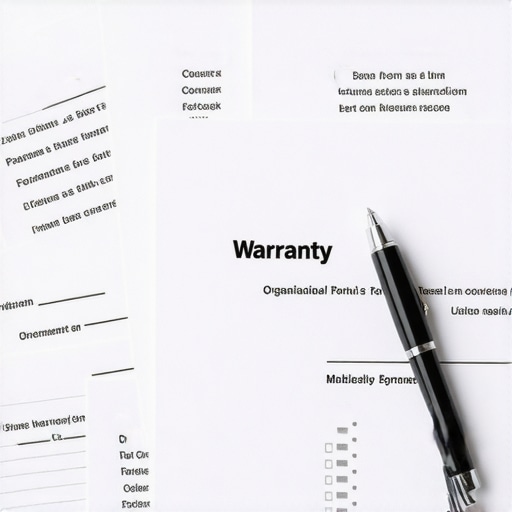
I remember the exact moment I realized I was completely unprepared for my first manufacturer warranty claim. It was a chilly Saturday morning, and my brand-new dishwasher suddenly stopped working. I hastily called the repair service, only to be met with questions about receipts, serial numbers, and proof of purchase that I couldn’t locate. Frustration kicked in—why does something so essential feel like a labyrinth of paperwork?
That experience was a lightbulb moment. I learned that the biggest hurdle isn’t the repair itself but navigating the often confusing paperwork maze to actually get your warranty honored. If you’ve ever been in a similar boat—stressed out, rushing, only to realize you’ve misplaced that crucial receipt—you know what I mean.
Today, I promise we’ll demystify the exact paperwork needed for a successful manufacturer warranty claim. No more guesswork, no more lost documents. I’ll guide you through the essentials, share tips from my own missteps, and help you turn what used to be a headache into a straightforward process.
The Basics That Make Or Break Your Warranty Claim
Why Proper Documentation Matters More Than You Think
Imagine this: your appliance breaks down just after the warranty expires—wait, that’s not right. Typically, your warranty only covers repairs if you can produce specific documents proving your purchase was recent and legitimate. Without these, you risk outright denial.
The core paperwork usually includes a purchase receipt, the serial number of the appliance, and the warranty registration confirmation. When I first tried to claim my dishwasher’s warranty, I thought a bank statement or credit card record would suffice. Turns out, manufacturers often require the original invoice, which clearly states the purchase date and retailer. Missing this meant I had to go through a frustrating process of proving when and where I bought it.
Ensuring your documents are organized and readily accessible saves a lot of time and hassle. Keep digital copies, take photos of receipts, and note down serial numbers immediately after purchase. Trust me, these small steps can prevent days or even weeks of frustration.
For detailed guidance on gathering all necessary documents, check out [our comprehensive guide](https://discountappliancehub.com/same-day-appliance-repair-quick-solutions-with-warranty-support). It’s packed with practical tips to streamline your warranty process.
Now, if you’ve ever submitted a claim without the right paperwork and faced rejection, you know how discouraging it can be. But don’t worry—I’ll show you exactly what you need to avoid that pitfall. Ready to learn how to turn your warranty claim into a success? Let’s dive into the details that matter most.
When I faced a warranty issue with my refrigerator unexpectedly breaking down, I realized the importance of having all paperwork ready. Dig through your purchase receipts, serial numbers, and warranty registration confirmations right after buying an appliance. Take clear photos of receipts and store digital copies in a dedicated folder. During my fridge meltdown, having these documents at hand allowed me to submit a claim within hours, avoiding delays and frustration.
Before initiating the claim, review the manufacturer’s warranty policy online to understand exactly what documents they require. For example, some brands demand the original purchase invoice, while others accept credit card statements showing the transaction date. When I tried to claim my washing machine’s warranty without the original invoice, I first contacted customer support to clarify acceptable proof of purchase, saving me from unnecessary rejection.
Video or photo evidence of the defect can strengthen your claim. I once recorded a video of my dishwasher leaking, which helped technicians diagnose the problem faster. When submitting your claim, include these visuals and write a concise description of the issue, including when it started and how it affects usage. This step prevents back-and-forth that can delay warranty processing.
If the appliance has received previous repairs, compile all related documents. This includes work orders, parts replaced, and service dates. During my own warranty claim, showing a record of prior repairs helped establish a pattern and justified a replacement instead of multiple fixes, expediting the process.
Use official contact links like our contact page to reach authorized repair technicians. When scheduling repairs, note down the technician’s name and the service date. I experienced a delay when I didn’t confirm the appointment and had to reschedule. Maintaining consistent contact ensures your claim stays on track.
Request detailed reports after each service visit. For instance, when a technician replaced a faulty control board, I asked for the report outlining the problem and the repairs performed. These notes serve as proof of ongoing issues and support your warranty claim if disputes arise.
Persistently monitor your claim’s progress by emailing or calling support, referencing your case number. Keep copies of all emails, chats, and notes from phone calls. When I followed up promptly on a delayed claim, it helped accelerate approval and scheduling of repairs through resources like maximizing warranty benefits during emergencies.
Seek Professional Assistance When Needed
If the process stalls or if you face rejection, consider consulting a local appliance repair expert who understands warranty policies. They can help gather evidence, communicate effectively with manufacturers, and even advocate on your behalf. When I felt overwhelmed, a trusted technician helped navigate complex procedures, turning a frustrating experience into a manageable one.
While many assume that scheduling a same-day service guarantees quick repairs, the reality is far more nuanced. One common misconception is that emergency calls automatically receive priority, but in truth, service providers often prioritize based on the complexity of repairs and parts availability, not just urgency. This misunderstanding can lead homeowners to feel frustrated when their appointment isn’t the very next slot—even if they paid a premium for expedited service.
Another overlooked detail is the fine print in warranty coverage. Many believe that all repairs performed by authorized technicians are fully covered, but some warranties exclude certain parts or specific types of labor. For example, installation-related issues or damages from misuse might be denied coverage, even during the warranty period. Always review your warranty terms carefully to avoid costly surprises.
Why do some same-day services take longer than expected despite claims of urgency?
This question often confuses homeowners. The answer lies in the variability of technician workloads, parts sourcing, and regional demand. A technician may be dispatched but face delays obtaining necessary parts or encountering unforeseen complications during repair. These factors are rarely disclosed upfront, making it seem as if the service provider is unprofessional when delays occur. According to industry experts, transparency about these potential wait times builds trust and manages expectations effectively.
Also, beware of relying solely on the provider’s initial promise. Many companies advertise “same-day” or “urgent” repairs, but a study by Consumer Reports indicates that actual turnaround times can vary significantly, with some repairs stretching into multiple days due to parts shortages or scheduling issues. To mitigate this, ask detailed questions beforehand—such as parts availability, technician dispatch time, and estimated repair duration. Doing so prevents false expectations.
Understanding these subtle distinctions requires attention to detail. For example, during your appointment scheduling, confirm if the repair qualifies for priority service, and verify whether parts are on hand or need to be ordered. This proactive approach can save you days of inconvenience.
Additionally, always keep a record of all correspondence and appointment confirmations, as these documents can be invaluable if disputes or delays arise. If you want to ensure your warranty is maximized during emergencies, visiting https://discountappliancehub.com/maximize-your-appliance-warranty-during-emergency-repairs offers useful tips.
Finally, ensure your installation was performed correctly in the first place. Improper setup can cause issues down the line, which might then be incorrectly attributed to warranty failures. Proper installation is just as critical as timely repairs—learn more at https://discountappliancehub.com/how-to-ensure-reliable-appliance-installation-in-2025.
Have you ever fallen into this trap? Let me know in the comments.
Mastering Maintenance with Precision Tools
Investing in the right tools is the foundation of effective appliance upkeep. I personally rely on a digital multimeter to accurately diagnose electrical faults, ensuring I don’t waste time guessing. For example, measuring voltage and continuity helps me identify issues in control panels swiftly without unnecessary disassembly. Additionally, a quality socket set allows me to tighten or replace components securely, preventing future malfunctions. Using these tools regularly has dramatically reduced emergency calls and extended the lifespan of my appliances.
Software Solutions that Simplify Maintenance
Beyond physical tools, I recommend using software like SmartThing or manufacturer-specific diagnostic apps. These platforms provide real-time alerts, troubleshooting guides, and firmware updates. For instance, my smart refrigerator’s app alerted me to a minor sensor misalignment, allowing me to re-calibrate it remotely. Incorporating these digital solutions keeps my appliances optimized and helps anticipate potential failures before they escalate.
Developing a Routine for Long-Term Care
Consistency is key. I set monthly reminders to check filters, clean vents, and verify electrical connections, preventing dust buildup and corrosion. For example, cleaning my dryer’s lint trap and vent system improves airflow, reducing energy consumption and fire risk. Documenting maintenance activities creates a history that service professionals can reference if issues recur, expediting repairs and warranty claims. Remember, proactive care is always less costly than reactive fixes.
Embracing Future Trends in Appliance Maintenance
Looking ahead, I predict AI-driven diagnostic tools will become standard, providing predictive maintenance alerts based on usage patterns. Manufacturers are increasingly integrating IoT sensors that monitor appliance health in real-time, notifying owners of needed interventions. By adopting these innovations early, homeowners can minimize downtime and extend appliance longevity. Staying informed through trusted sources like industry updates enhances your ability to maintain appliances effectively.
How do I keep my appliances at peak performance over time?
Implementing a combination of essential physical tools, leveraging smart technology, and establishing regular routines ensures longevity and efficiency. Regular diagnostics with a digital multimeter, combined with firmware updates via manufacturer apps, provides a comprehensive maintenance approach. For expert tips tailored to your specific appliances, consider reaching out through our contact page. Remember, investing a little time and tools today saves substantial money and frustration tomorrow. For instance, learning to correctly calibrate sensors with manufacturer guidelines can prevent costly replacements. Try integrating a maintenance checklist that includes a quick multimeter test and software updates—you might be surprised at how much smoother your appliance operation becomes.
Lessons That Changed How I Approach Repairs
One of the most profound lessons I learned is that a quick repair isn’t just about fast technicians—it’s about being prepared with the right paperwork and knowledge. I once relied solely on a photo of my receipt, thinking that would suffice, only to be told I needed the original invoice. That moment taught me to always keep organized digital copies of purchase records and warranty registrations. It’s a simple step that saves hours during stressful repair situations.
Another insight came from realizing the importance of understanding each manufacturer’s warranty nuances. I used to assume all warranties cover everything, but I found that some exclude certain parts or installations. Reading the fine print and having a detailed checklist helped me avoid unwanted surprises, making the entire process smoother and more predictable.
Finally, I discovered that proactive communication is your strongest ally. Confirming repair appointments, noting technician details, and maintaining copies of all correspondence can significantly speed up claims and repairs. These lessons, gained through my own missteps, are now the foundation of my successful approach to appliance warranty claims and same-day service requests.