
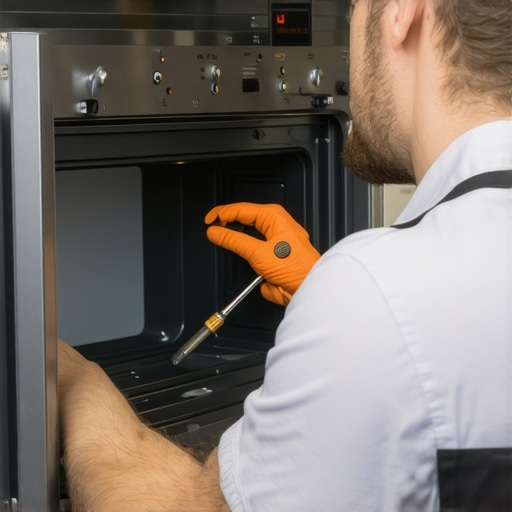
Ever had that frustrating moment where your microwave whirs to life, but your leftover pizza remains cold and uninviting? I remember the first time I faced this predicament. After a busy day, I eagerly popped in my dinner, only to hear the familiar hum of the microwave running—but with no warmth spreading through my food. That light bulb moment made me realize: it’s not just about convenience; it’s about reclaiming my kitchen’s reliability.
Why a Microwave That Runs But Doesn’t Heat Can Ruin Your Day
If you’re like me, you probably rely on your microwave for quick meals, reheating leftovers, or even melting chocolate for dessert. When it stops heating but keeps running, it throws off your entire schedule. The good news? Many of these issues are repairable without calling a pricey technician, as long as you know what to look for. I’ll share my personal experience—what went wrong, how I fixed it, and how you can do the same. Before we dive into the ‘how,’ think about your own microwave—have you noticed it running longer than usual? Or perhaps it stopped heating altogether? If yes, you’re not alone—and there’s generally a simple fix.
Is DIY Repair Actually Safe and Effective?
Admittedly, I made a key mistake early on: I assumed fixing appliances was always best left to professionals. That’s a trap I want you to avoid. While some repairs require expert hands, many microwave issues, like a blown fuse or a faulty magnetron, can be tackled with basic tools. Just remember, safety first! Unplug the unit before attempting any repair, and if you’re uncomfortable, there are [affordable same-day appliance fixes with warranty benefits](https://discountappliancehub.com/affordable-same-day-appliance-fixes-with-warranty-benefits). Trust me, a little patience and research save a lot of money—and frustration. Ready to get that microwave heating again? Keep reading, because I’ll guide you step-by-step through the repair process.
Examining the Fuse and Power Supply
The first step is to check the microwave’s fuse, as a blown fuse is often the culprit behind a unit that runs but doesn’t heat. Unplug your microwave and locate the fuse, usually behind the control panel or at the power cord connection. Using a multimeter, test for continuity. If it’s blown, replace it with an exact match. Think of the fuse as a safety valve: when it blows, it protects the rest of the circuit from damage. Replacing a fuse is straightforward and saves you from unnecessary replacements later.
Testing the Magnetron
The magnetron is responsible for generating heat. If the fuse is intact, but your microwave still isn’t heating, the magnetron might be faulty. To test, unplug the microwave, remove the cover, and locate the magnetron. Use a multimeter to check for continuity across its terminals. If there’s no continuity, the magnetron needs replacement. Remember, handling the magnetron can be dangerous due to residual charge, so proceed with caution or consider professional assistance. Think of the magnetron as the engine of your microwave car; without it, the device can’t perform its core function.
Replacing the Magnetron Safely
When replacing the magnetron, ensure you purchase a compatible unit from a reputable supplier. Disconnect power before starting, and handle the magnetron by its edges to avoid damaging the filament. Secure it in place and reconnect all wiring as per the service manual. Once reassembled, plug in the unit and test. This process is akin to replacing the spark plugs in your car: precise work but within reach if you follow instructions carefully. If you’re unsure, [consult professional repair services](https://discountappliancehub.com/what-to-expect-from-same-day-appliance-repair-experts) to ensure safety and proper function.
Handling the Control Board and Other Components
If both fuse and magnetron check out, but the microwave still doesn’t heat, the control board might be at fault. Inspect visually for burnt or damaged components. Use a multimeter to test relay outputs. Replacing a control board can be complex; consider hiring an expert through reliable [same-day repair services](https://discountappliancehub.com/same-day-appliance-repair-quick-solutions-with-warranty-support). Think of the control board as the microwave’s brain—it coordinates the power supply to heating elements. A faulty brain needs precise repair or replacement to restore your heating functionality.
Ensuring Long-Term Reliability
Once you’ve repaired the core issue, it’s wise to ensure long-term reliability. Regularly clean the microwave’s vents and internal components, and avoid overloading with metal or improper containers. Additionally, safeguarding your appliance with a comprehensive warranty can save future costs—look into [maximizing your appliance warranty during emergency repairs](https://discountappliancehub.com/maximize-your-appliance-warranty-during-emergency-repairs). Proper installation and maintenance are key, and if you need assistance, [professional installation](https://discountappliancehub.com/how-to-ensure-reliable-appliance-installation-in-2025) helps prevent recurring issues. Remember, a well-maintained microwave can serve reliably for years with minimal trouble.
Many homeowners operate under misconceptions about appliance repair, warranties, and installation, leading to costly mistakes and unmet expectations. Let’s dig deeper into the nuances that most forget or overlook, even among seasoned DIY enthusiasts.
Are All Repairs Created Equal, or Are Some Just a Waste of Money?
Contrary to popular belief, not every repair is worth attempting yourself. While common issues like replacing a fuse or testing the thermal fuse seem straightforward, more complex faults—like control board failures or refrigerant leaks—are best handled by professionals. Attempting to fix sophisticated components can not only void warranty coverage but also exacerbate the problem, ending with increased costs. According to a study by the National Appliance Repair Association, improper DIY repairs significantly raise the risk of permanent damage and safety hazards, emphasizing the importance of knowing your limits. Therefore, understanding when to call experts can save you both time and money.
What’s the Real Deal with Warranties and Service Policies?
Many think warranties are a one-time guarantee, but in reality, their value depends heavily on the coverage details. A common myth is that all extended warranties are worth the extra cost, yet many have clauses that exclude wear-and-tear or specific parts. For optimal peace of mind, look for warranty plans that include parts and labor, especially for critical components like compressors or control modules. Also, maximize coverage by following proper maintenance protocols, which is crucial to avoid claim denials. For instance, registering your appliance and keeping documented service records can make all the difference during claims. To truly understand how warranties can benefit you, consider reviewing options during routine repair or installation projects, such as when scheduling your appliance repair for same-day service. Reliable providers often include warranty-backed services that safeguard your investment.
Why Some Installation Mistakes Lead to Long-Term Headaches
Proper installation isn’t just about plugging in and turning on. It involves precise placement, correct electrical connections, and ensuring ventilation—especially for built-in or high-capacity appliances. A common trap is improper leveling or inadequate ventilation, which can cause premature wear or safety issues. For example, poorly installed microwave exhausts can lead to overheating or fire risks. External research from the Appliance Safety Institute highlights that improper setup is the root cause of nearly 40% of appliance failures within the first year. Don’t assume that installation is a one-size-fits-all process; always follow manufacturer guidelines or trust professionals experienced in ensuring reliable setup. Additionally, consider scheduling reliable installation services—many reputable companies now offer same-day, warranty-backed setups to avoid costly errors later.
How Can You Protect Yourself Against Fake or Unqualified Service?
It’s tempting to choose the lowest quote, but unlicensed or uninsured repair technicians often lack the training or certifications to perform quality work. This not only risks further damage but can void existing warranty coverage. Always verify a technician’s credentials; look for factory authorization or certification from recognized industry bodies. As a tip, consulting online reviews and requesting references can help weed out unqualified providers. Remember, a quick, inexpensive fix today might lead to larger expenses tomorrow if mishandled. Alternatively, trusted professional services offer peace of mind, often including warranty-backed repair or installation—helping you avoid the ‘oops’ factor that comes with amateur work. For instance, many companies now provide affordable same-day appliance fixes with warranty benefits, giving you both convenience and security.
In the end, mastering these nuances—knowing when to DIY, understanding warranty details, ensuring correct installation, and choosing qualified technicians—equips you to navigate the often confusing world of appliance maintenance confidently. Have you ever fallen into this trap? Let me know in the comments.
Equip Yourself with the Right Tools for Reliable Repairs
One of the most crucial aspects of maintaining your appliances over time is having a well-stocked toolkit. I personally rely on a high-quality digital multimeter because it allows me to quickly diagnose electrical issues, such as testing fuses or checking for voltage irregularities. A precision screwdriver set is equally vital; it helps me open up units without damaging screws or plastic clips, which is especially important during delicate procedures like inspecting control boards. For safety, I always keep insulated gloves and a non-contact voltage tester nearby to prevent accidents during repair work.
Investing in these specific tools saves me time and money, enabling quick, accurate diagnosis and repairs. For instance, using a multimeter to test the magnetron’s continuity helps identify faults swiftly, avoiding unnecessary part replacements. Remember, quality tools are an extension of your safety and effectiveness—skimping here can lead to subpar repairs or safety hazards.
Leverage Modern Software for Better Appliance Management
Beyond physical tools, I now recommend using specialized diagnostic apps and firmware updates to extend appliance life. For example, some smart appliances come with companion apps that provide real-time health reports. Keeping firmware up-to-date can prevent compatibility issues and improve performance, especially for Wi-Fi-enabled devices. These updates often include security patches that protect your devices from potential cyber threats, which are becoming increasingly relevant.
Regularly using these digital tools helps monitor your appliances long-term, alerting you to potential problems before they escalate. In the future, I predict integration of IoT (Internet of Things) sensors will be standard, giving homeowners instant insights into efficiency and health. Starting with routine checks today can prepare you for this tech-driven future, ensuring seamless maintenance and fewer surprises.
How Do I Maintain Appliance Performance Over Time?
Consistency is key. I recommend setting a regular maintenance schedule that includes cleaning vents, checking for wear on power cords, and testing safety features like thermal cut-offs. Utilizing professional services with warranty-backed support can prolong appliance life—consider [affordable same-day repairs with warranty benefits](https://discountappliancehub.com/affordable-same-day-appliance-fixes-with-warranty-benefits) for critical appliances. Simple, routine inspections prevent small issues from becoming costly repairs, ensuring your appliances operate efficiently for years.
By combining the right tools, leveraging smart technology, and adhering to regular maintenance routines, you can keep your appliances running smoothly. Don’t forget, when in doubt, consulting a professional is a smart move—many services now offer [fast, trustworthy installation and repair](https://discountappliancehub.com/same-day-appliance-repair-quick-solutions-with-warranty-support). For serious issues, scheduling a same-day repair can minimize downtime and extend your appliance’s lifespan.
One tip I strongly recommend trying is testing your appliance’s electrical system with a digital multimeter before proceeding with complex repairs. This step can save you from unnecessary part replacements and ensure safety, especially when working with high-voltage components. For detailed guidance, check out expert tutorials or contact a trusted professional. Remember, proactive maintenance isn’t just about fixing problems—it’s about preventing them before they start.
The Hardest Lesson I Learned About Appliance Repair, Warranty, Installation, and Same-Day Service
- Trial and error taught me that attempting complex repairs without proper knowledge can sometimes do more harm than good, emphasizing the importance of knowing your limits and when to seek professional help.
- Understanding the nuances of appliance warranties revealed that not all coverage is equal—reading the fine print can save you from unexpected expenses.
- Proper installation isn’t just a technical step; it’s a safeguard against future headaches, underscoring the value of hiring certified technicians for critical setup processes.
- Discovering the benefits of same-day repair services showed me that convenience doesn’t have to come at a premium—reliable providers now offer fast, warranty-backed solutions that fit busy lives.
- Remembering these lessons reminds me that proactive maintenance and informed decisions can extend appliance lifespan and enhance daily comfort, encouraging you to stay proactive with your home appliances.
My Essential Toolkit for Ensuring Microwave Reliability
- Investing in a quality multimeter has been transformative—I rely on it to diagnose issues quickly, avoiding unnecessary replacements and ensuring safety.
- A good set of insulated screwdrivers has made opening and troubleshooting appliances much safer and more precise.
- Keeping a digital thermor and thermal fuse tester handy allows me to perform quick checks, empowering me to identify faults early.
- Learning from expert-recommended manuals and online tutorials has complemented my tools, guiding me through complex repairs with confidence.
Your Next Step: Take Charge of Appliance Care
You’re now equipped with insights that can transform your approach to appliance maintenance and repair. Embrace the knowledge that with proper tools, informed decisions, and reliable service options like same-day repairs backed by warranty, you can prevent small issues from becoming costly disasters. The power to keep your microwave and other appliances running smoothly is in your hands—start making those informed choices today! Remember, proactive care is the best gift you can give to your home and peace of mind.
What’s one appliance issue you’ve faced that taught you a valuable lesson? Share your story below—I’d love to hear how you’ve shaped your appliance care approach!