
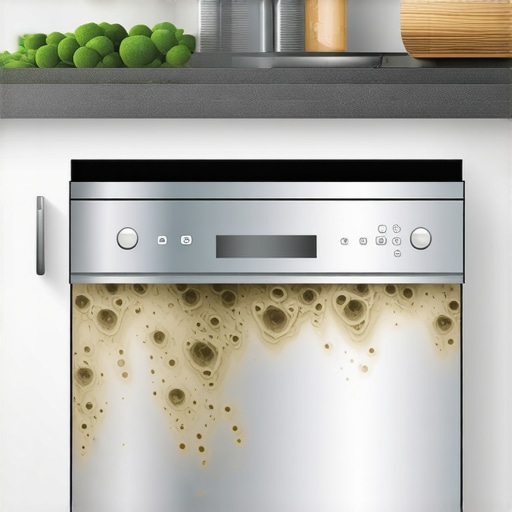
It was a typical Saturday morning when I finally sniffed that undeniable damp smell lurking near my kitchen, only to realize it was coming from under my dishwasher. My initial reaction? Dismiss it as a minor inconvenience, maybe a spilled glass of water or a forgotten leak. But as days passed, that faint odor grew stronger, and I noticed a strange mustiness that wouldn’t go away. That was my lightbulb moment — ignoring a damp smell isn’t just about smell; it’s about risking serious damage to your home and health.
Why You Should Take That Damp Odor Seriously
Many homeowners underestimate the importance of addressing damp smells promptly. These odors are often the first signs of hidden leaks or mold growth, which can escalate quickly if left unchecked. I’ve learned firsthand that what seems like a minor annoyance can turn into costly repairs or health hazards. According to the Environmental Protection Agency, mold can begin to grow in as little as 24-48 hours in damp environments, posing risks like allergies, respiratory issues, and structural damage. So, if you’ve ever smelled that musty scent near your dishwasher, don’t ignore it — it’s your home’s warning signal.
Is a Damp Smell Under Your Dishwasher Really a Big Deal?
Initially, I thought it was just a quirky smell that would fade on its own. I made the mistake early on of using strong cleaners without checking for leaks or mold. This superficial approach only masked the problem temporarily. Years ago, I read that ignoring small water leaks could lead to extensive damage, including rotting cabinets and compromised flooring — expenses that could have been avoided with a little attention. It’s easy to downplay these issues, but as I discovered, the consequences can be quite severe.
Now, I want to help you prevent the same pitfalls. In the chapters ahead, I’ll share proven steps to identify, address, and prevent damp odors under appliances like your dishwasher. If you’ve faced this problem before or suspect you might, stay tuned — because tackling it early can save you time, money, and a lot of stress. And if you’re wondering about reliable, quick repair options, I recommend checking out [same-day appliance fixes with warranty benefits](https://discountappliancehub.com/affordable-same-day-appliance-fixes-with-warranty-benefits). Keep reading — your home’s health depends on it.
Inspect for Leaks and Signs of Moisture
Start by pulling out the dishwasher to check for visible leaks or pooling water, similar to unplugging a device to examine its power cord for wear. I once found a small, unnoticed crack in the hose, which was causing water to drip slowly onto the floor, leading to the musty smell. Turn off the water supply and disconnect the appliance from power before proceeding.
Identify Mold or Mildew Growth
Look around the base and underneath for fuzzy growth or dark spots—these are indicators of mold thriving in damp areas. In my case, I used a flashlight to peer under the appliance and discovered a hidden patch behind the insulation. Wearing gloves and a mask, gently scrub these areas with a mixture of hot water and white vinegar. This solution is like a natural disinfectant that breaks down mold without harsh chemicals.
Cleaning the Drain and Filters
Remove and clean filters, drain traps, and any accessible hoses. Think of these as the filters in your air purifier—clogged components reduce efficiency and promote odors. I once dismantled a dishwasher’s filter assembly, soaking parts in vinegar and cleaning out debris with a soft brush. This step ensures no food particles or grease are blocking water flow, which can cause standing water and associated smells.
Replace or Repair Damaged Parts
If you find cracked hoses, loose clamps, or worn-out seals, they should be replaced promptly. Visualize replacing a worn gasket like swapping out a worn-out bicycle tire—necessary to keep the whole system running smoothly. For minor damages, ordering replacements is straightforward; for significant issues, consulting a professional ensures proper repair.
Check and Seal Gaps or Cracks
Inspect around the dishwasher’s base and edges for gaps where moisture can escape or gather. Use waterproof sealant or caulk to close these openings, akin to sealing a leaky pipe joint. I once sealed a small crack with silicone, which prevented further water seepage and smell issues. Ensuring a tight seal prevents future dampness and mold growth.
Improve Ventilation and Drying
Enhance airflow around the appliance by opening nearby cabinets or installing vent fans. Think of this as opening windows in a damp basement to let out moisture. After cleaning, run the dishwasher’s rinse cycle with a cup of white vinegar to help eliminate residual odors. Regular maintenance, like wiping down seals and keeping the area dry, is essential to prevent damp odors from returning.
Schedule Professional Inspection and Repairs
If problems persist despite your efforts, it’s time to call in experts. Professional appliance repair technicians can perform comprehensive diagnostics, similar to a mechanic inspecting a car engine thoroughly. They can identify hidden leaks, faulty valves, or mold hidden behind panels. Many reputable services offer same-day appliance repair with warranty support, which ensures quick, reliable fixes without breaking the bank.
Prevent Future Odor Issues
Maintain your dishwasher by regularly cleaning filters, checking hoses, and keeping the area dry. Think of this as regular oil changes for your car—preventive care prolongs appliance life and keeps it running smoothly. Consider scheduling routine inspections through services that offer top tips for same-day service warranties to stay ahead of potential problems.
While many believe they can handle appliance repairs by simply following basic instructions, there’s a deeper layer of nuance that often trips up even experienced DIYers. One widespread misconception is assuming that all parts or repair methods are universally interchangeable; in reality, using generic parts when OEM (original equipment manufacturer) components are required can void warranties and lead to more damage. For example, some homeowners opt for inexpensive replacement seals or hoses, unaware that these substitutes may not withstand the same heat or pressure, increasing the risk of leaks or failures down the line. It’s crucial to recognize that complex appliances have specific design parameters, and cutting corners with cheap parts can backfire—costing you more in repairs or replacements later.
Are cheap repair solutions ever worth the risk? Let’s dig deeper.
Another common mistake is neglecting the importance of professional diagnosis. Many try to troubleshoot issues themselves, which might seem cost-effective initially, but diagnosing appliance faults isn’t always straightforward. Modern appliances are embedded with smart sensors and control boards that require specialized tools and knowledge to interpret signals correctly. Misdiagnosing a problem can lead to unnecessary part replacements or, worse, damage to the appliance. According to industry experts, attempting shortcuts in repair can cause ripple effects, resulting in more costly fixes or complete failure. It’s often wiser to invest in professional diagnostics, especially when the appliance is under warranty or involves complex systems. You can learn more about how to ensure reliable appliance installation and avoid these costly errors by visiting our comprehensive guide.
Furthermore, many homeowners underestimate the nuances of same-day service and warranty coverage. Not all service providers are created equal; some might offer quick fixes but at the expense of quality or with hidden fees. For example, some companies might delay parts ordering or only provide partial repairs, leaving the underlying issue unresolved and risking future breakdowns. It’s essential to verify the reputation of your service provider, ensuring they adhere to high standards and honor warranties comprehensively. Checking reviews and requesting transparent quotes can save you from being caught off guard. For details on securing appliance repairs with warranty backing, our trusted resources offer valuable insights.
Lastly, it’s important to appreciate that appliance repair isn’t just about fixing what’s broken. Preemptive maintenance, such as routine inspections and proper installation, can prevent many issues from arising in the first place. Skipping these steps often leads to avoidable breakdowns, especially with high-efficiency systems that require precise calibration. Regular upkeep aligned with manufacturer recommendations can extend your appliance’s lifespan and ensure it operates efficiently. You can explore top tips for same-day service and warranty coverage to maximize your appliance’s longevity and reliability.
Understanding these nuances helps homeowners avoid costly mistakes and ensures repairs are effective and durable. Remember, a knowledgeable approach to appliance repair and installation is your best defense against recurring issues. Have you ever fallen into this trap? Let me know in the comments, or visit us for more expert advice on appliance care.
Mastering Maintenance with the Right Tools
One of the foundational aspects of reliable appliance repair and installation is using precisely the right equipment. Personally, I rely heavily on a digital multimeter like the Fluke 117 for diagnosing electrical issues. Its accuracy helps me quickly identify faulty wiring or blown fuses, saving time and preventing unnecessary part replacements. Additionally, a high-quality, flexible inspection mirror allows me to see behind appliances without invasive disassembly, crucial for spotting hidden mold or leaks. Incorporating a cordless drill with a variety of bits is indispensable for removing and installing panels or securing fasteners securely, especially in tight spots. Investing in a set of specialty screwdrivers, such as insulated or Torx heads, ensures you won’t damage delicate components during maintenance. Choosing the right tools isn’t just about convenience; it’s about working smarter and safer, which ultimately extends the lifespan of the appliances you care for.
Software and Diagnostic Aids for Precision Service
Beyond physical tools, leveraging diagnostic software is becoming a game-changer. Many modern appliances come with onboard troubleshooting modes or connect to apps that provide error codes and repair insights. I recommend using a combination of these digital diagnostics with professional-grade diagnostic devices like the Extech MiniLab for assessing circuit integrity or communication issues. These tools empower me to pinpoint problems swiftly, reducing guesswork and ensuring repairs are robust and warranty-compliant. Incorporating these advancements means you can provide same-day services that last, backed by accurate diagnostics and confidence in your work. As technology progresses, staying updated on the latest diagnostic tools is essential for maintaining service excellence.
How do I maintain my tools over time?
Proper maintenance of your tools guarantees their longevity and reliability. Regularly cleaning tools with a damp cloth and avoiding exposure to moisture prevents rust and corrosion. Sharpening blades and screwdriver tips ensures efficient work and prevents damage to appliance components. Storing tools in organized, padded cases or dedicated racks minimizes clutter and accidental damage. Replacing worn-out batteries in cordless equipment like drills is crucial for optimal performance. Additionally, periodically calibrating diagnostic devices ensures their readings stay accurate, which is vital for professional repairs. Maintaining your toolkit is a small investment with significant long-term benefits, offering you a competitive edge and confidence when handling complex appliance issues. If you’d like expert insights into keeping your repair equipment in prime condition, visit our expert guide to appliance repair and installation.
Future Trends in Appliance Maintenance Tools
Looking ahead, automation and AI-powered diagnostics are poised to revolutionize appliance repair. Future tools may soon include portable devices that automatically scan appliances via wireless signals, providing immediate fault analysis. This would dramatically cut diagnostic time, enabling even more rapid same-day interventions. Enhanced remote monitoring through smart home integration will alert homeowners and technicians to issues before they escalate, making maintenance proactive rather than reactive. Staying ahead means continuously investing in advanced tools and educational resources, so you’ll be ready to efficiently handle emerging appliance technologies. Keep an eye on innovations like predictive maintenance algorithms, which could become standard for professional service providers in the near future.
Adopt Advanced Maintenance Techniques Today
If you’re serious about ensuring appliances stay operational long-term, try implementing a comprehensive maintenance checklist using tools like a multimeter, inspection mirror, and diagnostic apps. For example, routinely testing the electrical circuits with a multimeter can prevent small issues from snowballing into major repairs. Remember, timely intervention is key—don’t wait for appliances to break down completely; regular checkups can save you hundreds in repairs and extend their useful life. Ready to elevate your appliance care? Start by mastering the use of precision tools and leverage the latest diagnostics to keep everything running smoothly. For more tips on providing efficient, warranty-backed services, explore our same-day appliance repair solutions and stay ahead in your repair game.Throughout my years handling appliance repairs, I’ve uncovered some invaluable lessons that no how-to guide quite captures. One of the most eye-opening realizations? I once dismissed a small leak as insignificant, only to find it costing me hundreds in repairs down the line. That taught me to trust my instincts and investigate damp odors immediately—they’re often the first sign of trouble. Another insight? Relying solely on generic parts without understanding your appliance’s specifications is a recipe for recurring problems; an OEM seal or hose might cost more upfront but saves money and stress later. I’ve also learned that investing in quality diagnostic tools—like a dependable multimeter or smart appliance app—can drastically reduce troubleshooting time, making same-day service more of a guarantee than a gamble. And perhaps most important, listening to your intuition about when something feels off often leads to quicker fixes and prevents minor issues from snowballing into disasters.