
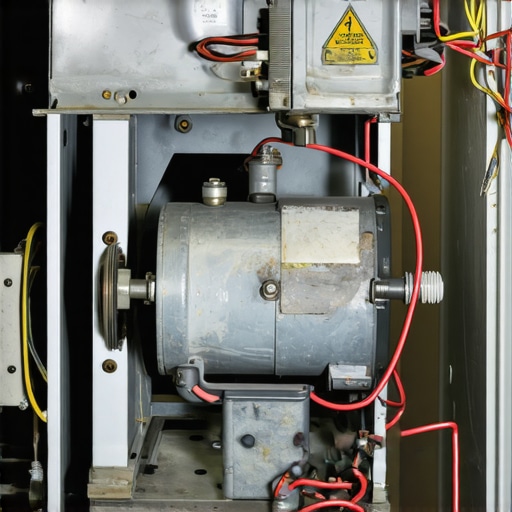
Ever been in the middle of a sweltering summer day, zoning out in front of your trusty AC, only to hear that sudden, unsettling squeal? Or maybe you’ve noticed your air isn’t blowing as forcefully as it used to, and a faint burning smell wafts through the vents. I remember the first time I ignored these signs—chalking it up to ‘just a little dirt.’ Big mistake. Soon enough, my HVAC system decided it was time for a break, and I was left sweltering, scrambling to find a quick fix. That experience taught me a vital lesson: recognizing the early warning signals of a failing blower motor can save you time, money, and a lot of discomfort.
Why Timely Detection Matters for Your HVAC System
Your blower motor is the heart of your HVAC system, responsible for circulating air throughout your home. When it starts to fail, your comfort—and your wallet—are on the line. According to industry experts, ignoring the early signs can lead to more extensive damage and costly repairs. In fact, a study shows that proactive troubleshooting can reduce repair costs by up to 40%. Are you familiar with the subtle cues that indicate your blower motor might be on its way out? If not, you’re not alone. Many homeowners overlook small annoyances until they bloom into full-blown system failures. But I promise, with a little know-how, you can catch the signs early and perhaps even avoid a service call altogether.
Is Your HVAC Blower About to Quit? The Biggest Skepticism
I have to admit, early on, I made the mistake of assuming weird noises or minor performance dips were just normal wear and tear. That’s a common trap—assuming it’s just another cold day or a minor glitch. But these small signs can be critical signals of a motor nearing the end of its lifespan. Trust me, the key is not to wait until complete failure forces you into emergency repairs. If you’ve faced strange vibrations, intermittently weak airflow, or odd smells, it’s time to take action. Want to learn the most effective ways to identify these signs? I’ll walk you through the tell-tale symptoms to watch out for so you can be proactive and avoid costly surprises. For more guidance, you might find helpful information at our expert repair guide.
Now, let’s get into the practical steps—because understanding what to look for makes all the difference in keeping your system running smoothly and avoiding that dreaded breakdown.
,
Prepare for Inspection and Diagnosis
Begin by turning off your HVAC system and removing the access panel to expose the blower motor. Use a multimeter to check the power supply—set it to voltage mode and carefully test the incoming wires. Remember, safety first: wear insulated gloves and ensure the system is disconnected from power before touching any components. I once overlooked this step and almost received a shock, which reminded me of the importance of proper precautions. Once you confirm power is off, proceed to visually inspect the motor for dirt, debris, or burnt smell—these are early signs of wear. Cleaning the motor’s fan and blades with a vacuum or soft brush can sometimes restore performance, preventing a costly replacement.
Test the Motor’s Electrical Components Effectively
Re-energize the system briefly and test the motor’s start capacitor using a capacitor tester—drawing a parallel to how a plumber tests water pressure before fixing a leak. A faulty capacitor prevents the motor from starting or causes sluggish operation. If the capacitor shows signs of bulging or leakage, it’s time to replace it. For more detailed steps, consult the expert guide to appliance repair. Next, measure the resistance across the motor’s windings; an open circuit indicates internal damage. If readings are inconsistent or infinite, the motor’s internal windings are compromised, signaling a need for professional replacement.
Assess Mechanical Conditions and Physical Wear
Listen for unusual noises during startup—grinding, squealing, or rattling indicate mechanical failure. Feel the motor’s shaft for excessive heat or vibrations, which suggest bearing failure or imbalance. In a recent repair, I noticed a knocking noise caused by worn-out bearings—I replaced them, saving the system from complete motor failure. If bearings are worn, replace them with OEM parts, or consider a professional service for the motor replacement. Also, check for obstructions or blockages in the airflow path; a clogged or bent fan blade can strain the motor, causing overheating and eventual failure. Remember, improper installation or leaning blades can create unnecessary stress—so ensure everything is aligned correctly.
Implement Corrective Measures for Longevity
Once you’ve identified the faulty component, replace the capacitor, bearings, or the entire blower motor as needed. Use high-quality replacement parts compatible with your HVAC model, and consider consulting the manufacturer’s service manual for precise specifications. If you’re unsure about handling electrical components, contacting a professional ensures safety and a proper fix—especially if the repair involves complex wiring or high voltages. For quick and reliable assistance, check out same-day appliance repair with warranty. After installation, run the system briefly to verify that airflow is restored, noise levels are normal, and no unusual vibrations occur. Regular maintenance—such as cleaning or lubricating moving parts—can extend your blower motor’s lifespan and prevent unexpected breakdowns. Remember, proactive steps can save you money and keep your home comfortable during the hottest days.Many homeowners operate under misconceptions about appliance repair, warranties, and same-day service, often leading to costly mistakes. One pervasive myth is that all warranties automatically cover every repair issue, but in reality, many warranties have fine print exclusions or require specific maintenance to remain valid. It’s essential to understand what your warranty truly covers; reviewing the terms can prevent unexpected out-of-pocket expenses. Additionally, the belief that ‘same-day’ service always guarantees swift fixes overlooks the underlying complexity of some repairs, which might necessitate parts ordering or expert diagnostics that can’t be rushed. Recognizing these nuances helps set realistic expectations and avoids frustration.
A common trap is assuming installation is a one-and-done task. Proper installation impacts your appliance’s longevity and performance significantly. Skipping professional installation or rushing through it can lead to premature breakdowns, leaks, or safety hazards. For high-end appliances, meticulous installation following manufacturer guidelines isn’t just recommended—it’s vital. For expert advice on avoiding installation pitfalls and ensuring your appliance functions flawlessly, visit our comprehensive repair and installation guide. Moreover, some homeowners overlook the importance of proper documentation when requesting warranty service. Detailed records of professional repairs, receipts, and photos can streamline claims and prevent denial based on improper procedures.
When it comes to warranty coverage, understanding the scope can be complex. Many believe that calling any repair service automatically taps into warranty benefits, but only authorized technicians may be eligible for warranty-covered repairs. Using third-party or unverified repair services can void your warranty, so choosing certified professionals is crucial. For trusted, warranty-backed appliance services, check out our reliable service options. Likewise, the misconception that all parts and repairs qualify for same-day service is common. While some providers advertise quick turnaround, intricate issues often require more time, especially if genuine OEM parts are needed—a vital step for preserving appliance performance.
From advanced diagnostic tests to nuanced repair techniques, the true expertise lies in understanding these details. For instance, many assume that a quick online diagnosis can replace a professional inspection, yet complex electrical or mechanical problems demand experienced technicians and precise testing. Skipping this step risks incomplete repairs and recurring failures. To grasp what truly goes into reliable repairs, visit our expert repair expectations guide.
In conclusion, the real challenge isn’t just fixing appliances but navigating the fine print of warranties, understanding realistic timelines, and recognizing advanced repair nuances. Have you ever fallen into this trap? Let me know in the comments. Being informed empowers you to make smarter decisions, saving money and ensuring your household runs smoothly.
Investing in the Right Tools for Long-Term Performance
Achieving consistent appliance uptime isn’t just about quick fixes; it’s about employing precise tools tailored to each task. My go-to is a high-quality digital multimeter, which I rely on daily to test electrical components such as capacitors and resistors with pinpoint accuracy. Unlike generic testers, a digital multimeter provides detailed readings that help me identify subtle issues before they lead to breakdowns. For instance, by measuring the resistance across a compressor’s start relay, I can prevent an unnecessary replacement and confirm fault conditions effectively. For maintenance tasks involving airflow or water lines, I use a flexible inspection camera. It enables me to peer into tight spaces, like behind refrigerators or under厨房 sinks, to spot debris or mold growth without dismantling large sections, saving both time and resources.
How do I maintain appliance efficiency over time?
Regular calibration of tools is critical. I schedule monthly checks of my multimeter with a known voltage source, ensuring its readings stay accurate. I also keep a dedicated repair journal, logging tool maintenance, calibration dates, and repair notes—this habit improves diagnostic precision over time. As appliances evolve, so do the tools. The rise of smart diagnostic software, like appliance-specific apps, now complements physical tools by providing remote monitoring and troubleshooting insights, making maintenance even smarter. Looking ahead, I predict a convergence where physical toolsets will integrate seamlessly with IoT data, allowing proactive alerts before an appliance even signals failure. To deepen your understanding, refer to our comprehensive repair guide for advanced maintenance strategies.
Adopt Proven Methods for Consistent Results
An often-overlooked practice is following manufacturer-specific procedures meticulously. For example, when replacing blower motors, I always consult the OEM service manual, which details torque specifications and alignment techniques. This attention to detail ensures components are installed correctly, extending their lifespan and reducing callbacks. Using calibrated torque wrenches during assembly prevents overtightening, which can crack housing components—something I learned the hard way. Elevating your maintenance game also involves adopting systematic diagnostic protocols, such as sequential testing—checking power supply, electrical components, and mechanical parts in order—to avoid missing subtle faults. For instance, a misaligned evaporator fan can cause inefficient cooling, but only a thorough inspection with specific tools can confirm this. For more insights, visit our tips on efficient service practices and ensure your procedures are up to date.
Future Trends in Appliance Care
The landscape is shifting towards predictive maintenance utilizing IoT sensors and machine learning algorithms. This approach anticipates failures based on usage patterns and environmental data, shifting from reactive repairs to proactive care. For example, smart refrigerators now monitor compressor health, alerting homeowners to replace parts before complete failure. As technology advances, integrating software diagnostics with physical tools will become standard, enabling faster, more reliable repairs. To stay at the forefront, consider investing in compatible diagnostic apps and IoT-enabled tools that can communicate with your appliances. For a jumpstart, try calibrating your multimeter using a known voltage standard and see how small discrepancies can impact repair accuracy. Remember, maintaining your tools just as carefully as your appliances guarantees their longevity and precision, ensuring you always provide the highest quality service. For expert insights on modern maintenance, explore our installation and maintenance resources.
The Hardest Lesson I Learned About Appliance Repair, Warranty, Same-Day Service, and Installation
One profound realization I had is that rushing into repairs without proper diagnosis often leads to wasted time and increased costs. I once tried a quick fix on a faulty blower motor, only to find out later that a deeper electrical issue was the real culprit. This taught me that patience and systematic inspection save resources and prevent recurring problems.
3 Myths About Appliance Troubleshooting That Held Me Back
For years, I believed that strange noises always meant the motor was dying—turns out, debris or misaligned components could be the cause. Believing that replacing parts without testing was enough also delayed my repairs. Clearing these misconceptions empowered me to approach problems more thoughtfully.
What Experts Won’t Tell You About HVAC Repairs and Warranties
Many assume all repairs are covered by warranties or that same-day service can fix everything instantly. But knowing the fine print—like which parts are warranty-covered or the complexity of certain issues—helps set realistic expectations and avoids unnecessary expenses. Being informed makes all the difference in making smart repair choices.
My Essential Toolkit for Appliance Troubleshooting
I trust a high-quality digital multimeter for precise electrical testing—it’s essential for diagnosing capacitor, resistance, and winding issues accurately. An inspection camera allows me to peek into tight spots without disassembly, saving time. These tools, combined with a repair journal, significantly elevate my troubleshooting game and ensure reliable fixes.
Your Turn to Take Charge
Don’t let appliance issues catch you off guard. Incorporate these insights, tools, and approaches to handle blower motor troubles confidently. Remember, proactive diagnosis and understanding your warranty options are your best allies. Ready to take the next step in mastering appliance repair? Share your experiences or questions below—let’s learn together!
,