

I’ll never forget the morning I discovered a nasty crack in my brand-new microwave. It was a frustrating sight, especially since I had just purchased it a few weeks prior, and now I faced the headache of getting it replaced under warranty. That moment was my wake-up call about how crucial proper damage documentation is. If you’re like me, chances are you’ve faced similar dilemmas—trying to prove the damage was there before the warranty kicked in, all while juggling appliance repair nightmares.
Why Documenting Damage Properly Can Save You Headaches and Money
Over the years, I’ve learned one thing for certain: capturing clear, detailed evidence of appliance damage makes all the difference. Without it, even a valid warranty claim can get bogged down or denied altogether. Proper documentation not only speeds up the repair or replacement process but also provides a tangible trail that supports your case. Trust me, going this route helped me avoid the common pitfalls and get my appliance replaced sooner than I ever expected. Interestingly, a recent survey from Consumer Reports indicates that over 30% of warranty claims are denied due to inadequate evidence—something I experienced firsthand.
What Readers Often Overlook When Documenting Damage
Early on, I made the mistake of just taking a quick photo of the damage with low lighting. It seemed sufficient at the time, but then I realized the photos didn’t clearly show the severity or the context, which was a big mistake. Now, I always ensure my evidence is comprehensive and well-organized. If you want to avoid similar missteps, you’ll find that detailed records can make or break your warranty claim. Curious if you’ve faced this issue before? Keep reading, because I’ll walk you through exactly how to document damage effectively and support your warranty claim with confidence.
To get started on mastering damage documentation, check out some expert advice on the best practices for appliance repair and warranty support. Proper documentation is not just about taking photos—it’s about creating a convincing case that leaves no doubt.
Now, let’s dive into the specific steps to document your appliance damage like a pro, ensuring your warranty claim has the best chance of success.
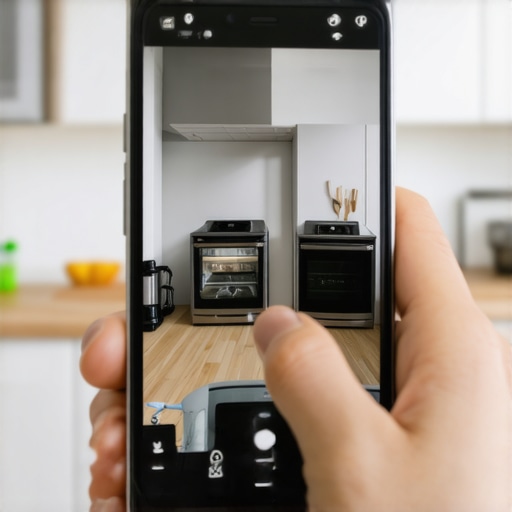
Start by grabbing your smartphone and taking multiple high-resolution photos from various angles. Ensure the lighting is bright and even—avoid shadows or glare that obscure details. For example, I once used my kitchen’s overhead light to illuminate a crack on my microwave, making sure the damage was unmistakable. Include a close-up shot showing the crack’s extent and a wider shot showing its location relative to the appliance’s components. This comprehensive visual evidence prevents disputes about the damage later.
Place a common object, like a coin or a ruler, next to the damage to provide scale. This helps repair technicians and warranty providers understand the size of the defect. Once, I placed a 6-inch ruler next to a dent in my refrigerator door. When I submitted the photos, it clearly indicated the severity, avoiding unnecessary back-and-forth about the damage’s significance.
Beyond photos, write a detailed description of when and how the damage occurred. Include the date, time, and any relevant circumstances. I included that my dishwasher was running when I noticed a leak, which helped establish a timeline. Also, record the appliance’s current state—are there any other signs of wear or related issues? This context creates a convincing narrative that supports your claim and minimizes chances of denial.
Take photos showing the appliance’s position, connections, or surroundings that might influence the damage. For example, I documented that my washing machine was installed on an even, level surface and that no external objects could have caused the issue. This evidence shows proper installation and usage, reinforcing your case during warranty review.
Create a dedicated folder on your device or cloud storage, labeling each image with specific details—like ‘Microwave crack front view 2024-02-20.’ Consistent naming makes it easier to reference later. When I prepared my file, I kept the images sorted by type and date, which saved me time when submitting the claim via [Warranty Support](https://discountappliancehub.com/warranty-backed-appliance-services-you-can-rely-on). Proper organization reduces confusion and streamlines the process.
Make at least two copies: one digital backup and one printed if needed. Include receipts, warranty papers, and correspondence with repair services. During my last claim, I attached photos, purchase receipts, and email exchanges, creating a comprehensive record. This thorough documentation builds a solid foundation for your claim, especially if disputes arise later.
Don’t skip close-up shots or neglect to include a calibration or installation tags, which can prove proper setup. Ensure all photos are clear, focused, and recent—blurry or outdated images weaken your case. I once submitted poor-quality photos taken in low light, which delayed my claim. Learning from that, I now always review images before submitting, guaranteeing they accurately depict the damage.
When you send your documentation, confirm receipt and keep copies. Some warranty providers offer tracking or confirmation emails. I used a registered email to send my proof, which provided peace of mind and a record of submission—crucial if the claim encounters delays or disputes. For detailed guidance, check out [top tips for same-day service warranty coverage](https://discountappliancehub.com/top-tips-for-same-day-service-warranty-coverage).
 Many people assume that requesting same-day appliance repair guarantees swift and flawless service, but the reality is often more complex. A frequent misconception is that all technicians are equally qualified to handle urgent repairs, which isn’t always true. In my experience, choosing a provider solely based on their promise of quick turnaround can backfire if they lack the technical expertise or proper parts on hand, leading to delays or incomplete fixes. This highlights the importance of verifying a company’s credentials and understanding their service protocols. Additionally, the assumption that warranties automatically cover all repairs can be misleading. Most warranties come with fine print that excludes certain damages or conditions, such as improper installation or accidental damage, which many overlook. For example, a common pitfall is neglecting to register your appliance correctly, invalidating parts of your warranty when you need it most. I recommend reviewing the warranty terms carefully and ensuring all necessary documentation is in order to avoid surprise exclusions. When it comes to installation, the nuance often missed is the significance of professional setup. Improper installation can void warranties and lead to early appliance failures, yet many think DIY installation is sufficient to save costs. Experts suggest that especially for complex or ventless systems, adhering to manufacturer guidelines and professional installation can prevent issues and preserve warranty coverage. Moreover, the repair process itself is fraught with pitfalls if consumers aren’t aware of the diagnostic procedures involved. A common mistake is requesting repairs without understanding whether the technician is conducting a thorough assessment, which is crucial for an accurate fix. Rushing into service without diagnosis can result in temporary solutions that don’t address the underlying problem, costing more in the long run. According to a report by the Appliance Repair Institute, up to 40% of repeat calls stem from incomplete diagnostics during the first visit. Navigating these nuances requires awareness and proactive measures, such as asking detailed questions and documenting every step. For instance, ensuring that repair technicians provide transparency about parts used and work performed can safeguard your warranty rights. Remember, the key to maximizing same-day service and warranty benefits lies in being informed and attentive. Don’t fall into the trap of oversimplification—understanding these subtleties can mean the difference between a quick fix and ongoing appliance issues. If you want expert guidance on how to handle urgent repairs effectively, check out our comprehensive guide on [same-day appliance repair](https://discountappliancehub.com/same-day-appliance-repair-quick-solutions-with-warranty-support) and learn how to get the best outcomes from your service provider. Have you ever fallen into this trap? Let me know in the comments.
Tools I Trust for Reliable Appliance Maintenance
Over the years, I’ve refined my toolkit to include specific equipment that ensures quick, effective repairs and ongoing maintenance. One indispensable item is a high-quality digital multimeter. I rely on the Fluke 117 because it provides precise readings of voltage, current, and resistance, allowing me to diagnose electrical issues swiftly. For instance, when troubleshooting a microwave that wouldn’t turn on, checking the fuse and control board with this multimeter saved me considerable time.
Another vital tool is a set of insulated screwdrivers. I prefer Wiha’s insulated screwdriver set for safety and durability. They help when accessing internal components, especially in high-voltage appliances, reducing the risk of accidental shocks. These screwdrivers come with ergonomic handles and magnetic tips that make disassembly and reassembly straightforward.
For task-specific repairs, I use a cordless rotary tool, like the Dremel 4300, paired with various bits. Whether I need to grind down rusted screws, cut damaged wires, or clean small parts, this tool grants precision and control that manual tools can’t match. For example, polishing the contacts inside a worn-out socket became effortless with a gentle grinding bit.
When maintaining appliances over time, I turn to a digital infrared thermometer, such as the Fluke 62 Max Plus. This device helps monitor temperature fluctuations in major components like motors or compressors, alerting me to potential failures before they happen. Regular thermal checks can extend the lifespan of your appliances and prevent costly breakdowns.
Can You Maintain Appliances Properly for the Long Run?
Absolutely! Regular inspection with the right tools can identify issues early, saving you from emergency repairs. Additionally, investing in software like appliance monitoring apps can be beneficial. These apps can track usage patterns and alert you to abnormal behavior, guiding preventative maintenance. As technology advances, expect remote diagnostics and smart tools to become standard, making appliance upkeep even more manageable.
In my opinion, the future of appliance maintenance is leaning toward automation and AI-driven diagnostics. This won’t eliminate manual inspections but will augment your ability to catch problems early. To stay ahead, I recommend getting acquainted with the latest diagnostic tools and integrating them into your routine. For a comprehensive approach, check out our expert guide to appliance repair and installation.
Trying out an advanced tip—such as regularly using a thermal infrared camera to inspect your appliances—is a game-changer. It helps visualize heat patterns, revealing hidden issues like overheating components that aren’t yet causing symptoms. Give it a try to keep your appliances in top shape!
Lessons I Wish I Learned Before Relying on Same-Day Service
One of the biggest realizations I had is that not all technicians are equally committed to quality. Rushing for quick repairs without verifying expertise often led to repeat visits and wasted money. I’ve learned that asking for certifications and reviews upfront can save headaches later. Additionally, I’ve discovered that understanding your appliance’s inner workings provides leverage during service calls, ensuring you’re not just passively waiting but actively ensuring the repair’s longevity. Lastly, I used to underestimate the importance of comprehensive damage documentation, which is vital in avoiding claim denials and ensuring warranty benefits work in your favor.
My Toolbox for Fast, Trustworthy Appliance Fixes
Over time, I’ve curated tools that turn me from a DIY novice into a confident appliance caretaker. The Fluke 117 multimeter, for example, helps me quickly diagnose electrical issues, saving time and money. Insulated Wiha screwdrivers ensure safe disassembly, especially in high-voltage appliances. A Dremel rotary tool makes delicate repairs and cleaning easy, improving the lifespan of components. Additionally, a digital infrared thermometer helps me spot overheating parts before costly failures. These tools, combined with reliable resources like our expert guide on appliance repair and installation, empower me to maintain my appliances efficiently and confidently.
Keep Going — The Future of Appliance Maintenance Is Bright
Taking control of your appliance health doesn’t have to be overwhelming. Embracing proactive maintenance, leveraging smart diagnostic tools, and staying educated transforms your approach from reactive to preventative. I encourage you to start small: schedule regular checks, invest in essential tools, and document any issues meticulously. The future holds even more exciting advances, like AI-powered diagnostics and remote monitoring, making appliance care more accessible than ever. Remember, knowledge is power, and your commitment today will pay off with longer-lasting appliances and fewer costly repairs. Dive into our comprehensive solutions for same-day appliance repair and take the first step toward mastery.