

I remember the moment vividly—selling my home and realizing I had an unused extended appliance warranty that I probably could have transferred to the new owners, or kept for myself. It was a lightbulb moment that made me wonder: why didn’t I know more about how to transfer warranties in the first place? If you’re like I was, chances are you’ve faced a similar situation where a seemingly straightforward warranty transfer has turned into a confusing maze of paperwork and missed opportunities.
Don’t Let a Warranty Slip Through the Cracks
Extended warranties can offer peace of mind and financial protection, but only if you know how to transfer them properly when selling your property. The problem is, many homeowners overlook this step entirely, leaving valuable coverage on the table or worse, losing it altogether. This oversight can lead to unnecessary expenses or complications down the line. In my experience, a simple misunderstanding can cost hundreds—or even thousands—of dollars.
Is Transferring an Extended Warranty Really Worth the Hassle?
Early in my journey, I made the mistake of thinking warranty transfers were either automatic or too complicated to bother with. I learned the hard way that missing the transfer window or failing to follow the correct procedure can invalidate your warranty. According to industry experts, up to 30% of warranty claims are denied because the owner didn’t adhere to the transfer process properly. So, yes, it’s worth understanding—especially since some warranties can be transferred or extended, adding value to your property or protecting your investment.
In the next sections, I’ll guide you through the essential steps to ensure your extended warranty stays with your home or your belongings after a sale. Trust me, once you get the hang of it, it’s a straightforward process—much easier than dealing with appliance failures without coverage. If you’ve ever faced the frustration of an unresponsive repair service or a denied claim, you’ll understand why being proactive can save a lot of headache and expense. Ready to learn how to secure your warranties, even after selling? Let’s dive in.
.
Prepare Your Documentation Before Sale
Begin by gathering all relevant paperwork, including original receipts, warranty contracts, and registration details. I once found a forgotten warranty card buried in a drawer, which turned out to be crucial when I needed to transfer coverage. Having these documents ready streamlines the process and avoids delays.
Contact the Warranty Provider Directly
Call or email the warranty company to confirm the transfer procedure. Think of this step as consulting a map before heading into uncharted territory. When I sold my refrigerator, speaking directly with customer service clarified that I needed to fill out a transfer form online within 30 days, preventing my claim from being invalidated.
Fill Out Transfer Forms Accurately
Complete all required forms carefully, double-checking details like your contact info, appliance serial number, and sale date. Avoid the mistake I made by rushing through forms; inaccuracies can cause rejection. Some companies prefer online submissions, so visit their website, such as [here](https://discountappliancehub.com/what-to-expect-from-same-day-appliance-repair-experts), to locate the correct portal.
Notify the Buyer Immediately
Inform the new owner about the warranty transfer process, ensuring they understand any obligations. This is like passing along a secret recipe—if they’re not aware, they can’t benefit from the warranty. I personally called my buyer after transferring documentation to confirm they knew to register the warranty within the specified window.
Follow Up and Confirm Successful Transfer
After submitting, verify that the warranty provider has updated their system. Many companies provide online tracking—use this feature to ensure your transfer was processed. When I checked my refrigerator’s warranty status a week later, I saw it reflected correctly, which gave me peace of mind.
Register the Appliance for Warranty if Needed
If the warranty isn’t automatically linked after transfer, register the appliance online. This step is crucial for coverage validation during claims. I learned this the hard way when I tried to claim repairs without proper registration—the claim was denied due to incomplete information.
Remember, staying organized, proactive, and following each step diligently ensures your warranty transfer is successful. For more on warranty-backed services, visit this resource.

Many homeowners operate under assumptions about warranties and appliance repairs that can lead to costly mistakes. A widespread myth is that extended warranties automatically transfer without customer intervention. In reality, I’ve seen numerous cases where a simple oversight—missing a transfer window or neglecting to notify the provider—voided coverage, despite the warranty’s existence. This misconception underscores the importance of understanding the fine print, a detail often overlooked in the hustle of a sale. Advanced homeowners know that not all warranties are created equal; some require explicit registration post-sale, while others are purely manufacturer-linked, leading to confusion if not clarified beforehand.
Another common error involves assuming same-day service guarantees immediate repair. Many believe that scheduling a repair guarantees same-day arrival, but the truth is, not all providers deliver on this promise. The nuances lie in geographic coverage, technician availability, and the severity of demand. Overlooking these factors can leave a homeowner waiting longer than expected, especially during peak seasons. Knowing these details allows you to schedule with realistic expectations and avoid frustration.
What does a professional service actually look like, and how do you tell if you’re getting your money’s worth?
Many people underestimate the value of checking a repair company’s credentials and service guarantees. For instance, a quick look at reviews, certifications, or warranty-backed service options can reveal whether a provider truly stands behind their work. For example, an expert-backed service offering warranty support ensures that if the problem recurs, you’re not footing the bill again. Overconfidence in a low-price or unverified repair service often results in repeated visits or subpar fixes, which ultimately costs more.
Furthermore, plenty of homeowners fall into the trap of assuming that installation is a quick, straightforward task. Yet, improper installation—like neglecting proper venting or electrical connections—can reduce appliance lifespan and void warranties. It’s a nuanced process worth investing in, especially when considering professional installation practices that comply with manufacturer specifications. Remember, a poorly installed appliance might seem fine initially but can cause substantial issues down the line, wasting time and money.
Advanced users also recognize that warranties sometimes have hidden conditions. Some require immediate registration post-purchase or specific service providers to maintain validity. Ignoring these can turn an otherwise valuable warranty into a useless paper trail. For detailed insights on this, review this guide on safeguarding your warranty rights.
Lastly, don’t assume all repairs or services are created equal. The difference between a certified technician and an unqualified one can mean the difference between a timely fix and recurring problems. Check if the provider offers emergency or same-day service, and always verify their credentials before agreeing to repairs. As always, staying well-informed prevents being caught off guard by hidden pitfalls. Have you ever fallen into this trap? Let me know in the comments.
By understanding these nuances, you significantly improve your chances of avoiding costly mistakes and ensuring your investments are protected. Want more practical advice? Explore top tips for reliable same-day service and take control of your appliance care today.
How do I maintain my appliances over time?
Maintaining appliances for long-term performance requires a combination of proper tools, regular check-ups, and understanding the nuances of each device. One of my favorite tools is a digital infrared thermometer, which helps monitor the temperature of components like coils or motors, ensuring they’re operating within optimal ranges. I personally use a Fluke Infrared Thermometer because its accuracy and ease of use have saved me from costly repairs by catching overheating before failure occurs. Additionally, a multimeter is essential for diagnosing electrical issues; I recommend the Fluke 115 because it allows me to quickly test voltages and continuity, preventing unnecessary service calls.
When it comes to software, I rely on maintenance management apps such as SmartThings or Home Assistant to schedule reminders for filter replacements or routine inspections. These platforms help me keep track of service dates, warranty statuses, and performance logs, making future troubleshooting much easier. Over the years, I’ve found that pairing physical tools with digital management ensures nothing slips through the cracks, extending appliance longevity.
Future trends in appliance maintenance
Looking ahead, I predict that IoT connectivity will revolutionize appliance care. Manufacturers are increasingly embedding sensors that alert homeowners about issues before they become severe, allowing for proactive maintenance. Embracing these smart technologies now can save you expensive repairs and reduce downtime. For example, some modern refrigerators alert you when coils need cleaning or if a component is nearing failure, which can be managed remotely or via notifications. Staying ahead in maintenance means adopting these tools early and integrating them into your regular upkeep routines.
Strategies for ongoing appliance care
Regularly inspecting and cleaning your appliances is crucial. For instance, cleaning condenser coils on refrigerators and heat exchangers on washing machines prevents overheating and ensures efficient operation. Remember to use manufacturer-recommended cleaning agents and follow specified procedures—consulting detailed guides such as this resource can be very helpful. I also advise investing in high-quality replacement parts like OEM filters and belts, which I source from trusted suppliers to ensure compatibility and durability.
Moreover, consider scheduling professional maintenance annually. Certified technicians can perform comprehensive diagnostics—similar to what is described in the expert guide on this page—catching issues that DIY checks might miss. Regular maintenance not only extends the lifespan but also maintains your appliance’s warranty coverage, especially when repairs are performed by authorized service providers.
Practical tip for keeping appliances at peak performance
Try implementing a monthly maintenance checklist, including cleaning filters, inspecting hoses for leaks, and running diagnostic self-tests where applicable. For example, running a simple self-diagnostic on your dishwasher can alert you to problems before they manifest into major failures. Use a reliable tool like the Bosch or LG app if your device supports it, or manually check indicators. These small steps can significantly reduce unexpected breakdowns and repair costs over time.
If you’re ready to optimize your appliance maintenance routine, start by scheduling a routine check using a multimeter or infrared thermometer today. Small investments in these tools now can save you hundreds later. For more detailed strategies, I recommend reviewing this guide on professional maintenance routines.
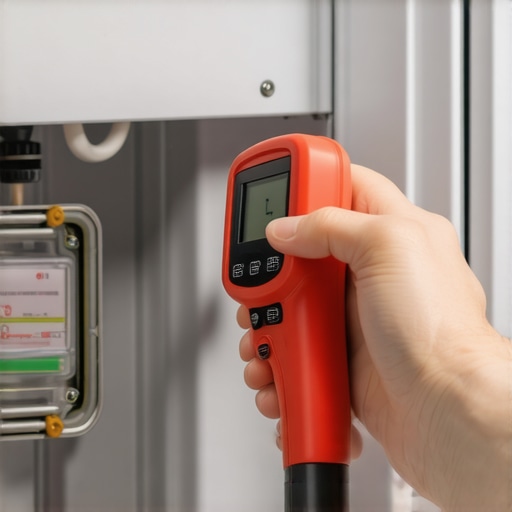
Proper maintenance is about consistency and knowing the right tools. For example, I regularly calibrate my refrigerator thermostat using an external temperature probe, ensuring the unit maintains accurate cooling. Investing in a quality infrared thermometer and multimeter has empowered me to troubleshoot minor issues before they escalate, saving time and money. As appliance technology advances, staying informed about IoT-driven maintenance solutions—like predictive alerts—can keep your devices running smoothly for years to come. Embrace these practices today, and you’ll experience fewer interruptions and better appliance performance over time. Try one of these advanced tips now: calibrate your refrigerator’s thermostat with an external probe and see the immediate benefits.
Lessons That Changed My Approach to Warranty Transfers and Repairs
One of the biggest revelations I had was realizing that warranty transfer processes are often more straightforward than they seem—if you know the right steps. Misunderstanding this led me to miss out on valuable coverage, a mistake I won’t repeat. Another insight was that choosing certified technicians and understanding the fine print can significantly impact the longevity and performance of my appliances, saving me from costly repairs down the line. Lastly, I learned that proactive maintenance and staying informed about emerging smart technology can transform how I care for my devices, making routine upkeep much more manageable and effective.
Curated Gems for Smarter Appliance Management
For anyone looking to deepen their understanding, I recommend exploring this expert guide on appliance repair and installation—it’s a treasure trove of practical tips. Using tools like the Fluke Infrared Thermometer and a reliable multimeter has been game-changing in diagnosing issues early. I also keep handy the list of certified service providers linked through trusted warranty-backed service resources. Lastly, subscribing to maintenance apps enables me to schedule routine checks seamlessly, ensuring my appliances stay in top shape without surprises.
Seize the Moment to Improve Your Appliance Routine
The future of appliance care is bright, with IoT and smart sensors empowering homeowners to stay ahead of potential issues. Take that first step today—calibrate your new oven, clean your refrigerator coils, or simply review your warranty registration status. Each small action builds toward a more reliable, cost-effective home environment, giving you peace of mind and more time to enjoy life. Remember, you’re not alone on this journey—every effort you make now ensures your appliances serve you well for years to come. What’s one appliance maintenance habit you plan to start this week?
,