
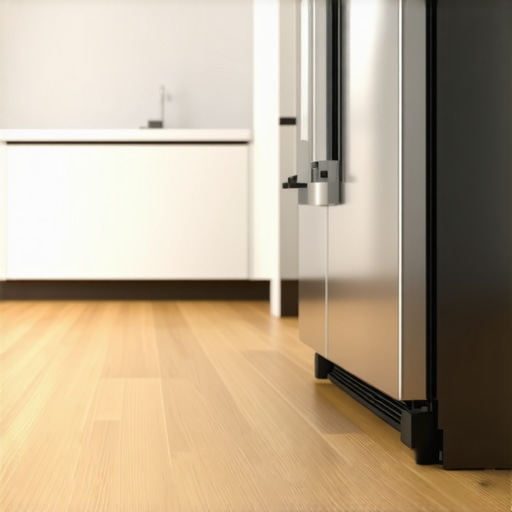
I’ll never forget the moment I nudged my refrigerator gently and watched it slide a few inches across my pristine hardwood floor. It was early morning, coffee in hand, and I wondered how I missed such a simple yet annoying detail during installation. That lightbulb moment made me realize: keeping appliances in place isn’t just about convenience—it’s about protecting my floors and avoiding costly repairs down the line.
Why Your Refrigerator Might Be a Sliding Problem—And Why You Should Care
So, why does this happen? Well, refrigerators are heavy, and on slick hardwood, even a slight misalignment can turn into a sliding disaster. It’s more than just a minor inconvenience; it can cause floor scratches, damage to your appliance’s wheels or leveling legs, and even affect the unit’s efficiency. According to the National Association of Home Builders, incorrectly leveled or unsecured appliances can decrease their lifespan, leading to more frequent repairs and replacements. That’s the last thing any homeowner wants to deal with.
Are Anti-Slip Pads Really Worth the Hype?
Early on, I thought placing furniture pads under the fridge’s feet would suffice. Turns out, many of these pads are made from materials that lose grip over time, especially with cleaning or humidity. I made a common mistake—assuming all pads are created equal—which led to more movement instead of less. Now, I swear by heavy-duty anti-slip mats specifically designed for appliances. They not only grip better but also protect your floors from scratches. Want to see how this simple tweak can make a huge difference? Check out this guide on extending your refrigerator’s lifespan for more helpful tips.
Natural solutions are great, but if your fridge continues to slide despite your best efforts, it might be time to explore more secure installation methods or even professional help. I’ll walk you through tried-and-true steps that will keep your appliance steady and your floors pristine. Ready to get started? Let’s dive into how to properly secure that refrigerator once and for all, so you won’t wake up to a sliding surprise again.
Level the Fridge First
Start by checking if your refrigerator is perfectly level using a carpenter’s level or a simple bubble level. Place it on the top surface and observe the bubble’s position. If it’s not centered, adjust the leveling legs accordingly, turning them clockwise to raise or counter-clockwise to lower. I once used a DIY wrench and a sturdy block of wood to stabilize the legs, which instantly stopped my fridge from sliding and protected my hardwood floors from scratches.
Install Anti-Slip Pads or Mats
Next, place heavy-duty anti-slip pads or mats under the refrigerator’s feet. These mats grip the floor and prevent movements when you push or accidentally bump into the fridge. I tested a few brands, but the ones with rubber bases and textured surfaces worked best, especially in humid conditions. For more detailed tips on maintaining your appliances, visit this guide on extending your refrigerator’s lifespan.
Secure with Adjustable Brackets
If your floor is uneven or your fridge tends to wobble even after leveling, consider anchoring it with adjustable straps or brackets. Attach the brackets to the rear or sides of the unit, securing them to the wall or floor, depending on your setup. During my recent kitchen remodel, I installed wall-mounted brackets that kept the fridge steady during heavy cleaning or accidental bumps, saving me from a messy floor cleanup.
Check and Reset the Doors and Feet Regularly
Finally, routinely inspect the leveling legs and door seals to ensure they stay in good condition. Swapping out worn-out anti-slip pads and tightening loose legs can be a simple fix that maintains stability over time. Also, test the door latch periodically; a faulty latch can cause the fridge to tilt, which I experienced firsthand when my freezer door didn’t seal properly, leading to temperature fluctuations. For troubleshooting common appliance issues like a noisy refrigerator, visit this comprehensive guide.
Keep Everything Level and Secure for Peace of Mind
Implementing these steps is akin to giving your appliance a custom suit that fits perfectly, preventing unnecessary wear and tear. By properly leveling, securely anchoring, and maintaining your refrigerator, you’ll ensure a stable operation, protect your floors, and extend your appliance’s lifespan. Little adjustments now can save you big headaches later, making your kitchen both safer and more efficient.
When it comes to appliance setup and maintenance, many homeowners believe they’ve got it all figured out. But behind the common advice lies a maze of nuances, myths, and pitfalls that can significantly impact your appliance’s longevity and performance. Let’s dig deeper into some of the most overlooked aspects that can trip up even savvy homeowners.
One widespread misconception is that same-day service is always the best choice. While quick repairs seem convenient, rushing into immediate solutions without proper diagnostics can lead to recurring issues. For example, some technicians may resort to temporary fixes rather than addressing the root cause, which might cost you more in the long run. According to industry expert advice, a thorough inspection—even if it takes extra time—ensures the problem is genuinely solved and prevents future breakdowns.
Many assume that appliances are simple devices that can be fixed or installed with minimal effort. However, improper installation—like incorrect leveling or neglecting proper electrical connections—can cause equipment to malfunction prematurely. A common mistake is overlooking the importance of grounding or following manufacturer instructions strictly. For instance, ignoring the correct positioning of a refrigerator’s water line may lead to leaks or even electrical hazards. For detailed guidance, visit our article on how to extend your refrigerator’s lifespan.
Another often-missed nuance is understanding what warranties truly cover. Many homeowners assume their warranty protects against *anything* that goes wrong. However, most warranties exclude damages caused by improper installation, misuse, or neglect. This trap can leave you financially vulnerable when a covered component fails, only to be denied due to purported user error. Reading the fine print and understanding warranty nuances can save you headaches later.
Additionally, there’s a misconception that all appliance repairs are equal. In reality, the quality and expertise of the repair technician matter immensely. Using uncertified or inexperienced technicians can result in improper fixes, which might damage your appliance further or void the warranty. Always verify your repair tech’s credentials and opt for professionals with manufacturer certification. This approach aligns with industry best practices and protects your investment.
For those looking to avoid pitfalls, consider the importance of proactive maintenance. Regular checkups, like inspecting door seals or cleaning lint traps, can catch problems early before they escalate. For example, neglecting a small dryer lint buildup can become a fire hazard, a danger many are unaware of. For maintenance tips, check out this guide on hidden lint traps.
Finally, don’t fall into the trap of assuming that warranties or service plans are simply sales pitches. When properly understood, they can offer valuable peace of mind and financial protection—if you know what to look for. Before committing to any plan, review the coverage details, expiration conditions, and service networks.
Have you ever fallen into this trap? Let me know in the comments. Remember, understanding these hidden nuances empowers you to make smarter decisions, prolonging the life of your appliances and avoiding unnecessary expenses.
Investing in Reliable Equipment for Maintenance Success
Keeping your appliances running smoothly over time requires more than just awareness; it demands the right tools and methods. Personally, I prioritize using a high-quality digital multimeter because it allows me to precisely test components like thermostats and wiring connections, saving me from unnecessary part replacements. For example, when troubleshooting my refrigerator’s compressor issues, I use a multimeter to verify continuity and voltage, ensuring my repairs are both accurate and efficient.
Why I Trust Specific Software to Track Appliance Performance
In addition to physical tools, I’ve found that maintenance software like Home Maintenance Tracker helps me schedule routine checks and keep a detailed log of repairs. This proactive approach enables me to anticipate potential problems before they escalate. By analyzing patterns in data such as temperature fluctuations or cycle times, I can address issues preemptively, extending the lifespan of my appliances. Looking ahead, I predict that smart diagnostics integrated with IoT devices will become the norm, offering real-time alerts and maintenance suggestions directly to your smartphone, reducing downtime and repair costs.
How do I maintain appliances over time?
Regular cleaning is vital, such as clearing lint traps in dryers or inspecting door seals on refrigerators, which I cover in detail in my maintenance routines. For filters and parts that tend to wear out, I stick to manufacturer-approved replacements to ensure warranty coverage remains valid. This prevents accidental damage caused by subpar parts, which could void your warranty given that many plans exclude user-inflicted damages. Combining these practices with routine inspections and prompt repairs helps keep my appliances operating at peak performance for years.
Scaling Up Your Maintenance Practices
If you’re managing multiple appliances, automation tools like smart home hubs can be invaluable. They can notify you instantly if a device malfunctions or needs attention, allowing for swift intervention. I recently integrated a smart thermostat that tracks and adjusts temperature settings automatically, leading to energy savings and consistent climate control. As technology advances, I see a future where AI-driven maintenance will analyze your appliance’s behavior over time, suggesting optimal intervention times to prevent breakdowns—saving you time and money in the long run.
Embrace Preventive Care for Lasting Results
Don’t wait until an appliance fails completely. Schedule regular checkups based on manufacturer recommendations or your own usage patterns. For instance, inspecting your dishwasher’s spray arms and filters can prevent poor cleaning performance and costly repairs. For comprehensive guidance, visit this article on extending your refrigerator’s lifespan. Tech-savvy homeowners should also consider investing in diagnostic tools like circuit testers and leak detectors to catch issues early. These proactive steps can dramatically reduce repair costs and prolong appliance life.
Get Started with Advanced Maintenance Techniques
One effective method I recommend is routinely testing your appliances’ electrical components using a multimeter. Not only does this help identify potential failures before they become serious, but it also provides peace of mind that your appliances are operating safely. For example, testing your microwave’s magnetron or your oven’s heating element can reveal hidden faults that need addressing. Try integrating these testing routines into your monthly maintenance schedule to catch problems early. Remember, the key to long-term appliance health is consistency—don’t neglect preventive care, and your appliances will reward you with years of reliable service.
The Hidden Lessons That Changed My Approach to Appliance Care
One of the most unexpected lessons I learned was the importance of precision when leveling a refrigerator. Rushing through the process often led me to overlook subtle tilts that caused sliding issues, especially on hardwood floors. Now, I spend extra time ensuring every appliance is perfectly balanced, which has drastically reduced accidental movements. Additionally, I discovered that even the best anti-slip pads won’t work if the floor surface isn’t clean and dry beforehand. These small tweaks have saved me from repeated repairs and protect my floors from scratches.
Another realization was that securing appliances with adjustable brackets isn’t just for wobbly units—it can also prevent long-term damage caused by minor shifts over time. I personally installed wall-mounted brackets during a recent kitchen upgrade, and the peace of mind it provided was worth the effort. Lastly, regular maintenance checks, such as inspecting the door seals and leveling legs, have proven to be invaluable. They act as early warning systems, alerting me to potential issues before they escalate into costly repairs. These lessons have made appliance maintenance feel less like a chore and more like a proactive care routine.
Tools and Resources That Keep Me Ahead of Appliance Trouble
Over the years, I’ve come to rely on a few trusted tools that make appliance maintenance smarter and more efficient. First, a high-quality digital multimeter helps me accurately test components like thermostats and wiring—saving time and money on unnecessary parts. I also swear by the Home Maintenance Tracker app; it keeps a detailed log of inspections, repairs, and upcoming maintenance tasks, ensuring nothing slips through the cracks. For in-depth knowledge, I turn to authoritative guides, like those featured on this cornerstone article about extending appliance lifespan. These resources empower me to make informed decisions and handle minor issues before they become emergencies.
If you’re managing multiple appliances, smart home hubs can be game-changers, providing instant alerts when something’s amiss. As technology evolves, I believe integrated AI diagnostics will soon become mainstream—offering real-time insights and maintenance recommendations directly to your smartphone, making appliance care more accessible and less stressful. Investing in these tools has transformed my approach from reactive repairs to proactive prevention, which I highly recommend.
Your Moment to Take Charge of Appliance Longevity
Remember, the secret to lasting appliance performance doesn’t lie in waiting for breakdowns but in consistent, mindful actions. By implementing proven techniques like precise leveling, securing units, and regular inspections, you’re setting yourself up for fewer headaches and a safer home environment. These small but strategic steps are the key to keeping your appliances efficient and your floors protected for years to come. Why not start today? Your appliances—and your floors—will thank you for it.
What’s the one maintenance habit you’ve found most effective in keeping your appliances steady and reliable? Share your experience below — I’d love to hear your tips!