
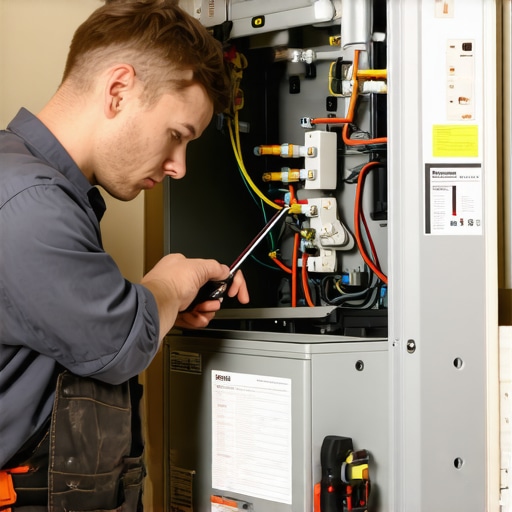
Picture this: It is three o’clock on a freezing Tuesday morning in the dead of January. You wake up because your nose feels like an icicle, and you realize with a sinking chest that the familiar, comforting hum of your heating system has vanished. You head down to the basement, shivering, and find your furnace completely dead. No problem, you think, wrap yourself in a blanket, and tell yourself, ‘At least it is still under the manufacturer’s warranty!’ But when the technician finally arrives, they ask you a simple, terrifying question: “Can I see your annual service records?” Your heart drops. You do not have them. I will never forget the time I made this exact mistake years ago with my first home; I assumed that having a piece of paper labeled ‘Warranty’ meant I was fully covered. I was dead wrong, and it cost me thousands of dollars out of pocket.
The Costly Trap of the Fine Print
Most homeowners do not realize that a manufacturer’s warranty is not an unconditional guarantee. It is a legal contract with strict rules. According to consumer advocacy studies, nearly every major heating brand requires professional annual service to keep their coverage active. If you cannot prove you maintained the unit, they can—and will—deny your claim. Today, I am going to share exactly how you can easily build a bulletproof paper trail so you never get stuck with a massive repair bill on a freezing night. We are going to look at the smart way to document your home care, starting with understanding the document every technician needs to see for a valid warranty visit.
Is keeping paper receipts actually worth the hassle?
You might be wondering if a big manufacturer really cares about a simple annual checkup. The short answer is yes. Insurance adjusters and furnace manufacturers look for any loophole to avoid payout, and a lack of professional maintenance history is their favorite excuse. Luckily, preventing this does not require a filing cabinet full of perfectly color-coded folders. It just takes a little bit of consistency and knowing exactly what details your technician needs to write down. Have you ever had a warranty claim denied because you lost a receipt? Let me know in the comments below! If you are currently dealing with a sudden system failure, you might also want to learn how to prove you maintained your hvac for a warranty claim before calling for emergency service.
How to Build a Deny-Proof Maintenance Record
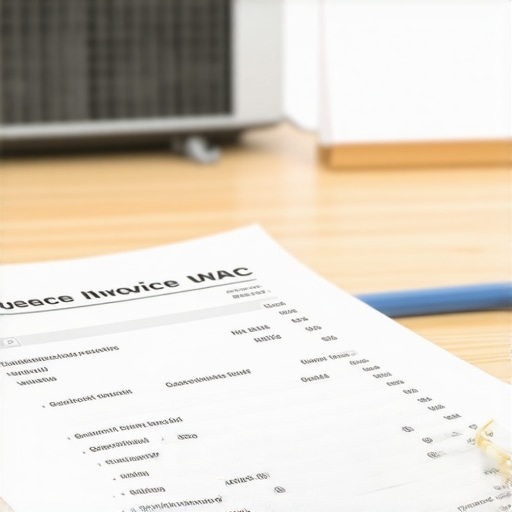
Think of your home appliance warranty like a car warranty. If you never change the oil, the manufacturer will laugh you out of the dealership when the engine blows. The exact same rule applies to your heating, ventilation, and kitchen systems. To protect yourself, you need to treat every routine checkup as a legal deposit. Start by establishing a physical or digital folder specifically for service invoices. Every time a technician steps foot in your home, they must leave behind a physical or digital invoice that explicitly details the model number, serial number, and the specific diagnostic tests performed. I learned this the hard way when a compressor failed on my central AC unit. The manufacturer demanded the exact readings of the refrigerant pressure from the previous year’s tune-up to prove it hadn’t leaked slowly over time. Because my technician had simply written ‘system checked’ on a scrap of paper, I was denied a replacement parts claim and had to scramble for same-day appliance repair quick solutions with warranty support out of my own pocket.
Ask your technician for these three golden metrics
Never let a service technician leave without ensuring their paperwork is incredibly specific. For heating and cooling systems, the invoice must show the electrical amp draw of the motors, the temperature rise across the heat exchanger, and the system’s static pressure. For laundry or kitchen setups, ensure they document the voltage readings and water pressure levels. This level of detail acts as absolute proof that the unit was operating within safe engineering limits during their visit. If you are dealing with a faulty washer, understanding the washer drain-hose error that causes indoor flooding can save you from a denied claim, as manufacturers will blame improper plumbing installation over their own part defects.
Keep digital backups of your physical receipts
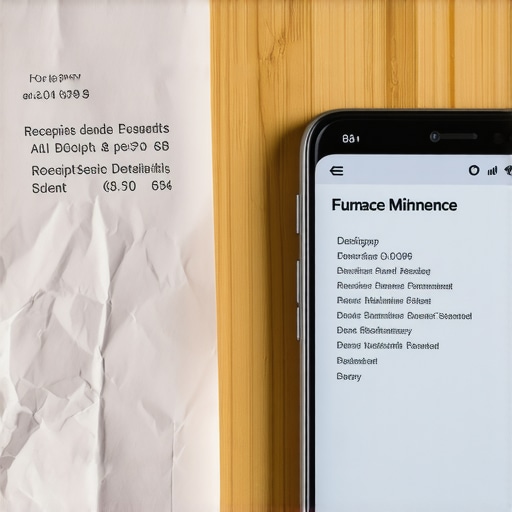
Thermal paper fades faster than you think. If you store your receipts in a hot garage or a damp basement drawer, they will be completely blank in two years. Take a clear photograph of every invoice on your phone, upload it to a dedicated cloud folder, and name the file with the date and the appliance name. This quick habit ensures that if your heat goes out on a holiday weekend, you can instantly email the PDF to a dispatcher when scheduling affordable same-day appliance fixes with warranty benefits. Doing this eliminates the stress of digging through old junk drawers while your pipes are freezing.
Why professional installation is your first line of defense
Many homeowners try to save a quick buck by installing heavy appliances themselves, but this is a massive gamble. Manufacturers closely inspect the installation date and the credentials of the installer if a major component fails early. A single minor mistake—like skipping a crucial leveling step or using the wrong diameter venting hose—will instantly void your coverage. Investing in certified, fast trustworthy appliance installation near you guarantees that the initial setup complies perfectly with regional building codes and manufacturer specifications, leaving the factory with zero excuses to reject your future claims.
We have all heard the standard advice: save your receipts and get annual tune-ups. But as someone who has spent years dissecting the fine print of equipment agreements, I can tell you that simply holding a folder of invoices is not always the shield you think it is. In fact, many manufacturers are now rejecting claims even when homeowners present proof of professional service. Why? Because the invoices lack critical diagnostic data, or because the service technician unwittingly documented a pre-existing installation flaw. If you want to survive a strict audit, you need to understand the hidden nuances that the industry rarely discusses.
The Preventive Maintenance Myth That Costs Thousands
Everyone tells you that scheduling annual service is the golden ticket to keeping your coverage active, but in my experience, the timing and depth of that service matter far more than the frequency. A common trap is scheduling your heating system checkup right in the middle of a winter crisis or your AC service during a summer rush. Technicians during peak seasons are often hurried and may skip the detailed diagnostic logs that manufacturers demand during a claim audit. According to a consumer study by the Nationwide Home Warranty Association, over 40% of denied claims stem from incomplete diagnostic notes on service invoices, rather than a complete lack of maintenance.
To protect yourself, schedule your tune-ups during the shoulder seasons—spring and autumn. This gives your technician the time to perform a thorough evaluation and document the precise system metrics that prove your equipment was running in peak condition before any breakdown. If you are already facing an unexpected breakdown, make sure you know how to maximize your appliance warranty during emergency repairs so you do not get stuck with the bill.
Why did the manufacturer reject my certified technician’s invoice?
This is a sophisticated question that puzzles many diligent homeowners. The answer usually lies in the difference between a general repair invoice and a manufacturer-approved maintenance record. If your technician writes “repaired unit” or “fixed wiring” without specifying the exact electrical values or gas pressures, the manufacturer’s claims adjuster will categorize this as a repair due to wear-and-tear rather than standard upkeep. To avoid this trap, make sure your technician notes down that they verified regional building codes and manufacturer-specific clearances during their visit. When dealing with complex home setups, understanding the difference between a factory warranty and a service contract is your best defense against administrative denials.
The Crucial Connection Between Setup and Coverage
Another nuance that catches homeowners off guard is how closely linked your installation quality is to your ongoing warranty protection. You could have a flawless stack of maintenance receipts, but if the initial installer made a minor error, your entire history is voided. For example, failing to level a dishwasher or using a slightly restricted vent line can cause premature motor failure. When the factory technician inspects the broken unit, they will take photos of the installation environment first. If they find an installation defect, they will deny the claim on the spot, leaving you to pay out of pocket.
This is why investing in certified professionals is non-negotiable. Whether you are setting up a kitchen range or a laundry pair, securing fast trustworthy appliance installation near you ensures that the physical environment meets every strict parameter specified in the owner’s manual. Have you ever fallen into this trap where a minor setup error voided your protection? Let me know in the comments below! If you are planning a remodel soon, be careful not to make the common mistakes that many face, such as the one ventilation step most long island kitchen remodels skip for island ranges, which can instantly lead to future claim rejections.
When you look past the basic checklists and standard user manuals, keeping your major home appliances running smoothly comes down to having the right diagnostic tools and tracking methods. I don’t rely on guesswork, and you shouldn’t either. Over the years, I have built a highly specific routine using precise, practical instruments that help me spot minor issues before they turn into emergency repair calls. Taking control of your home’s mechanical health not only prevents sudden weekend disasters but also guarantees that you keep your manufacturer protection fully intact.
My Personal Toolkit for Appliance Longevity
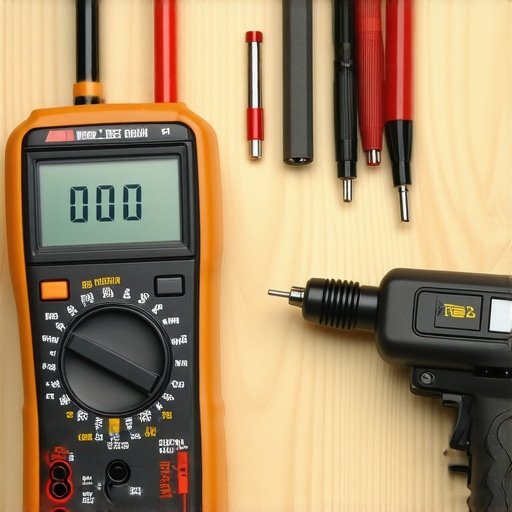
You don’t need a professional technician’s service van to monitor your equipment like a pro. In my own home, I rely daily on three specific tools. First, a high-quality infrared thermometer. This is the exact tool I use to check if my refrigerator seals are failing or if my HVAC vents are outputting the correct temperature drop. Second, a digital multimeter is essential for checking continuity on heating elements. Finally, I use a simple water hardness test kit. Hard water is the silent killer of modern household systems, scale buildup ruins internal valves, and knowing your water profile helps you adapt your maintenance schedule. If your dishwasher is struggling with cloudy film due to mineral deposits, utilizing the hard water trick for keeping your dishwasher clean is a perfect example of a small, tool-based intervention that prevents major component failure.
How do I maintain complex systems over time?
Consistent, high-yield upkeep is about scheduling specific micro-tasks rather than doing a massive, exhausting overhaul once a year. For example, clean your refrigerator coils every six months to prevent the compressor from overheating, and flush your laundry supply lines annually. If you use high-efficiency front loaders, performing the maintenance step that extends the life of your high-efficiency washer prevents musty smells and drum misalignment. According to the Association of Home Appliance Manufacturers (AHAM), performing these simple, targeted cleanings reduces the likelihood of mechanical breakdown by up to 50% over the appliance’s lifespan. Keeping a simple digital log of these quick checkups ensures you always have hard evidence if a manufacturer challenges your care routine.
The Future of Home Maintenance and Diagnostics
Looking ahead, the landscape of home repair is shifting rapidly toward predictive maintenance. We are moving away from reactive scheduling. Within the next few years, built-in smart sensors will monitor vibration, electrical draw, and water flow in real time, alerting you to order a replacement part before the machine actually stops working. This transition will make it much easier to coordinate with teams offering affordable same-day appliance fixes with warranty benefits, as the technician will arrive already knowing the exact part that needs replacing. However, until these fully predictive smart systems are standard in every household, maintaining your own clear diagnostic records remains your absolute best defense against costly out-of-pocket expenses. I highly encourage you to try my favorite advanced tip tonight: use your phone to record a quick 10-second video of your dishwasher and washing machine running normally. This simple baseline audio clip will make it incredibly easy to identify strange hums or grinding noises early, giving you the jump on potential breakdowns before they escalate.
When we look beyond standard checklists and simple user manuals, keeping your home running smoothly always comes down to having the right diagnostic tools and tracking methods. Over the years, I have built a highly specific routine that helps me spot minor issues before they turn into emergency repair calls. Taking control of your mechanical systems not only prevents sudden weekend disasters but also guarantees that you keep your manufacturer protection fully intact.
The Hardest Lessons I Learned Protecting My Home Equity
Reflecting on years of managing home systems and handling complex claims, I have discovered a few hard truths that standard instruction manuals simply will not tell you:
- The paperwork is your actual shield: A manufacturer does not care if you are a nice person or a loyal customer. In the corporate world, if it is not documented with precise technical metrics, the service never happened.
- Timing is everything: Avoid the peak season rush. Technicians are far more likely to write detailed, claim-ready diagnostic notes when they are not rushing to ten other emergency calls in the middle of a heatwave.
- Setup dictates your liability: You can have the most meticulous maintenance records in the world, but if the original unit was installed poorly, your coverage is instantly dead in the water.
The Simple Tools I Use to Prevent Financial Disasters
You do not need a massive commercial service van to protect your home. I rely on three incredibly basic, low-cost items that keep my household running smoothly and my records spotless. First, a cheap infrared thermometer allows me to verify temperature drops and duct integrity without opening any equipment. Second, a simple water hardness test kit tells me exactly when I need to descale my water-using appliances to prevent scale buildup. Finally, a dedicated digital scanning app on my phone ensures that every single service invoice is digitized, named with the exact date, and backed up safely to the cloud before the thermal paper can fade.
Your Action Plan for Ultimate Peace of Mind
Now is the time to transition from being a reactive homeowner to a proactive protector of your investment. Do not wait for a freezing winter night or a flooded utility room to figure out if your documentation is up to par. Spend thirty minutes this weekend setting up a dedicated digital folder, scheduling your next seasonal tune-up, and ensuring you have access to expert guide to appliance repair and installation today to review your current setups.
Have you ever had a warranty claim rejected because of a missing receipt or a minor setup error? Let me know in the comments below!