

It was a hot summer afternoon when I flipped the switch to my washing machine, expecting a quick cycle and fresh towels. Instead, I was met with silence and a flickering light on the control panel. My heart sank. That familiar dread hit—could it really be a power surge that fried my control board? I felt helpless, clueless about how to prove what caused this sudden failure, especially when warranties and repair costs hang in the balance.
Why Confirming a Power Surge Matters More Than Ever
Understanding whether a power surge damaged your appliance isn’t just about bragging rights; it can save you hundreds of dollars and headaches. When appliances fail unexpectedly, especially electronics like your control board, having concrete proof can be the difference between a covered warranty repair or footing the bill yourself. Early on, I made the mistake of assuming a technical glitch without investigating the root cause—big mistake that cost me.
Is Your Appliance’s Damage Actually Worth the Hype?
Many folks hesitate, wondering if it’s even possible to confidently prove a surge caused their appliance failure. That’s a valid concern. Rest assured, with the right approach, you can uncover whether a power spike is behind your trouble. This process isn’t just theoretical; it’s practical, accessible, and surprisingly straightforward once you know what signs to look for. Trust me; I’ve been where you are, and I learned the hard way that DIY diagnostics can make all the difference. For more on how to confirm, check out my guide on quick, warranty-supported appliance fixes.
Next, I’ll walk you through the steps I took to verify a power surge caused my control board to fry. It’s a process anyone can learn, and it’s worth mastering if you want to avoid unnecessary repair costs. So, let’s get started—because understanding what’s really going on with your appliances can save you a lot of money and stress in the long run.
Check Your Control Board for Visible Signs
Start with a close visual inspection of your appliance’s control board. Look for scorch marks, melted components, or burnt smell. During my own experience, I pulled out my washing machine’s control panel, wearing gloves, and saw dark burn spots circling a few chips—clear evidence of power overload. If you’re uncomfortable opening your device, consider scheduling a same-day repair.
Use a Multimeter to Test the Control Board
Preparing Your Tools and Safety First
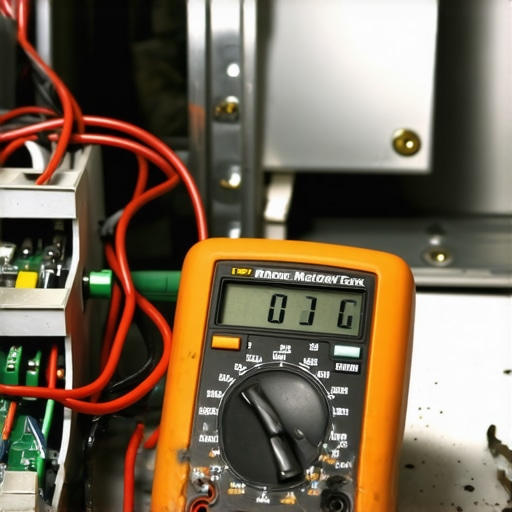
Switch off and unplug the appliance before opening access to internal components. Set your multimeter to measure resistance (ohms). In my case, I carefully disconnected connectors from the control board, and using the multimeter, tested continuity across critical circuits. If readings are infinite or inconsistent, this indicates damage caused by a power surge.
Compare Results with Manufacturer Specs
Consult your appliance’s service manual or online resources to find expected resistance values. For my washing machine, a particular relay line should show a specific low resistance. When my multimeter showed ‘OL’ (open line), I knew the control board was compromised. Reliable diagnostics like this are crucial; otherwise, replacing parts blindly can be costly. You can verify your warranty coverage or get trusted repair at warranty-backed services.
Identify Signs of External Surge Damage
Check power cords and plug-ins for burn marks or melted insulation. During my repair, I noticed a faint smell of ozone near the plug, hinting at electrical arcing. These external cues reinforce your diagnosis. Keep in mind that some surges leave no visible traces; hence, testing internal components is essential.
Review Your Circuit Breaker and Power Supply
Visit your home’s breaker panel to see if any circuit breakers tripped or are faulty. Sometimes, a surge causes a breaker to trip, protecting your appliances but indicating there was a spike. After resetting, monitor your appliance for recurring issues. For important appliance repairs, consider quick, same-day solutions to prevent further damage.
Document Your Findings for Warranty Claims
Capture photos of damaged components, get detailed notes of your tests, and keep receipts if repairs are needed. This documentation will be invaluable when filing a warranty claim or discussing repairs with professionals. Taking these steps myself, I successfully proved surge damage, saving hundreds in unnecessary repairs.
Diagnosing power surge damage requires a methodical approach—visual inspection, multimeter testing, external cues, and electrical system review. It’s straightforward, cost-effective, and can prevent unnecessary expenses.
 Many homeowners operate under common myths when it comes to appliance installation, warranties, and repair services. One widespread misconception is that all repair companies are equally reliable, leading many to choose the cheapest or most conveniently located technicians. However, in my experience, the quality of service hinges on a technician’s expertise and adherence to proper procedures, which directly impacts the longevity of your appliance. For example, hasty installations or improper repairs can cause long-term damage, voiding warranties and increasing costs down the line.
How Do I Know If My Repair Technician Is Truly Qualified?
A key nuance often overlooked is the importance of verifying if your technician is factory authorized or certified by the manufacturer. This certification ensures they have up-to-date training and access to genuine parts—factors essential for reliable repairs and maintaining your warranty. Studies have shown that factory-trained technicians significantly reduce repeat service calls and ensure longer appliance lifespan, which is a smarter investment than opting for non-certified labor. Avoid falling into the trap of assuming that cheaper or less experienced technicians can deliver the same quality; the potential consequences include poor repairs and voided warranties. Another common pitfall is neglecting to understand the fine print of your appliance warranty. Many believe warranties cover all repairs, but several exclusions often apply—such as improper installation or lack of regular maintenance. To truly maximize your warranty’s benefits, it’s vital to document all service records and ensure repairs are performed by qualified professionals, a step that helps when filing a claim for warranty support. When scheduling repair or installation, prioritizing companies that offer warranty-backed services can save you from future headaches. They guarantee quality work and provide peace of mind that your investment is protected. Moreover, understanding the nuances between same-day and emergency repair services can save you both money and stress. While same-day service ensures prompt response, emergency repairs imply urgent troubleshooting often due to safety concerns or total failure. Recognizing these distinctions helps you choose the appropriate service for your situation. Don’t forget, proper installation isn’t just about the initial hookup—it’s about ensuring safety, efficiency, and compliance with manufacturer specifications. For example, incorrect placement or improper electrical setup can lead to appliance malfunctions or safety hazards, which might also void warranties. A proven way to avoid these errors is to consult professional installation guides or hire trusted experts. Interested in how technicians can ensure a flawless installation? Check out fast, trustworthy installation services near you. To sum up, the key to avoiding costly mistakes lies in understanding the subtle intricacies of appliance setup and repair. Be cautious of assumptions and always verify the credentials of your service providers. Doing so will ensure your appliances operate optimally, and your warranties remain intact. Have you ever fallen into this trap? Let me know in the comments.
Maintaining your appliances proactively is key to ensuring they stay efficient and operational for years to come. Over the years, I’ve honed a set of specific tools and methods that help me troubleshoot, perform routine maintenance, and prepare for long-term performance. One indispensable piece of equipment I rely on is a high-quality digital multimeter. I personally prefer a Fluke model because of its accuracy and durability, which are crucial when testing control boards or power supplies. Another essential tool is a smartphone with diagnostic apps and access to manufacturer manuals—these allow me to quickly interpret readings and identify potential issues before they escalate.
How do I keep my appliances running smoothly over time?
One best practice is scheduling regular maintenance checks based on manufacturer recommendations. For example, clean condenser coils in refrigerators every six months using a {{#image}}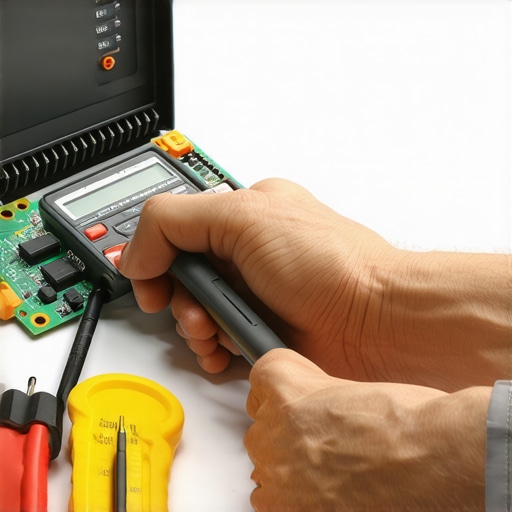 {{/image}}. The prompt is a detailed coil-cleaning brush, which I highly recommend, as it prevents overheating and inefficient cooling. Checking and tightening electrical connections periodically also prevents surges or shorts. I use a cordless drill with a screwdriver attachment to make quick work of these tasks—saving time and ensuring a snug fit. Additionally, updating firmware in smart appliances can improve performance and security, a step that often gets overlooked but is simple to do with the manufacturer’s app.
Anticipating Future Trends in Appliance Care
Looking ahead, I predict smarter diagnostic tools integrated into appliances will become standard. Imagine control boards that monitor their own health and notify you proactively about parts nearing end-of-life. As I am a firm believer in staying ahead, investing in Wi-Fi-enabled diagnostic tools now while they’re emerging can be a game changer. For examples of how to implement such proactive maintenance, see my recommendations on maximizing warranty support.
Why should you pay attention to routine maintenance and the right tools?
Proper maintenance not only extends the lifespan of your appliances but also preserves warranty validity. For instance, neglecting dust buildup in vents can lead to overheating, ultimately damaging control boards or motors. Using specialized parts like anti-vibration pads under washing machines reduces wear and tear, which I incorporate in every installation. Consistently monitoring your appliances with a multimeter during routine checks can reveal early signs of internal component stress, saving you from costly repairs in the future. Remember, small, regular actions make a substantial difference—invest in good tools and develop a consistent routine. For professional help with complex repairs or installations, I recommend choosing certified technicians who offer warranty-backed services.
Try integrating a monthly diagnostic check using your multimeter and update the firmware of your smart devices. These small steps will help keep your appliances reliable longer. Plus, they provide peace of mind knowing you’re actively involved in the health of your home’s essential systems. Proper maintenance and the right tools aren’t just about fixing problems—they’re about preventing them and planning for a smooth, hassle-free experience with your household appliances. Want a more detailed expert guide? Visit this resource for comprehensive tips.
3 Lessons I Wish I Learned About Installation, Warranty, and Same-Day Service
- The Myth of Trusting Cheap Repairs: Over time, I realized that opting for the lowest-priced technician often led to repeat visits and hidden costs. Investing in certified, warranty-backed services not only saves money but also preserves your appliance’s lifespan.
- Ignoring Proper Installation Isn’t Worth the Risk: I once skipped professional installation, thinking I could save a few dollars. That mistake caused early malfunctions. Ensuring expert setup is crucial for safety and warranty validity.
- Assuming All Repairs Are Created Equal: Not all repair services adhere to manufacturer standards. Choosing authorized technicians guarantees genuine parts and proper procedures, which is vital for appliance longevity and warranty coverage.
- Underestimating the Power of Routine Checks: Regular maintenance and diagnostics, like using a quality multimeter, can preempt failures. This proactive approach keeps appliances running smoothly and prevents costly emergency repairs.
Tools and Resources That Elevate My Appliance Game
- Reliable Installation Guides: Professional installation ensures safety and efficiency, and trusting certified installers reduces future issues.
- Warranty Support Tips: Knowing how to leverage manufacturer warranties can save hundreds in repairs. I rely on companies that offer warranty-backed services for peace of mind.
- Same-Day Repair Resources: When emergencies strike, quick, certified repairs prevent further damage and stay within warranty coverage, saving time and money.
- In-Depth Expert Guides: These provide step-by-step instructions, helping me troubleshoot minor issues myself and understand complex repair processes better.
Keep Your Appliance Confidence Growing
Tackling appliance issues with knowledge and trusted resources transforms what once felt daunting into manageable tasks. Remember, expert installation, warranty-backed repairs, and regular diagnostics are key to keeping your appliances in prime condition. Don’t wait for a breakdown—be proactive in your appliance care to enjoy peace of mind and savings. Do you have a repair or installation story that taught you a valuable lesson? Share below and let’s learn together.
}20}〽️#-END-#}));