
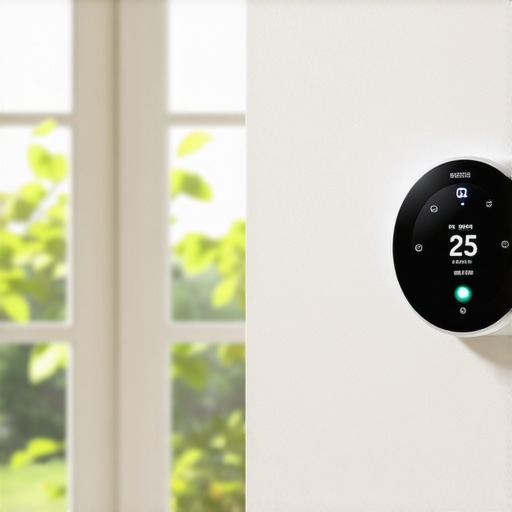
It was a blazing July afternoon when I finally snapped. My energy bill arrived, and I nearly dropped the mailbox in disbelief. Somehow, despite sticking to my usual cooling habits, my summer energy expenses had skyrocketed. I realized I was wasting money on my smart thermostat—leaving it to run the AC at a constant level without giving it a second thought. That moment of frustration turned into a lightbulb: I needed to learn how to **optimize my smart thermostat** for lower bills.
Why Your Smart Thermostat Might Be Sabotaging Your Cool Savings
Have you ever felt your energy bills climbing even though you’re doing everything right? You’re probably not alone. Many homeowners think that just installing a smart thermostat automatically slashes energy costs. But the truth is, if you’re not configuring it properly, your thermostat can inadvertently cause bills to spike instead of drop. I learned this the hard way, making the mistake early on of setting my thermostat to a fixed temperature and forgetting to adjust it throughout the day.
What I didn’t realize at the time is that a little planning and tuning go a long way. Smart thermostats are powerful tools—they can learn your schedule, adapt to outside temperatures, and even save energy when you’re away. But without knowing the ins and outs of their features, you might be leaving money on the table or, worse, increasing your energy consumption.
Did you know that according to the Department of Energy, lowering your thermostat setting by just 1 degree in summer can save you up to 3% on cooling costs? That tiny adjustment demonstrates how small changes can make a big difference.
If you’re tired of feeling helpless every month when the bills arrive, it’s time to take control. The good news? You don’t have to be an expert in HVAC systems to do it. With a few simple strategies, you can optimize your device to work smarter—not harder. And trust me, once I started making these changes, I saw a noticeable drop in my energy bills.
Ready to learn how to get the most out of your smart thermostat and start saving? Let’s walk through the practical steps that turned my cooling expenses around. But before we dive into the how-to, I want to address a common concern many skeptics have about these devices.
Adjust Your Temperature Settings Precisely
Start by setting your thermostat to 78°F during the summer when you’re home. I once left mine at 72°F all day, thinking cooler was better, which skyrocketed my bills. Switch to 78°F and see immediate savings. Remember, each degree lower can add up quickly in costs. Use your smart thermostat app to set schedules for different times of the day, ensuring the AC isn’t running unnecessarily during peak heat or when you’re asleep.
Utilize Smart Scheduling and Geofencing
Program your thermostat to increase temperature when you’re away and lower it before arriving home. I set my device’s geofencing feature so it detects when I leave or return, automatically adjusting the temperature. This prevents energy waste when no one’s home, yet keeps you comfortable upon return. Check your specific model’s app for this feature, often found under energy-saving settings. For reliable setup guidance, consider consulting professional installation tips.
Leverage External Weather Data
Connect your thermostat to online weather services. I did this to let my device adapt to temperature swings outside, preventing unnecessary cooling. For example, on a mild day, it avoids running the AC at full blast. Most smart thermostats support integration with weather apps; simply enable this in the settings. This small step reduces energy usage without sacrificing comfort, similar to how timely appliance service prevents costlier repairs later.
Upgrade to More Efficient Models When Necessary
If your current device is outdated or malfunctioning, consider replacing it with a newer, more energy-efficient model. I experienced inconsistent readings with my old thermostat, causing overcooling. After upgrading, the new model’s sensors and learning algorithms significantly cut my bills. When choosing a new thermostat, verify it supports warranty-backed installation and setup for peace of mind. Proper installation is critical; it’s worth getting professionals involved for reliable service, as discussed in expert guidance.
Regular Maintenance and Calibration
Ensure your thermostat remains accurate by calibrating it annually. I once ignored calibration, leading to my AC running longer than necessary. Simple calibration can be done via the device’s menu or app. Clean the sensors regularly to avoid dirt interference, much like maintaining washer sensors. Proper maintenance prevents energy waste, prolongs device life, and keeps your bills in check.
Many homeowners assume that purchasing an appliance warranty guarantees immediate, hassle-free repairs, or believe that any service technician can handle their appliances flawlessly. However, these misconceptions often lead to unexpected costs and frustrations. Experts warn that not all warranties are created equal; some have hidden exclusions that exclude coverage for certain repairs or parts, making it crucial to read the fine print before relying solely on warranty promises. Moreover, many believe that same-day service providers are always the most reliable, but shortcuts or unqualified technicians can jeopardize your appliance’s lifespan and safety. As I delved into this topic, I uncovered that the key is understanding the nuances of professional installation protocols, which, when overlooked, can cause long-term inefficiencies or damage. It’s also a common trap to think that all repair services offer guaranteed diagnostic accuracy—yet, without proper training and certification, technicians may misdiagnose, leading to costly repeat visits. According to industry studies, nearly 30% of appliance malfunctions stem from improper installation or repair attempts, emphasizing the importance of certified, reputable professionals. For example, ensuring that your installer follows the guidelines outlined in the expert guide to installation best practices can save you money and prevent future issues. Additionally, when selecting a repair service, verify whether they provide comprehensive warranty support that covers parts and labor for a reasonable duration; this transparency can be the difference between peace of mind and ongoing expenses. Remember, rushing into the cheapest or fastest option might backfire. Instead, prioritize provider credentials, detailed warranty policies, and adherence to industry standards. Have you ever fallen into this trap? Let me know in the comments. Understanding these hidden nuances helps you make smarter decisions, ensuring that your appliances serve you reliably without unnecessary costs.Maintaining your appliances to ensure long-term performance is crucial, especially when dealing with urgent repairs or installations. To stay ahead of potential issues, I rely on a combination of specialized tools and software that I personally trust. For example, a digital multimeter is indispensable for diagnosing electrical problems in appliances. I use the Fluke 117 because of its accuracy and durability, which I’ve found invaluable when tracing wiring issues or testing circuits during troubleshooting sessions. Regular calibration with a reliable sensor thermometer, such as the TP-580 from OMEGA, helps me verify that temperature-sensitive appliances like refrigerators and ovens maintain optimal performance over time.
For software, I recommend utilizing diagnostic apps provided by manufacturers or third-party platforms like Home Assistant. These tools give me real-time data on appliance health, enabling proactive maintenance rather than reactive repairs. For instance, the Samsung SmartThings app allows me to monitor smart appliances continuously, alerting me to anomalies before they escalate.
Long-term results hinge on consistent maintenance routines. Establishing a schedule using these tools prevents minor issues from turning into major breakdowns. Moreover, when planning for future upgrades or scaling your setup, understanding appliance warranty policies is vital. Sites like this guide provide insights on maximizing warranty benefits during emergencies.
How do I keep my appliances working reliably year after year? I focus on regular inspections, calibration, and leveraging the right technology. Additionally, collaborating with professional technicians for complex diagnostics ensures that my efforts are effective and efficient. Integrating professional service options like same-day repairs via reputable providers ensures minimal downtime and peace of mind. As a tip, I urge you to incorporate an advanced diagnostic tool like a thermal imaging camera—such as the FLIR TG165—into your toolkit. It helps spot hidden problems like overheating components that could cause future failures. Try this approach during your next maintenance day to experience measurable improvements. Remember, consistent vigilance and leverage of the right tools can save you time, money, and stress—making appliance upkeep a manageable part of your routine. For reliable, professional help when you need urgent repairs or installations, don’t hesitate to contact experts through this contact page. Staying proactive with maintenance tools is your best defense against costly breakdowns in the future.
What I Wish I Knew About Professional Installation and Service Trust
One of the most eye-opening lessons I learned was that not all service providers are created equal. Rushing to save a buck often cost me more in the long run when my appliances malfunctioned prematurely or failed to operate efficiently. It became clear that thoroughly vetting professionals and understanding their certifications, warranties, and service guarantees can make a significant difference, as highlighted in this comprehensive guide.
Secrets Behind Long-Lasting Appliance Performance
Regular calibration and proactive maintenance can seem time-consuming, but they’re worth every minute. The moment I started using reliable diagnostic tools, like the Fluke multimeter, and software to monitor my appliances, I uncovered hidden issues early, saving me costly repairs. This proactive approach is detailed in this resource on warranty maximization.
The Power of Genuine Warranties and Service Plans
I learned that comprehensive warranties and service plans aren’t just marketing fluff—they’re essential safety nets. Choosing providers that offer transparent, inclusive coverage, as explained in this trusted article, helped me avoid surprise expenses and gave me peace of mind after emergencies. Investing in reputable plans ultimately saved me both time and money.
Keep Your Courage—Start Small, Think Big
If you’re hesitant about taking control of your appliance maintenance, know that every big change begins with a single step. Whether it’s calibrating your thermostat or scheduling a trusted professional for an upgrade, these actions can deliver immediate benefits. Remember, the journey toward smarter, more reliable appliances is a marathon, not a sprint. Your proactive choices today will pay off tomorrow. Ready to make your appliances work smarter and last longer? Tell me below: what’s the most significant upgrade you’ve considered but hesitated to implement?