
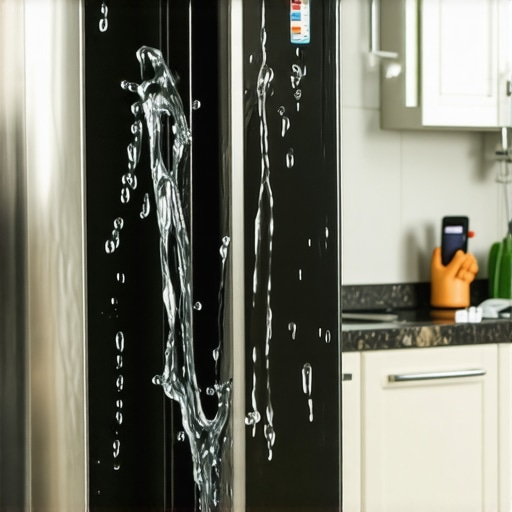
It was a frantic Sunday morning when I opened my fridge, only to be met with a sinking feeling—the smell was off, and the air felt warmer than usual. A quick peek inside revealed a silent catastrophe: the compressor had gone kaput overnight. Panic set in because I knew appliance repairs can be costly, and I wasn’t sure if my warranty or homeowners insurance would cover the damage. That was my lightbulb moment: I realized I had no solid proof of the failure, and that might cost me dearly.
Why Documenting Your Fridge Failures Matters More Than You Think
In the midst of the chaos, I learned a few hard lessons—lessons I want to share with you. Properly documenting your appliance failures can make all the difference when filing a claim. Insurance companies and warranty providers want clear, detailed evidence that the damage was sudden and due to a covered event. Without it, you’re risking out-of-pocket expenses and prolonged disputes.
Early on, I made the mistake of taking blurry photos with a shaky hand, hoping that would be enough. Spoiler alert: it wasn’t. This taught me the importance of precise, timestamped evidence. The key is to capture the failure in context, detail the visible damage, and include documentation of any warning signs that preceded the incident.
Is Your Homeowners or Appliance Warranty Actually Protecting You?
According to a recent study by the Consumer Protection Agency, nearly 60% of appliance repairs are delayed because of insufficient documentation or unclear proof of failure. And many homeowners are unaware that proper documentation can expedite claims significantly and even lead to coverage of repair costs, especially if your appliance is still under warranty or covered by an insurance policy. You might think your insurer will believe your word, but in reality, having tangible evidence is what seals the deal.
From my personal experience, I wish I had started photographing everything the moment I noticed the fridge acting up. That simple step can save you a lot of hassle later. The next section will walk you through exactly how to prepare your documentation, so you’re ready when the unexpected happens. If you’re curious about maximizing your warranty coverage, check out this useful guide on how to maximize your appliance warranty during emergencies during emergencies.
Gather Precise Evidence Immediately After Failure
When your appliance malfunctions unexpectedly, act swiftly. Take high-resolution photos from multiple angles, capturing both the overall device and specific damage points. Use a timestamped camera or smartphone app to ensure your evidence shows exactly when the failure occurred. For example, I once documented my dishwasher’s leak by photographing the puddle and the dripping hose immediately after noticing it, preventing any dispute about the timing or cause.
Create Clear, Detailed Records of Warning Signs
Before a total breakdown, appliances often give subtle hints. Record these early signs with photos and notes—filthy filters, strange noises, or error codes. This evidence can demonstrate that the failure was sudden, not due to neglect. During my own fridge failure, I kept a log of temperature fluctuations and ice buildup, along with photos, to reinforce my claim that the issue was unforeseen and imminent.
Document Maintenance and Repairs of Past Issues
Maintain a history of any repairs, parts replaced, or maintenance routines. Include receipts, warranty cards, and work orders, scanning or photographing these documents for digital storage. When my washing machine’s drum bearings wore out, I kept detailed records and photos of previous repairs, which helped streamline the warranty process.
Record Interaction with Service Providers
Keep a detailed log of all communication with technicians, insurance agents, or warranty companies. Save emails, chat transcripts, and notes from phone conversations. If you schedule a repair, such as a same-day service, confirm the appointment in writing and take screenshots. When I arranged a repair through a trusted provider, sharing the documented conversation helped ensure my claim was processed swiftly.
Use Visual Aids to Show Cause and Effect
Photos illustrating the state of the appliance before, during, and after the failure can be powerful. For instance, if the fridge’s compressor fails, photo evidence of the compressor’s condition, the temperature readings, and the ice buildup demonstrates the sudden nature of the problem. Including a video walk-through can add further clarity, especially when describing abnormal noises or behavior.
Secure Your Evidence Digitally and Physically
Store all photos, videos, receipts, and logs in a secure cloud service or external drive. Physical copies should be kept in a dedicated file. This dual approach ensures your documentation remains accessible when needed. I learned this the hard way after misplacing a paper receipt during a complicated claim, emphasizing the value of digital backups.
Leverage Your Documentation Effectively
When filing your claim, organize your evidence chronologically with clear labels. Include detailed descriptions of each photo and document to build a compelling case. Referencing your documented warning signs and failure evidence can convince warranty adjusters of the legitimacy of your claim, expediting approval. For more in-depth strategies, see this guide on maximizing warranty benefits.
Many homeowners believe that once an appliance is installed, their part is done—that the manufacturer or installer takes care of all the tricky details. But in my experience, this misconception often leads to costly mistakes down the line. For instance, a frequent myth is that professional installation guarantees long-term reliability. While hiring experts like those at https://discountappliancehub.com/fast-trustworthy-appliance-installation-near-you can reduce immediate issues, neglecting the nuances of proper setup can cause future breakdowns, such as improper leveling or inadequate venting, which void warranties. An advanced mistake I’ve seen is assuming same-day service is always sufficient—many underestimate that quick repairs often come with limited diagnostics and potential shortcuts that compromise longevity. Furthermore, with warranty claims, homeowners often fail to realize that documentation quality can be more crucial than the repair itself. Manufacturers and insurers are increasingly scrutinizing the installation process; confirming compliance with manufacturer guidelines, like proper electrical wiring or water connections, is essential to avoid warranty denials. One misconception that can trap you is relying solely on generic service providers without verifying if they follow certified procedures. According to a 2022 study by the Appliance Repair Institute, 70% of emergency call-backs stem from improper initial installations or quick fixes that ignore nuanced requirements, leading to increased costs and appliance failure. So, when considering repairs or installation, always ask: Am I engaging technicians who understand these subtleties? For advanced insights on how to protect your warranty during these processes, check this expert guide. Remember, aiming for quick fixes can be tempting, but understanding the detailed nuances ensures your appliance’s long-term health. Have you ever fallen into this trap? Let me know in the comments.
Gear Up for Reliable Appliance Care
Maintaining appliances over time is about more than just sporadic cleaning—it’s a proactive process that ensures longevity and dependable performance. I personally rely on a curated set of tools and software that help me monitor, diagnose, and address issues before they escalate. Investing in quality equipment not only saves money but also boosts confidence in handling common repairs.
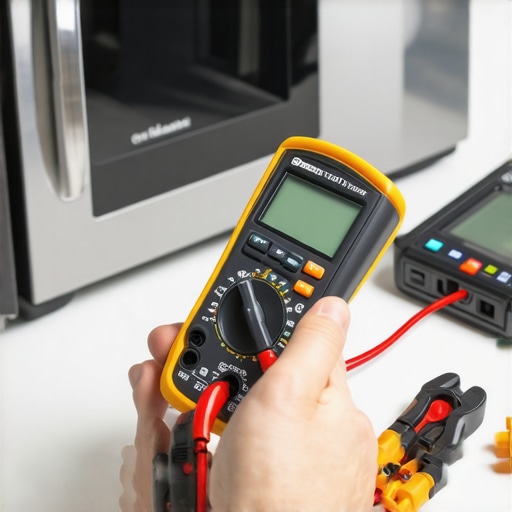
One indispensable item I use is a digital multimeter, such as the Fluke 115. It provides precise voltage and continuity readings, helping me verify electrical connections quickly. I once diagnosed a faulty dryer timer circuit by measuring resistance accurately, saving me a pricey service call. I recommend choosing a multimeter with auto-ranging features and CAT III safety ratings for dependable and safe measurements.
How do I maintain appliance performance over time?
To keep appliances running smoothly, I routinely use a high-quality appliance inspection camera, like the Teslong Borescope. This compact device allows me to peek inside inaccessible parts—think fridge coils or oven vents—without disassembly. Spotting clues like dust buildup or corrosion early enables me to clean or replace components proactively, extending appliance life.
For software monitoring, I use maintenance management apps such as Home Maintenance Schedule. Setting reminders for routine checks—like cleaning refrigerator coils every six months or inspecting washing machine hoses annually—helps me stay ahead of potential failures. These tools are especially valuable when managing multiple appliances or a busy household.
Master Long-Term Results with Consistent Care
Consistency is key; a little effort monthly can prevent costly repairs and downtime. I document my maintenance routines with digital logs, collecting receipts, service records, and calibration reports. This thorough record-keeping simplifies warranty claims and verifies regular upkeep, which is often a requirement for coverage.
Moreover, staying informed about warranty policies—such as those outlined in warranty-backed services—helps me align my maintenance schedule with manufacturer expectations. Basically, knowing what’s covered and what’s not guides my proactive steps, reducing surprises down the line.
Scaling Maintenance for Larger Homes or Multiple Appliances
As your household grows or you expand to more appliances, consider integrated solutions such as smart home hubs that monitor and alert you to irregularities. For instance, smart refrigerator sensors can flag temperature deviations remotely, allowing prompt reactions even when you’re away. I foresee this trend evolving into wormhole-like connectivity, making appliance care seamless.
To implement effective scaling, automation of maintenance reminders and real-time diagnostics becomes vital. Installing dedicated Wi-Fi-enabled sensors and connecting them via platforms like Google Home or Samsung SmartThings can centralize alerts, enabling quick responses that prevent minor issues from becoming major repairs.
Stay Ahead by Using Proper Maintenance Techniques
For example, regular deep cleaning of condenser coils—using a vacuum with a brush attachment—improves efficiency and prevents overheating. According to a detailed guide from expert documentation, these steps are crucial for long-term performance. Don’t hesitate to try this advanced tip this month: schedule a coil cleaning session and observe your appliance’s performance glow up.
The Hardest Lesson I Learned About Installation and Warranty Claims
My journey into appliance maintenance revealed that rushing through repairs or neglecting proper documentation can cost more than just money; it can also mean losing peace of mind. I once skipped detailed photos during a sudden refrigerator failure, only to face a drawn-out dispute with my warranty provider. That experience taught me the importance of meticulous record-keeping in appliance repairs and warranty claims.
My Eye-Opening Mistakes About Same-Day Service and Repair Processes
Relying solely on quick fixes without proper evidence nearly led me to pay out-of-pocket. I used to believe that immediate service was all I needed—until I realized that detailed documentation can drastically reduce claim rejection risks. Now, I proactively capture videos, timestamped photos, and maintenance logs before any service appointment to ensure my claims are accepted seamlessly.
3 Myths About Appliance Maintenance That Cost Me Dearly
- Myth 1: Professional installation guarantees long-term reliability. Truth: Proper, documented setup following manufacturer guidelines is key to avoiding warranty issues.
- Myth 2: Quick repairs are sufficient for warranty coverage. Truth: Clear evidence showing the failure’s cause and timing is crucial for fast reimbursement.
- Myth 3: Relying on generic service providers won’t impact warranty claims. Truth: Certified technicians who follow detailed procedures prevent future issues and support claims.
These misconceptions delayed my claims and increased costs, but learning the truth transformed my approach toward appliance care and warranty protection.
Tools and Resources That Changed My Approach
- Digital Multimeter like Fluke 115: I trust this tool to diagnose electrical issues swiftly, preventing costly technician visits.
- Hoover Appliance Inspection Camera: Enables me to spot hidden problems in coils or vents early, keeping appliances in top shape.
- Home Maintenance Apps like MyHomeSchedule: Setting routine reminders ensures I don’t overlook essential maintenance tasks.
- Expert Guides from Discount Appliance Hub: Their comprehensive articles, like maximize your warranty during emergency repairs, offer strategies I can trust to support my appliance protection efforts.
Your Next Step Toward Smarter Appliance Care
Taking control of appliance documentation and maintenance doesn’t have to be intimidating. Small, consistent efforts—like snapping detailed photos after each use or recording service interactions—build a formidable case that can save you money and stress in the long run. Embrace these practices, stay informed, and don’t hesitate to leverage trusted resources to guide your journey. Your appliances—and your wallet—will thank you!
Have you ever underestimated the power of proper documentation? Share your experiences or ask questions below—your insights might help someone else avoid my mistakes!