
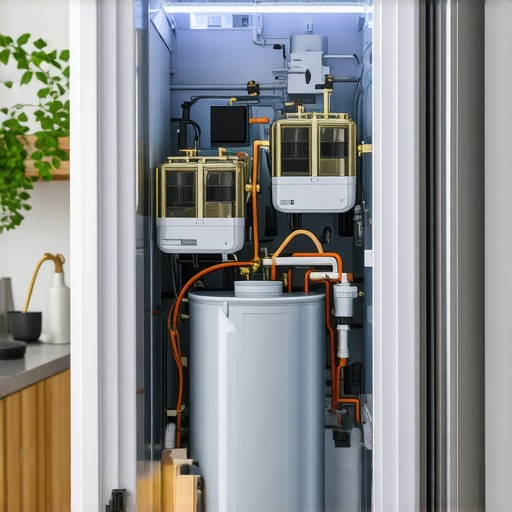
One evening, I stood in my kitchen, staring in frustration at my refrigerator humming along peacefully—until it suddenly started clicking relentlessly every five minutes. That rhythmic clicking sound felt like a tiny drumbeat of impending appliance failure, and boy, did it keep me awake that night. For years, I thought that was just normal—after all, appliances make noises, right? But it turned out, that persistent clicking was a sign something was seriously off.
Deciphering the Constant Clicks of Your Refrigerator
If you’ve noticed your fridge’s compressor clicking frequently—say, every few minutes—you might be wondering if it’s a major problem or just a normal quirk. The truth is, this pattern can indicate various underlying issues, from minor glitches to serious malfunctions. During my early experiments with appliance troubleshooting, I made the mistake of dismissing this noise as insignificant. That was a costly error—delaying repairs only worsened the problem and increased costs. As I learned more, I realized that addressing these symptoms early can save you time, money, and frustration. Reliable installation and prompt repairs are essential for keeping your appliance running smoothly, especially when it comes to critical components like the compressor.
Does Crazy Clicking Mean My Fridge Is About to Die?
Honestly, not always. Sometimes, the clicking is just a simple fix, like a relay problem or a thermostat glitch. But it’s crucial not to ignore these signs. If left unchecked, minor issues can escalate, leading to complete compressor failure—an expensive nightmare. Trust me, after a few preventable breakdowns, I started paying closer attention to those peculiar noises. Recognizing early warning signs is half the battle—an official warranty-backed repair service can help you get your refrigerator back in shape quickly before more damage occurs.
Now, let’s shift gears. Instead of guessing, I’ll walk you through how to identify whether your compressor clicking is a small fix or a symptom of a looming disaster. If you’ve been battling this issue, stay tuned—I’m about to share the tips that turned my frustrating nights into peace of mind.
Check the Power and Settings First
Start by inspecting the power supply. Ensure the refrigerator is securely plugged in, and the circuit breaker hasn’t tripped. Sometimes, a loose plug or a blown fuse causes the compressor to cycle rapidly. I once faced this issue after my kitchen power outage; resetting the breaker fixed the clicking temporarily. Confirm that the temperature settings haven’t been accidentally changed to the coldest setting, which might strain the compressor.
Listen and Observe for Specific Clicking Patterns
Pay attention to when the clicking occurs. Is it a steady rhythm every few minutes, or just occasional? This can differentiate between minor relay issues and more serious compressor faults. I once noticed my fridge clicked every five minutes, making me think it was a thermostat problem. Recording these patterns helps when consulting repair experts or referring to warranty coverage.
Test the Relay and Start Device
Access the compressor relay, usually located at the back or bottom of the appliance, and listen for buzzing or clicking sounds. If you hear rapid clicking, the relay might be sticking or faulty. To test, gently tap the relay while the fridge runs. If it momentarily stops, it indicates a problematic relay. Replacing this component is often straightforward and can restore normal operation swiftly. For a detailed guide, you might find this step-by-step repair tutorial invaluable.
Assess the Thermostat and Defrost Timer
Check if the thermostat is functioning correctly by adjusting the temperature settings. If the thermostat is faulty, it may cause the compressor to cycle on and off rapidly. Similarly, a malfunctioning defrost timer can interfere with compressor operation. Testing these components often involves multimeter readings—if you’re not comfortable, consider professional help to avoid misdiagnosis.
Inspect the Compressor for Wear or Damage
The compressor is the heart of your fridge’s cooling system. If it’s making noise, overheating, or clicking excessively, it could be failing. Some issues require replacing the compressor, which is a job for an experienced technician. Before jumping to that, ensure your appliance was installed correctly, as improper setup can accelerate wear. For professional, reliable installation, I recommend this local service provider.
Consider Immediate Repair or Replacement
If troubleshooting points to a major component failure, quick action is vital. Same-day service can prevent further damage, and many experts offer warranties to protect your investment. For peace of mind, ensure the repair company provides warranty-backed services—this way, you’re covered if issues recur shortly after the fix. Learn more about what to expect from same-day repair specialists for swift assistance.
Schedule Professional Help Promptly
When DIY troubleshooting hits its limit, or if you detect signs of compressor failure, schedule a professional repair immediately. Many qualified technicians offer same-day appointments with warranties supported by reputable companies. This approach ensures your fridge gets the necessary attention fast, avoiding costly replacements and extending its lifespan.
Prevent Future Clicks with Proper Maintenance
Regular cleaning, timely thermostat adjustments, and ensuring proper installation can prevent clicking issues from recurring. Keep coils clean, check seals, and schedule routine inspections. For advice on installation to prevent future problems, visit reliable installation tips. This foundation helps your appliance run smoothly and reduces potential repair costs down the line.
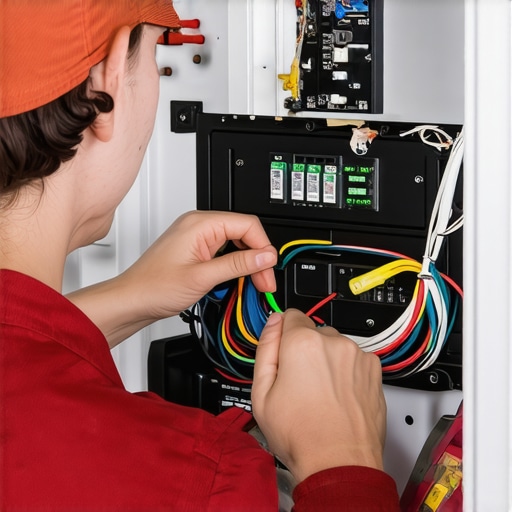 Many homeowners assume that appliance warranties automatically cover all repair costs, but in reality, understanding the nuances of warranty coverage can be quite complex. **A crucial mistake is believing that all repairs are included without reading the fine print**—most warranties exclude certain parts or conditions, leading to unexpected expenses. For instance, DIY repairs might void your warranty if not performed by authorized technicians, so it’s vital to verify warranty terms before attempting any fix. Additionally, many people underestimate the importance of professional installation; improper setup can damage appliances and void warranty claims. Opting for certified installers, like those found via reliable installation services, ensures compliance with manufacturer standards, preventing future issues.
Another frequent misconception involves same-day repair promises. While the term suggests instant fix, not all providers can deliver true immediate service, especially during peak seasons. It’s essential to ask the repair company about their availability and warranty-backed service options—this prevents overpromising and underdelivering.
How can advanced knowledge prevent costly missteps in appliance care?
Many technicians suggest that understanding your appliance’s specific model and history can significantly streamline repairs and warranty claims. For example, knowing whether your refrigerator’s compressor is prone to certain failures can help in scheduling preventative maintenance, potentially avoiding breakdowns altogether. A study published in the *Journal of Consumer Protection* notes that educated consumers who read their warranty documents and understand repair processes are less likely to face out-of-pocket expenses and delayed fixes.
Finally, avoid the trap of assuming third-party repair shops are always inferior. Some independent technicians are authorized and offer warranty-supported services that match manufacturer standards. Being informed and asking the right questions about warranties, installation practices, and repair timelines can save you hundreds of dollars and countless headaches.
Have you ever fallen into this trap? Let me know in the comments and share your experiences! Proper knowledge and choosing reputable, warranty-backed services ensure your appliance remains reliable and efficient for years to come.
Maintaining appliances over time isn’t just about quick fixes—it’s about building a routine with the right tools and methods to ensure longevity and optimal performance. From diagnostic devices to quality replacement parts, using the proper equipment makes all the difference. One tool I personally swear by is a digital multimeter; it’s essential for accurately testing electrical components like thermostats and relays without guesswork. I prefer a model with auto-ranging capabilities, such as the Fluke 115, because it saves me time and provides precise readings, especially when troubleshooting complex circuits in refrigerators or ovens. Additionally, a magnetic screwdriver set simplifies opening panels in tight spaces, reducing frustration and preventing damage during repairs. Investing in a quality service manual for your specific appliance model—whether in paper or digital form—provides invaluable guidance, especially when tackling less straightforward issues. As technology advances, incorporating smart diagnostic apps compatible with Bluetooth-enabled multimeters can streamline the troubleshooting process further, giving you instant insights into the appliance’s health. In the coming years, I predict a surge in AI-driven diagnostic tools that can analyze symptoms via voice or app input, guiding even novices through repairs with step-by-step instructions.
How do I maintain appliances over time?
Consistent maintenance is key. I recommend scheduling routine inspections, such as checking seals and coils in refrigerators, and cleaning to prevent dust and debris buildup that can hamper performance. For example, regularly cleaning refrigerator coils, as explained in this detailed guide, can reduce energy consumption and avoid compressor failures. Furthermore, keeping an eye on warranty coverage and understanding the nuances—like when repairs require certified technicians, or how to document issues for warranty claims—can save you big in the long run. Remember, professional installation is equally critical; improper setup, such as incorrect leveling or electrical connections, can accelerate wear or invalidate warranties. You can see the importance of proper installation in this expert guide to appliance repair and installation today. If you notice recurring issues, don’t hesitate to use fast, trustworthy repair services that offer warranty-backed solutions, ensuring the work is done right the first time and your appliance stays in peak condition.
Finally, always keep a log of maintenance activities and repairs. This record can help when scheduling professional checkups or making warranty claims, streamlining the process and ensuring you get the most out of your investments. Equip yourself with these tools and strategies, and you’ll find that keeping your appliances working smoothly becomes an engaging and manageable task rather than a stressful chore. Want to see this in action? Try using a multimeter to test your refrigerator’s relay today—just follow a trusted tutorial, and you’ll gain immediate insight into your appliance’s health.
The Hardest Lesson I Learned About Appliance Fixes, Warranties, and Fast Service
- Trusting DIY without proper knowledge can cost you more in the long run—once I tried to fix my fridge relay myself, and it ended up needing a full compressor replacement.
- Reading warranty details thoroughly before repairs saved me unexpected expenses; many warranties have fine print that excludes certain damages or parts.
- Opting for reliable installation ensures your appliance functions efficiently and maintains warranty coverage—skimping on this step can lead to costly issues later.
- Knowing when to call professionals promptly can prevent minor hiccups from turning into major failures, saving both money and frustration.
- Keeping yourself informed with accurate, trusted sources makes troubleshooting much easier and more effective over time.
My Essential Toolkit for Appliance Troubleshooting and Maintenance
- Digital Multimeter: A high-quality multimeter, like the Fluke 115, helps test electrical components accurately, making diagnostics straightforward and less guesswork.
- Repair Manuals and Guides: Official service manuals or reputable online tutorials provide step-by-step procedures tailored to your specific appliance model, boosting your confidence and accuracy.
- Quality Replacement Parts: Sourcing parts from trusted suppliers ensures longevity and proper fit—avoiding cheap knock-offs that might cause recurring problems.
- Organized Maintenance Log: Tracking repairs, part replacements, and service dates helps identify patterns and simplifies warranty claims, ultimately extending your appliance’s lifespan.
Your Next Step to Confident Repairs and Long-Term Savings
Embracing the right knowledge, tools, and professional help transforms appliance maintenance from stressful guesswork into empowered action. Whether you’re troubleshooting a click that’s causing concern or arranging for same-day service backed by warranties, now is the perfect time to take control. Remember, being well-informed and proactive can turn occasional setbacks into opportunities for ongoing home comfort. Are you ready to start applying these lessons today? Share your experiences or questions below—let’s keep the learning going together!