
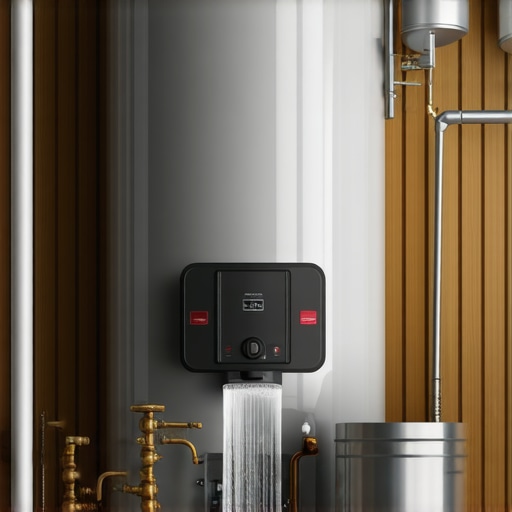
It was a cold Tuesday morning in November when my basement turned into an indoor pool. I stepped off the bottom stair straight into two inches of murky, lukewarm water. My water heater, a trusted family companion for only six years, had suffered a catastrophic tank failure. I stood there in my wet socks, utterly baffled. How did a relatively new appliance die so quickly? I later learned that I had neglected the single most critical preventative chore on my household checklist. If you want to avoid a frantic search for fast trustworthy appliance installation near you, you need to know about the anode rod.
Your Water Heater Has a Secret Bodyguard
Most homeowners assume their water heater is a maintenance-free metal box. We expect hot water to flow endlessly until the day the machine simply gets old and retires. But inside that tank, a silent war is being waged. Water is highly corrosive, and without a line of defense, it will eat through steel in a matter of years. That defense is a sacrificial anode rod. It is a long metal probe, usually made of magnesium or aluminum, that hangs down into the tank. Its sole purpose in life is to corrode instead of your tank. It sacrifices itself so your expensive appliance survives.
Is this tiny metal rod actually worth the hassle?
Yes, it absolutely is. According to energy and home safety experts, replacing a depleted anode rod every three to five years can easily double the lifespan of your tank. Yet, almost nobody does it. I certainly didn’t. I mistakenly thought that flushing the sediment out of the bottom of the tank was enough. That was a costly error. When the anode rod completely dissolves, the corrosive elements in your water immediately turn their attention to the steel walls of your tank. Once the tank rusts through, it cannot be patched. You are forced to buy a brand-new unit. Have you ever gone down to your basement only to find a puddle forming around your water heating system?
Understanding how these components interact is vital, especially when navigating the difference between a factory warranty and a service contract for your home appliances. Many manufacturers will void your tank warranty if they find the anode rod was completely neglected. Checking this rod is a simple, twenty-minute task that requires only a basic socket wrench, yet it remains the most skipped chore in home maintenance today.
How to Swap Your Anode Rod Before Your Basement Floods
Replacing this rod is like changing the oil in your car. If you ignore it, the entire engine seizes up. In this case, your entire steel tank rusts from the inside out. I remember the second time I attempted this on my neighbor’s unit, determined not to repeat my first flooded disaster. I forgot to shut off the cold water inlet valve first. The moment I loosened the threads, a jet of scalding water shot straight toward my face. It was a messy, embarrassing lesson in plumbing basics. To do this safely and efficiently, you only need to follow a few straightforward steps.
Turn off the power and the water source first
Never work on a live system. If you have an electric water heater, flip the dedicated breaker in your main electrical panel. For gas units, turn the control dial to the pilot setting. Next, shut off the cold water supply valve located at the top of the tank. Before you unscrew anything, release the internal pressure. Hook up a standard garden hose to the drain valve at the bottom of the tank and let out about two to three gallons of water. This prevents a volcanic eruption of hot water when you finally break the seal on the old rod.
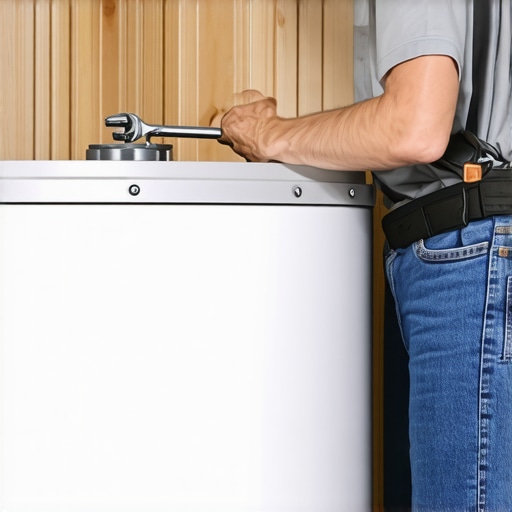
Loosen the rusted hex bolt with leverage
The anode rod is secured by a 1-1/16 inch hex bolt located on top of the water heater tank. Because these rods sit in hot water for years, the threads are almost always seized. A standard wrench won’t give you enough leverage. You will need a socket wrench paired with a long breaker bar. I keep a piece of steel pipe in my garage specifically to slide over my wrench handle for extra torque. Place the socket on the bolt, plant your feet, and pull counter-clockwise with steady, firm pressure. You will likely hear a loud crack as the factory seal breaks. Do not panic; that is just the metal threads releasing.
Pull out the old rod and prep the new one
Carefully pull the old rod straight up out of the tank. If you have low clearance in your utility closet, you can buy a flexible, segmented anode rod that bends easily into tight spaces. When you look at the old rod, it will likely resemble a corroded piece of wire hangers covered in white, chalky calcium buildup. Wrap the threads of your new magnesium or aluminum rod with Teflon tape to ensure a watertight seal, slide it back into the chamber, and tighten it down securely. Turn your water supply back on, bleed the air out of your hot water faucets upstairs, and check the top of the tank for any slow leaks. Taking these preventative measures is just as crucial as knowing how to prove you maintained your HVAC for a warranty claim or keeping up with your other major home utilities.
When DIY gets too risky for your schedule
While this is a straightforward maintenance task, things can go wrong quickly. If the hex head is completely stripped or if the tank begins to wobble dangerously while you apply leverage, it is time to step back. Forcing a stubborn bolt can crack the internal glass lining of your tank, turning a cheap maintenance task into an expensive replacement. If you hit a wall, looking for expert guide to appliance repair and installation today will connect you with a professional who can swap the rod in minutes without risking your system integrity.
When you are staring at a flooded utility closet or a dead refrigerator, your first instinct is to find immediate relief. We scramble to book the quickest technician available, convinced that speed is the only metric that matters. But in my years of maintaining residential systems, I have seen this frantic rush lead to a much bigger financial headache down the road. Let us dig deeper into the actual mechanics of emergency home service, because what most homeowners believe about modern repair guarantees is fundamentally wrong.
The Illusion of the Immediate Quick Fix
Everyone says you should find a company promising immediate turnaround, but in my experience, rushing a repair without verifying the administrative fine print is a recipe for disaster. The industry-wide push for immediate resolution has created a major loophole. Technicians are pressured to complete jobs rapidly, which often leads to the installation of universal, low-quality parts that do not play well with your specific machine. You might think you solved the issue, but you have actually set a ticking time bomb inside your control board.
Furthermore, hasty scheduling can completely void your existing coverage if the technician is not authorized by your specific manufacturer. It is easy to search for scheduling your appliance repair for same-day service in 2025, but if you do not ask if they are certified for your brand, you are playing Russian roulette with your appliance’s long-term health. Have you ever fallen into this trap? Let me know in the comments.
Why do warranty companies deny claims after emergency repairs?
According to a comprehensive study on consumer protections by the Consumer Federation of America, a vast majority of home warranty disputes stem from unauthorized emergency work. If you do not obtain pre-authorization from your warranty provider before the technician turns a wrench, your claim will almost certainly be denied. Many homeowners assume that an emergency situation bypasses this rule. It does not. Even if your basement is actively filling with water, you must still document the failure and call the hotline first.
Understanding this bureaucratic trap is why I always advise keeping a record of every maintenance step. Knowing how to document appliance damage for a warranty payout is your absolute best defense against a denied claim. If you cannot prove that the breakdown was sudden and that you made a reasonable attempt to contact your provider, you will end up paying the entire bill out of pocket.
The Critical Difference Between Speed and Quality
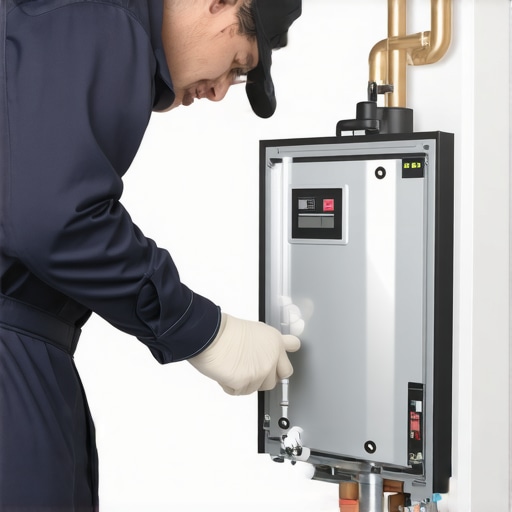
Another common myth is that all warranty-backed services are identical. There is a massive distinction between a service that offers its own short-term labor guarantee and a factory-authorized service that preserves your multi-year manufacturer warranty. If a local shop fixes your system using non-OEM parts, they might offer a 90-day warranty on their work, but they have permanently killed your remaining five-year manufacturer coverage. Always demand OEM (Original Equipment Manufacturer) parts, even if it means waiting an extra day for delivery.
If you find yourself overwhelmed by the technicalities or the physical labor of maintaining complex household machinery, do not force it. Utilizing professional resources like an expert guide to appliance repair and installation today can help you find certified, reputable local technicians who respect your warranty constraints. Balancing urgency with proper certification is the only way to protect both your comfort and your wallet over the long haul.
When you shift your perspective from reactive panic to active prevention, your relationship with your household machinery changes completely. Over the years, I have stopped relying on basic adjustable wrenches and started investing in highly specific diagnostic tools that save me thousands in unnecessary service calls. If you want to keep your heavy-duty appliances running without constant professional intervention, you need a strategy that relies on precision, not guesswork.
How do I maintain my major household appliances over time?
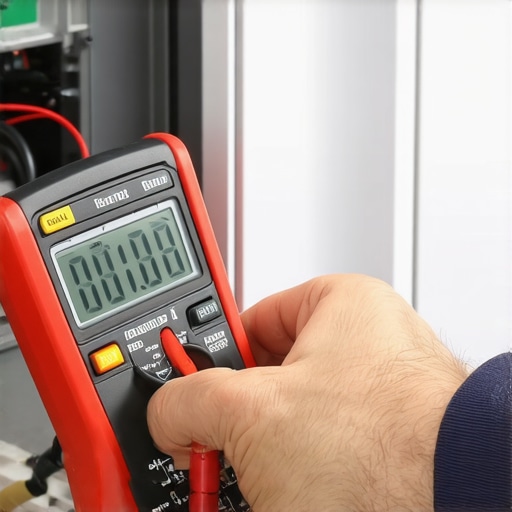
The secret lies in establishing a strict, digital maintenance schedule and using the exact diagnostic tools the pros use. I personally rely on a digital multimeter with microamp resolution to test flame sensors on gas furnaces and water heaters, and a non-contact infrared thermometer to check real-time cooling efficiency. For example, knowing how to tell if your refrigerator needs new freon or a clean coil is incredibly easy when you can measure the temperature differential across your evaporator coils in ten seconds flat.
As we look toward the future, home maintenance is rapidly moving toward predictive AI diagnostics. Within the next five years, built-in smart sensors will likely alert us to failing bearings or heating elements weeks before they actually break down, completely changing how we handle repairs. But until that tech is standard in every household, we still need to rely on manual, hands-on checks and quality support systems.
When you do need to bring in external help for complex system overhauls, you must make sure that your documentation is flawless so you do not lose your coverage benefits. Homeowners often overlook how easy it is to secure affordable same-day appliance fixes with warranty benefits if they simply keep their digital receipts and maintenance logs organized on a secure cloud drive. According to HVAC and appliance engineering guidelines from the American Society of Heating, Refrigerating and Air-Conditioning Engineers (ASHRAE), maintaining unrestricted airflow and clean heat-transfer surfaces is the single most important factor in preventing premature system failure. If you want to put this advice into action today, I highly recommend downloading your appliance manuals, logging your next filter and coil cleaning dates, and sticking to that schedule like clockwork.
When you shift your perspective from reactive panic to active prevention, your relationship with your household machinery changes completely. Over the years, I have stopped relying on basic adjustable wrenches and started investing in highly specific diagnostic tools that save me thousands in unnecessary service calls. If you want to keep your heavy-duty appliances running without constant professional intervention, you need a strategy that relies on precision, not guesswork.
The Hardest Lessons I Learned About Emergency Repair Claims
Through years of managing unexpected household breakdowns, I have discovered that the administrative side of repairs is often more complex than the mechanical fixes. Here is the unvarnished truth about navigating home service systems:
- The speed trap: Prioritizing the fastest response time without verifying technician credentials almost always results in a voided manufacturer warranty.
- Part mismatching: Cheap, third-party components might resolve an immediate issue but will rapidly degrade the overall efficiency of your system.
- Lack of pre-authorization: If you do not call your warranty provider before initiating an emergency repair, you will likely be stuck paying the entire bill yourself.
- The documentation gap: Without structured maintenance logs, proving a failure was sudden and accidental is nearly impossible.
My Essential Toolkit for Protecting Your Home Systems
You do not need a truck full of specialized gear, but keeping a few reliable resources and tools on hand will save you thousands of dollars and hours of frustration:
- A High-Quality Digital Multimeter: Essential for checking voltage consistency and testing igniters, elements, and switches safely.
- A Professional Digital Maintenance Log: A secure cloud drive where you upload time-stamped photos of your maintenance work. Knowing how to document appliance damage for a warranty payout is your ultimate shield against claims adjusters looking for an excuse to deny coverage.
- Trusted Manufacturer Directories: Always keep direct links to certified local service groups. Utilizing resources like an expert guide to appliance repair and installation today will ensure you only hire technicians authorized to preserve your long-term warranty benefits.
Stop Waiting for Your Household Systems to Break
It is incredibly easy to ignore your major utilities until the day they stop working, but real peace of mind comes from taking control of your maintenance schedule. Take twenty minutes this weekend to look up your water heater’s anode rod location, inspect your refrigerator coils, and organize your warranty documents. If you ever feel overwhelmed by a complex issue, remember that secure, affordable same-day appliance fixes with warranty benefits are always available through the right channels. Have you ever faced a sudden home disaster because of a skipped maintenance chore? Let me know in the comments below.