
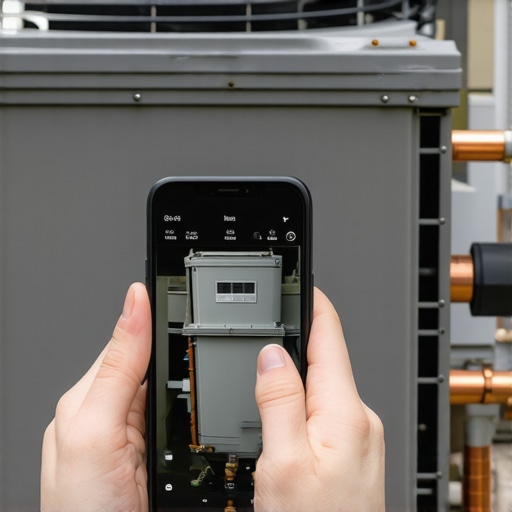
It was 98 degrees in my living room, and the only thing colder than my ice water was the reception I got from the warranty adjuster. I stood there, phone in hand, looking at a grainy, out-of-focus shot of my HVAC’s serial number, thinking it was my golden ticket to a free compressor. It wasn’t. I had the paperwork, I had the professional installation, but because I couldn’t prove the state of the unit before the technician started poking around, I was stuck with a bill that looked more like a mortgage payment. It was a brutal wake-up call that simply having a warranty and actually getting a warranty claim approved are two very different things. I remember the sweat stinging my eyes as I tried to hold the flashlight steady, realizing that my lack of preparation was about to cost me three grand. I felt defeated, but that moment was my lightbulb moment. I realized that if I wanted the manufacturer to pay up, I had to stop acting like a frustrated homeowner and start acting like a forensic investigator.
The Brutal Truth About Why Your Photos Are Getting Rejected
Most of us treat warranty claims like a quick snapshot for Instagram, but the manufacturer is looking for a crime scene investigation. I learned the hard way that a blurry photo of a model number won’t cut it when thousands of dollars are on the line. Last summer, I completely botched a claim because I ignored the hvac filter direction error that strains your motor, and I didn’t have the photos to prove I’d been changing them correctly. I thought I was being thorough, but I missed the context shots that adjusters use to look for signs of neglect. Today, I’m going to pull back the curtain on the exact angles, lighting, and specific components you need to capture to make it impossible for them to say no. Whether you are dealing with same day appliance repair quick solutions with warranty support or a long-term installation issue, the camera is your best defense. I’ll show you exactly how to document your system so that the next time a part fails, you’re holding all the cards.
Is the warranty company just trying to scam me?
It certainly feels like it when they ask for a photo of a part you can’t even name. But here is the reality: according to data from Consumer Reports, a significant portion of warranty denials stem from insufficient documentation rather than actual policy exclusions. They aren’t necessarily out to get you, but they are looking for any reason to keep their money in their own pockets. If you don’t show them how to prove periodic maintenance to keep your warranty valid through clear, timestamped images, you’re basically handing them a excuse to walk away. I once sent in a photo of a leaked coil that was so poorly lit it looked like a Rorschach test; the adjuster didn’t see a manufacturer defect, they just saw an excuse to close the file and move on.
The One Mistake That Costs Homeowners Thousands
Early in my journey, I assumed the technician would take the photos for me. Big mistake. Technicians are busy, and their priority is the repair, not your paperwork. I remember one instance where I didn’t verify if my tech followed the one maintenance record that saves your appliance warranty claim protocol, and by the time the unit was ripped apart, the evidence of the original fault was gone. You need to be the lead investigator of your own mechanical failures. Have you ever had a claim denied because of a missing photo you didn’t even know you needed? Tell me about your horror stories—I have probably lived through them too. If you are currently staring at a broken AC, do not touch a single screw until you have followed the specific photo steps I am about to lay out for you.
Capture the Crime Scene Before the Clean-up
The first thing you need to do is stop the urge to tidy up. When a pipe bursts or an HVAC unit starts spitting ice, our instinct is to grab a mop. Don’t. Think of your appliance like a crime scene where the evidence is fleeting. You need a wide-angle shot that shows the unit in its natural habitat. This isn’t just about the machine; it is about the installation environment. I learned this the hard way when a dishwasher leak was blamed on my flooring rather than the pump. If you had an expert guide to appliance repair and installation today, you would know that adjusters look for external factors to deny your claim. Capture the puddles, the surrounding cabinetry, and any vents nearby. This ‘context shot’ proves that your home environment wasn’t the cause of the failure, and it establishes a baseline for the severity of the issue before anyone starts turning wrenches.
Give Your Claim a Valid Passport
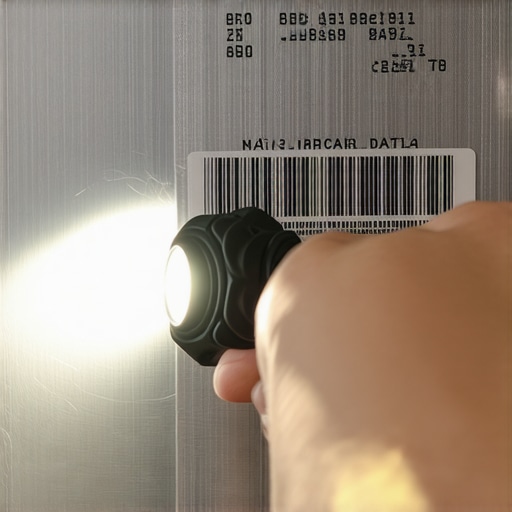
Every piece of equipment has a passport—its model and serial number plate. If this photo is blurry, your claim is dead on arrival. I once spent forty minutes arguing with a rep because a ‘3’ on my fridge tag looked like an ‘8’ in the photo. It felt like I was trying to cross a border with a forged document. To avoid this, use a flashlight even if the room is bright. Direct light from the side can help the engraved letters pop. This tag is the most important link between your purchase and your coverage. If you are dealing with fast trustworthy appliance installation near you, ensure the installers didn’t place the unit so close to a wall that the tag is inaccessible. If they did, take the photo now before you have a problem. Adjusters use these numbers to verify the manufacturing date and ensure the parts they are paying for actually belong to that specific machine.
Spotlight the Culprit Without the Guesswork
Once you’ve established what the machine is, you need to show exactly what broke. This is where most homeowners fail because they don’t get close enough. You need to treat your phone like a microscope. If a capacitor is bulging or a belt is frayed, get a macro shot. I remember helping a neighbor with a washing machine that sounded like a jet engine. We found that the tech had missed the shipping bolt error that ruins new washing machines, but because we had a clear, dated photo of the bolts still in the back, the manufacturer couldn’t claim ‘normal wear and tear.’ When you are in the heat of a breakdown, especially during maximize your appliance warranty during emergency repairs situations, take a video of the sound the machine is making. A video of a grinding bearing is worth more than a dozen still photos of a motor that looks fine but sounds like a blender full of marbles.
Show Them the Maintenance Receipt
The final blow to a warranty adjuster’s denial is proof of care. They want to see that you didn’t just ‘set it and forget it.’ This means taking photos of your clean filters, your clear drain lines, and your well-kept coils. I keep a digital folder of my HVAC filter changes because I know they will try to claim ‘restricted airflow’ the moment a compressor dies. If you don’t have the one maintenance record that saves your appliance warranty claim, your photos of a clean unit are your secondary defense. Use the ‘burst’ mode on your camera to get clear shots of the internal components. If you are currently struggling with a denial, knowing how to challenge a warranty claim rejection for your fridge often starts with submitting a photo of a spotless condenser coil. It proves you did your part. When you can show a history of how to prove periodic maintenance to keep your warranty valid through a simple photo log, you move from being a ‘suspect’ to being a responsible owner who deserves a payout.
While most homeowners focus on the urgency of a fix, I’ve found that the obsession with speed is often what kills a claim before it even starts. Everyone screams for immediate help when the fridge dies, but here is the contrarian truth: chasing a ‘same-day’ technician without preparing your evidence is the fastest way to get your claim denied. In my years of dealing with adjusters, I’ve seen that the biggest threat to your payout isn’t the broken part; it’s the lack of a ‘before’ narrative. When you are looking for top tips for same day service warranty coverage, the emphasis is usually on getting a tech to your door. But if that tech arrives and starts dismantling the unit before you have captured the exact state of the failure, you’ve lost your leverage. Manufacturers love to claim ‘unauthorized tampering’ or ‘secondary damage’ if they don’t see the initial fault in its original context. Have you ever fallen into this trap? Let me know in the comments.
Why Speed Can Actually Kill Your Warranty Claim
In the world of professional service, there is a metric called ‘First-Time Fix Rate.’ According to a 2023 report by the Service Council, technicians are under immense pressure to resolve issues on the first visit to maintain high efficiency scores. This means their priority is often speed, not the meticulous documentation required by your warranty provider. If you rely on the tech to take the photos, you are gambling with your money. I once watched a tech accidentally wipe away a crucial oil stain on a compressor—the very evidence of a refrigerant leak—before I could snap a photo. Without that visual proof, the manufacturer claimed the unit simply needed a recharge, which wasn’t covered under the ‘parts replacement’ clause. You must be the one to freeze the moment in time. This is especially true when navigating maximize your appliance warranty during emergency repairs; the chaos of the moment is no excuse for poor documentation.

Does Your Repair Plan Have a Built-in Failure Point?
Beyond the physical machine, there is a nuance most people miss: the fine print regarding environmental conditions. A common advanced mistake is failing to document the power source. I’ve seen claims for expensive control boards denied because the manufacturer suspected ‘dirty power’ or a lack of proper grounding. If you don’t have a photo of your unit plugged into a dedicated, grounded outlet, they can argue the failure was external. This is a classic example of the grounding error that makes your smart stove controls glitch being used as a weapon against the homeowner. Before the tech even arrives, take a photo of your electrical panel and the outlet the appliance is using. This proactively shuts down the ‘improper installation’ argument before they can even bring it up.
The Hidden Saboteur in Your Service Contract
You also need to be wary of what I call the ‘nuance of the diagnostic fee.’ Many homeowners are shocked to find that even with a ‘full’ warranty, they are on the hook for the initial visit. This is often part of the deductible trap in most third party appliance protection plans. If the tech finds a ‘non-covered’ issue—like a clogged drain line—you pay the fee and the repair. However, if you have a photo showing the drain line was clear and the pump itself was cracked, you can pivot the conversation. This level of detail is what separates a successful claimant from a frustrated payer. If you find yourself in a standoff, knowing how to challenge a warranty claim rejection for your fridge depends entirely on the ‘forensic’ evidence you gathered in those first ten minutes of the breakdown. Referencing an expert guide to appliance repair and installation today will tell you that the burden of proof is always on the owner, not the manufacturer. Don’t let the pressure of a broken appliance make you skip the most important step: becoming the lead investigator of your own home.
Invest in the One Tool That Never Lies
If you want to move from being a frustrated homeowner to a warranty-winning expert, you need to stop guessing. My secret weapon isn’t a massive toolbox; it is a high-quality digital multimeter and, increasingly, a thermal imaging attachment for my smartphone. Why? Because manufacturers love to hide behind ‘normal operation’ when a component is clearly failing. I started using a Fluke 117 because of its low-input impedance, which prevents ‘ghost voltages’ that can mislead your diagnosis. When I can show a technician—or an adjuster—a photo of a reading that deviates from the manufacturer’s specifications, the conversation changes instantly. This is particularly vital when you are performing the capacitor test that saves your ac compressor. Having your own data means you aren’t at the mercy of whatever the tech happens to find that day. It provides a level of warranty backed appliance services you can rely on because you are providing the baseline evidence yourself.

How do I maintain my appliance warranty over the long haul?
Maintenance isn’t a one-time event; it is a lifestyle for your home’s mechanical systems. To keep your coverage intact, you must create a ‘Chain of Custody’ for every repair and cleaning. I recommend using a dedicated app or even just a shared cloud folder where every receipt, photo of a clean filter, and service invoice is stored by date. This is where you leverage the maintenance contract clause that saves you on labor costs. Most people sign these contracts and forget them, but the real value is in the paper trail they create. If you have an annual professional inspection on record, it becomes nearly impossible for a manufacturer to claim ‘owner neglect.’ According to the NFPA 70B standard for electrical equipment maintenance, consistent thermal monitoring and cleaning can extend the life of high-draw appliances by nearly 30%. When you document these proactive steps, you’re not just fixing things—you’re bulletproofing your financial future against the next inevitable breakdown.
The Future of Repair Is Already in Your Pocket
We are moving toward an era of ‘self-diagnosing’ appliances, but don’t let that lull you into a false sense of security. Smart appliances might tell you they are broken, but they won’t fight the warranty company for you. In the next five years, I predict we will see adjusters requiring video ‘walk-throughs’ via secure apps before they even dispatch a technician. This is why mastering your documentation now is so critical. Whether you are looking for affordable same day appliance fixes with warranty benefits or managing a complex HVAC installation, the data you collect today is your currency. My advanced tip for you: next time you have a technician over, ask them to show you the ‘static pressure’ reading on your HVAC or the ‘ohm’ reading on your oven element, and take a photo of their meter. It shows you know your stuff, and it makes them much less likely to cut corners on the paperwork. Try this on your next service call—you’ll be amazed at how much more thorough the technician becomes when they know you’re keeping a forensic record.
Why I Stopped Trusting the Technician With My Documentation
Over the years, I’ve realized that the difference between a check in the mail and a rejected claim is rarely about the part itself and almost always about the story you tell. One lightbulb moment for me was realizing that a technician’s job is to fix, not to protect your wallet. If you don’t take your own photos, you are essentially letting a stranger manage your financial recovery. I also learned that timestamped metadata on your phone is your best friend; never send a blurry screenshot when you can send the original high-resolution file. #IMAGE_PLACEHOLDER_E# Taking ten extra minutes to document the ‘before’ state can save you thousands in ‘after’ costs when an adjuster tries to claim neglect.
The Forensic Kit Every Homeowner Needs
You don’t need to be a professional, but having a few specific tools will make your documentation undeniable. I swear by my Fluke 117 Multimeter because it eliminates the ‘ghost voltages’ that adjusters love to use as an excuse to deny electrical failures. For hard-to-reach areas, a thermal imaging camera attachment for your smartphone can show a hot circuit or a frozen coil in a way a standard photo never could. Finally, I recommend using a shared cloud storage folder to store every receipt and photo. When you can send a link to a full service history, the adjuster knows you’re not someone they can easily brush off. If you’re ever unsure about what to record, checking an expert guide to appliance repair and installation today can help you identify the critical components.
Stop Being a Victim of the Fine Print
At the end of the day, your warranty is a legal contract, and you are one of the signing parties. You have the right to hold the manufacturer accountable, but you must provide them with the evidence they need to say yes. It can feel intimidating to stand up to a multi-billion dollar company, but remember: your documentation is your voice. By shifting your mindset from a passive consumer to an active investigator, you ensure that you receive the warranty backed appliance services you can rely on. Don’t let the fear of the hidden costs of diy repairs on warranty covered items stop you from doing the basic work of documentation. If you need help with a specific claim, feel free to contact us for guidance. You’ve got this, and your bank account will thank you.
Have you ever had a warranty claim denied for a reason that felt totally unfair? Let me know your story below—let’s figure out how to win the next one together!