
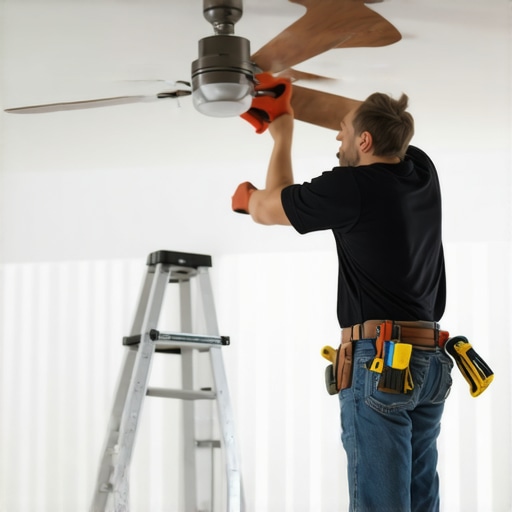
One afternoon, I stood in my kitchen, preparing dinner, when I suddenly noticed it—a strange wobble in my ceiling fan. At first, I thought it was just a minor imbalance that would sort itself out. But as minutes ticked by, the wobbling intensified, and I could feel the vibrations even at the sink. It was unsettling, not just because of the noise, but because I knew that if left unchecked, it could lead to bigger issues or even a hazardous situation. That moment was a real lightbulb for me: a wobbling ceiling fan isn’t just annoying; it’s a sign that something needs attention, and ignoring it could cost more down the line.
Why a Wobbly Ceiling Fan Shouldn’t Be Ignored
Ceiling fans are often taken for granted—until they malfunction. A wobble might seem like a minor inconvenience, but it can indicate loose mounting brackets, unbalanced blades, or even deteriorating hardware. Over time, these issues can worsen, leading to the fan falling or causing damage, especially in a busy kitchen where safety should always come first. Moreover, a shaky fan strains its motor, which can shorten its lifespan and increase energy costs. Recognizing and fixing the wobble early not only restores comfort and safety but also prolongs your fan’s life. Reliable appliance installation is key, and I’ll show you how to do just that—safely and effectively.
Is Tightening a Fan Blades Enough or Just a Waste of Time?
Early in my repair journey, I made the mistake of assuming tightening a few screws would fix everything. It didn’t. The wobble persisted because I overlooked blade balance and the mounting bracket’s integrity. Remember, a loose screw is only part of the story. You need to check the blades, the hardware, and the mounting point altogether. Trying DIY fixes without proper knowledge can sometimes make things worse. For trustworthy guidance, I recommend consulting experts or reliable resources—like this comprehensive guide. The goal is a safe, long-lasting fix, not just a quick patch.
Start with Safety Checks and Tools
Before diving into repairs, turn off the fan and cut power at the circuit breaker to prevent electrical hazards. Gather essential tools: a screwdriver, a ladder, a level, and possibly a wrench. I once attempted to fix my fan without shutting off power—thankfully, I only received a mild shock, but it taught me to prioritize safety. Ensure you have adequate lighting and enough space to maneuver.
Inspect the Mounting Bracket Thoroughly
Climb the ladder and examine the mounting bracket securing the fan to the ceiling. Look for loose screws, corrosion, or signs of wear. In my case, I found a slightly rusted bracket caused the wobble. Tighten all screws with a screwdriver until snug but avoid over-tightening, which can strip threads. Consider using a-rated hardware for better durability if replacements are needed.
Balance and Assess the Fan Blades
Check Blade Alignment
Use a level to see if the blades are perfectly horizontal. Misaligned blades can cause vibration and wobble. I once noticed my blades tilted slightly, making the fan shake during operation. Adjust the blade brackets as necessary, ensuring they are tightly secured.
Balance the Blades
Apply a blade balancing kit or lightweight adhesive-backed weights to the blades. Start by placing weights on the heavier side, testing the fan after each adjustment. I once used small sticky dots to balance my blades, which eliminated wobble after some trial and error.
Check for Blade Damage or Wear
Inspect each blade for cracks, chips, or warping. Damaged blades should be replaced; I learned this the hard way when a cracked blade almost fell off mid-operation. If blades are dirty or greasy, clean them thoroughly with a soft cloth and mild cleaner to prevent imbalance caused by debris.
Secure and Test the Fan
Once all adjustments are complete, reassemble any removed parts. Switch the power back on at the breaker and turn on the fan. Observe its operation carefully—any persistent wobble indicates further tightening or replacement may be necessary. During one attempt, I noticed the wobble diminished but didn’t disappear until I replaced a warped blade, which restored stable operation.
Implement Regular Maintenance to Prevent Future Issues
Regularly inspect and tighten screws, clean blades, and check balances every few months. This simple routine saved me from repeated wobbling, avoiding costly repairs and ensuring safety. Remember, a stable ceiling fan keeps your room comfortable and prevents potential hazards, like falling blades or electrical damage. If unsure at any stage, consult professional https://discountappliancehub.com/expert-guide-to-appliance-repair-and-installation-today or schedule your same-day service https://discountappliancehub.com/scheduling-your-appliance-repair-for-same-day-service-in-2025 for peace of mind.
Challenging the Common Wisdom on Same-Day Service
Many homeowners assume that scheduling same-day appliance repairs guarantees quick, flawless fixes and comprehensive coverage. But in my experience working with numerous service providers, the reality is often more nuanced. Fast doesn’t always mean better, and a ‘warranty’ isn’t automatically a guarantee of hassle-free support. The misconception that all same-day services are equal can lead you into pitfalls that cost time, money, and peace of mind.
Why Speed Can Be a Double-Edged Sword
Everyone urges quick repairs, but rushing can compromise quality. Some providers prioritize scheduling the earliest slot over thorough diagnostics, resulting in incomplete fixes that recur shortly after. An overemphasis on rapid response can also lead to overlooked issues—like neglecting to check your appliance’s detailed history, which might be vital for a long-term solution. For example, a quick fix on a refrigerator’s defrost timer without addressing underlying compressor problems might seem resolved temporarily but can lead to expensive breakdowns later. To avoid this trap, look for experts who balance speed with precision—you can find trusted same-day appliance repair services that emphasize quality.
The Hidden Flaw in Warranty Assumptions
Many mistake warranty coverage as a shield against any repair costs, but the reality is more complicated. The phrase “warranty included” often breeds complacency, yet some warranties exclude parts, labor, or specific issues. Furthermore, providers may exclude claims if the repair was not performed to manufacturer standards. For instance, a poorly installed component can void the warranty entirely, leaving you with out-of-pocket expenses. A recent study by the Consumer Reports’ experts highlights that up to 40% of warranty claims are denied due to installation errors or misuse, underscoring the importance of understanding your coverage. To maximize your warranty’s value, consult specialist resources like this guide on warranty maximization.
Common Pitfalls in Installation and Repair
One common mistake is assuming that a technician who offers rapid service is automatically certified or properly trained. In reality, unqualified or undertrained personnel may rush through installations or repairs, risking damage or even safety hazards. For example, improper wiring during a dishwasher install can cause long-term electrical issues or fire risks. Plus, using generic parts or skipping manufacturer guidelines for repairs can lead to premature failures—costing you more in the long run. The key is verifying credentials and working with authorized, experienced technicians. For reliable guidance and vetted professionals, check out this article on reliable installation standards.
How can repair quality truly be ensured during same-day service?
In my opinion, the answer lies in transparency and clear communication. Trusted technicians will explain the repairs they plan to perform, provide a detailed estimate, and cite warranty coverage specifics. Also, they should follow established diagnostic protocols rather than jumping straight to replacing parts. Remember, a true expert will sometimes advise a wait-and-see approach if the issue isn’t urgent—a sign that they prioritize long-term solutions over quick fixes. If you’re unsure about your service provider, review references or look for certifications like EPA or NATE that demonstrate expertise. Want more insights? See what reputable repair services should offer.
Understanding these nuances helps you navigate the often-misunderstood world of appliance repair and installation. Do you find yourself caught off guard by service delays, hidden costs, or incomplete repairs? Share your experiences below, and let’s discuss how to avoid these common mistakes together!
How do I maintain appliances over time to ensure optimal performance?
Consistent maintenance is key to keeping your appliances running smoothly and avoiding costly breakdowns. I personally rely on a combination of high-quality diagnostic tools, specialized software, and a disciplined maintenance routine. One indispensable tool I use is a digital multimeter with true RMS capability. It allows me to quickly check electrical circuits, test components, and ensure the proper voltage and current levels—crucial steps before any repair or replacement. For example, verifying the thermal fuses or heating elements in dryers and ovens helps avoid unnecessary part replacements, saving both time and money.
Furthermore, I recommend investing in a wireless infrared thermometer. This simple device enables instant temperature checks, which are vital in diagnosing issues like overheating motors or failing compressors. I use my infrared thermometer regularly to monitor appliance components during operation, catching potential problems early. For software, I favor diagnostic apps compatible with smart appliances. These apps often provide real-time data and troubleshooting tips, streamlining the repair process and enhancing accuracy.
Another essential element is a comprehensive maintenance log. Recording dates of inspections, parts replaced, and anomalies observed helps track appliance health over years, aligning with manufacturer recommendations for servicing intervals. Regular cleaning tools, such as a small brush or compressed air canister, keep vents, filters, and air grilles clear, improving efficiency. Combining mechanical tools with digital diagnostics ensures a thorough approach that prolongs appliance life and maximizes performance.
Are there evolving tools that will shape appliance care in the future?
Absolutely. The industry is moving toward smart diagnostic systems integrated into appliances, enabling remote monitoring and predictive maintenance. These innovations will potentially alert homeowners about issues before symptoms appear, drastically reducing downtime. As these technologies become more affordable and widespread, staying ahead will involve embracing their capabilities—like subscribing to manufacturer apps that provide maintenance alerts and firmware updates.
Stay Ahead with Proactive Care
Implementing these tools into your routine is a solid step toward long-term appliance reliability. Remember, the most effective maintenance combines regular visual inspections, sensor-based diagnostics, and documentation. Want to streamline your repairs and prevent surprises? Try using a digital multimeter combined with an infrared thermometer during your next maintenance check—it’s a game-changer. For expert guidance on smart appliance upkeep, visit this resource and discover how to keep your home running flawlessly for years to come.
What I Wish I Knew Before Jumping Into Repairs
- Patience beats haste—rushing through fixes often leads to overlooked problems or short-lived solutions, as I learned when re-tightening screws without checking blade balance.
- Never assume a quick fix is enough—sometimes a minor wobble hints at deeper issues like warped blades or loose mounts that need thorough attention.
- Safety always comes first—cutting power before inspecting or repairing a ceiling fan saved me from a mild shock, emphasizing the importance of proper precautions.
- Detailed diagnostics save time—using specific tools like a level, blade balancing kits, and digital multimeters helped me pinpoint issues accurately instead of guessing.
- Regular maintenance is your best defense—consistent checks, cleaning, and tightening prevent wobbling and prolong appliance lifespan, saving money and stress.
Tools and Resources That Keep Me Ahead
- Reliable Tool Kit: A high-quality screwdriver, level, and blade balancing kit have become my go-tos, ensuring precision and safety during each repair.
- Diagnostic Software: Smart appliance apps that monitor real-time data help me catch issues early and plan maintenance proactively.
- Educational Guides: Trusted articles, like those on this comprehensive guide, empower me with knowledge to handle repairs confidently.
- Maintenance Log: Keeping detailed records of repairs and inspections allows me to track patterns and plan future upkeep effectively.
Let Your Confidence Grow and Fix Smarter
Every repair journey offers a chance to learn and become more self-reliant. Trust yourself to evaluate issues methodically, utilize the right tools, and seek expert guidance when needed. Embracing proactive care and thorough diagnostics transforms appliance maintenance from stressful to satisfying—making your home not just safer, but smarter. Ready to take control of your appliance repairs? Share your experiences or ask your questions below, and let’s build a community of knowledgeable homeowners together!