
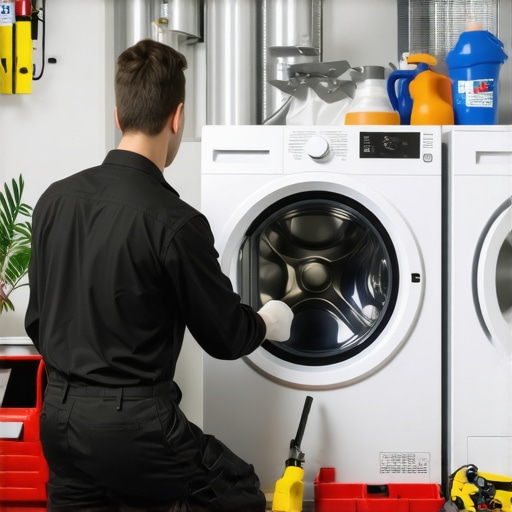
Just last month, I found myself battling a stubborn lint buildup behind my dryer that seemed impossible to tackle. After a quick inspection, I realized the venting system might not be up to safety standards, putting my home at risk. That lightbulb moment made me wonder: how can you confidently prove your dryer venting is safe and compliant? If you’ve ever felt unsure about whether your dryer vent is safe, you’re not alone. Many homeowners overlook this crucial aspect until a minor issue turns into a major hazard.
The Real Reason to Check Your Dryer Vent’s Safety
Ensuring your dryer venting meets safety standards isn’t just about avoiding fines or inspections—it’s about protecting your home and loved ones from potential fires caused by lint buildup or improper venting. According to the National Fire Protection Association, failure to clean dryer vents is the leading cause of home clothes dryer fires, accounting for hundreds of fires annually. Knowing that my own neglect could have serious consequences pushed me to get to the bottom of it. Today, I’ll share how you can confidently demonstrate your venting system is safe, backed by my own experiences and some practical tips.
Is Verifying Vent Safety Actually Worth the Hassle?
When I first started looking into this, I wondered if the effort was really necessary. Surely, if the dryer works fine, my vent must be okay, right? Well, I made the mistake early on of assuming that a quick visual check was enough. That was a rookie error. A professional inspection revealed that my vent system had partial blockages that I couldn’t see with the naked eye. This risked not only fires but also increased energy costs. Trust me, investing time in proving your vent’s safety is well worth it. If you want peace of mind and to avoid costly emergencies, it’s a step you shouldn’t skip.
If you’re ready to ensure your dryer vent system is safe and up to standards, let’s dive into how you can do that effectively. Whether you choose a professional inspection or a DIY approach, knowing what to look for is key. And if you need trustworthy experts, check out https://discountappliancehub.com/what-to-expect-from-same-day-appliance-repair-experts for guidance on reliable services. Now, let’s examine how to start this process with confidence.
Conduct a Visual Inspection First
Start with a thorough visual check of your vent system. Look for obvious signs like lint buildup, crushed or disconnected pipes, or any visible obstructions. During my own inspection, I noticed a sagging section of pipe that could trap lint or moisture. Use a flashlight to peer into duct ends for blockages. Remember, superficial checks are just the starting point—unseen issues require deeper investigation.
Test Airflow Effectively
Next, verify if air is flowing freely through your vent. Disconnect the duct from your dryer and run it briefly while the dryer is on. Feel for a strong airflow at the outlet. If it’s weak, lint buildup or partial blockages may be restricting airflow. I once used a piece of tissue paper at the vent end; if it didn’t move, I knew airflow was compromised. This simple test can reveal issues that visual checks miss. For a more precise assessment, use an anemometer or hire professionals for diagnostic testing.
Use a Smoke Test for Hidden Blockages
If you’re unsure about airflow or suspect internal obstructions, a smoke test can help. Light incense or use a smoke pen near the vent opening and observe the smoke pattern—if it doesn’t exit properly or lingers, the duct may be clogged. Be cautious to avoid inhaling smoke and perform this outdoors or in well-ventilated areas. In my experience, smoke testing uncovered blocked sections invisible to the naked eye, saving potential fire hazards.
Schedule Professional Inspection
When in doubt, engaging a certified technician guarantees a thorough assessment. Professional inspectors check for code compliance, use high-tech cameras, and measure vent pressure and airflow. Think of it as bringing in an expert mechanic for your car—worth every penny for peace of mind. I arranged for a vent inspection, which involved a camera inside the duct revealing hidden debris buildup that I couldn’t see. Routine professional checkups can preempt costly repairs or dangerous situations.
Document Findings for Warranty and Safety
Keep detailed records of your inspection results, photographs, and any professional reports. Proper documentation proves proactive maintenance, which can be valuable if warranty issues arise or for resale purposes. I took photos of the lint buildup and notes from my inspection, saving them in a dedicated file. This step helps you establish that you’ve taken responsible measures to maintain safety standards.
Maintain Regular Cleaning Schedule
Finally, establish a routine cleaning schedule—ideally every six months. Turn off the dryer, disconnect the duct, and thoroughly remove lint and debris from both the lint trap and ductwork. Use a vacuum or dryer vent brush for deep cleaning. My experience shows that consistent upkeep prevents buildup and ensures optimal airflow, significantly reducing fire risk. Remember, a clean vent isn’t just about compliance; it’s about home safety.
When it comes to appliance repair, many homeowners operate under common myths that can lead to costly mistakes or missed opportunities for better service. For instance, a widespread belief is that warranty coverage always simplifies repairs. While warranties can certainly be beneficial, they often come with fine print that many overlook. Not all repairs are covered, especially if third-party parts are used, which may void your warranty altogether. According to industry experts, understanding the specifics of your warranty can save you a lot of frustration during emergencies. Instead of blindly trusting warranty policies, take time to review the details and ensure they’re aligned with your needs, such as calling trusted professionals for warranty-backed services that you can rely on, like those offered by skilled local technicians. Additionally, many assume that same-day service always guarantees quick fixes. While fast response times are vital, the real nuance lies in the technician’s expertise and their ability to accurately diagnose issues on the spot. Rushing to get a technician out without confirming their qualifications can lead to superficial repairs that break down again soon after. For example, a quick replacement without addressing underlying causes may seem efficient initially, but in the long run, proper diagnostics ensure lasting solutions. Meanwhile, improperly performed installation remains an underestimated risk. Incorrect setup, such as not leveling a washing machine or poor venting for a dryer, can cause premature failures and safety hazards. Professional installation, like those recommended here, ensures your appliances operate optimally and safely over time. Beyond these points, advanced DIYers should beware of common traps, such as using third-party parts that don’t meet manufacturer standards—these can impair appliance functioning or void warranties. Moreover, learning the nuances of proper maintenance routines can prevent small issues from escalating. For example, regularly cleaning vents, filters, and seals not only prolongs appliance lifespan but also reduces energy costs. This proactive approach is often overlooked but has significant long-term benefits. Are you aware that some industry studies suggest nearly 30% of appliance failures stem from improper installation or maintenance? Recognizing these hidden pitfalls underscores the need for knowledgeable service providers who prioritize quality and compliance. If you’re looking to maximize your warranty benefits during emergency repairs, check out https://discountappliancehub.com/maximize-your-appliance-warranty-during-emergency-repairs and ensure your provider offers genuine parts and expert service. Remember, understanding these nuances can save you money and keep your appliances running smoothly. Have you ever fallen into this trap? Let me know in the comments.
When it comes to keeping your appliances running smoothly over the years, having the right tools and a solid maintenance routine makes all the difference. Personally, I rely on specific equipment that’s helped me troubleshoot issues effectively and save on costly repairs. One tool I swear by is a digital infrared thermometer. It’s invaluable for quickly assessing whether your refrigerator’s cooling components are functioning correctly or if your oven heating element is working efficiently. For example, I use mine to check oven temperatures after cooking to ensure calibration is accurate, avoiding guesswork that could lead to uneven cooking or energy waste.
Another essential is a cordless, flexible inspection camera. This tiny device is perfect for inspecting hard-to-reach areas inside venting systems or behind appliances without the need for disassembly. I regularly employ my inspection camera to monitor dryer vents for lint buildup or to check behind the dishwasher for leaks, saving me time and avoiding emergencies. Incorporating these tools into your routine empowers you to catch issues early, often before they escalate into expensive repairs.
Beyond hardware, software solutions play a growing role in appliance maintenance. I recommend using appliance diagnostic apps compatible with smart models. These apps can provide real-time status updates and error codes, making troubleshooting much more straightforward. For instance, syncing your smart refrigerator with a diagnostic app can alert you to cooling issues or sensor malfunctions before you even notice any problem. As technology advances, integrating these devices into your maintenance routine will become increasingly vital.
Predicting where this trend is headed, I believe we’ll soon see more AI-driven diagnostic tools that analyze appliance performance trends over time, offering proactive maintenance suggestions. This evolution will not only extend appliance lifespan but also make home maintenance more predictive rather than reactive.
Think about how you can incorporate some of these advanced tools into your routine. For example, try using a digital thermometer on your oven or refrigerator this week to verify performance. Small steps like this can lead to significant long-term savings and enhanced appliance reliability.
Curious about maintaining your appliances seamlessly over time? A great starting point is scheduling regular inspections and utilizing the right tools to detect issues early. For trusted guidance, check out what to expect from reputable appliance repair experts to see how professional services complement your DIY efforts.
Investing in quality diagnostic tools and staying proactive with routine checks will pay dividends in appliance longevity and safety. Don’t wait for a complete breakdown—start integrating these maintenance strategies today, and you’ll be amazed at how much smoother your appliances operate long-term.
The Hardest Lessons I Learned About Dryer Vent Safety and Maintenance
One crucial insight I gained was never to assume that a working dryer means a safe vent. Even when everything seems fine, internal blockages or partial collapses can pose serious fire risks—and I learned this the hard way. Regular professional inspections revealed issues I couldn’t see, emphasizing the importance of not taking shortcuts when it comes to vent safety.
Another lesson was the value of routine checks over occasional fixes. Making a habit of visual inspections and airflow tests keeps potential problems in check, saving both money and peace of mind. You might be surprised how small, consistent efforts can prevent big emergencies down the line.
Lastly, I discovered that documenting your maintenance efforts isn’t just good practice—it’s a safeguard. Keeping records of inspections and cleanings can be invaluable if warranty or insurance claims become necessary. It’s a simple step that provides lasting benefits in protecting your home and loved ones.
My Go-To Resources for Dryer Vent Safety and Appliance Maintenance
- Professional Vent Inspection Services: Engaging certified technicians ensures a thorough assessment, often revealing hidden issues with high-tech tools. I trust their expertise to give me a clear picture of my vent’s condition.
- Dryer Vent Cleaning Kits: Quality brushes and lint removers make DIY maintenance effective. I personally use these tools to keep my vents clear between professional checkups.
- Industry-Wide Guides and Articles: Websites like What to Expect from Reputable Repair Experts provide reliable tips on appliance safety and maintenance routines I’ve come to rely on.
- Smart Monitoring Devices: Although still on the horizon for many homes, upcoming tech that tracks airflow and lint buildup can alert you to issues early. Staying informed about these advancements helps me plan proactive maintenance.
Your Next Step Toward Dryer Safety Confidence
Taking action now can make all the difference in safeguarding your home. Incorporate regular visual checks, airflow tests, and professional inspections into your routine, and don’t forget to document your efforts. Remember, a safe dryer vent isn’t just about compliance—it’s about protecting what matters most. Start today, and enjoy the peace of mind that comes from knowing you’ve done everything possible to keep your home fire-safe and efficient.