
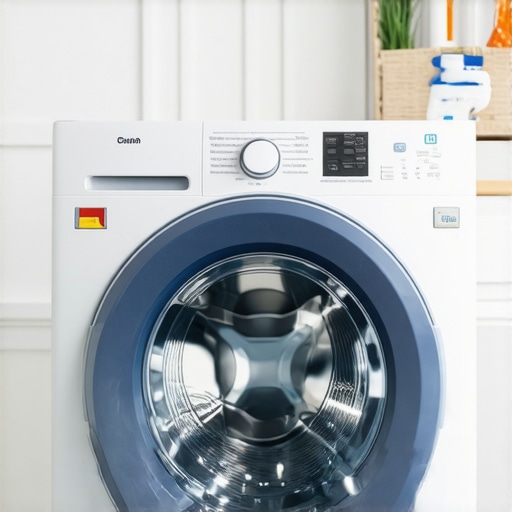
I remember the moment vividly—standing in my laundry room, frustration boiling over as my once-silent top-load washer suddenly started wobbling and rattling every time I used it. That awkward dance it did every cycle felt like a scene from a comedy, but trust me, it wasn’t funny at all. I’d spent hours troubleshooting, adjusting feet, and even searching for a quick fix online, only to realize I’d missed something simple yet crucial. It was a lightbulb moment that changed everything.
If your washer is acting up—shaking, banging, or making noises that keep you awake—there’s a good chance the secret is in your leveling routine. Today, I want to share with you the little-known but powerful trick to ensure your top-load washer stays perfectly balanced and remarkably quiet, even under heavy loads.
Why Correctly Leveling Your Washer Matters More Than You Think
Many folks overlook the importance of precise leveling when installing or maintaining their washing machines. A washer that’s even slightly out of balance can lead to noisy cycles, accelerated wear and tear, and even damage to the appliance or your flooring. When I first ignored this, I thought it was just normal noise—until I learned how a simple adjustment could make a world of difference.
The key is understanding that washers are designed to operate smoothly when perfectly leveled. According to appliance repair experts, improper leveling can cause vibration issues that not only disturb your household peace but also significantly reduce the lifespan of your machine. Making sure your washer sits flat on the floor isn’t just about avoiding annoyance; it’s about preserving your investment.
If you’re worried about the complexity of proper leveling or just want expert assistance, professional installation services can make sure your machine is set up correctly. Check out resources like [this guide](https://discountappliancehub.com/how-to-ensure-reliable-appliance-installation-in-2025) for tips on reliable, warranty-backed installations.
Have you ever had your washer lose its balance mid-cycle, sending loud thuds through your home? If so, you’re not alone, and the good news is that fixing this issue is often simple and immediate.
Now, let’s dive into the practical steps you can take to level your washer effectively, so it stays silent, secure, and long-lasting.
Check Your Washer’s Position Carefully
First, position your washer on a flat, sturdy floor. Move it gently side to side; if there’s excessive wobbling or it tilts easily, it needs leveling. I once placed mine on a slightly uneven tile, which caused vibrating sounds during operation, so I had to reposition it on a concrete slab for better stability.
Adjust the Washer’s Feet Methodically
Most top-load washers have adjustable feet. Tilt the appliance slightly forward and turn the leveling feet clockwise to raise and counter-clockwise to lower. Use a wrench for precision, tightening each foot until the washer is firmly in place and doesn’t wobble. I found that hand tightening often wasn’t enough, so I used a wrench to ensure each foot was snug and secure.
Ensure All Feet Engage Fully
Verify that all four feet are in contact with the floor and are equally adjusted. Sometimes, one foot may sink slightly or be overextended, causing imbalance. In my experience, starting with all feet extended and then adjusting each slowly helped achieve a perfect balance. Check the machine for rocking by gently rocking it, adjusting until it’s steady.
Use a Level Tool for Precision
Place a bubble level on the top surface of the washer—both front-to-back and side-to-side. Adjust the feet until the bubble centers perfectly. During my project, I used a carpenter’s level, which revealed tiny tilts I couldn’t see by eye alone. This step ensures the foundation is flat, reducing vibrations and noise during cycles.
Test the Balance with a Full Load
After adjustments, run a full wash cycle with towels or clothes. Stand nearby and listen—your appliance should run smoothly without rattling or bouncing. If noise persists, re-inspect the leveling, as even minor misalignments matter. I once had to readjust after noticing a slight shimmy mid-cycle, which resolved once I rechecked my previous work.
Maintain Your Installation Regularly
Check the level every few months, especially if your household is prone to floor shifts or if you notice unusual vibrations. Periodic re-evaluation can prevent damage and improve washing performance. Remember, a well-leveled washer not only reduces noise but also extends its lifespan, much like professional installation services ensure long-term reliability, as detailed in this guide.
When it comes to warranties and professional appliance services, many homeowners operate on misconceptions that can end up costing them time and money. For example, widespread advice suggests that all warranties are equally straightforward and protective, but in reality, the fine print often reveals limitations that catch even savvy consumers off guard. Professionals emphasize the importance of understanding what specific warranties cover—full parts and labor, or just certain components—and how that impacts your coverage during emergency repairs. It’s a common mistake to assume that any repair by a certified technician automatically extends your warranty or guarantees coverage—this isn’t always true, especially if the repair doesn’t follow manufacturer specifications. According to industry experts, failing to verify coverage details beforehand can lead to paying twice for repairs or facing denial of claims unexpectedly.
Another critical nuance surfaces in the installation process. Many believe that hiring the cheapest or most convenient installer suffices, but professional installation near you, like this trusted service, ensures not only code compliance but also optimal appliance performance and longevity. Incorrect leveling, improper electrical connections, or inadequate ventilation are pitfalls that can cause premature breakdowns. For example, using subpar parts or shortcuts during setup might save money upfront but often leads to costly repairs later, illustrating how a seemingly minor oversight can have significant repercussions.
The idea that same-day service is always the most reliable solution is another myth. While quick repairs are attractive, they sometimes compromise quality—rushing can lead to missed diagnostics or incomplete fixes. The key lies in choosing a service with a reputation for providing warranty-backed repair services that prioritize correctness over speed. This is especially crucial when dealing with complex appliances or systems that require advanced diagnostic techniques.
An advanced tip worth considering is how to maximize your appliance warranty during emergency repairs. Knowledge about specific steps—like documenting damage thoroughly or understanding your coverage limits—can streamline claims and ensure support from reputable repair services. For instance, when a refrigerator stops cooling unexpectedly, acting promptly and following proper procedures can save you from additional losses or extended downtime.
**How can you tell if a repair technician truly understands the nuances of your warranty and installation?** The answer lies in their transparency and willingness to explain coverage details upfront. Engaging with experts who are familiar with the fine points of warranty-supported services, like those detailed here, helps you avoid costly mistakes. Remember, a well-informed homeowner not only saves money but also ensures their appliances run efficiently for years.
Have you ever fallen into this trap? Let me know in the comments.
Choosing the Best Tools for Appliance Maintenance
When it comes to maintaining your appliances, having the right equipment is essential. I personally rely on a high-quality digital level, such as the Stabila 17630 Spirit Level, which offers precise readings that help ensure your washer or refrigerator sits perfectly flat, minimizing vibration and noise. Additionally, a reliable set of adjustable wrenches, like the Channellock 8WCB, allows me to easily adjust leveling feet without slipping, saving time and preventing damage.
Investing in a good pocket electrician’s tester is also a game-changer for quick electrical checks, especially when verifying circuits or testing outlets during installations or repairs. These tools are durable, accurate, and cost-effective, providing peace of mind that your maintenance work is both safe and effective.
Adopting Methodical Maintenance Routines
Beyond tools, establishing a consistent maintenance routine ensures your appliances stay in top shape. I recommend scheduling bi-annual inspections to check for loose connections, worn belts, or buildup of debris. For example, regularly cleaning refrigerator coils using a brush and vacuum, as detailed in this guide, can significantly extend the lifespan and efficiency of your unit.
Keeping a detailed maintenance log helps track recurring issues and plan timely interventions. This proactive approach often catches problems before they escalate, saving money and avoiding unexpected breakdowns. Remember, long-term results depend on consistent upkeep and using the right tools for each task.
Predicting Future Trends in Appliance Care
The industry is moving toward smart diagnostics and remote monitoring systems. Integrating IoT-enabled sensors allows you to receive alerts when components like filters or belts need replacement, reducing downtime. As technology advances, expect to see even more automated maintenance features that help homeowners like you anticipate issues before they happen, ensuring appliances last longer and perform better.
How do I keep my appliances functioning reliably over time?
The key is combining quality tools with routine, methodical upkeep. Regularly check and calibrate your equipment, clean components as recommended, and stay informed about the latest maintenance techniques through trusted resources. For more in-depth guidance on professional maintenance strategies, consider exploring this expert guide. A small investment in proper tools and habits now can prevent costly repairs later. If you’re unsure about your setup, professional services like those listed here can step in to ensure everything is correctly installed and calibrated. Why not try out a high-precision level today and see how it transforms your maintenance routine?
Throughout my time as someone passionate about appliance maintenance, I’ve uncovered insights that dramatically changed how I approach repairs and upkeep. One of the most profound lessons was realizing that the little steps—like meticulously leveling my washer or understanding warranty nuances—can save me from costly surprises down the line. These lessons weren’t just about fixing appliances; they became a philosophy of proactive care and informed decision-making that I wish I’d embraced sooner.
For instance, I once dismissed the importance of regular calibration until I faced persistent vibrations that no simple adjustment could fix. That moment taught me to prioritize preventive measures, turning routine checkups into opportunities for early detection. It’s a reminder that in appliance care, small actions often have the biggest impact, and being attentive to these details cultivates a sense of confidence and mastery over your home’s systems.
Another eye-opening realization was how critical understanding warranty coverage is during repairs. Many homeowners assume that any professional fix guarantees coverage, but the finer points can be surprisingly restrictive. Knowing the difference between parts warranties and full-labor coverage empowered me to communicate effectively with technicians, ensuring I received support that genuinely protected my investment. This insight underscored the value of being an informed consumer—a mindset that transforms frustration into control.
Finally, I learned that committing to a routine of regular inspections and using quality tools streamlines maintenance. Simple steps like rechecking the level of my washer after floor shifts or using a trusted bubble level helped me sustain smooth operation. These habits built a foundation of reliability, reducing downtime and extending the lifespan of my appliances. Ultimately, these lessons illustrate that proactive, educated care isn’t just about avoiding problems—it’s about creating a harmonious home environment where appliances serve us efficiently and reliably.