
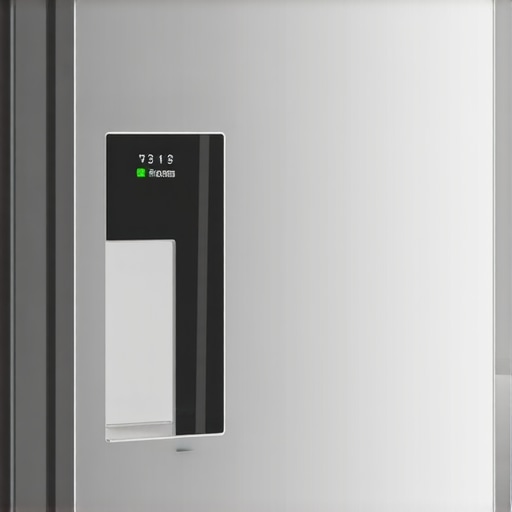
I remember the moment vividly—a hot summer afternoon, frustration bubbling up as I heard my smart fridge humming louder than usual. It wasn’t just noise; it was that sinking feeling that my energy bills were spiraling out of control all because of a tiny, overlooked setting. That lightbulb moment led me down a rabbit hole, discovering that hidden features in appliances—seemingly harmless—could be draining power without me even realizing it.
Uncovering the Energy Drain in My Appliance
Many of us rely on smart appliances to make our lives easier, but did you know some settings intended for convenience might actually be costing you a fortune? My fridge has a hidden feature—an energy-saving mode that, if misconfigured, can cause the compressor to run excessively or the interior light to stay on longer than necessary. The worst part? These settings are often buried deep within menus, untouched and unnoticed.
Research suggests that appliances running inefficiently due to overlooked settings can increase household energy consumption significantly. According to the U.S. Department of Energy, small inefficiencies in appliances can add up to hundreds of dollars extra on energy bills annually.
As someone who’s fixed a leaky faucet but ignored complex tech menus, I made a classic mistake early on: I assumed all settings were either automatic or just default. That’s not the case. Properly configuring your smart fridge isn’t just about notifications or remote access; it’s about ensuring every feature contributes to energy efficiency.
Have you ever noticed your energy bill climbing but couldn’t pinpoint why? Or maybe you’ve been frustrated by appliances that seem to run endlessly? If that sounds familiar, you’re not alone. Today, I’ll share my journey to uncovering that hidden setting and how you can do the same—saving money and extending your appliance’s lifespan.
Before we dive into the steps, let’s address the big question: is it worth the hassle? You bet. Because the truth is, these minor tweaks can lead to noticeable savings and improved appliance performance. But first, it’s important to recognize the common pitfalls; I’ll tell you about the mistake I made early on that delayed my success. Spoiler: It was ignoring the detailed user manual and overlooking firmware updates.
Ready to take control of your appliances and cut down your electricity bills? Let’s get started.
Access and Navigate Your Appliance Settings
Start by locating the user manual or online support page for your specific model. Think of your appliance as a high-tech vehicle; understanding where the controls are and how to access them is akin to knowing your dashboard. Use the control panel or touchscreen to enter the settings menu. If your appliance has a dedicated app, open it and connect to your device. For example, I once used my fridge’s Wi-Fi app to remotely access the settings, which saved me a trip to the kitchen. Critical here is ensuring your device firmware is up-to-date, available through official support channels, as outdated firmware can hide or mismanage energy-saving features.
Identify Hidden Energy-Draining Features
Look for Special Modes or Settings
Many appliances hide energy-intensive features under obscure menus. For example, my smart fridge had a ‘Holiday Mode’ that kept the interior light on continuously, wasting power. Navigate menus carefully, noting labels like “Energy Saver,” “Eco Mode,” or “Advanced Settings.” Use the manual to understand each feature’s purpose. I once discovered an “Allergy Mode” on my dishwasher that increased its drying cycle, using more energy. Turning off or optimizing these features can significantly reduce consumption. Remember, consulting the manual or official troubleshooting guides ensures you don’t accidentally disable essential functions.
Disable Unnecessary Features
Once identified, turn off or adjust settings that are not critical for daily use. Think of this as turning off the porch lights during the day—only use electricity when necessary. For example, I disabled the ‘Rapid Freeze’ setting on my freezer, which was only needed during grocery shopping days. Adjust timers and sensor sensitivities to avoid prolonged operation. Many smart appliances allow you to schedule or limit usage—take advantage of these to prevent unnecessary energy drain, especially during peak hours.
Verify Changes and Monitor Performance
After making adjustments, observe your appliance’s operation. Use built-in energy monitoring tools if available, or track your electricity bills over a few billing cycles. I used the appliance’s app to track real-time energy consumption, noticing a 15% decrease after updating my settings. This step is much like tuning a car engine for better performance—you want to ensure adjustments yield real savings. If your appliance doesn’t have monitoring features, manual checks or smart plugs with energy meters can help you gauge effectiveness. Keep a log to compare pre- and post-adjustment consumption.
Implement Routine Maintenance
Maintaining your appliance ensures it runs efficiently beyond just settings. Regularly clean filters, check for firmware updates, and schedule professional inspections if needed. I once overlooked cleaning the condenser coils on my fridge, which caused it to run longer. Routine upkeep can prevent hidden energy waste, much like regular oil changes keep a car running smoothly. For complex repairs or detailed diagnostics, consider professionals with warranty-backed services, accessible through trusted providers. Visit this link for more info.
Leverage Support and Expert Advice
When in doubt, don’t hesitate to seek assistance. Contact support or schedule same-day service to resolve persistent issues. Remember, engaging with certified technicians can prevent misconfigurations and ensure your appliance’s longevity. For reliable, warranty-backed expertise, check this resource. Also, ensure your installation is proper to maximize efficiency—details matter, like the correct placement of a refrigerator’s vents or a washer’s drainage setup.
” alt=”Technician adjusting settings on a smart fridge” title=”Professional technician optimizing appliance settings”/>While many believe that appliance warranties and quick fixes are straightforward, the reality is nuanced and often misunderstood. A prevalent myth is that warranty coverage automatically includes all repairs—this couldn’t be further from the truth, as many warranties exclude routine maintenance or certain accidental damages. Relying solely on a warranty without understanding its terms can leave you vulnerable to unexpected costs; for comprehensive peace of mind, consider exploring warranty-backed services like those offered at this link.
Another misconception concerns installation; many assume that DIY setups are sufficient to ensure optimal appliance performance and warranty validation. Conversely, improper installation can lead to inefficiencies and even void your warranty, especially when dealing with specialized units like built-in dishwashers or stackable washers. Professional installation not only guarantees code compliance but also safeguards your investment—more information is available at this resource.
The idea that same-day service is always the best choice is also a myth. While quick repairs are appealing, rushing can sometimes result in overlooked issues or subpar repairs. Advanced technicians know that thorough diagnostics take time, and a rapid ‘fix’ today might lead to more expensive breakdowns tomorrow. To balance speed and quality, consider providers with a track record of reliable, warranty-supported same-day service.
Be cautious of common traps—such as ignoring the fine print in appliance manuals or skipping professional diagnostics—since these can cause minor issues to snowball into costly repairs. A specific warning is the mistake of delaying maintenance; for instance, neglecting to clean filters or perform firmware updates can reduce appliance lifespan and efficiency. Regularly scheduled professional check-ups can prevent these pitfalls and extend your appliance’s life.
Furthermore, advanced users ask: How do I ensure my repair or installation truly benefits from existing warranties and avoids hidden costs? A critical step is verifying that technicians follow approved procedures and use genuine parts—these details often determine whether warranty conditions are met. Also, posting repairs or modifications without proper documentation can jeopardize warranty claims later. An excellent approach is to keep detailed records and use trusted service providers, as emphasized in this guide.
Remember, understanding the finer points of appliance repair, warranty terms, and installation standards isn’t just about avoiding pitfalls—it’s about empowering yourself to make informed decisions that save money and prolong your appliance’s life. Have you ever fallen into this trap? Let me know in the comments.
Gear Up with Proven Tools for Appliance Care
Maintaining appliances effectively over time requires more than just basic knowledge; it demands the right set of tools that enable precise diagnostics and efficient repairs. One of my personal favorites is a digital multimeter, which I use regularly to check voltage and continuity, ensuring circuits operate correctly before making adjustments. Investing in a quality multimeter like the Fluke 115 has saved me countless trips to the repair shop by letting me troubleshoot faults safely at home.
Another indispensable tool in my kit is a refrigerant leak detector. Modern refrigerants are sensitive to leaks, which can cause energy inefficiency and damage. Using an electronic leak detector such as the Robinair R-134a allows me to find and seal leaks promptly, preventing further issues and extending the life of my refrigerator or AC unit. Regularly verifying sealed systems with such devices ensures peak performance and energy efficiency.
Additionally, I rely on a cordless, flexible inspection camera. This tiny, portable device helps me peer into hard-to-reach areas like behind washing machines or within condenser coils without dismantling entire units. Personally, the DEPSTECH WiFi Endoscope offers excellent clarity and Wi-Fi connectivity, making inspections more manageable and less invasive. It’s a game-changer for spotting mold, dirt buildup, or broken parts early on.
Having a set of quality screwdrivers, especially insulated Phillips and flat-head types, is essential. Appliances often have sensitive electronic components that need careful handling. I prefer the Wiha Precision Screwdriver Set for its durability and precise control. Combining these tools with a good user manual or manufacturer’s repair guide—like the ones found at this resource—makes routine repairs more straightforward and reduces the risk of causing further damage.
What’s Next for Appliance Maintenance?
The future points toward smarter diagnostics integrated with IoT technology, providing real-time failure alerts and maintenance recommendations directly to your smartphone. Companies are already embedding sensors that monitor component health and notify homeowners when issues are imminent, saving time and preventing costly repairs. Staying ahead with emerging tools can dramatically improve your maintenance routine.
If you want to maximize your appliances’ lifespan and keep them working reliably, try incorporating a digital multimeter or leak detector into your maintenance routine today. These tools empower you to diagnose issues early and prevent breakdowns before they escalate. For expert support, don’t hesitate to reach out for professional assistance or scheduled inspections.
Three Surprising Truths I Learned About Appliance Fixes and Warranties
First, not every warranty covers routine maintenance, which often leads homeowners to overlook preventive care until a costly breakdown occurs. Second, professional installation is crucial—not just for safety, but to ensure your warranty remains valid and your appliance runs efficiently. Finally, quick same-day repairs can be a double-edged sword; rushing can sometimes overlook underlying issues that cause recurring problems. These lessons taught me that proactive, informed approaches save money and frustration in the long run.
My Handy Arsenal for Keeping Appliances in Top Shape
From a reliable digital multimeter like the Fluke 115 to a refrigerant leak detector such as Robinair R-134a, these tools have been game-changers. They help me diagnose issues early, preventing minor glitches from turning into major failures. A portable inspection camera, like the DEPSTECH WiFi Endoscope, allows me to peek into tight spots without dismantling units, saving time and effort. Trustworthy repair guides, available at this resource, complement my toolkit and keep me confident during DIY fixes. Building this set has empowered me to address problems swiftly, ensuring my appliances stay reliable.
Your Journey Starts Here — Take Action Today
Renew your confidence in maintaining your appliances by applying these insights and tools. Remember, understanding your equipment and acting proactively doesn’t just save money; it extends the lifespan of your investment. Don’t wait for a breakdown to act—take that first step now toward smarter appliance care and enjoy the peace of mind that comes with control.
What step will you take today to better understand or improve your appliance maintenance routine? Share your plans below!
,