
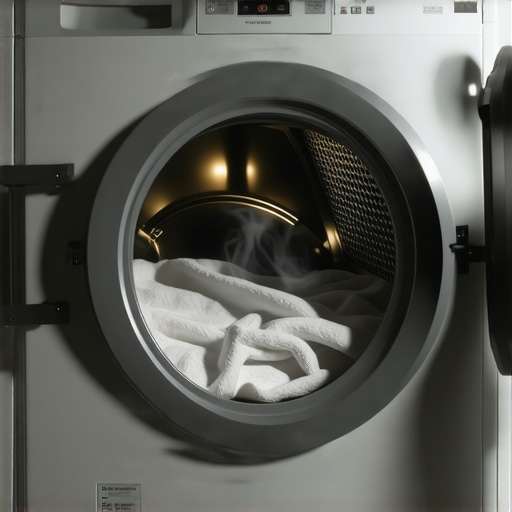
It was late evening, and I was already tired, when I finally decided to do laundry. I tossed in a single towel, expecting it to be dry within an hour. Instead, I found myself waiting around, glancing at the dryer, which seemed to stretch time endlessly. After what felt like an eternity, the towel was barely warm. Sound familiar? If your gas dryer seems to be taking ages to dry just one towel, you’re not alone—and trust me, I’ve been there too. That frustrating feeling of your appliance letting you down can turn a simple chore into a marathon.
The Puzzle of the Slow-Running Dryer
I’ve learned over the years that there’s more to this problem than meets the eye. It’s not just bad luck or an aging machine; there’s often a hidden cause that, once addressed, can turn your slow dryer into a speedy powerhouse again. Today, I want to share the insights I’ve gathered—things that can help you understand why your gas dryer is dragging its feet and what you can do about it. No more waiting around wondering if this is normal or if you need a new appliance; the solution might be simpler than you think.
A Common Mistake Most People Make When Diagnosing Dryers
Early on, I made the mistake of assuming I needed to replace the entire dryer because it was taking forever to dry a small load. But after a little research, I discovered that many issues are caused by minor, fixable problems. Like ignoring a clogged vent or faulty thermostats, which can drastically reduce drying efficiency. If you’re curious about whether your specific issue is a quick fix, check out this guide for some troubleshooting tips. Now, let’s dive into what might be causing your slow drying, starting with the most overlooked culprit—the venting system. And if you’ve already tried cleaning it without luck, don’t worry; I’ve got more tips coming up that could save you money and frustration.
Inspect and Clean the Venting System
Begin by unplugging your dryer and locating the vent hose behind the unit. Disconnect it and check for lint buildup, blockages, or kinks. Use a vacuum or a long brush to clear out obstructions. A clogged vent is like a clogged artery, restricting airflow and prolonging drying times. I once spent an afternoon cleaning my venting system after noticing my towels remained damp—afterward, everything dried in half the time. Remember, a clean vent promotes efficiency and reduces fire risks.
Check the Vent Outside
Next, head outside to inspect the vent cap where the dryer exhaust exits your home. Remove any debris, leaves, or nests blocking airflow. If the outside vent doesn’t open freely or is clogged, your dryer’s performance suffers. Regularly cleaning both ends of the vent is like clearing a blocked drain—preventing buildup that can cause bigger issues down the line.
Test and Replace Faulty Thermostats
Thermostats regulate the heat within your dryer. A malfunctioning thermostat can prevent the dryer from reaching the proper temperature, resulting in sluggish drying. Use a multimeter to test continuity—if the thermostat is faulty, it won’t heat properly. I had a similar issue where replacing a broken thermostat fixed the slow drying problem instantly. If you’re unsure how to do this, consider a professional for quick, same-day service that ensures safety and correctness.
Verify Heating Element Functionality
The heating element converts electrical energy into heat. A broken or partially burnt element will lead to extended drying times. To check, disconnect power, access the heating element from the back panel, and test for continuity. If the element shows no continuity, it’s burnt out. Replacing the heating element is straightforward and affordable—think of it as giving your dryer a tune-up to restore its performance. For guidance, apps or professionals can ensure proper installation without guesswork.
Inspect the Gas Supply and Igniter
Since your dryer is gas-powered, ensure the gas supply valve is fully open. Also, check the igniter for cracks or corrosion—an failing igniter either fires intermittently or not at all. If the igniter isn’t glowing as it should, your dryer won’t heat, leading to damp clothes. Testing the igniter involves removing it and observing if it glows when the dryer runs. If you find it defective, replacing it quickly restores heat. Remember, working with gas appliances can be risky; hiring a licensed technician is often the safest choice.
Assess the Timer and Control Board
If all mechanical parts check out, the issue may lie with the control system. A faulty timer or control board can disrupt drying cycles, prolonging them unnecessarily. Some signs include erratic cycle times or the dryer not advancing through stages. Testing these components requires specific tools and expertise. When in doubt, professional diagnostics can pinpoint the problem accurately. Many appliance repair services offer same-day visits, ensuring your dryer is back to peak performance swiftly.
Ensure Proper Installation and Leveling
An unevenly installed or unlevel dryer can cause operational issues, including longer cycles. Use a level to check your appliance and adjust feet accordingly. Proper installation also includes maintaining adequate clearance around the unit for ventilation and accessibility. Think of your dryer like a car—alignment and balance are key to smooth operation. Misalignment may cause vibrations and inefficiency, so take a moment to verify everything is set correctly.
Following these concrete steps can save you time and money. Remember, regular maintenance—such as cleaning vents and replacing worn parts—is crucial for optimal dryer performance. If your attempts don’t resolve the issue, consulting a professional ensures a safe, reliable fix. For advanced troubleshooting, resources like this guide can offer additional insights into appliance diagnostics.
When it comes to appliance repairs, many homeowners rely on common advice that may do more harm than good. A widespread misconception is that all repairs should be handled immediately by professionals, but sometimes, a little patience and proper knowledge can save time and money. For example, many believe that same-day service is always necessary; however, reputable technicians often schedule diagnostics before repairs to prevent unnecessary parts replacement, ensuring you don’t pay for work you don’t need. This approach not only prevents waste but also prolongs the lifespan of your appliances.
Could Your Quick Fix Be Hiding a Larger Problem
Another prevalent myth is that bypassing basic troubleshooting steps will lead to faster fixes. But jumping straight to replacement without understanding the root cause can lead to recurring issues and additional expenses. For instance, an unbalanced refrigerator might seem like a quick fix, but if ignored, it can lead to compressor failure down the line, resulting in costly repairs. Experts warn against this trap, emphasizing the importance of thorough diagnostics before replacing parts. This nuance is backed by studies from appliance repair industry leaders who highlight the risks of neglecting proper assessment. Knowing when to repair or replace can be tricky, but understanding these subtleties is key to making informed decisions. Additionally, many overlook the significance of proper installation. A slight misalignment during setup can cause inefficient operation, increasing energy costs and shortening the appliance’s life. Proper leveling not only improves performance but also avoids common issues like excessive vibrations. Just like with a car, proper setup goes a long way in maintenance.
Why Some Warranties Might Not Cover What You Expect
Many homeowners assume that warranties cover all repair costs, but the fine print often excludes accidental damage or specific parts. Extended plans can be tempting, but they sometimes lock you into costly service fees or limited coverage. It’s crucial to read the terms carefully and understand exactly what is included. For instance, an extended warranty might not cover damage caused by improper installation or neglect, which can lead to unexpected expenses. This knowledge helps you avoid disappointment and ensures you’re protected when it matters most. Consulting trusted sources and reviews, as seen in the truth about warranties, can guide your choices. Remember, a well-maintained appliance with proper installation and clear warranty understanding can save you headaches and money in the long run. Have you ever fallen into this trap? Let me know in the comments.
Tools I Recommend for Reliable Appliance Maintenance
Maintaining your appliances ensures longevity and optimal performance, which can save you significant money over time. Personally, I rely on a few specific tools that have proven invaluable during troubleshooting and repairs. A high-quality digital multimeter, for example, is essential for testing electrical components like thermostats and heating elements. I prefer models that offer true RMS readings and easy-to-read displays, such as the Fluke 117, because accuracy and durability matter when diagnosing subtle issues.
Another tool I always keep handy is a set of insulated screwdrivers. Many appliance panels require precise, safe handling, especially in gas dryers or ovens. Investing in a screwdriver set with various sizes tightens or loosens fittings without risk of damaging sensitive parts. A flexible vent cleaning brush helps me reach deep into dryer vents, ensuring no lint buildup hinders airflow, which is crucial for efficiency.
Don’t underestimate the value of a reliable socket and wrench set for replacing worn-out components like belts or door hinges. A cordless drill with variable speed can significantly speed up disassembly and reassembly processes. When working on gas appliances, a nitrogen leak detector can help confirm safe operation after repairs, adding an extra layer of safety. These tools, combined with a comprehensive troubleshooting guide, make DIY maintenance both practical and safe.
Using Software and Diagnostic Apps for Future-Proof Repairs
Times have changed, and now I incorporate diagnostic apps tailored for smart appliances into my workflow. These tools connect via Wi-Fi or Bluetooth and can read error codes or firmware issues directly from the device. For example, many modern refrigerators and ovens can be diagnosed through brand-specific apps, allowing me to identify potential problems before they become major failures.
Web-based resources and remote diagnostic services are expanding this capability further, giving homeowners and technicians a predictive maintenance advantage. This trend is likely to grow as appliances become more interconnected, enabling real-time monitoring. In the future, I predict that integrating IoT (Internet of Things) platforms with maintenance tools will help preempt issues and schedule repairs proactively, reducing downtime significantly.
How do I maintain appliances over time?
Regular cleaning of vents, filters, and accessible components is fundamental. Keep a maintenance schedule and document any repairs or replacements. For instance, periodically inspecting and replacing worn door seals or dirty filters prevents energy waste and breakdowns. Also, recalibrating temperature sensors and oven thermostats using tools like the ones described here can ensure consistent cooking results—check this guide for detailed calibration methods. Lastly, staying informed about brand-specific updates and firmware upgrades through official apps helps keep your appliances running smoothly and securely.
One practical tip: always test your thermal fuse with a multimeter after disassembly, and if it fails, replace it with a genuine part—failing to do so can cause your appliance to stop working unexpectedly. For example, testing a thermal fuse for continuity is straightforward but critical in preventing overheating issues. Regularly performing this check can save you from unexpected outages, especially during busy seasons.
Consider the Long-Term Benefits of Proper Maintenance
Investing a little time and the right tools now can extend the lifespan of your appliances considerably. For example, adhering to recommended cleaning intervals and calibrations can prevent costly repairs down the line. Using high-quality, brand-specific replacement parts, as discussed in this article, ensures durability and compatibility. Remember, a well-maintained appliance not only works better but can also lower energy costs—a win for both your wallet and the environment.
If you’re ready to take your appliance maintenance to the next level, try calibrating your oven temperature using a reliable thermometer. This simple step can make a noticeable difference in baking consistency and oven efficiency. Regularly testing and calibrating your equipment now promises reliable operation and peace of mind in the future.
What No One Tells You About Repairing Your Gas Dryer
One eye-opening lesson I learned is that the real trick to fixing a sluggish dryer isn’t always found in replacing expensive parts; sometimes, it’s about identifying a simple oversight, like a neglected vent or a worn thermostat. These small details made me realize that patience and attention to detail are your best tools in appliance repair. No matter how modern or high-end your gas dryer is, the fundamentals remain consistent—clean vents, tested thermostats, and proper installation can make all the difference.
My Go-To Tools for Long-Term Dryer Health
Over the years, I’ve come to trust specific tools that keep my appliances in tip-top shape. A reliable multimeter, such as the Fluke 117, helps me catch electrical issues early. A flexible vent brush clears lint buildup, preventing dangerous fires and inefficiency. Quality insulated screwdrivers ensure I don’t damage sensitive components when doing a quick repair. These tools, combined with a dedicated troubleshooting approach, give me confidence that I can handle most issues without waiting around for professional help.
Embracing Future-Proof Appliance Care
The future of appliance maintenance involves technology. I’ve started leveraging diagnostic apps that connect directly to smart appliances, giving me real-time data on system health. These tools help me spot problems before they become major emergencies, saving money and stress. As appliances become more interconnected, developing skills in using these digital resources will become essential—so start experimenting with apps and remote diagnostics sooner rather than later.
Action Starts With a Single Step
Remember, the journey to a reliable, long-lasting gas dryer begins with understanding the importance of regular maintenance and informed troubleshooting. By investing in the right tools and knowledge, you’re empowering yourself to take control of your appliances. Don’t be afraid to tackle small repairs yourself; each success boosts your confidence and extends the life of your machine. Ready to give it a try? Your future self will thank you for it.
What small step are you planning to take today to improve your appliance’s performance? Drop your thoughts below—I’d love to hear your plans or experiences!