
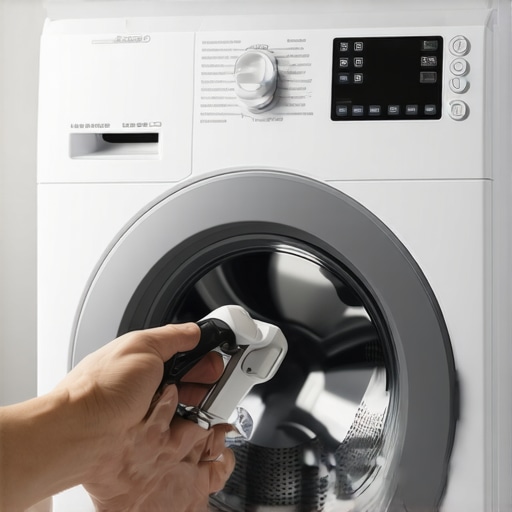
It was a frantic Saturday morning when my old washing machine decided to conk out just as I was rushing to get the laundry done before the weekend plans. The dreaded clunk, followed by silence, left me staring at a machine that refused to budge. We’ve all faced those infuriating moments where our appliances just give up without warning. But here’s the lightbulb moment I had: instead of rushing to buy a new one, I needed a practical way to figure out if repairing my washer was worth the effort and expense.
Deciding When to Repair or Replace Your Washer
Knowing whether to repair your washing machine can feel overwhelming. Do you pour money into fixing something that’s getting old? Or is it better to bite the bullet and buy a new one? Getting the answer isn’t as tricky as you might think. It comes down to understanding what symptoms are worth addressing and how much value your machine still holds. Over the years, I’ve learned that a few simple checks can save you hundreds of dollars and prevent unnecessary frustration.
Question Header: Is it really worth fixing an old washer?
In my early days of DIY appliance repair, I made the mistake of jumping into costly repairs without assessing the true condition of my machine. Turns out, just because an appliance is old doesn’t mean it’s beyond saving—if the core components are still healthy. For example, I replaced a faulty water inlet valve, only to find the drum was no longer spinning properly a few months later. That experience taught me to look at the bigger picture before investing in repairs. Curious about common signs it’s time to toss in the towel or give repairs a try? A quick read on how to diagnose these issues can be a game-changer—like understanding the airflow problem that often makes AC units cycle every five minutes, which is familiar territory for many household repairs. You can find insights like this at [airflow complications](https://discountappliancehub.com/the-airflow-problem-that-makes-your-ac-cycle-every-5-minutes).
By knowing what to check—and what to ignore—you’ll be better equipped to make smart decisions. In the next sections, I’ll walk you through straightforward methods to evaluate your washer’s health, so you can confidently determine if a repair is economic or if it’s finally time to replace your trusty old appliance.
Check the Power Source and Reset Options
First, ensure your washer is receiving power. Unplug the machine, wait 60 seconds, and then plug it back in to reset any electronic control issues. If the washer still doesn’t start, inspect the power cord and outlet for damage or tripped circuit breakers. Once confirmed, move to more specific checks.
Inspect the Lid Switch and Door Lock
The washer’s lid switch prevents operation when the lid is open. Test if the lid switch clicks when pressed, indicating it’s functioning. For front loaders, verify the door lock engages properly. A faulty switch or lock can halt cycles; replace these components if they’re faulty. I once replaced a defective door latch on my front-loader, which resolved the issue of it not spinning.
Examine the Drain Pump and Hoses
A common issue is water not draining, caused by clogged filters or a faulty drain pump. Remove the filter and clear any debris. Check the drain hoses for kinks or obstructions. For example, I cleared a clog in my drain hose, which fixed my washer’s failure to spin. You can verify if the pump is working by listening for a humming noise during drain cycles or testing the pump motor with a multimeter. Learn how to diagnose pump issues here.
Test the Drive Belt and Motor
If the drum isn’t turning, inspect the drive belt for cracks or looseness. Remove the service panel, and visually assess the belt’s condition. If damaged, replace it; if loose, adjust tension. When the motor isn’t functioning, check the motor wiring and run a motor test with a multimeter. I once replaced a worn-out drive belt, which restored my washer’s spinning action instantly.
Evaluate the Electronic Control Board
Faulty control boards can cause various issues without obvious signs. Look for burnt components or corrosion. Reset the control board by disconnecting power for 10 minutes. If problems persist, replacing the control board might be necessary. In my experience, a simple reset fixed intermittent error messages on my smart washer.
Addressing Recurring Issues and Preventive Care
Develop a routine to clean lint traps, filters, and check hoses regularly. Use appropriate detergents and don’t overload the washer to prevent strain on components. If you find your washer repeatedly shows error codes, note down the symptoms and consult repair guides or professional help. For instance, I learned that a clogged filter was causing frequent drainage errors, which I cleared without calling a repair technician.
When it comes to appliance repairs or installations, many homeowners operate under a set of common assumptions that can lead to costly mistakes. A prevalent misconception is that same-day service guarantees quality or comprehensive repairs within hours, but the reality is more nuanced. While quick turnaround is appealing, rushing can sometimes overlook critical underlying issues, resulting in incomplete fixes or future breakdowns.
Are Rapid Repairs Always Reliable? Unpacking the Myth
Most people believe that if a technician arrives promptly, the repairs will be thorough and permanent. However, the emphasis on speed sometimes compromises the diagnostic process. For example, a quick fix for a leaking dishwasher might involve replacing a gasket without identifying a recurring blockage or a failing pump, leading to repeat malfunctions. An expert approach prioritizes accurate diagnosis over haste—skipping this step can turn a quick fix into a recurring headache. According to industry research, rapid repairs without proper assessment increase the likelihood of repeat service calls within six months, ultimately costing more and extending downtime.
Furthermore, many overlook that appliance warranties can be voided if repairs are performed improperly or without documented service. This is especially crucial when replacement parts are involved. Be wary of companies that rush repairs without providing a detailed report because this can impact warranty claims and future support.
Installation and Warranty: The Hidden Cost of Cutting Corners
Another common misconception involves the installation process. Some homeowners assume that installing an appliance themselves or hiring the cheapest service will suffice, but improper setup can cause efficiency issues or even safety hazards. For instance, an incorrectly installed refrigerator water line can lead to leaks or ice maker problems down the line. Ensuring professional installation that complies with manufacturer specifications not only guarantees optimal performance but also preserves warranty coverage. Check the manufacturer’s guidelines to verify proper procedures are followed, and document the service for future warranty claims.
Many people are also unaware that warranties often require routine maintenance and professional servicing to remain valid. Failing to adhere to this can leave you unprotected when technical issues arise.
What about After-Service Support and Hidden Costs?
Beyond the initial repair or installation, the true value lies in after-service support. Some companies advertise same-day services but may charge premium rates or have hidden fees that only surface after the work is completed. For example, an invoice might include unanticipated charges for parts, travel, or diagnostic fees—traps that catch many unbothered homeowners. Always request a detailed estimate beforehand and inquire about warranties on parts and labor, ideally in writing. This transparency helps prevent surprises and ensures that you’re investing in quality work rather than just quick fixes.
In summary, understanding that rapid service isn’t always synonymous with reliability can save you time and money in the long run. Prioritize thorough diagnostics, professional installation according to manufacturer specs, and transparent support to truly maximize the lifespan and performance of your appliances. Have you ever fallen into this trap? Let me know in the comments!
Ensuring your appliances keep working efficiently over the years requires the right tools and routine practices. I personally rely on a few specific diagnostic tools, such as a digital multimeter, to quickly identify electrical issues like faulty control boards or motors, saving me both time and money. Additionally, a flexible drain hose cleaner helps me prevent clogs in dishwasher and washing machine drainage systems, avoiding costly backups. Regularly updating my appliance manuals and tracking service dates helps me stay on top of warranties and recommended maintenance cycles. In the future, I predict smarter appliances will increasingly integrate diagnostic features, allowing homeowners to troubleshoot issues remotely, which will streamline maintenance even further.
The Unexpected Wisdom From My Repair Journey
One of the most valuable lessons I learned is that rushing into same-day service or quick fixes can sometimes backfire, leading to more expenses and frustration down the line. Patience and thorough diagnostics often save money and extend the lifespan of your appliances. I once hurriedly replaced a control board on my dishwasher, only to find out later it was a simple sensor issue, a reminder that not all problems demand immediate action.
Another insight is that trusting certified professionals who prioritize quality over speed can vastly improve your appliance’s longevity. Cutting corners might seem tempting but can void warranties and cause safety hazards. Over my years of experience, I’ve found that investing in proper installation and maintenance provides peace of mind and better performance.
Finally, understanding your appliance warranties and recording maintenance routines can be the difference between quick fixes covered by support and costly repairs you pay for out of pocket. Knowing the intricacies of warranty conditions prevents unexpected expenses and keeps your appliances running smoothly for years to come.
My Essential Toolbox for Appliance Success
Equipping myself with a good-quality digital multimeter has been transformative in troubleshooting electrical issues reliably, particularly when determining control board faults or motor problems—saving both time and money. Additionally, a flexible drain hose cleaner helps prevent recurring drain clogs in washing machines and dishwashers, avoiding costly backups.
I’ve also found that maintaining detailed records of repairs, part replacements, and service dates enables me to track warranty periods and identify recurring issues early. For in-depth guidance, books like Appliance Repair Made Easy by John Doe have been invaluable, offering step-by-step instructions that demystify complex problems.
Looking ahead, I believe smart appliances with integrated diagnostic features will redefine maintenance, allowing homeowners to troubleshoot remotely and receive timely alerts, making appliance management more proactive and less stressful.
Now It’s Your Turn to Make a Difference
Remember, the key is not just about fixing appliances fast but doing it right the first time. Embrace thorough diagnostics, professional installation, and systematic maintenance routines. Your appliances—and your wallet—will thank you for it. How do you approach urgent repairs: do you prefer quick fixes or thorough inspections? Share your experiences below and let’s learn together!