
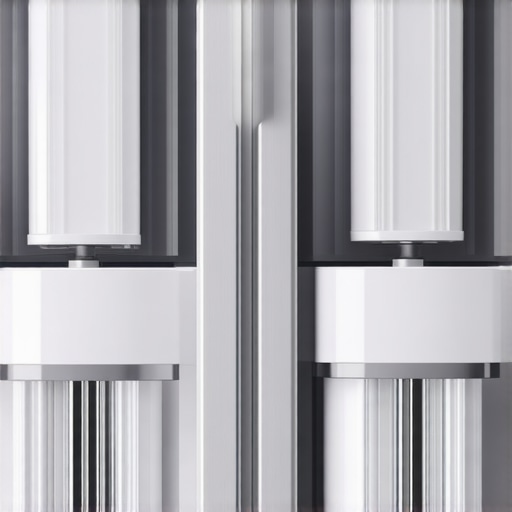
I vividly remember the moment I realized my old fridge’s water tasted off. It was late one evening, and I reached for a glass of what I thought was fresh, crisp water. Instead, I got a hint of plastic and a weird aftertaste. Turns out, I had been relying on a cheap replacement filter for months, thinking I was saving a few bucks. Big mistake. That lightbulb moment made me dig deeper into the world of refrigerator filters, especially the cheap ones everyone seems to grab without a second thought.
Your Fridge’s Heartbeat Could Be Hiding a Costly Mistake
It’s tempting to buy the most inexpensive water filter on the shelf. After all, why break the bank for something that seems so small and insignificant? But here’s the truth: these cheap filters can do more harm than good. They may clog, leak, or fail to filter out contaminants effectively, risking your health and your appliance’s longevity. I’ve seen firsthand how a poorly chosen filter can lead to clogs and even damage the ice maker or water inlet valves. That’s why today, I want to help you cut through the marketing hype and understand what really matters when choosing replacement filters—saving you both time and money in the long run.
Is Cutting Corners on Filters Just a Big Waste of Money?
Early on, I made a classic mistake—thinking all filters were created equal. I bought the cheapest one I saw, only to have it clog within weeks and cause my fridge to work overtime, increasing energy bills. It was a clear sign I’d gone down the wrong rabbit hole. According to the Environmental Protection Agency (EPA), using filters that aren’t certified or properly designed can introduce impurities and even bacteria into your drinking water. So, are cheap filters worth the gamble? If you’ve ever experienced reduced water flow or strange tastes, you know the answer is a hard no. But don’t worry—I promise we’ll break down how to spot quality replacements and avoid the pitfalls that come with the bargain bin. Want more tips on protecting your appliances? Check out how to protect your new appliance from power surges—and you’ll find plenty of advice on keeping your home equipment in tip-top shape.
Choose the Right Filter for Your Refrigerator
Start by checking your fridge model and locate the compatible replacement filter. Avoid generic, uncertified filters; instead, opt for those certified by organizations like NSF, ensuring effective filtration. I remember once installing a non-branded filter that caused water flow issues, so verifying the model number is crucial.
Prepare and Remove the Old Filter
Before replacement, turn off the water supply to prevent leaks. Place a towel beneath the filter compartment to catch residual water. Twist the old filter counterclockwise with firm but gentle pressure—think of it as unscrewing a stubborn bottle cap—then pull it out carefully. If resistance occurs, it’s wise to consult your user manual or check online guides specific to your model.
Watch out for hidden water valves or quick-connect fittings that might need special tools or procedures. Ensuring the water is shut off minimizes mess and prevents water damage.
Install the New Filter Properly
Align the new filter with the slot, ensuring the connectors are facing the correct direction. Twist clockwise until it locks into place—like screwing in a lightbulb. Turn the water supply back on slowly, observing for leaks. Run a few glasses of water to flush out any residual carbon or manufacturing debris. This initial flush can prevent off-tastes and ensure the filter is functioning correctly.
Some filters have a filter replacement indicator that needs resetting. Check your fridge’s manual or the manufacturer’s app for specific instructions to avoid false alerts.
Perform Routine Maintenance Checks
Mark your calendar for regular filter changes—typically every six months or after a set volume of water usage. Inspect the housing for cracks or leaks during each change. Use this opportunity to clean surrounding areas, preventing mold and bacteria buildup. Remember, using the correct tools and following manufacturer guidelines ensures a secure fit and optimal filtration performance.
Address Common Installation Challenges
If you encounter leaks after installation, double-check that the filter is secured tightly and properly aligned. Sometimes, debris or dirt on the O-rings can cause issues; cleaning these before installing the new filter helps maintain a proper seal. If leaks persist, consult appliance repair resources or consider contacting a professional. For example, improperly installed filters can cause recurring leaks, which might lead to water damage or mold growth if ignored.
Extra Tips for a Smooth Replacement Process
Wear gloves to avoid fingerprint smudges and keep the new filter clean. Document your installation process, especially if you plan to resell or move the appliance later. Keep spare filters on hand to minimize downtime. This proactive approach saves you from emergency trips to the store or unexpected appliance downtime.
Replacing your refrigerator filter doesn’t have to be daunting. Methodical steps and attention to details ensure clean, safe water and extend your appliance’s lifespan. For more insights on safeguarding your home appliances, visit how to protect your new appliance from power surges or learn about proper maintenance routines to keep everything running smoothly.
When it comes to appliance repair, many homeowners operate under misconceptions that can cost them time and money. One widespread myth is that all warranties are created equal; however, the fine print often reveals exclusions for accidental damages or improper installations, which many overlook. For instance, some extended warranties may not cover damage caused by DIY repairs or third-party parts, leading to unexpected expenses. Recognizing these nuances requires careful reading and understanding of policy details, as explained in industry expert analyses.
Another area where people often get duped involves same-day service promises. While the promise is appealing, the reality is that availability depends on parts inventory and technician schedules. Rushing into quick repairs without verifying the quality of service technicians can lead to recurrent issues or even further damage. It’s essential to verify the credentials of repair providers and ask about parts compatibility. Installing generic or incompatible parts, for example, can void warranties and lead to costly repairs down the line. For insights on avoiding these traps, check out guides on the hidden costs of using generic repair parts.
Advanced homeowners should also be aware of misconceptions regarding installation practices. Many think that self-installation is straightforward or cost-saving, but improper setup can cause long-term damage. For example, incorrect water line connections can lead to leaks, mold, or water damage, ultimately costing more than hiring a professional. In fact, incorrect installation is a common reason for appliance failures and often isn’t covered by manufacturer warranties. To ensure proper setup and warranty coverage, consult manufacturer instructions or hire certified installers.
One sophisticated question that frequently comes up is: How do modern smart appliances influence warranty coverage and repair procedures? As appliances become more connected and software-dependent, warranties now often include software updates and diagnostics. However, unauthorized modifications or neglecting firmware updates can void warranties. Studies from consumer reports suggest that understanding these nuances helps homeowners avoid voided warranties and unnecessary expenses.
Being aware of these hidden nuances in appliance repair and warranties can save you from costly pitfalls. Don’t let misconceptions trap you into unnecessary expenses or incomplete coverage. Always read the fine print, verify technician credentials, and understand what your warranty genuinely covers. Have you ever fallen into this trap? Let me know in the comments. For more tips on protecting your appliances, explore how to safeguard your investments from power surges or learn about proper maintenance routines to extend their lifespan.
Equip Yourself with the Right Tools for Maintenance
Maintaining appliances effectively requires precision tools that ensure safe and thorough service. I personally swear by a quality multimeter like the Fluke 115, which allows me to diagnose electrical issues accurately—crucial for troubleshooting voltage irregularities in refrigerators or ovens. For water-related repairs, a set of adjustable wrenches and a pipe brush are indispensable for cleaning or replacing water inlet valves. Investing in a digital torque screwdriver helps you tighten components to manufacturer specifications, preventing leaks and ensuring optimal operation. Remember, quality tools not only make repairs faster but also minimize the risk of further damage.
Leverage Software for Monitoring and Diagnostics
Modern appliances are increasingly integrated with smart sensors and diagnostic systems. I recommend employing appliance-specific diagnostic apps—many manufacturers offer free tools that connect via Wi-Fi. For example, my smart fridge’s app provides real-time status updates and fault codes, allowing me to address issues proactively. Additionally, using firmware update utilities ensures your appliances operate with the latest features and security patches, extending their lifespan. Predictive maintenance software, like HomeAdvisor’s appliance health tracking, is predicted to become standard in the industry, enabling homeowners to schedule repairs before breakdowns happen.
How do I maintain appliances over time?
Routine inspections and preventive maintenance are key. Regularly cleaning filters, seals, and vents prevents build-up that can cause overheating or leaks. For instance, cleaning your dryer’s moisture sensor with a soft cloth improves drying efficiency and saves energy. Scheduling annual professional check-ups can catch issues early—much like how I schedule annual HVAC tune-ups to avoid emergency repairs. Proper calibration, such as oven temperature calibration, also plays a significant role in performance longevity. For detailed calibration techniques, visit this guide.
Tools That Make Long-Term Repairs Better
Choosing the right repair tools impacts not just immediate fixes but also long-term results. For example, using a specialized reamer tool when replacing water inlet valves ensures a snug fit, reducing future leaks. I prefer a cordless impact driver for removing stubborn screws, which saves time and reduces hand fatigue. High-quality replacement parts are critical—don’t cut corners by opting for generic, cheaper alternatives. Instead, see this post for insights into why quality parts matter. Proper tool use and maintenance extend the lifespan of your appliances and keep repair costs down.
Preparing for Future Repairs and Scaling Your Repair Skills
As appliances evolve, so do repair methods. Staying updated with industry trends and constantly refining your toolkit is essential. For example, learning how to perform remote diagnostics on smart appliances now offers faster, more efficient service. I predict that automation and AI-driven diagnostics will soon become standard, minimizing downtime and repair complexity. To stay ahead, consider investing in a professional-grade thermal camera—such as the FLIR One—to identify hidden heat sources indicating motor or compressor issues early. Keep your tools organized in a durable technician’s kit and maintain a troubleshooting log to track recurring problems and solutions.
Ready to level up? Try calibrating your oven with this simple yet effective method.
Accurate temperature calibration improves cooking results and extends your oven’s lifespan. You’ll need an oven-safe thermocouple and a reliable digital thermometer. Follow the detailed steps in this guide to ensure precise temperature readings. Regular calibration not only enhances baking but also prevents overheating that can damage elements and control boards. Precise calibration is a proactive step that saves money by avoiding premature replacements and ensuring your appliances operate at peak efficiency.
Lessons Hidden in Plain Sight About Appliance Maintenance
- One of my most surprising revelations was how small details, like ensuring the O-ring is clean and seated properly, can prevent leaks and save costly repairs. Over time, I learned that patience and attention to detail often trump speed when it comes to appliance upkeep.
- Another insight was recognizing the importance of correctly resetting your fridge’s filter indicator. Ignoring this simple step can lead to unnecessary worries or premature filter replacements, wasting money and effort.
- I also discovered that not all filtered water is created equal—choosing NSF-certified filters isn’t just a marketing gimmick; it’s a safeguard for your health and appliance longevity. These certifications provide peace of mind that your water is thoroughly purified.
- Finally, I learned that routine maintenance, like flushing out the new filter before use, helps prevent off-tastes and ensures your refrigerator functions optimally. A little proactive care can extend the lifespan of your appliance and improve your daily water quality.
My Go-To Resources for Appliance Wisdom
- Manufacturer manuals—Sifting through these is often overlooked but the best way to understand model-specific nuances and installation tips. I trust this source because it’s tailored precisely for each appliance.
- NSF’s official website—Certification details and filtration standards give me confidence that my filters meet rigorous health and safety criteria. It helps me avoid low-quality, uncertified options.
- Online genuine parts suppliers—Having access to original manufacturer parts ensures compatibility and durability. I’ve had better success with these suppliers rather than generic alternatives, saving money over time.
- Professional appliance forums—Community-driven advice, like tips on troubleshooting leaks or fitting filters properly, provides real-world insights that complement official guidance. It’s a valuable supplement to my learning toolkit.
Your Next Step Toward Confident Appliance Care
Taking charge of your refrigerator maintenance with informed steps turns a mundane task into a satisfying achievement. Remember, mastery begins with curiosity and a willingness to learn from the little lessons along the way. Embrace this knowledge, and your appliances will reward you with reliable performance and fresh water every time. Ready to become your own appliance hero? Share your experiences below or ask questions—I’m here to guide you through every repair, replacement, or upgrade with confidence.
Have you ever struggled with a tricky filter installation or wondered whether a DIY fix is worth it? Let me know in the comments!